Are Kayak Fishing Guides Available on Cape Cod?
Venturing out onto the pristine waters of Cape Cod in a kayak, rod in hand, is a dream for many anglers. There's an undeniable allure to paddling silently through a salt marsh, stalking striped bass along a secluded beach, or drifting over shallow flats for fluke. But if you’ve ever considered it, you know the apprehension can be real: Where do I go? What gear do I need? Is it safe? This guide is here to tell you that, yes, kayak fishing guides are absolutely available on Cape Cod, and they can transform that dream into a fantastic, accessible reality, especially for those who might feel a bit overwhelmed by the logistics.
The Appeal and the Challenges of Kayak Fishing on Cape Cod
Cape Cod, with its myriad of estuaries, protected bays, and extensive coastline, is a kayak angler's paradise. However, paradise often comes with its own set of complexities. Understanding both the draw and the potential pitfalls is the first step toward a successful trip.
Why Kayak Fishing is So Enticing Here
There’s a magic to kayak fishing that’s hard to replicate from a larger boat or the shore. You sit low to the water, giving you an intimate connection with your surroundings. The silence of paddling allows you to sneak up on wary fish that would be spooked by a noisy motor. Imagine casting a topwater plug right into a breaking school of striped bass in a calm bay, with no engine rumble to disturb them – just the splash of your lure and the subsequent explosion of a fish.
Cape Cod offers an incredible diversity of fishing environments. From the tranquil backwaters of Barnstable and Orleans, teeming with smaller stripers and bluefish, to the more exposed Nantucket Sound for fluke and even some formidable tautog structure, a kayak opens up countless opportunities. You can access shallow creeks and flats that larger boats can't, often finding unpressured fish that haven't seen a lure in days. Plus, the physical activity adds another layer of satisfaction; you truly earn every fish you catch. It's an immersive, peaceful, and often incredibly productive way to experience the Cape's renowned fisheries.
The Hurdles Newcomers Often Face
As appealing as kayak fishing is, it’s not without its challenges, especially for those new to both kayaking and fishing in saltwater. The first hurdle is often safety. The ocean, even in seemingly calm bays, can be unpredictable. Tides, currents, wind, and boat traffic can all pose risks if you're not prepared or knowledgeable. Paddling technique, self-rescue, and understanding local hazards are crucial. Then there’s the gear—what kind of kayak is best for fishing? What safety equipment is mandatory? How do you carry all your rods, tackle, and cooler without capsizing?
Beyond the practicalities of the craft itself, there's the fishing aspect. Cape Cod's fishing can be fantastic, but it's also highly dependent on tides, seasons, and species behavior. Knowing where the fish are, what they’re eating, and what lures or bait to use requires local knowledge. For someone visiting or just starting out, deciphering all this information can be overwhelming. You don’t want to spend your precious vacation time struggling with equipment or fishing in barren waters. This is precisely where a good kayak fishing guide becomes invaluable, bridging the gap between aspiration and a successful outing. Massachusetts Fishing Seasons Explained can give you a general overview of what's biting when, but a local guide provides the hyper-specific, real-time details you need.
Unveiling the World of Cape Cod Kayak Fishing Guides
For many, the thought of launching into the open water in a kayak to fish can feel daunting. That's where a dedicated kayak fishing guide steps in, providing not just expertise but also confidence and a significantly enhanced experience.
What a Kayak Fishing Guide Offers You
Think of a kayak fishing guide as your personal, highly experienced instructor and local expert rolled into one. First and foremost, they handle the logistics. This means providing a suitable fishing kayak (often a stable, sit-on-top model designed specifically for angling), paddles, PFDs (personal flotation devices), and all the necessary safety gear like whistles, lights, and communication devices. They ensure the equipment is properly rigged and safe for the conditions. You won't have to worry about transporting a kayak or investing in expensive gear before you even know if you like it.
Secondly, a guide brings invaluable local knowledge. They know the tides, the currents, the hidden channels, and, most importantly, where the fish are biting right now. They've spent countless hours on these waters, tracking patterns, and understanding species behavior. They'll put you on the fish, whether it's shallow-water striped bass in a tidal creek, a productive flat for bluefish, or a secret spot for scup. They're also expert instructors, showing you proper casting techniques from a kayak, how to paddle efficiently, how to fight a fish while maintaining balance, and even how to handle your catch responsibly. It's a hands-on learning experience that dramatically shortens your learning curve and significantly increases your chances of a successful and safe day on the water.
Types of Guided Kayak Fishing Trips
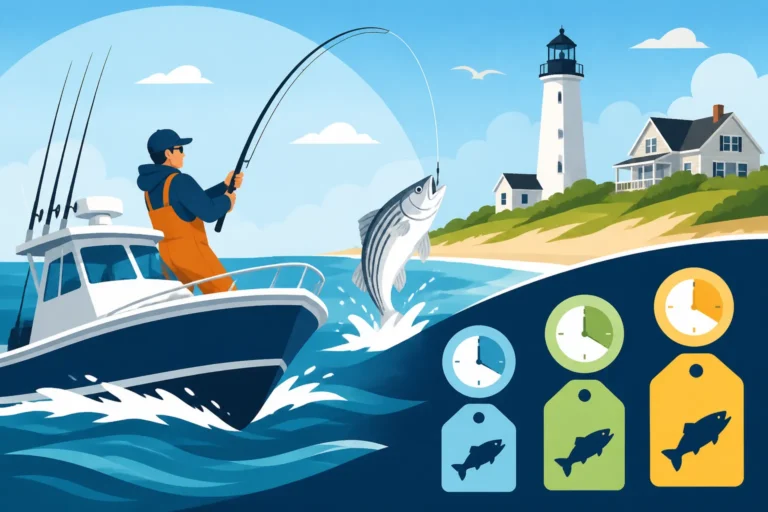
Kayak fishing guides on Cape Cod typically offer a range of trip options to suit different preferences, skill levels, and target species. Most commonly, you'll find half-day trips (typically 4-5 hours) and full-day trips (6-8 hours). Half-day excursions are great for beginners, families, or those looking for a focused session on a specific species in a localized area. Full-day trips allow for more exploration, potentially targeting multiple species, or moving between different fishing grounds as conditions change.
The focus can vary too. Some guides specialize in light tackle sight fishing for striped bass in the skinny water of estuaries and salt marshes, providing an incredibly visual and exciting experience. Others might focus on jigging for fluke or black sea bass over structure in slightly deeper, but still protected, waters. Some guides even offer fly-fishing specific kayak trips, combining the thrill of fly casting with the stealth of a kayak. Before booking, it’s always a good idea to discuss your expectations and skill level with the guide to ensure the trip aligns with what you're looking for. Platforms like FishingBooker often list detailed descriptions of what each guide specializes in, making it easier to find a match. For example, if you're specifically interested in hunting a certain fish, reading up on Striped Bass Fishing in Massachusetts or Fluke Fishing in Massachusetts might help you decide your target.
How to Find the Right Kayak Fishing Guide for Your Cape Cod Adventure
Finding the perfect kayak fishing guide for your Cape Cod adventure is key to a memorable experience. It's not just about finding someone who knows the water, but someone who fits your style and expectations.
Online Platforms and Local Resources
The digital age has made finding guides much easier than in the past. Online booking platforms are a fantastic starting point. Websites like FishingBooker, for instance, specialize in connecting anglers with local guides and charters worldwide. You can often filter by location (Cape Cod), type of fishing (kayak fishing), target species, and even read reviews from previous clients. These platforms usually provide comprehensive profiles for each guide, detailing their experience, what’s included in the trip, and pricing structures. They also offer a convenient way to compare multiple guides side-by-side.
Beyond online platforms, local resources are still incredibly valuable. A quick search for "Cape Cod kayak fishing guides" will likely pull up individual guide websites and local outfitters that specialize in kayak rentals and tours. Don't underestimate the power of word-of-mouth either. If you know anyone who has fished the Cape, ask for recommendations. Local bait and tackle shops on Cape Cod are also treasure troves of information. Pop into a shop in Falmouth, Orleans, or Chatham, explain what you’re looking for, and chances are they can point you to a reputable guide or at least give you a few names. These local experts often have direct relationships with guides and can offer insights you won't find online.
What to Look For in a Guide
When sifting through your options, consider a few critical factors to ensure you pick a great match. Experience is paramount. Look for guides with years of specific kayak fishing experience on Cape Cod waters. This local expertise means they understand the nuances of the tides, currents, and fish behavior unique to the area. A guide who primarily leads powerboat trips might not have the same specialized knowledge of kayak fishing techniques and safety protocols.
Safety should also be a top priority. A professional guide will be fully licensed and insured, and prioritize your safety above all else. This includes providing well-maintained equipment, a thorough safety briefing, and demonstrating knowledge of first aid and emergency procedures. Don't hesitate to ask about their safety record and what measures they take. Look for guides who emphasize a catch-and-release philosophy, especially for sensitive species, or who can expertly clean and prepare any keepers you decide to take home. Finally, consider their communication style and personality. You'll be spending several hours with this person, so a guide who is patient, a good teacher, and fun to be around will make the experience much more enjoyable, regardless of the catch count.
Questions to Ask Before You Book
Before you commit, asking the right questions can clarify expectations and ensure a smooth trip. Here’s a list of essential queries:
| Category | Questions to Ask |
|---|---|
| Experience | How long have you been guiding kayak fishing on Cape Cod? |
| What areas do you typically fish? | |
| Logistics | What’s included in the trip price (kayak, gear, bait, license)? |
| Do I need a Massachusetts Saltwater Recreational Fishing Permit Explained or freshwater license? | |
| What is the typical duration of the trip? | |
| What species do you primarily target this time of year? | |
| Safety | What safety equipment do you provide? |
| What is your protocol for bad weather or emergencies? | |
| Are you CPR and First Aid certified? | |
| Comfort/Prep | What should I wear/bring (sunscreen, snacks, water, rain gear)? |
| What is your cancellation policy? | |
| How many anglers do you take at a time? | |
| Can I keep my catch, and do you clean it? |
These questions will help you gauge their professionalism, expertise, and whether their service aligns with your specific needs. For instance, if you're concerned about licensing, ask if they handle the How to Buy a Massachusetts Fishing License Online process or if you need to secure it beforehand. It's important to remember that most recreational fishing permits for individuals are not typically included in a guide's fee, but your guide should be able to clarify.
What to Expect on Your Guided Kayak Fishing Trip
Stepping onto the launch point with a kayak fishing guide on Cape Cod is an exciting moment. Knowing what to expect can help ease any nerves and allow you to fully immerse yourself in the experience.
Gear, Safety, and Instruction
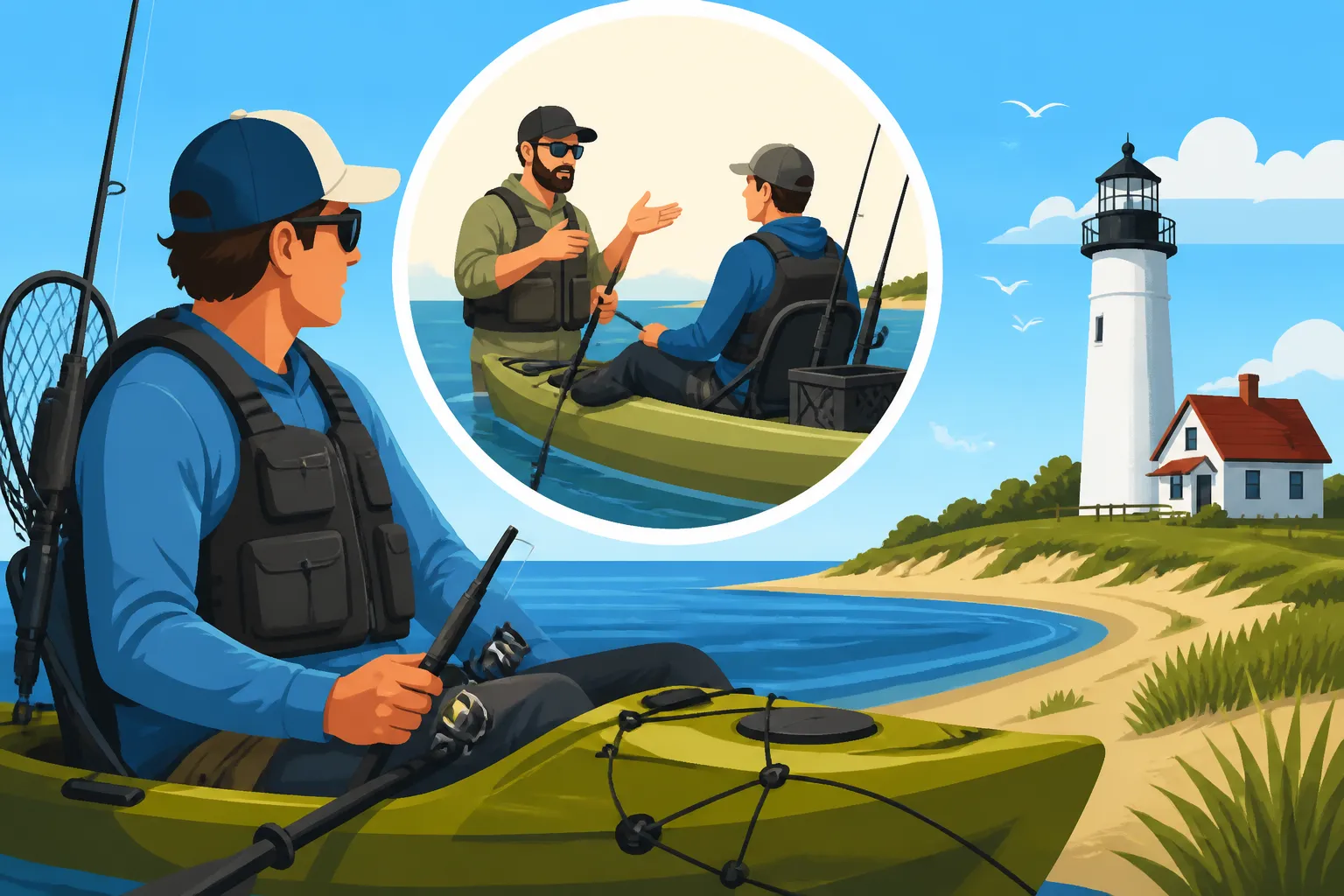
From the moment you arrive at the designated launch location, your guide will take charge. They'll have all the necessary gear prepped and ready: the kayak, paddle, a properly fitted PFD (personal flotation device), and often a fully rigged fishing setup including rods, reels, lures, and bait. They’ll start with a comprehensive safety briefing, covering everything from how to properly wear your PFD, what to do if you capsize (it's rare with modern fishing kayaks, but good to know!), and how to communicate effectively on the water. This is where you can ask any lingering questions about self-rescue or what to do if conditions change.
Next comes the instruction. If you're new to kayaking, the guide will demonstrate basic paddling techniques, how to launch and land safely, and how to maintain balance while casting and fighting fish. Don’t worry if you feel a bit wobbly at first; modern fishing kayaks are incredibly stable. They'll then move on to fishing instruction, explaining the target species, effective casting methods for the conditions, and how to work various lures or baits. They might show you how to read the water for signs of fish, explain the importance of tidal flow, or offer tips on setting the hook or fighting a strong fish from a seated position. It’s a dynamic, hands-on learning environment, ensuring you feel comfortable and confident throughout the trip.
Target Species and Prime Locations
The beauty of kayak fishing on Cape Cod with a guide is the ability to target specific fish in their prime habitats. Your guide will assess the time of year, weather conditions, and recent fishing reports to determine the best strategy. During the warmer months, you might find yourself exploring shallow bays and estuaries, sight fishing for eager striped bass, or perhaps casting for bluefish in slightly deeper channels. These protected waters are perfect for kayak fishing, offering shelter from strong winds and currents while providing excellent opportunities for a variety of species.
As the season progresses, or if conditions allow, you might venture to more open, yet still relatively calm, areas of Nantucket Sound or Buzzards Bay to target bottom dwellers like fluke or black sea bass. These trips often involve drifting over sandy or rocky bottoms, jigging with bait or artificial lures. Some guides even specialize in freshwater kayak fishing on the Cape's numerous ponds, chasing largemouth bass, pickerel, or trout. The guide’s expertise means you'll be fishing in productive waters that might be inaccessible or unknown to the average angler, maximizing your chances of a great catch. Whether you're interested in How to Catch Striped Bass in Massachusetts or How to Catch Largemouth Bass in Massachusetts, your guide will tailor the experience.
Maximizing Your Experience and Safety on the Water
A guided kayak fishing trip on Cape Cod is an incredible opportunity, but a little preparation on your part can make it even better. Thinking ahead about what to bring and how to stay safe ensures a smooth, enjoyable, and memorable outing.
Preparing for Your Trip
Even though your guide provides most of the heavy gear, there are a few personal items that will significantly enhance your comfort and overall experience. First, dress in layers. Cape Cod weather, especially near the water, can be notoriously changeable. What starts as a cool morning can quickly turn into a warm, sunny day, or vice-versa. Quick-drying, synthetic fabrics are always a good choice. Sun protection is non-negotiable: a wide-brimmed hat, polarized sunglasses (essential for spotting fish and protecting your eyes from hooks), and plenty of high SPF sunscreen will save you from a nasty sunburn.
Bring plenty of water to stay hydrated, and some snacks to keep your energy up. Fishing can be surprisingly tiring, especially when you're also paddling. A waterproof bag for your phone, camera, and any other personal items is also a smart idea. While your guide will provide a PFD, some anglers prefer to bring their own if they have a favorite, comfortable vest – just ensure it's Coast Guard approved. Don't forget to charge your phone the night before so you can snap plenty of photos of your catches! Also, remember to confirm with your guide if you need to purchase your own Massachusetts Fishing License Requirements by Age beforehand, as this is typically the angler's responsibility.
Essential Safety Considerations
Your guide is your primary safety net, but understanding and adhering to essential safety considerations is everyone's responsibility. Always listen attentively to your guide's instructions and follow them without hesitation. This includes staying within designated areas, maintaining a safe distance from other boats, and understanding hand signals or verbal cues. The ocean's conditions can shift rapidly, and your guide is constantly monitoring for changes in weather, wind, and currents.
Never stand up in a kayak unless explicitly instructed to by your guide, or if you're on extremely stable ground. While fishing kayaks are stable, standing significantly increases your risk of capsizing. Always wear your PFD correctly; it’s not just a suggestion, it’s a life-saving device. If you feel unwell, whether it's seasickness or just fatigue, communicate it immediately to your guide. They can adjust the trip, find a calmer spot, or head back to shore if necessary. By being proactive and communicative, you contribute to a safe and enjoyable trip for everyone, allowing you to fully appreciate the stunning beauty and incredible fishing opportunities that Cape Cod offers. Massachusetts Ice Fishing Safety and Ice Thickness is a totally different set of rules, but the principle of safety first remains paramount in any fishing scenario.
Disclaimer
This article is for general informational purposes only and does not constitute professional advice. Laws, prices and regulations vary by location and change over time. Consult a qualified professional for guidance on your specific situation.