Is Alcohol Allowed on Massachusetts Fishing Charters?
It's a beautiful thought, isn't it? Picture this: you're out on the sparkling Massachusetts waters, the sun is shining, the lines are in, and you've got a cold beverage in hand, enjoying the company of friends or family. For many of us, a fishing charter sounds like the perfect blend of sport and relaxation. But when it comes to bringing alcoholic drinks onboard, things can get a little murky. This guide is here to clear up the confusion, helping you understand the rules and expectations so your Massachusetts fishing trip is enjoyable, safe, and entirely within the bounds of good conduct.
The Nuance of Alcohol on Massachusetts Fishing Charters
Let's be real: when you book a fishing charter, you're looking forward to a great time. For some, that might include responsibly enjoying an adult beverage. However, unlike going to a restaurant where alcohol policies are usually straightforward, fishing charters operate in a unique environment with specific considerations. The primary concern is always safety, and that's where the nuances come in.
Understanding Captain's Discretion
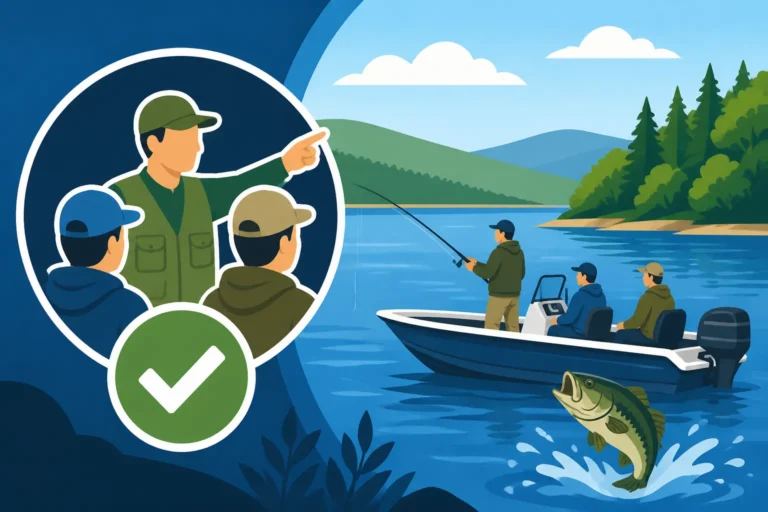
Here's the golden rule you absolutely need to remember: the captain of your fishing charter has the final say on everything that happens on their vessel, including whether alcohol is permitted and to what extent. This isn't just a suggestion; it's a legal and professional responsibility. Their word is law when you're on their boat. Think about it: they are responsible for your safety, the safety of their crew, and the integrity of their vessel. An intoxicated passenger can quickly turn a fun day into a dangerous situation, especially on the open water where conditions can change rapidly.
This discretion means that even if a charter theoretically allows alcohol, a captain can, and will, cut off service or ask someone to stop drinking if they feel it's becoming an issue. They might observe signs of intoxication, disruptive behavior, or a passenger simply not following their instructions. I’ve heard countless stories from captains who've had to make tough calls because a few people took it too far. It's never about ruining someone's fun, but about ensuring everyone's well-being. So, while you might be allowed to bring a six-pack, a captain reserves the right to make an on-the-spot judgment call. Always respect it.
Why Rules Vary So Much
You might call one charter and hear "no problem, bring beer and wine," then call another and be told "absolutely no alcohol allowed." This isn't random; there are several legitimate reasons why policies can differ wildly between charters.
Firstly, the type of charter itself plays a huge role. A family-friendly half-day trip might have stricter rules than a private, offshore tuna excursion with a group of experienced anglers. Some charters specialize in corporate outings or bachelor parties where the expectation of alcohol is higher, but even then, limits are usually in place. The vessel's licensing, insurance policies, and even the captain's personal comfort level are significant factors. For instance, a captain who primarily runs kid-focused trips might have a zero-tolerance policy to maintain a safe and wholesome atmosphere. Conversely, a captain with a more "party boat" style might be more lenient but will still enforce strict consumption limits. Secondly, the specific waters you're fishing can influence rules. While Massachusetts doesn't have a blanket ban on alcohol on private recreational boats, some specific bodies of water or harbor authorities might have their own local ordinances. Always check with your charter directly, or look for details on platforms like FishingBooker where captains often list their specific rules.
Common Policies and What to Expect
Understanding the range of policies will help you prepare and avoid any awkward surprises when you step aboard. Most charters fall into one of three categories regarding alcohol.
BYOB Bring Your Own Beverage Policies
Many Massachusetts fishing charters operate under a BYOB (Bring Your Own Beverage) policy. This is often the most common scenario for private charters. However, "BYOB" doesn't mean "anything goes." Typically, this implies beer and wine are acceptable, and often in moderation. Hard liquor is frequently prohibited due to its higher alcohol content and the quicker rate at which it can lead to intoxication, which is a major safety concern on a moving boat. Think about how quickly a small wave can turn into a serious stability issue when you're already feeling wobbly.
When a charter has a BYOB policy, it usually comes with unspoken (or sometimes very explicit) expectations about responsible consumption. It means:
- No Glass Bottles: For safety, most charters prefer or even require aluminum cans or plastic bottles. Broken glass on a rocking boat is a huge hazard.
- Moderate Consumption: The idea is to relax and enjoy, not to get intoxicated.
- Respect for the Vessel and Crew: You are a guest on their boat. Drunken behavior is disrespectful and can lead to immediate termination of the trip.
Always clarify what "BYOB" means to your specific captain. Don't assume. A quick call or email before you book can save a lot of headaches later.
"No Alcohol" Charters
While less common for private charters, some Massachusetts fishing charters maintain a strict "no alcohol" policy. This isn't meant to be buzzkill; it's almost always rooted in safety, liability, or the captain's personal philosophy. Some captains prefer to avoid any potential risks associated with alcohol consumption, especially if their insurance premiums are tied to such policies, or if they primarily cater to families and children.
These "no alcohol" policies are often more prevalent on larger "head boats" or "party boats" where a single captain and crew are responsible for a much larger group of people. Managing many individuals, some of whom might not know each other, can be significantly more challenging if alcohol is involved. If a charter explicitly states "no alcohol," respect that rule. Trying to sneak it on board is a surefire way to get yourself and your group in trouble, potentially leading to immediate removal from the boat without a refund. It's a risk simply not worth taking.
Responsible Consumption Guidelines
Even when alcohol is permitted, responsible consumption is paramount. This isn't just about adhering to the captain's rules; it's about common sense and ensuring everyone has a good time. Remember that boating under the influence (BUI) is a serious offense in Massachusetts, just like driving under the influence. The captain is obligated to operate a safe vessel, but as a passenger, you also have a responsibility for your actions.
Think about it: the sun, the rocking motion of the boat, and the excitement of fishing can all amplify the effects of alcohol. What feels like a mild buzz on land can quickly become significant impairment at sea. Stay hydrated with plenty of water, pace yourself, and consider alternating alcoholic drinks with non-alcoholic ones. If you feel yourself getting tipsy, switch to water. Your fellow anglers, the captain, and your future self will thank you for it. Keeping things mellow and enjoyable means everyone gets to focus on catching fish and making memories. This is crucial advice, particularly when planning your day on the water, so do keep in mind What to Bring on a Massachusetts Fishing Charter.
The Practicalities of Bringing Alcohol Onboard
So, you've confirmed that your charter allows alcohol. Great! Now, let's talk about the practical side of bringing it aboard to ensure a smooth and enjoyable trip for everyone.
Choosing the Right Beverages and Containers
As mentioned, glass is generally a no-go. Stick to cans of beer or seltzers, or plastic bottles of wine or pre-mixed drinks (if hard liquor is permitted by your captain). Cans are safer, easier to store, and less likely to cause a hazard if dropped. Many anglers will also bring soft drinks, juice, and plenty of water in coolers, which are always a good idea. Hydration is key to avoiding seasickness and mitigating the effects of any alcohol.
Consider the quantity too. This isn't a land-based party. Overpacking a cooler with excessive amounts of alcohol signals an intent that most captains won't appreciate. Aim for a reasonable amount that allows for moderate enjoyment throughout your trip. If you're unsure how much is "reasonable," err on the side of less. You're there to fish, after all! If you're looking for charters, using platforms like FishingBooker can often provide specific details on what each captain prefers.
Important Considerations for Safety and Respect
Bringing alcohol onto a charter means you're taking on extra responsibility. Here are a few things to keep in mind:
- Seasickness: Alcohol and seasickness do not mix well. If you're prone to motion sickness, consuming alcohol will almost certainly make it worse. Seriously, skip the booze until you're on solid ground. This is one area where empathy is key – nobody wants to spend their trip feeling miserable or, worse, getting sick all over the deck. If you're concerned about rough water, read up on How rough the water gets on tuna charters even if you're on an inshore trip.
- Balance and Movement: Boats move. Even on a calm day, there's a constant rocking motion. Alcohol impairs your balance, making it easier to slip, trip, or fall overboard. Accidents can happen quickly.
- Respecting Others: Your charter might include other anglers, or even people from your own group who prefer not to be around heavy drinking. Keep your consumption quiet and don't let it interfere with anyone else's experience. This includes keeping noise levels down and not being boisterous.
- Cleanliness: Pack out what you pack in. Don't leave empty cans or bottles strewn about the boat. Use the provided trash receptacles, or better yet, bring a small trash bag for your own refuse. A captain who sees their vessel respected is more likely to be lenient in the future.
How to Confirm Policies Before Booking
This is perhaps the most important step. Never assume. The best way to avoid any misunderstandings or disappointment is to directly ask the charter captain or booking agent about their alcohol policy before you book your trip.
When you're making inquiries, be direct and clear. For example, you could ask:
- "Are we allowed to bring alcoholic beverages on board?"
- "If so, are there any restrictions on type (beer/wine vs. hard liquor) or quantity?"
- "Do you prefer cans over bottles?"
Many charter listings on sites like FishingBooker will specify their policies, but a quick confirmation call is always a good idea. This proactive approach shows respect for the captain and their vessel, and it ensures you have all the information you need for a fantastic day on the water. It also helps you clarify other details, like How many people can go on a Cape Cod charter boat or What's included in a full-day charter price.
Potential Consequences of Ignoring Alcohol Rules
While we all hope for smooth sailing, it's crucial to understand what might happen if you or someone in your group chooses to disregard the charter's alcohol policy or consumes alcohol irresponsibly. These aren't just hypothetical scenarios; captains take these situations very seriously.
Immediate Actions by the Captain
A charter captain has absolute authority while at sea. If they observe excessive alcohol consumption, disruptive behavior, or a violation of their stated policies, they can take immediate and decisive action. This could include:
- Cutting off alcohol consumption: The captain or crew might ask you to stop drinking and confiscate any remaining alcohol.
- Returning to port early: For severe infractions or if safety is compromised, the captain has every right to terminate the trip and return to the dock, regardless of how much time is left on your booking. This means your expensive charter trip could be cut short, and you will likely forfeit your payment. This is not a fun conversation to have, especially if it was one person's actions that ruined the trip for everyone else.
- Notifying authorities: In extreme cases, such as threats to safety, property damage, or unlawful behavior, the captain may contact the Coast Guard or local law enforcement. This can escalate quickly from a ruined fishing trip to serious legal trouble.
I've known captains who are very understanding, but they also have a zero-tolerance policy for behaviors that endanger their vessel or their passengers. Their primary job is safety, and they will enforce it.
Legal Implications and Liability Concerns
Beyond the immediate actions of the captain, there can be significant legal ramifications for irresponsible alcohol consumption on a boat in Massachusetts.
- Boating Under the Influence (BUI): Just like driving, operating a boat while intoxicated is illegal. While you might not be operating the vessel, if your behavior leads to an accident or injury, and you are found to be under the influence, you could face charges. Penalties for BUI can be severe, including fines, loss of boating privileges, and even jail time.
- Personal Injury and Liability: If an intoxicated individual causes an accident on board – perhaps falling and injuring themselves or another passenger – there can be significant liability issues. The charter company's insurance might not cover incidents that arise from a passenger's negligence due to intoxication, potentially leaving the individual responsible for medical costs or damages. This is a complex area, but it underscores why captains are so strict about alcohol policies. They are trying to protect everyone, including themselves and their business, from these kinds of situations.
- Impact on Future Bookings: Word travels fast within the charter community. If you gain a reputation for being a problematic guest due to alcohol, it can become incredibly difficult to book future trips with reputable captains.
To ensure your trip is memorable for all the right reasons, it's best to err on the side of caution. Confirm the rules, bring appropriate beverages in moderation, and always prioritize safety and respect for everyone on board. It’s always good practice to know the basics about your trip, so checking out things like Massachusetts Charter Fishing Cancellation Policies beforehand helps you understand the commitment you’re making.
Table of Alcohol Policy Quick Guide
| Policy Type | General Description | Typical Restrictions | Key Action for Anglers |
|---|---|---|---|
| BYOB | Allowed to bring your own alcohol | Often restricted to beer/wine, no glass containers | Always confirm with captain on types & quantity |
| No Alcohol | Strictly prohibited | No alcohol of any kind permitted on board | Do not bring any alcohol; respect the rule |
| Captain's Discretion | Captain makes final decision, regardless of other rules | Can override BYOB, enforce moderation, terminate trip | Follow captain's instructions instantly |
Remember, while this table gives a general overview, the captain's word is always supreme on their vessel.
Disclaimer
This article is for general informational purposes only and does not constitute professional advice. Laws, prices and regulations vary by location and change over time. Consult a qualified professional for guidance on your specific situation.