Whether you can bring your own beer on a charter boat
It's a common question for anyone looking to enjoy a day out on the water in Massachusetts: can you bring a few cold beers to enjoy while reeling in striped bass or cod? The answer isn't always a straightforward "yes" or "no," and it can lead to some awkward moments if you don't know the rules beforehand. This guide will help you navigate the ins and outs of bringing alcohol on a Massachusetts fishing charter, ensuring your trip is smooth, safe, and above all, successful.
The Core Question: Can You Bring Your Own Beer on a Massachusetts Fishing Charter?
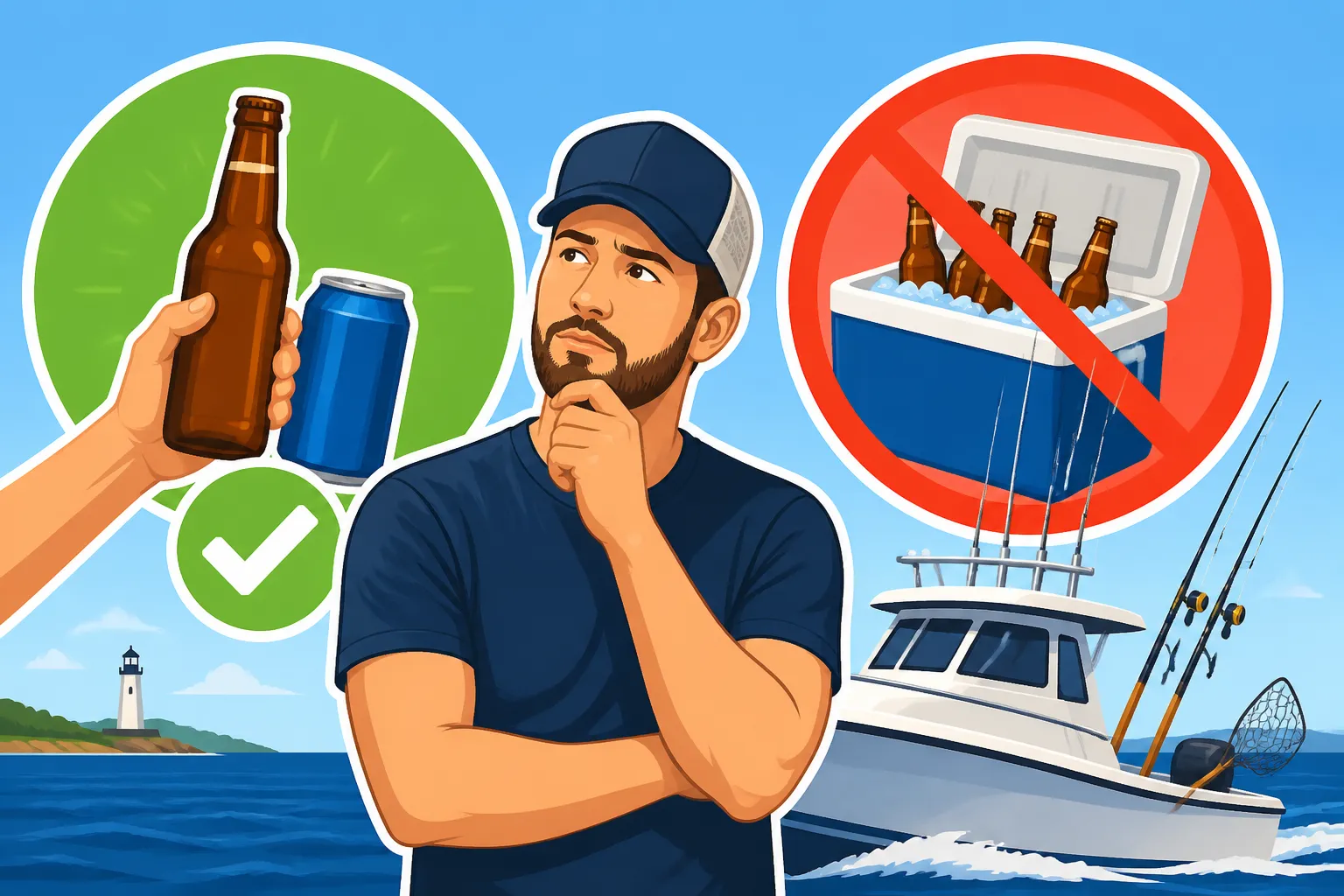
Alright, let's get right to it. You're picturing a sunny day, the salty air, a bend in the rod, and a frosty beverage in hand. It's a classic image, right? But when it comes to Massachusetts fishing charters, the reality is that whether you can bring your own beer, wine, or spirits aboard depends almost entirely on the individual charter captain and their specific vessel's policies. There's no blanket state law that prohibits alcohol on all recreational charters, but there are layers of regulations and professional discretion at play.
It's All About the Captain's Discretion and Federal Regulations
While Massachusetts state law doesn't explicitly ban alcohol on private recreational fishing charters, federal regulations, specifically those enforced by the U.S. Coast Guard (USCG), give the captain immense authority. As the master of the vessel, the captain is ultimately responsible for the safety of everyone on board, the boat itself, and its operation. This means they have the final say on what's allowed and what isn't, including alcohol.
Think of it like this: your captain isn't just a guide; they're a licensed professional operating under a strict set of rules. If a passenger becomes intoxicated and causes a safety hazard—falls overboard, injures themselves or others, or interferes with the boat's operation—the captain is held accountable. Because of this serious responsibility, many captains err on the side of caution. Some might have a zero-tolerance policy for alcohol, choosing to run a "dry" boat to eliminate any potential risks. Others might permit moderate consumption, especially on longer, more relaxed trips, but always reserve the right to cut off service or even end the trip if consumption becomes excessive or unsafe. It’s not about being a spoilsport; it’s about ensuring everyone gets back to shore safely. It's a bit like the rules you'd expect to find in the Massachusetts Fishing Regulations Pamphlet, Explained – you need to know them to avoid issues.
Factors Influencing a Charter's Alcohol Policy
So, what makes one charter allow a cooler of adult beverages while another insists on strictly non-alcoholic drinks? Several factors come into play:
- Type of Trip: A family-friendly half-day inshore trip might have a different policy than a multi-day offshore tuna expedition or a bachelor party outing. Charters catering to a more relaxed, celebratory crowd might be more lenient, while those focused on serious big-game fishing might want all hands on deck, fully alert.
- Length of Trip: On a quick 4-hour trip, a couple of beers might be fine. On an 8-12 hour deep-sea adventure, the cumulative effect of alcohol, combined with sun and sea motion, can be much more significant, leading captains to be stricter.
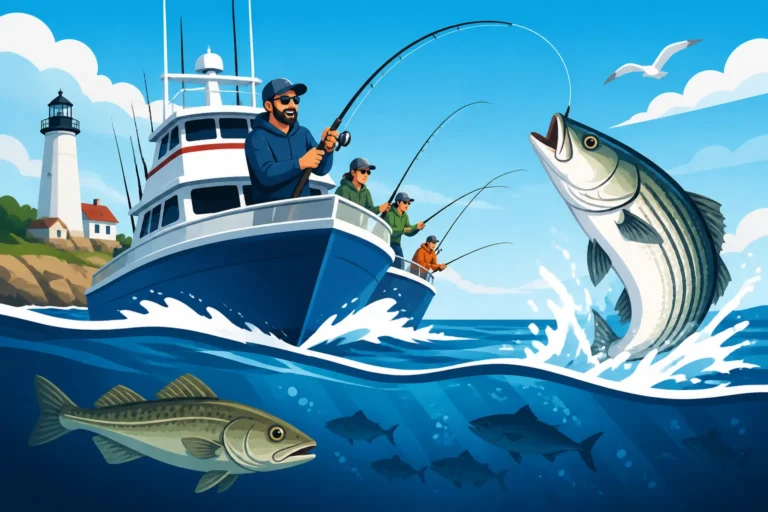
- Target Species and Fishing Style: If you're going for calm bottom fishing for flounder, the atmosphere might be more relaxed. But if you're jigging for bluefin tuna or fighting a big striped bass, where quick reflexes and clear communication are paramount, alcohol could be seen as a serious detriment to safety and success. Massachusetts Striped Bass Charters and Massachusetts Bluefin Tuna Charters often have very specific guidelines due to the intensity of the fishing.
- Vessel's Specific Licensing or Permits: In very rare cases, some larger vessels might operate under licenses that have stricter alcohol stipulations, or they might even have a liquor license themselves, meaning you absolutely cannot bring your own. Always check!
- Past Experiences: Unfortunately, many captains have stories of trips ruined by excessive drinking, leading them to implement stricter policies. One bad experience with an unruly passenger can lead to a captain adopting a "no alcohol" rule for all future trips. They're trying to protect their business and their peace of mind.
It's clear that there's a lot of gray area here, which is why your next step is crucial before you even think about packing that six-pack.
How to Confirm the Alcohol Policy Before You Book
The single most important piece of advice regarding alcohol on a Massachusetts fishing charter is this: never assume. What was allowed on your friend's charter last year, or on a boat you took in Florida, might not be the case for the charter you're considering this season in Massachusetts.
Don't Just Assume: Ask Direct Questions
The best way to avoid any awkwardness or disappointment on the day of your trip is to have a direct conversation with the charter captain or booking agent before you put down a deposit. When you're inquiring about booking a trip, make sure to ask:
- "Is alcohol permitted on board?"
- "Are there any limits on the amount or type of alcohol we can bring?"
- "Are there any restrictions on when or where we can consume it?"
- "Are coolers provided, or should we bring our own?"
Be clear and upfront. A good captain will appreciate your honesty and will be happy to explain their policy. If you use booking platforms like FishingBooker, you can often see specific charter details and even filter options, but a direct confirmation is always best. Don't be shy; it's a perfectly normal question. It's much better to know upfront than to show up with a cooler full of beer only to be told you have to leave it on the dock. Planning ahead is key, much like understanding How Many People Can Join a Massachusetts Charter or checking the Massachusetts Charter Fishing Cancellation Policies.
Reviewing the Charter's Online Policies and Terms
Many reputable fishing charters have detailed websites or listings on booking sites (like FishingBooker) where they outline their policies, including those related to alcohol. Before you even pick up the phone, take a few minutes to scour their FAQs, terms and conditions, or the "What to Bring" section.
A charter that explicitly states "no alcohol" or "beer and wine permitted in moderation" leaves no room for doubt. If a charter doesn't mention it at all, that's your cue to ask directly. Some charters might even offer certain beverages as part of their package, or have a small cooler with water and soft drinks, which can be a nice bonus. Remember, clarity prevents conflict, and you want your focus to be on landing fish, not on arguing about a beverage. Knowing what's included and what's not also helps you understand the overall Massachusetts Fishing Charter Costs.
Here’s a quick overview of general tendencies when it comes to alcohol and charter types, but remember, always confirm with your specific captain!
| Charter Type | Typical Trip Duration | Common Alcohol Policy Tendency | Important Considerations |
|---|---|---|---|
| Inshore Fishing Charters | Half-day (4-6 hours) | Often permitted, moderate | Keep it light, focus on fishing. Captain's discretion is paramount. |
| Offshore/Bluefin Tuna Charters | Full-day (8-12+ hours) | More restrictive, sometimes dry | Intense fishing, potential motion sickness, long day. Safety is a major concern. |
| Party/Head Boats | Half-day (4-6 hours) | Usually no BYOB, may have cash bar | Large groups, specific boat rules apply. Check for onboard sales. |
| Specialty Trips (Fly/Kayak) | Half-day (4-6 hours) | Generally discouraged/dry | Focus on technique, active participation, high level of concentration. |
| Family-Focused Charters | Half-day (4-6 hours) | Often dry or very limited | Prioritize children's safety and comfort. |
This table is a guideline, not a rulebook. Your individual captain’s word is the ultimate authority.
Responsible Consumption and Why It Matters on the Water
Even if your charter captain gives you the green light to bring adult beverages, the responsibility to consume them safely and in moderation falls squarely on you and your group. A fishing trip is a fantastic way to relax and have fun, but the marine environment demands a certain level of awareness and caution that's different from, say, a backyard barbecue.
Safety First: The Captain's Ultimate Priority
On a boat, especially one that's rocking and rolling on the open ocean, the risks associated with intoxication are amplified. A simple stumble on land can be a dangerous fall on deck, potentially leading to serious injury or even going overboard. Dehydration, sun exposure, and motion sickness can also compound the effects of alcohol, turning a pleasant buzz into a debilitating illness.
Your captain's job is to ensure everyone's safety. If they observe excessive drinking, unruly behavior, or any signs that alcohol is creating a hazard, they have every right – and indeed, a professional obligation – to intervene. This could mean asking you to stop drinking, confiscating alcohol, or, in extreme cases, terminating the trip early and returning to port. Nobody wants their fishing adventure cut short because of poor judgment. Respecting the captain's authority in this regard is non-negotiable. After all, the ocean can be an unforgiving place, and even seemingly minor infractions can have serious consequences, much like the Penalties for Fishing Without a License in Massachusetts.
Avoiding Problems: Tips for a Smooth Trip
To ensure your trip is enjoyable and hassle-free, even if you're allowed to bring beer:
- Stay Hydrated (Water is Key!): For every alcoholic drink, try to have a glass of water. The sun and sea air can quickly lead to dehydration, and alcohol only makes it worse. Many charters provide water, or you can bring plenty yourself, which is a good item to include in your What to Bring on a Massachusetts Fishing Charter list.
- Know Your Limits: This isn't the time or place to test them. Understand how alcohol affects you, especially when combined with factors like motion, sun, and excitement.
- Respect the Captain and Crew: They are the professionals, and their instructions are for your safety. A friendly, respectful attitude goes a long way.
- Consider Non-Alcoholic Alternatives: There are so many fantastic non-alcoholic beers, ciders, and sparkling beverages available now. These can provide the refreshing taste you're looking for without any of the risks or concerns.
- Designate a "Safety Monitor": If you're with a group, perhaps one person can commit to lighter drinking to keep an eye on everyone and ensure things don't get out of hand.
What to Do If Alcohol Isn't Permitted (or Limited)
So, you've done your due diligence, and the charter you really want to book has a strict "no alcohol" policy. Or maybe they allow it, but you prefer to keep your mind completely sharp for fishing. Don't let this dampen your spirits! A fishing trip is about the experience of the ocean, the thrill of the catch, and the camaraderie of those you're with.
Respecting the Rules and Finding Alternatives
First and foremost, if your captain says no, then it's a firm no. Arguing or trying to sneak alcohol on board is a recipe for a bad experience, potentially costing you your trip and damaging the captain's reputation. Respect their rules; they are there for everyone's safety and enjoyment.
If a dry boat is truly a deal-breaker for you, then use the information you gathered while Booking a Fishing Charter on Cape Cod to find a charter that does permit alcohol. Platforms like FishingBooker often allow you to see or inquire about amenities and policies directly, helping you filter for boats that align with your preferences. Remember to ask those direct questions we discussed earlier.
Alternatively, consider the value of a completely sober fishing experience. You'll likely be more alert, more responsive to the captain's instructions, and more acutely aware of every bite and fight. For many anglers, the pure focus on the sport is exhilarating enough. It's a different kind of thrill, one that's about the fish, the fight, and the beauty of the Massachusetts coast.
Planning for Post-Fishing Celebrations
Just because you can't drink on the boat doesn't mean you can't celebrate a successful day of fishing! This can actually be a fantastic way to extend the fun and relax without any safety concerns.
- Local Waterfront Establishments: Massachusetts is dotted with incredible waterfront restaurants and pubs, especially in popular fishing towns like Gloucester, Plymouth, Chatham, and on Cape Cod. Imagine docking your boat, getting cleaned up, and then heading straight to a local spot to enjoy some fresh seafood and a cold drink while sharing stories of your catches.
- Your Own Lodging: If you're staying in an Airbnb or a hotel with a lounge, plan to bring back your catch (if permitted and within legal limits) and enjoy a celebratory meal with your preferred beverages in a relaxed, safe setting. This gives you something to look forward to after a long day on the water.
- Consider a Different Type of Boat: As mentioned in Choosing Between a Charter and a Party Boat, party boats (also known as head boats) sometimes have their own cash bars on board, which means you wouldn't need to bring your own. This could be an alternative if you prefer the social aspect of having a drink readily available.
Ultimately, the goal is to have a fantastic time fishing in Massachusetts. Whether that includes a beer on the boat or a celebratory drink on shore, knowing the rules and planning ahead will ensure your trip is memorable for all the right reasons.
Disclaimer
This article is for general informational purposes only and does not constitute professional advice. Laws, prices and regulations vary by location and change over time. Consult a qualified professional for guidance on your specific situation.