Importance of sunscreen for offshore charters
There’s nothing quite like the thrill of heading out on a Massachusetts offshore fishing charter. The vast expanse of the ocean, the salty air, the anticipation of a big catch – it’s pure magic. But with all that excitement, it’s easy to forget about one crucial piece of gear: sunscreen. Many anglers, myself included, have made the mistake of thinking a little bit of sun is no big deal, only to return to shore looking like a boiled lobster. Trust me, that stinging, peeling aftermath is not a badge of honor. This guide is all about making sure your offshore adventure is memorable for the right reasons, not for a painful sunburn.
Why Sunscreen is Non-Negotiable on Offshore Charters
When you're out on the open ocean, the sun isn't just "present" – it's a relentless, powerful force. It's a completely different ballgame than fishing a shaded freshwater pond or even a breezy beach. Offshore, you're exposed to a unique combination of factors that make sun protection an absolute must.
The Double Whammy: Sun and Reflective Surfaces
Think about it: when you're on land, there are trees, buildings, even clouds to offer some reprieve from direct sunlight. Out on an offshore charter, that simply isn't the case. You're surrounded by nothing but sky and water, and that water isn't just pretty to look at; it's a giant mirror bouncing those powerful UV rays right back at you.
This means you're not just getting hit by the sun from above; you're also getting a significant dose of reflected rays from below. It’s like being in a giant, open-air tanning booth, but without any of the control. The intensity of this reflected light can surprise even seasoned anglers. You might feel a cool breeze, masking the true heat of the sun, and before you know it, hours have passed, and your skin has taken a beating. These conditions are especially prevalent on Massachusetts Deep Sea Fishing Charters where you’re far from shore.
Understanding UV Rays and Skin Damage at Sea
The sun emits two primary types of ultraviolet (UV) radiation that affect our skin: UVA and UVB rays. Both are harmful, and both are amplified out on the water.
- UVA rays are primarily responsible for skin aging, wrinkles, and long-term skin damage. They penetrate deeper into the skin and contribute to skin cancer. They're present all day, every day, even on cloudy days.
- UVB rays are the main culprits behind sunburn. They have a shorter wavelength than UVA rays but are more intense and are strongest during the middle of the day. They also play a significant role in causing skin cancer.
When you're focused on the action – whether you're battling a powerful bluefin tuna or jigging for cod – it's easy to forget about the silent damage these rays are doing. Over time, cumulative sun exposure can lead to premature aging, sunspots, and, most seriously, an increased risk of skin cancer. We all want to make great memories on the water, but not at the expense of our health. Protecting your skin means you can enjoy many more fishing trips for years to come.
Choosing the Right Sunscreen for Offshore Adventures
Not all sunscreens are created equal, especially when it comes to the demanding environment of an offshore fishing charter. You need something robust, reliable, and specifically designed to stand up to sweat, spray, and those long hours under the relentless Massachusetts sun. When you're thinking about What to Bring on a Massachusetts Fishing Charter, the right sunscreen should be at the top of your list.
Deciphering SPF and Broad-Spectrum Protection
When you grab a bottle of sunscreen, the first thing you probably look at is the SPF number. SPF stands for Sun Protection Factor, and it indicates how well the sunscreen protects against UVB rays (the ones that cause sunburn). Here's a quick breakdown:
- SPF 15: Blocks about 93% of UVB rays.
- SPF 30: Blocks about 97% of UVB rays.
- SPF 50: Blocks about 98% of UVB rays.
- SPF 100: Blocks about 99% of UVB rays.
You might think an SPF of 100 is exponentially better than 30, but the truth is, the protection increase tapers off significantly. For offshore fishing, an SPF of 30 or higher is generally recommended, with many anglers opting for SPF 50 for that extra margin of safety during extended exposure. The key is consistent, thorough application, not just a super-high number.
Equally, if not more important, is choosing a "broad-spectrum" sunscreen. This means it protects you from both UVA and UVB rays. Remember, UVA rays are responsible for long-term skin damage and aging, even if they don't cause a noticeable sunburn right away. Always check the label to ensure it explicitly states "broad-spectrum protection."
Water Resistance: Your Best Friend on a Charter
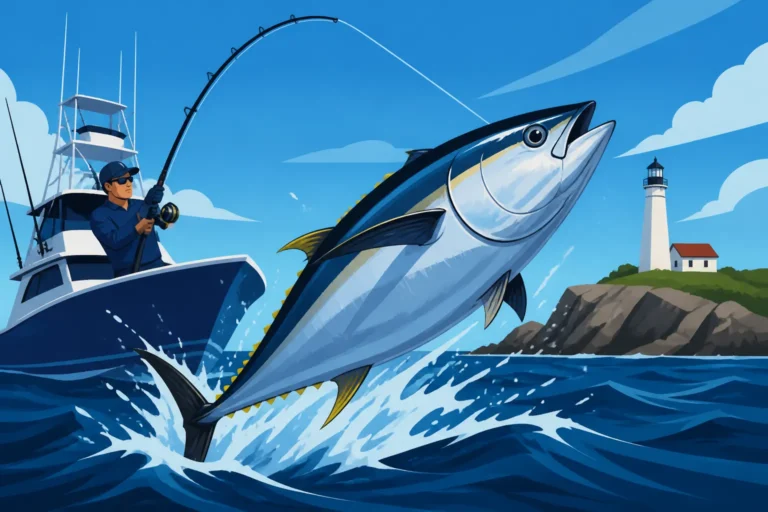
Imagine this: you’re out on a Massachusetts Bluefin Tuna Charters, the sun is beating down, and a rogue wave crashes over the bow, soaking you head to toe. Or maybe you're reeling in a monster striped bass, working up a serious sweat. A regular sunscreen that isn't formulated for water resistance will simply wash away, leaving your skin vulnerable.
This is where water-resistant sunscreens become indispensable. Look for labels that say "water resistant" (which means it maintains its SPF effectiveness for up to 40 minutes in water or sweat) or "very water resistant" (up to 80 minutes). For offshore fishing, always aim for "very water resistant." Even if you don't plan on jumping in the water, the constant spray from the ocean, combined with sweat from the physical exertion of fishing, will quickly compromise non-water-resistant formulas.
When selecting your sunscreen, consider the different formats:
- Lotions/Creams: These are often the most effective because you can see exactly where you're applying them and rub them in thoroughly. They tend to offer the best, most even coverage.
- Sticks: Great for targeted areas like your face, ears, nose, and lips. They're less messy and very convenient for quick touch-ups.
- Sprays: While convenient, sprays can be tricky. It's hard to tell if you've applied enough, and a lot of product can be lost to the wind before it even touches your skin. If you use a spray, make sure to apply generously, hold it close to your skin, and always rub it in afterwards to ensure even coverage. Many reputable captains listed on platforms like FishingBooker will even remind you about sun protection in their pre-trip communications, highlighting its importance.
Beyond the Bottle: Other Sun Protection Strategies
While a good broad-spectrum, water-resistant sunscreen is your first line of defense, it's really just one part of a comprehensive sun protection strategy for offshore fishing. Think of it as building a fortress against the sun – you need walls, a roof, and sometimes, even a strategic retreat. These extra measures become even more important on longer trips, such as those discussed in Cost of a 10-hour bluefin tuna trip.
Hats, Clothing, and Gear: Your Personal Shade
Layering up with sun-protective clothing might sound counterintuitive on a warm summer day, but trust me, it’s a game-changer. These items offer physical barriers that block UV rays more effectively and consistently than sunscreen alone.
- Wide-Brimmed Hats: A simple baseball cap won't cut it offshore. You need a hat with a full, wide brim that shades your face, ears, and neck. Some even come with an integrated neck flap for maximum coverage. Look for quick-drying materials.
- UV-Protective Clothing: This is perhaps the most underrated piece of gear. Performance shirts, long pants, and even gloves made with UPF (Ultraviolet Protection Factor) fabric are designed to block UV radiation. A shirt with a UPF rating of 50+ blocks 98% of UV rays. These fabrics are often lightweight, breathable, and moisture-wicking, so you'll actually feel cooler and more comfortable than if you were wearing a short-sleeve cotton shirt. Many brands offer great options specifically for anglers.
- Neck Gaiters/Buffs: These versatile pieces of fabric can be pulled up to cover your neck and face, protecting vulnerable areas that are often missed by sunscreen or hats. They're excellent for preventing windburn and sun exposure.
- Polarized Sunglasses: Beyond making it easier to spot fish by cutting glare, quality sunglasses with 100% UV protection are vital for safeguarding your eyes. Prolonged sun exposure can lead to cataracts and other eye damage. Polarized lenses are particularly helpful for reducing glare off the water, enhancing visibility.
You might feel a bit silly wearing a long-sleeve shirt or a full gaiter on a hot day, but your skin will thank you. Plus, many of these garments are designed to keep you cool, wicking away sweat and providing a physical barrier against the sun's heat.
Strategic Shade Seeking and Timing
While offshore charters generally mean less available shade than inshore fishing, it’s still worth being mindful of any opportunities you might have.
- Utilize Boat Shade: Many larger charter boats, especially those designed for Massachusetts Striped Bass Charters or tuna trips, will have a T-top over the helm or a small cabin. While you can't always fish from these shaded areas, they offer a crucial spot to retreat to for a few minutes to cool down, reapply sunscreen, and give your skin a break from direct sunlight. Don't be shy about asking the captain or crew if you can take a quick break in the shade.
- Peak Sun Hours: Generally, the sun's UV rays are strongest between 10 AM and 4 PM. Offshore charters often run during these peak hours, making protection even more critical. While you can't always avoid fishing during these times, being aware of them can prompt you to be extra diligent with your sunscreen and protective clothing. When booking a trip through services like FishingBooker, you can often inquire about the boat's amenities, including shade options, before committing to ensure you're well-prepared.
Practical Application and Reapplication Tips for a Day at Sea
Having the right sunscreen and protective gear is only half the battle. Knowing how to apply it correctly and, crucially, reapplying it throughout your trip is what truly ensures your protection. Without proper application, even the best sunscreen won't do its job.
The Right Way to Apply Sunscreen
This might sound obvious, but many people apply sunscreen incorrectly, which significantly reduces its effectiveness.
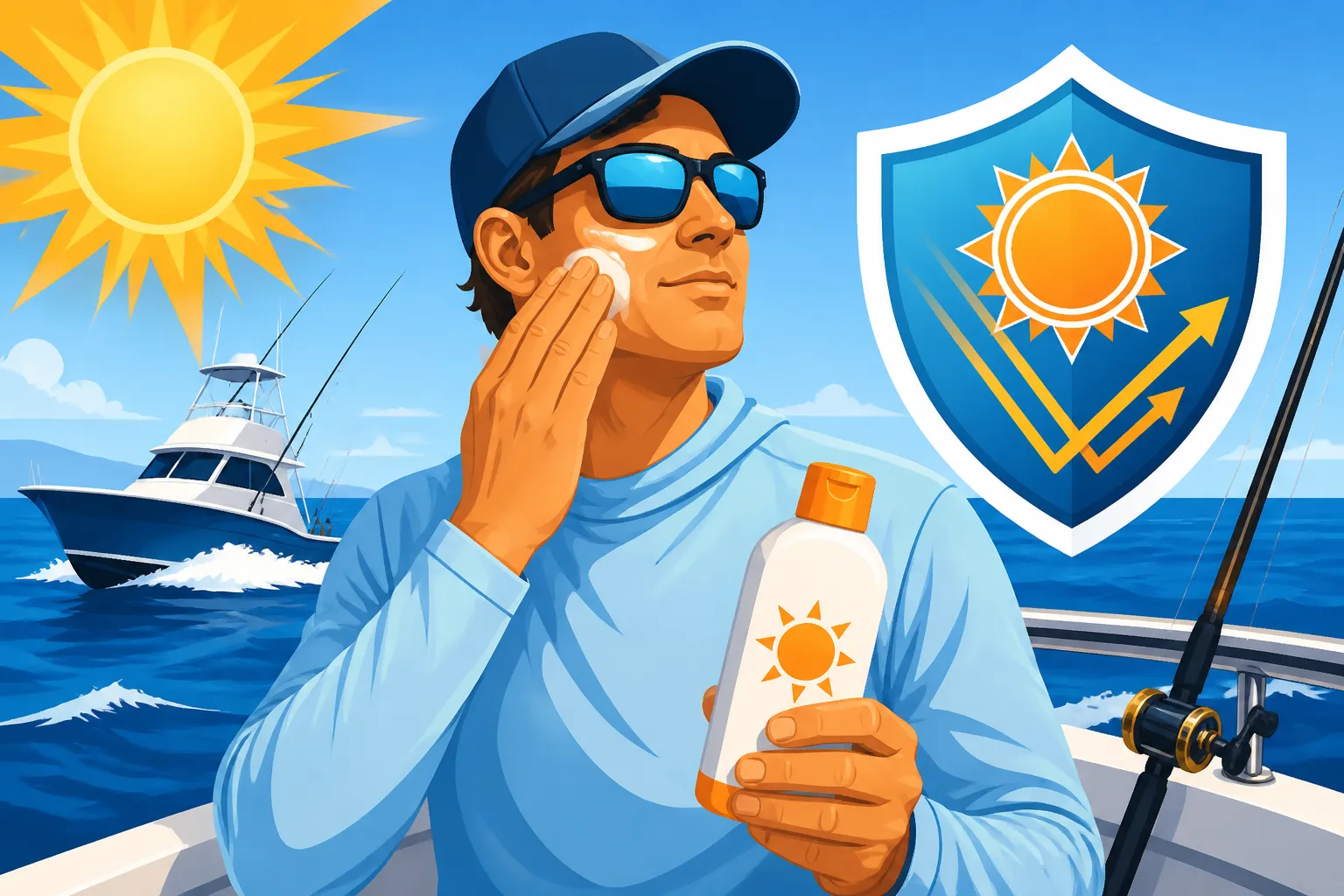
- Apply Before You Leave the Dock: Don't wait until you're already out on the water and the sun is beating down. Apply sunscreen at least 15-30 minutes before sun exposure. This allows the sunscreen to properly absorb into your skin and create that protective barrier before it's put to the test. Do it before you even leave your house or hotel, then top up on the boat.
- Be Generous: Most people don't use enough sunscreen. For an adult, a good rule of thumb is to use about a shot glass full (approximately one ounce) to cover all exposed skin. Don't skimp! A thin layer won't give you the protection advertised on the bottle.
- Cover All Exposed Areas: This includes easily forgotten spots that get a surprising amount of sun on the water:
- Ears: The tops of your ears are highly susceptible to sunburn.
- Neck: Especially the back of your neck, even with a hat.
- Scalp: If you have thinning hair or a receding hairline, apply sunscreen directly to your scalp or wear a wide-brimmed hat.
- Back of Hands: These are constantly exposed as you cast, reel, and handle fish.
- Tops of Feet: If you're wearing sandals or going barefoot (not recommended for safety on a boat, but it happens!), your feet need protection too.
- Lips: Use a lip balm with SPF.
- Enlist a Buddy: For those hard-to-reach spots, like your back or the back of your shoulders, don't be afraid to ask a fellow angler or a crew member for help. It’s better to get a little help than a nasty burn. Many of the experienced captains you find on FishingBooker will have spent countless hours on the water and can offer quick tips on applying sunscreen effectively, sometimes even having a spare bottle on board for emergencies.
Reapplication: The Key to Continuous Protection
This is where many anglers fall short. They apply once in the morning and think they're good for the day. But even "very water resistant" sunscreen eventually breaks down and loses its effectiveness.
- Frequency: Reapply sunscreen every two hours, without fail.
- More Often If:
- You’ve been sweating heavily (and you will be when battling a fish or in warm conditions).
- You’ve been splashed by ocean spray or taken a wave over the bow.
- You've used a towel to wipe sweat or water from your face.
- You've just landed a big fish and celebrated a bit too vigorously!
- Set Reminders: In the excitement of the catch, time can fly. Consider setting an alarm on your phone or watch to remind you to reapply every two hours. Make sure your sunscreen is easily accessible in your tackle bag or boat bag, so it’s not a chore to grab it.
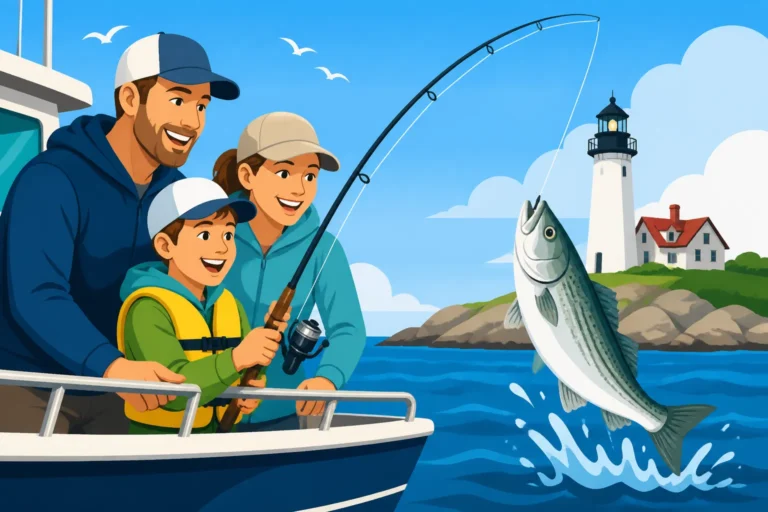
- Don't Forget the Kids: If you're bringing children on a Family-Friendly Fishing Charters in Massachusetts, their skin is even more delicate and prone to burning. Be extra vigilant with their sun protection, reapplying frequently.
After-Sun Care and Post-Trip Routine
Your sun protection efforts shouldn't end when you step off the boat. A little after-sun care can soothe your skin and help mitigate any minor exposure.
- Rinse Off: Once back ashore, rinse off any salt, sweat, and residual sunscreen.
- Moisturize: Apply an after-sun lotion with aloe vera to soothe and hydrate your skin. This can feel incredibly refreshing, especially if you have a slight pink tinge.
- Hydrate Internally: Drink plenty of water throughout the day, and continue to do so after your trip. Sun exposure, even with protection, can be dehydrating.
- Check for Burns: Take a moment to examine your skin for any spots you might have missed or areas that still got too much sun. Treat any burns with cool compresses, aloe vera, and pain relievers if needed.
By making sun protection a priority, you ensure that your Massachusetts offshore charter isn't just a successful fishing trip, but a comfortable and safe adventure for your skin too. After a successful trip booked through FishingBooker, make sure to take care of yourself as well as your catch!
Sunscreen Comparison for Offshore Fishing
Here's a quick look at the pros and cons of different sunscreen types for an offshore environment:
| Feature | Lotion/Cream | Stick | Spray |
|---|---|---|---|
| Application Control | High: Easy to see coverage, rub in evenly | Medium: Good for small areas, but can be hard to tell how much is applied | Low: Risk of uneven coverage, easy to miss spots |
| Visibility | Can leave a white cast, especially mineral formulations | Less visible than creams, but can still be seen | Generally clear, but requires rubbing for assurance |
| Water Resist. | Excellent for formulations specifically labeled "very water resistant" | Excellent for targeted protection, often very durable | Variable: Many types offer decent water resistance, but application issues can reduce effectiveness |
| Wind Impact | Minimal | Minimal | High: Product can blow away before reaching skin, reducing protection |
| Portability | Bottles can be bulky, prone to leakage | Excellent: Compact, pocket-sized | Cans can be bulky, aerosol concerns, may have flight restrictions |
| Offshore Pro | Best for initial, comprehensive coverage on large skin areas | Ideal for face, ears, neck, and quick, targeted touch-ups | Convenient for quick reapplication if applied carefully and rubbed in |
Remember, the best sunscreen is the one you will use consistently and correctly. So pack your preferred type, along with your hat, UPF clothing, and shades, and get ready for an amazing day of fishing off the Massachusetts coast!
Disclaimer
This article is for general informational purposes only and does not constitute professional advice. Laws, prices and regulations vary by location and change over time. Consult a qualified professional for guidance on your specific situation.