Whether you can fish for cod on a Massachusetts winter charter
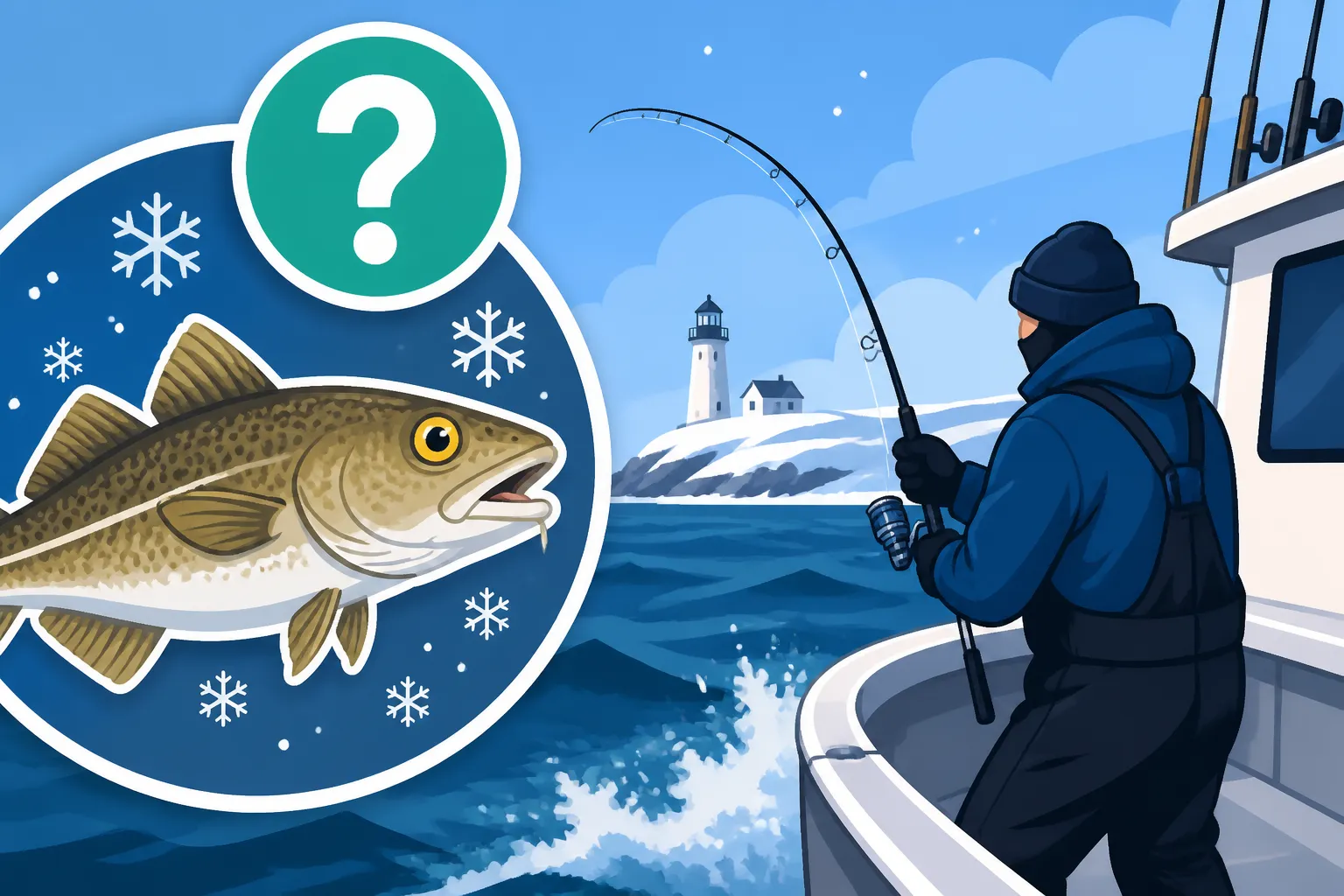
Oh, the dream of bundling up, heading out on a brisk Massachusetts winter morning, and landing a majestic cod! It's a vision many anglers hold, picturing the fight of a deep-sea fish in the raw, invigorating cold. While the romance of winter cod fishing from a charter boat certainly appeals, the reality for dedicated trips focused solely on cod can be a bit more nuanced than many hopeful anglers expect. This guide will walk you through what to realistically anticipate when considering a Massachusetts winter charter and whether chasing cod is a viable option.
The Reality of Winter Cod Fishing in Massachusetts
For generations, cod fishing in Massachusetts was a backbone of the maritime economy and a cherished pastime. The codfish was so abundant, it was practically synonymous with New England. However, the landscape of cod fishing has changed dramatically, making the prospect of dedicated recreational winter cod charters a complex one.
Historical Perspective on Cod Fishing
Back in the day, heading out into the cold Atlantic for cod was a rite of passage for many New Englanders. Boats would fill with eager anglers, and the docks would hum with the activity of filleting fresh catches. Cod were plentiful, regulations were different, and the sheer volume of fish made them a primary target species year-round. Grandparents and old salts often recount tales of "cod runs" where fish seemed to be everywhere, easily caught from shore or boat. This historical abundance built an expectation that still lingers today, making it tough for some to grasp the current situation. It's a stark contrast to what we experience now, where tales of yesteryear often feel like fishing legends rather than recent history. The memory of those bustling times fuels the desire to find that experience again, leading many to search for winter cod charters.
Regulatory Landscape and Stock Health
Unfortunately, the cod populations off the New England coast have faced significant challenges over the past few decades. Overfishing, habitat changes, and environmental factors have led to a severe decline in stock health, particularly for Gulf of Maine cod and Georges Bank cod. In response, federal and state agencies have implemented strict regulations to help these populations recover. These regulations often include very limited seasons, small bag limits, and sometimes even outright prohibitions on targeting cod recreationally, depending on the specific stock and time of year.
For charter captains, whose livelihoods depend on providing a reasonable chance of success for their clients, these stringent rules make dedicated cod trips in winter incredibly difficult to justify. It’s hard to promise a successful trip when the target species is heavily regulated, and the odds of encountering a legal keeper are slim. This isn't just about finding fish; it's about adhering to responsible fishing practices and navigating a complex web of conservation efforts. The Massachusetts Cod Fishing Rules and Season are dynamic and can shift, so always checking the most current guidelines is crucial before planning any trip. These restrictions often mean that even if a charter is willing to go out, the focus almost certainly won't be solely on cod.
Finding a Massachusetts Winter Charter for Cod (and Alternatives)
Given the regulatory and stock health challenges, finding a Massachusetts winter charter that exclusively targets cod can be like searching for a needle in a haystack. Most captains have adapted their winter offerings to focus on more readily available and legally catchable species.
The Scarcity of Dedicated Winter Cod Charters
The primary reason dedicated winter cod charters are scarce is simply economics and practicality. Charter captains run businesses, and they need to provide a valuable experience for their customers. When cod stocks are low and regulations are tight, promising a day of cod fishing is setting up clients (and the captain) for potential disappointment. Beyond the fish itself, winter conditions in Massachusetts offshore waters can be notoriously harsh. Rough seas, freezing temperatures, and shorter daylight hours mean higher fuel costs, increased safety risks, and a more challenging environment for both anglers and crew. Many captains simply opt not to run trips during the deepest winter months, or they shift their focus to species that offer a better chance of a successful and enjoyable outing.
However, if you're determined to explore options, platforms like FishingBooker can be incredibly useful. While you might not find "winter cod charter" as a specific filter, you can browse captains operating out of ports like Gloucester, Boston, or Plymouth and then contact them directly. Ask specific questions about their winter offerings, what species they do target, and if cod is ever a possibility as incidental catch. Be upfront about your expectations, and a good captain will be honest about what's realistic. You might find that some captains run limited trips for other deep-sea species where cod could potentially make an appearance.
Bycatch and Multi-Species Trips
While a dedicated cod trip might be rare, catching cod as bycatch on a multi-species winter trip is more plausible. Many Massachusetts deep-sea charters, especially those operating in the cooler months, will focus on species that are more abundant and less restricted. Common winter targets offshore include:
- Haddock: These bottom-dwellers are often found in similar areas to cod and are a popular target for winter offshore trips. They offer excellent table fare and a good fight.
- Pollock: A strong, fast-fighting fish, pollock are another reliable winter option, often found in deeper waters.
- Cusk and Hake: These lesser-known but delicious bottom fish can also be targeted on deep-water winter excursions.
On such trips, it's not uncommon to reel in a cod or two alongside your primary catch. However, you'll still need to adhere strictly to the current Massachusetts Recreational Fishing Rules and Bag Limits for cod, which often means an immediate release if the fish doesn't meet size or season requirements. The experience will be about the overall deep-sea adventure, the thrill of the bite, and the camaraderie on board, rather than filling a cooler with cod. When searching for these multi-species trips, again, FishingBooker allows you to see what captains are offering and read reviews to gauge their expertise in various winter fisheries. You can often see the variety of fish caught on previous trips, giving you a better idea of what to expect.
What to Expect from a Winter Fishing Charter in Massachusetts
Deciding to embark on a winter fishing charter in Massachusetts is an adventure unto itself, regardless of the target species. It requires a different mindset and preparation than a balmy summer day on the water.
The Challenges and Rewards of Winter Angling
Let's be realistic: winter fishing in Massachusetts is not for the faint of heart. The challenges are numerous:
- The Cold: Air temperatures can hover around freezing, and with wind chill, it feels much colder. Water temperatures are frigid. Keeping warm is paramount.
- Rough Seas: Winter storms are more frequent and intense, often leading to choppier seas and increased chances of seasickness. Charters are more likely to be cancelled or postponed due to weather.
- Shorter Days: Daylight hours are limited, meaning less time on the fishing grounds and often earlier departure and return times.
Despite these challenges, the rewards can be immense. There's a unique solitude to winter fishing, a sense of being truly out in the elements. The crowds are gone, and the water feels wilder and more primal. When a fish hits, the fight feels even more epic against the backdrop of a winter seascape. The fish caught in colder waters are often vibrant and healthy, offering fantastic table fare. It's an experience that truly tests an angler's mettle and offers bragging rights beyond just the size of the catch. The crisp, clean air and stunning, often dramatic, winter ocean views are a reward in themselves.
Preparing for a Winter Offshore Trip
Preparation is absolutely key for a successful and safe winter charter. You can't just throw on a sweatshirt and go.
- Layered Clothing: This is non-negotiable. Start with moisture-wicking base layers, add insulating fleece or wool layers, and top it off with a waterproof and windproof outer shell. Think about waterproof pants too!
- Proper Footwear: Insulated, waterproof boots with good grip are essential. Your feet will be exposed to cold, wet conditions.
- Gloves and Hats: A warm hat (or two!) that covers your ears is vital, as is a good pair of waterproof gloves. Consider thinner gloves for dexterity and heavier, waterproof ones for warmth.
- Seasickness Precautions: If you're prone to seasickness, winter's rougher seas will test you. Start taking preventative medication the night before. Ginger chews and acupressure bands can also help. Communicate with the captain if you're feeling unwell; they've seen it all.
- Hydration and Snacks: Even in the cold, it's important to stay hydrated. Bring plenty of water, and high-energy snacks like granola bars, nuts, or sandwiches. A thermos of hot coffee, tea, or soup can be a lifesaver.
- Communication with the Captain: Before you even leave the dock, have a clear conversation with your captain about what to expect. They know the current conditions, the regulations, and what's realistically biting. They'll also tell you What to Bring on a Massachusetts Fishing Charter specifically for winter conditions. When looking at charters, reading reviews on sites like FishingBooker can give you insights into how captains handle winter trips and what past clients recommend bringing.
Planning Your Massachusetts Winter Fishing Adventure
So, you're ready to brave the cold for a unique winter fishing experience. Great! Here's how to ensure you have the best possible adventure, even if a dedicated cod hunt isn't on the cards.
Researching and Booking
When looking for a winter charter, don't just blindly book the first boat you see. Do your homework.
- Ask Direct Questions: As mentioned, be very clear about your expectations and ask the captain what they are realistically targeting in winter. If they say "mixed bag" or "deep-sea groundfish," ask which species are most common. Don't be shy about inquiring about the specific types of trips they run in December, January, or February.
- Flexibility with Dates: Winter weather in Massachusetts is unpredictable. Be prepared for your trip to be rescheduled or even canceled due to high winds, heavy seas, or snow. Most reputable charters have clear cancellation policies, so understand them upfront. The question of What happens if a charter is canceled for weather is a common and important one.
- Check Boat Capabilities: Ensure the charter boat is well-equipped for winter conditions. Does it have an enclosed, heated cabin? Is it a larger, more stable vessel suitable for offshore winter seas? These are important considerations for comfort and safety.
- Consider Charter Costs: Winter charters might have similar costs to other times of the year, but due to less demand, some captains might offer more flexible rates or specific winter packages. Remember to inquire about Massachusetts Fishing Charter Costs and what's included, such as bait, tackle, and fish cleaning.
Alternative Winter Species to Target
While cod might be elusive, Massachusetts offers other excellent winter fishing opportunities for those willing to venture out.
-
Offshore Deep-Sea Species:
- Haddock: This is often the prime target for winter deep-sea groundfish trips. They are abundant and offer a fun fight on light tackle.
- Pollock: Known for their strong runs, pollock are another great option. They often school up in deeper water and can provide consistent action.
- Cusk and Hake: These lesser-known fish are delicious and reside in deeper, colder waters, making them viable winter targets.
- Monkfish: Though not typically a recreational target, they are sometimes caught as bycatch in deep-sea fisheries.
-
Inshore (Less Common for Charter in Winter, but possible for specific species):
- While not typically a charter target in deep winter, some hardy anglers pursue species like winter flounder in shallower, protected bays if ice conditions allow for boat access or jigging through the ice. However, for a charter boat, the primary focus will almost certainly be offshore.
When you're looking to broaden your options, sites like FishingBooker are helpful because they list captains by their target species and offer filters for different types of fishing, including Massachusetts Deep Sea Fishing Charters. You can often find detailed descriptions of the fish they pursue and the techniques they use during specific seasons. It might not be cod, but a successful trip for haddock or pollock in the middle of winter can be just as rewarding!
Here's a quick comparison of what you might expect from a Massachusetts offshore charter, contrasting summer and winter experiences:
| Feature | Summer Offshore Charter | Winter Offshore Charter |
|---|---|---|
| Target Species | Striped Bass, Bluefish, Tuna, Fluke, Black Sea Bass, Cod (limited) | Haddock, Pollock, Cusk, Hake, Cod (bycatch, highly regulated) |
| Weather | Generally warmer, calmer seas, longer daylight | Cold, often rougher seas, shorter daylight, higher chance of cancellation |
| Crowds | Higher boat traffic, busier docks and fishing grounds | Significantly fewer boats, more solitary experience |
| Gear Required | Light to moderate layers, sunscreen, hat | Heavy, waterproof, insulated layers, warm boots, gloves, hats |
| Trip Focus | Often specific species (e.g., Massachusetts Striped Bass Charters) | Often multi-species "groundfish" for best chances |
| Fishing Style | Trolling, jigging, live baiting, bottom fishing | Primarily bottom fishing, jigging for deep-sea species |
| Seasickness Risk | Moderate | Higher due to potentially rougher seas |
| Availability | High | Limited, especially for specific target species |
No matter your choice, remember that any time spent on the water in Massachusetts is an opportunity for adventure. Just be prepared, stay safe, and respect the incredible marine resources we have.
Disclaimer
This article is for general informational purposes only and does not constitute professional advice. Laws, prices and regulations vary by location and change over time. Consult a qualified professional for guidance on your specific situation.