Massachusetts fishing license cost for anglers age 65 to 69
Navigating the world of fishing licenses in Massachusetts can sometimes feel like trying to untangle a stubborn fishing knot – confusing, especially when you're looking for clear answers about specific age groups. Many seasoned anglers, particularly those between 65 and 69, often wonder if they qualify for any special discounts or freebies when it comes to their annual fishing permits. This comprehensive guide is here to unravel those complexities, laying out exactly what Massachusetts fishing license costs look like for anglers aged 65 to 69, ensuring you can hit the water with confidence and all the right paperwork.
Navigating Massachusetts Fishing License Costs for Anglers 65-69
It's a common misconception that once you reach a certain age, like 65, fishing licenses automatically become free or significantly discounted across the board. While some states do offer generous senior exemptions, Massachusetts has a specific set of rules that apply to different age brackets. For anglers aged 65 to 69, you're in a bit of a transition period, where some parts of your fishing privileges might look different from a younger adult, but you're not quite at the full "free" threshold for everything just yet. Understanding these nuances is key to avoiding any surprises when you go to purchase your license.
The costs involved typically break down into two main categories: freshwater fishing licenses and saltwater recreational fishing permits. On top of that, there's the Massachusetts Wildlands Conservation Stamp to consider, which is a requirement for certain freshwater activities. It's easy to get these mixed up, especially if you enjoy both types of fishing, but we'll walk through each one so you know exactly what to expect and budget for your fishing adventures.
Freshwater Fishing License Fees for This Age Group
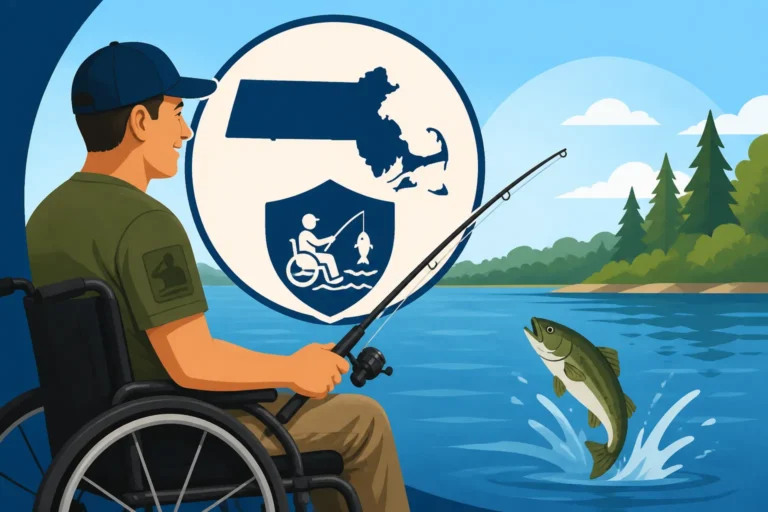
If your passion lies in the serene lakes, flowing rivers, and countless ponds across Massachusetts, you'll need a freshwater fishing license. For resident anglers aged 65 to 69, the cost for an annual freshwater fishing license is currently set at $16.50. This is a reduced rate compared to the standard adult resident license, which is $27.50. It’s a nice little break that acknowledges your many years contributing to the state and its fishing heritage, even if it's not entirely free.
This license covers you for a full 365 days from the date of purchase, allowing you to pursue a wide variety of freshwater species. You can cast your line for the feisty largemouth and smallmouth bass in places like Lake Quinsigamond, or chase after trout in the Deerfield River and numerous stocked ponds. It also covers you for panfish like perch and crappie, as well as the elusive chain pickerel. This annual license ensures you're fully compliant with state regulations wherever you decide to drop a line in freshwater, whether you're using live bait or the latest lure you picked up from Amazon. If you're wondering about the specifics of what this covers, our guide on the Massachusetts Freshwater Daily Catch Limits can provide more detail on what you can keep.
Saltwater Recreational Fishing Permit Costs for 65-69 Year Olds
Now, let's talk about hitting the vibrant coastal waters of Massachusetts. Whether you're planning to target striped bass from the shores of Cape Cod, chase bluefish in Buzzards Bay, or bottom fish for tautog and fluke, a Massachusetts saltwater recreational fishing permit is generally required. This is where the rules become particularly favorable for anglers in this age bracket.
Here's the fantastic news: For Massachusetts residents aged 60 and over, the annual saltwater recreational fishing permit is absolutely free. That means if you're between 65 and 69, you do not have to pay for your saltwater permit! You still need to obtain it, though. It’s not an automatic thing where you can just go fishing without it; you must register for it. You can easily do this through the MassFishHunt system online, or visit a licensed vendor. This permit is crucial for anyone engaging in marine recreational fishing within state waters, from surfcasting off a beach to fishing from a pier or even a boat. Our article on the Massachusetts Saltwater Recreational Fishing Permit Explained goes into much more detail about what this permit entails and how to acquire it.
Understanding the Wildlands Conservation Stamp and Other Potential Fees
Beyond the basic freshwater license and saltwater permit, there's another piece of the puzzle that often causes confusion: the Wildlands Conservation Stamp. This stamp is a mandatory purchase for many anglers and hunters, and it’s important to understand if it applies to your situation when you're 65 to 69. Additionally, there can be small processing fees depending on where and how you purchase your licenses, so it's good to be aware of those too.
This stamp isn't just an arbitrary fee; it directly contributes to vital conservation efforts across Massachusetts, supporting the acquisition and maintenance of public lands for fishing, hunting, and other outdoor recreation. Knowing where your money goes often makes those extra costs a little easier to swallow.
The Wildlands Conservation Stamp Explained
The Massachusetts Wildlands Conservation Stamp is a separate fee, currently priced at $5.00, that is required annually for anyone purchasing a freshwater fishing, hunting, or trapping license who is 15 years of age or older. This means that, unlike the freshwater license itself, there is no age-based discount or exemption for the Wildlands Conservation Stamp for anglers aged 65 to 69. You will need to purchase this stamp in addition to your freshwater fishing license if you plan to fish in freshwater.
So, if you're a Massachusetts resident between 65 and 69 and you want to fish in freshwater, your total cost will be the $16.50 for the freshwater license plus the $5.00 for the Wildlands Conservation Stamp, bringing your total to $21.50. This stamp ensures that the outdoor spaces we all love continue to thrive for future generations. For a deeper dive into this specific requirement, check out The Massachusetts Wildlands Conservation Stamp Explained.
Online vs. In-Person Purchase Fees and Convenience
When it comes to actually acquiring your license and permit, you have a couple of primary options: purchasing online through the MassFishHunt portal or visiting an authorized vendor in person. Both methods are straightforward, but they can have slight differences in convenience and associated fees.
Online Purchase via MassFishHunt: This is often the most convenient option. You can apply for and print your licenses from the comfort of your home, 24/7. When you renew or buy your license online, a small processing fee, typically around $1.50 to $2.00, is usually added to the total. This fee covers the administrative costs of the online system. While you're online, you might even consider browsing Amazon for some new fishing tackle or a comfortable fishing chair to use on your next trip. The MassFishHunt account setup guide can walk you through the process if you're new to it.
In-Person Purchase at Vendors: Many bait and tackle shops, sporting goods stores (like a local Dick's Sporting Goods or Kittery Trading Post), and some town clerks are authorized vendors for Massachusetts fishing licenses. While you might avoid the online processing fee, these vendors might charge a small service fee themselves. The benefit here is that you can ask questions, get immediate assistance, and sometimes pick up some local bait or advice on what's biting. You can find a list of Massachusetts Fishing License Vendor Locations if you prefer this route. Whether you buy online or in person, remember to carry proof of your Massachusetts Fishing License with you when fishing. Many anglers now keep a digital copy on their phone, but always have a backup plan in case technology fails.
Here’s a quick overview of the costs for a Massachusetts resident angler aged 65-69:
| License Type | Cost for Resident Angler (65-69) | Notes |
|---|---|---|
| Annual Freshwater License | $16.50 | Reduced rate from standard adult license |
| Wildlands Conservation Stamp | $5.00 | Mandatory for freshwater fishing, no age discount |
| Saltwater Recreational Permit | Free | Required, but no cost for MA residents aged 60 and over (still must obtain) |
| Total (Freshwater & Saltwater) | $21.50 | (Plus minor online/vendor processing fees) |
Specific Scenarios and Common Questions for Anglers 65-69
Even with a clear breakdown of costs, anglers often have unique situations or lingering questions. It's important to clarify these to ensure you're fully prepared for your Massachusetts fishing excursions. From questions about private property to out-of-state travel, knowing the ins and outs can save you a headache.
For instance, a common query is about fishing in private ponds. Many assume that if they're on private land, no license is needed. However, the rule of thumb in Massachusetts is that if the pond connects to other public waterways, a license is likely required, even if you’re fishing from private property. It's always best to err on the side of caution.
Non-Resident Anglers Aged 65-69
If you're visiting Massachusetts from out of state and happen to be in the 65-69 age bracket, the rules are a bit different. Massachusetts does not offer the same resident discounts for non-residents, regardless of age. So, a non-resident aged 65-69 will typically pay the standard non-resident rates for both freshwater licenses and the Wildlands Conservation Stamp. For saltwater, however, if you are a non-resident but are 60 or older, the saltwater recreational permit is still free; you just need to acquire it.
For freshwater fishing, a non-resident annual license is significantly more expensive, currently around $37.50, plus the $5.00 Wildlands Conservation Stamp, bringing it to $42.50. If you’re only visiting for a short period, you might consider a short-term Massachusetts fishing license option, such as a 3-day non-resident freshwater license, which is usually around $23.50 (plus the stamp). These shorter-term licenses are perfect for a quick fishing getaway to Massachusetts and can be bought conveniently through the MassFishHunt system, or even from a local tackle shop that's an authorized vendor. While you're preparing for your trip, remember to check out Amazon for travel-sized fishing gear that's easy to pack.
The 365-Day License vs. Calendar Year
One excellent feature of the Massachusetts fishing license system is that most annual licenses are valid for 365 days from the date of purchase, rather than expiring at the end of the calendar year. This means if you buy your freshwater license on June 15th, 2026, it will be valid until June 14th, 2027. This offers much more flexibility and value, as you don’t lose months of fishing if you purchase later in the year. Our guide on How Long a Massachusetts Fishing License Lasts provides more detailed information on this.
The saltwater recreational permit, even though it's free for senior residents, also follows this 365-day rule, expiring one year from its issue date. This makes it easy to remember and ensures you get a full year of fishing enjoyment. When it’s time to renew, the process is usually seamless through MassFishHunt. It's always a good idea to keep an eye on the Massachusetts Fishing License Renewal Guide to ensure you don't miss any deadlines, especially if your fishing plans take you out on the water regularly.
Disclaimer
Please note that fishing regulations and license fees are subject to change by the Massachusetts Division of Fisheries and Wildlife (MassWildlife). While every effort has been made to provide accurate and up-to-date information, it is always recommended to verify the current regulations and costs directly on the official MassWildlife website or by contacting them directly before purchasing your license. This guide is for informational purposes only and should not be considered legal advice.