Do You Need a License to Fish on Free Fishing Weekend in Massachusetts?
It’s a common scenario: you hear about "Free Fishing Weekend" in Massachusetts and immediately wonder if it's truly a no-strings-attached deal or if there’s a catch. Many aspiring anglers, or even seasoned veterans introducing someone new to the sport, get confused about what "free" really means when it comes to licenses. This comprehensive guide will clear up all that uncertainty, explaining exactly when and how you can enjoy Massachusetts' waters without a fishing license during these special events.
Understanding Massachusetts' Annual Free Fishing Weekend
Massachusetts, like many other states, hosts an annual Free Fishing Weekend. This isn't just a random gesture; it's a carefully planned initiative designed to encourage more people to experience the joy of fishing, introduce new participants to the sport, and allow lapsed anglers to reconnect with their passion without the immediate financial commitment of a license. It’s a fantastic opportunity for families, friends, and solo adventurers to get out on the water.
What "Free Fishing" Truly Means for Anglers
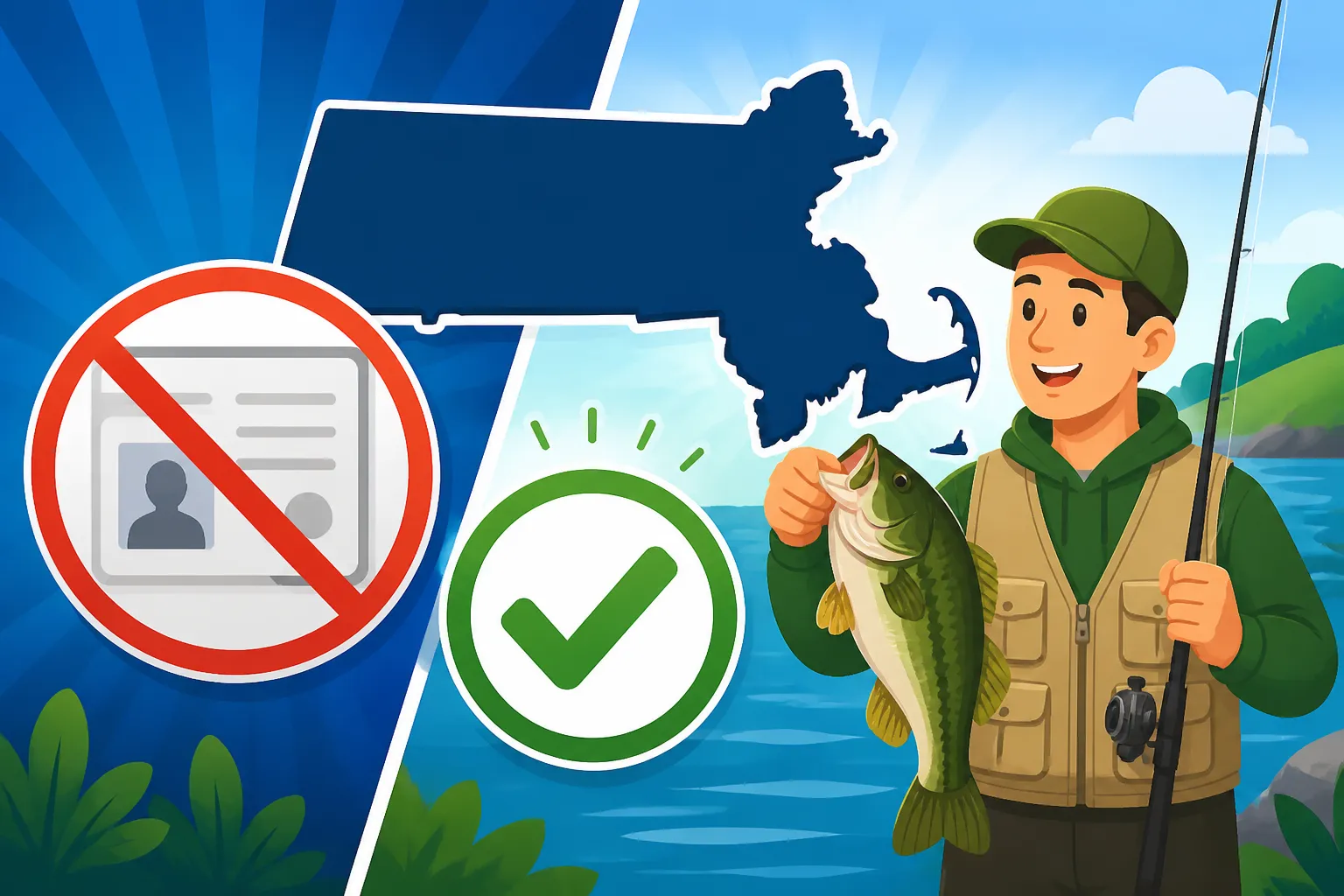
When MassWildlife announces its Free Fishing Weekend, it specifically means that no freshwater fishing license is required for residents or non-residents to fish in any public freshwater body in the Commonwealth. That's the key takeaway right there – it applies exclusively to freshwater. Imagine you've always wanted to try casting a line into a quiet pond or a flowing river, but you weren't ready to commit to buying a license just yet. This weekend is tailor-made for you. It removes that initial hurdle, making fishing more accessible.
However, it’s absolutely crucial to understand that "free" doesn't mean "unregulated." All other fishing laws and regulations remain firmly in place. This includes everything from catch limits and size restrictions to specific gear rules and restrictions on certain water bodies. Think of it like a free sample – you get to try the main product, but you still have to follow the store's rules of conduct. We’ll dive deeper into those important regulations shortly, but for now, remember: no license for freshwater, but all other rules apply.
When Does Massachusetts Usually Host Its Free Fishing Weekend?
Historically, Massachusetts typically designates the first weekend of June as its Free Fishing Weekend. For example, if you're looking ahead, you might see announcements for the event around the first Saturday and Sunday of June. These dates are set by the Massachusetts Division of Fisheries and Wildlife (MassWildlife) and are usually consistent year after year, although it's always a good idea to double-check their official website as the dates approach, just in case there are any unforeseen changes.
This timing is strategic, too. Early June often brings pleasant weather, making it ideal for outdoor activities. The water temperatures in freshwater bodies are usually warming up nicely, and many fish species are active, making for potentially rewarding fishing experiences. It’s also a time when many schools are letting out, offering a perfect family activity as summer begins. If you’re planning a trip around this time, be sure to confirm the specific dates for the year you're interested in; you can often find details on the official MassWildlife website, or check resources like "Massachusetts Free Fishing Weekend dates for 2026" closer to the time.
Who Can Participate in Massachusetts Free Fishing Weekend?
One of the best aspects of Free Fishing Weekend is its inclusivity. It's truly an open invitation, welcoming a wide range of participants to enjoy the state's freshwater fishing opportunities. Whether you're a long-time resident or just visiting the Bay State, this weekend offers a chance to cast a line without needing to purchase a license.
Residents and Nonresidents Alike
That's right, during Massachusetts Free Fishing Weekend, both residents of the Commonwealth and visitors from out-of-state are exempt from the freshwater fishing license requirement. This means if you have family or friends visiting from, say, New Hampshire or New York, they can join you on a freshwater fishing excursion without needing to buy a "Massachusetts Fishing License for Nonresidents" for that specific weekend. It levels the playing field, making it easier for everyone to participate.
This open-door policy is fantastic for tourism and for sharing the natural beauty of Massachusetts. It breaks down barriers for those who might be hesitant to invest in an out-of-state license for just a day or two of fishing. Just imagine bringing a friend who's never fished before, handing them a rod, and watching their face light up when they catch their first panfish in a local pond. This weekend makes that experience possible and completely legal, without the usual paperwork.
Age Requirements: Everyone is Welcome
Another wonderful feature of Free Fishing Weekend is that it generally applies to all ages. While typically, in Massachusetts, anglers 15 years of age and older need a fishing license, during this designated weekend, that rule is temporarily waived for freshwater fishing. This means if you’re wondering "Do Kids Need a Fishing License in Massachusetts?" for this specific event, the answer is a resounding no, no matter their age.
This makes it an ideal event for family outings. Grandparents can take their grandkids, parents can introduce their children, and teenagers can go fishing with their friends, all without worrying about individual license purchases. It fosters a love for the outdoors and creates lasting memories. It's a low-pressure way to see if fishing is a hobby that sticks before making any commitments to annual licenses.
The Saltwater Exception: A Critical Distinction
Here's where many people get tripped up: the Free Fishing Weekend only applies to freshwater fishing. It does not waive the requirement for a Massachusetts Saltwater Recreational Fishing Permit. If your fishing plans include the ocean, a bay, or any other tidal waters, you will still need to possess a valid saltwater permit, regardless of the Free Fishing Weekend. This is a very important distinction to remember to avoid any potential fines or legal issues.
For instance, if you're thinking of surfcasting for striped bass off a Cape Cod beach or trying to catch bluefish in Boston Harbor, you'll absolutely need your saltwater permit. The rules for these bodies of water are governed by different regulations and permits. It's easy to assume "free fishing" covers everything, but in Massachusetts, it's strictly a freshwater affair. If you're interested in saltwater fishing, you'll need to look into options like the "Massachusetts Saltwater Recreational Fishing Permit Explained" for the standard rules.
What Regulations Still Apply During Free Fishing Weekend?
This is perhaps the most critical section for anyone planning to take advantage of Massachusetts Free Fishing Weekend. While the license requirement for freshwater is lifted, it's not a free-for-all. Every other regulation designed to protect fish populations and ensure sustainable fishing practices remains in full effect. Ignoring these rules can lead to serious penalties, even if you’re fishing license-free.
Adhering to Daily Catch and Size Limits
Just because you don't need a license doesn't mean you can keep every fish you catch. Massachusetts has very specific daily catch limits (also known as bag limits) and minimum/maximum size limits for various species. These are in place to ensure that enough fish remain to reproduce and maintain healthy populations. For example, if you’re targeting trout, you’ll need to know the "Massachusetts Freshwater Daily Catch Limits" for that species. The same goes for bass, pickerel, and other popular freshwater fish.
Let's say you're out fishing for largemouth bass. You might be allowed to keep a certain number of bass within a specific size range, and any fish outside those parameters must be immediately released unharmed. Fishing without a license is one thing, but fishing illegally by exceeding bag limits or keeping undersized (or oversized, in some slot limit cases) fish is a violation that can result in fines and other penalties. It's your responsibility as an angler, even on a free weekend, to know and follow these rules. MassWildlife publishes a comprehensive guide that outlines all these "Massachusetts Recreational Fishing Rules and Bag Limits," and you should always consult the most current version.
Season Dates and Specific Water Body Rules
Many fish species have open and closed seasons, particularly for popular game fish like trout. While trout stocking typically kicks off in the spring and continues into the fall, certain seasons might have specific opening and closing dates. Fishing outside of an open season for a particular species is illegal. For instance, if there's a closed season for a certain type of trout, you cannot target or keep it, even during Free Fishing Weekend.
Furthermore, some water bodies have unique, localized regulations. Reservoirs like the Quabbin and Wachusett, for example, have very specific rules regarding access, bait, and even the types of boats allowed. If you're planning to fish at the "Quabbin Reservoir Fishing Permits and Rules in Massachusetts" or the Wachusett Reservoir, you'll need to be aware of those specific guidelines. These can include restrictions on motor size, decontamination procedures for boats, or even limits on fishing from certain shorelines. A general rule of thumb: always check for special regulations for the specific lake, pond, or river you plan to visit.
Tackle Restrictions and Other Important Rules
Beyond bag and size limits, there are also regulations concerning the type of tackle you can use and other aspects of fishing. For instance, there are often rules about the number of lines you can fish with simultaneously (Massachusetts allows two lines with up to two hooks or lures each for freshwater), limitations on certain bait types, and prohibitions against snagging fish. If you enjoy ice fishing, there are specific rules about tip-ups and ice shanties.
Another crucial area that still applies is the prevention of invasive species. It’s illegal to transport live fish from one body of water to another without a permit, as this can introduce harmful invasive species that disrupt ecosystems. Always clean, drain, and dry your boat and gear between fishing trips to prevent the spread of aquatic invaders. Even something as simple as using legal bait is important; check if live bait is allowed in your chosen fishing spot and what species are permitted. These rules are in place for the health of our waters and fish, so respecting them is paramount.
Maximizing Your Free Fishing Weekend Experience
Massachusetts Free Fishing Weekend is an incredible opportunity to either try fishing for the first time or revisit a beloved pastime. To truly make the most of it, a little preparation can go a long way. Think about where you want to go, what you might need, and how to make it a fun, stress-free outing.
Essential Gear for Beginners
If you’re new to fishing, don't feel like you need to invest a fortune. A basic spinning rod and reel combo, some line, a few hooks, sinkers, bobbers, and a simple tackle box are all you really need to get started. You can often find affordable starter kits at local sporting goods stores or even online. For example, a quick search on Amazon for "beginner fishing kit" can yield excellent, budget-friendly options that include most of what you need. A small cooler for drinks and snacks (and any fish you plan to keep, if legal!), a comfortable chair, and some insect repellent are also highly recommended.
Remember to dress appropriately for the weather. Even on a sunny day, layers are a good idea, and a hat and sunglasses will protect you from the sun. Closed-toe shoes are always a good call around water. Don't forget a small pair of pliers or a hook remover – it makes releasing fish much easier and safer for both you and the fish. Having a measuring tape can also be very helpful for confirming that any fish you intend to keep meet the legal size requirements.
Finding the Best Freshwater Spots for Beginners
Massachusetts boasts an incredible array of freshwater ponds, lakes, and rivers perfect for fishing. For beginners, especially those with children, smaller, easily accessible ponds are often the best choice. These spots tend to have panfish like bluegill and perch, which are plentiful and eager to bite, providing consistent action and boosting confidence. Many state parks and local conservation areas have designated fishing access points.
Consider popular, well-stocked ponds where MassWildlife frequently releases trout. While the specific list changes, many towns receive trout stockings in spring and fall. These spots are often well-maintained and easy to find. Some great places to start your research for "What waters are open during Massachusetts Free Fishing Weekend" might include local town ponds, state park ponds like those at Wompatuck State Park, or even smaller, named lakes. The MassWildlife website often has maps and lists of public access points, and checking in with local bait and tackle shops can also provide invaluable, up-to-date information on where the fish are biting.
Safety First: Tips for a Smooth Outing
Safety should always be a top priority, especially when introducing new anglers to the sport. If you're fishing from a boat or even a kayak, ensure everyone has a properly fitted life jacket. Pay attention to weather forecasts and be prepared for sudden changes. Sun protection is key, so bring sunscreen, hats, and sunglasses.
When handling fish, especially those with spines or sharp teeth, be careful. A pair of gloves can protect your hands. Always handle fish gently, especially if you plan to release them, to minimize stress and injury. Teach children how to cast safely, being mindful of others around them, and how to properly unhook and release fish. Keep an eye on your surroundings, be aware of any posted warnings, and always let someone know where you're going and when you expect to return. Being prepared and cautious ensures a fun and memorable experience for everyone involved.
Planning Beyond Free Fishing Weekend
So, you've had a blast during Free Fishing Weekend, maybe even caught a few fish, and now you're hooked! Many people find that this initial taste of fishing sparks a lifelong passion. If that's you, the next logical step is to understand how to continue fishing legally throughout the rest of the year.
Purchasing Your Annual Massachusetts Fishing License
If you're 15 or older and want to keep fishing in freshwater after the free weekend, you'll need to purchase a Massachusetts freshwater fishing license. The process is straightforward and typically covers you for the entire calendar year. You can buy your license conveniently online through the MassFishHunt system, which is the official licensing platform for MassWildlife. It's user-friendly and allows you to print your license at home or carry it digitally on your phone. To learn more about this process, you can check out resources like "How to Buy a Massachusetts Fishing License Online" or understand "How MassFishHunt Works for Buying a Massachusetts License."
For those who prefer an in-person transaction, many authorized vendors, such as bait and tackle shops, town clerk offices, and some sporting goods stores, sell fishing licenses. This can be a great way to also get some local fishing advice! The cost of a fishing license is usually quite reasonable, and the funds generated go directly towards conservation efforts, fish stocking programs, and managing Massachusetts' precious natural resources. So, when you buy a license, you're not just buying permission to fish; you're contributing to the health of the very ecosystems you enjoy. You can find details on various license costs, including the "Massachusetts Resident Fishing License Cost" and options for different age groups, in dedicated guides.
Remembering Saltwater Permits
And don't forget that crucial distinction: if your interest lies in the coastal waters, bays, and estuaries of Massachusetts, a separate saltwater recreational fishing permit is required. This permit is also typically purchased annually. Many anglers who enjoy both freshwater and saltwater fishing will opt to purchase both, ensuring they are covered wherever their fishing adventures take them.
The saltwater permit also has its own set of regulations regarding species, size limits, and bag limits, which differ from freshwater rules. For example, specific slot limits apply to popular species like striped bass. Knowing these differences is key to responsible angling. You can often add a saltwater permit when you're purchasing your freshwater license through the MassFishHunt system, making it a seamless process to cover all your bases.
Other Free Fishing Opportunities
While the main Free Fishing Weekend is a big highlight, it's worth noting that Massachusetts does offer other specific scenarios where a fishing license might not be required. For instance, sometimes certain public fishing events, often sponsored by MassWildlife or local conservation groups, may waive license requirements for participants, especially for youth. Also, keep an eye out for potential "Free Saltwater Fishing Days in Massachusetts," though these are less common than the freshwater free weekend.
It's always best to consult the official MassWildlife website or contact them directly if you have questions about specific events or unique circumstances. This ensures you have the most accurate and up-to-date information, preventing any misunderstandings and allowing you to fully enjoy all the fishing opportunities Massachusetts has to offer.
Comparative Overview: Free Fishing Weekend vs. Regular Fishing
To help clarify the differences, here's a quick comparison of fishing during the Massachusetts Free Fishing Weekend versus a typical fishing day:
| Feature | Massachusetts Free Fishing Weekend | Regular Fishing (Non-Exempt Anglers) |
|---|---|---|
| Freshwater License | NOT REQUIRED for all ages | REQUIRED for anglers 15 years and older |
| Saltwater Permit | REQUIRED (not waived) | REQUIRED |
| Applies to | Freshwater only | Both freshwater and saltwater (with appropriate license/permit) |
| Dates | Specific designated weekend (typically first weekend of June) | All year (valid license/permit period) |
| Daily Catch Limits | STILL APPLY (e.g., "Do Bag Limits Still Apply on Massachusetts Free Fishing Days?") | ALWAYS APPLY |
| Size Limits | STILL APPLY | ALWAYS APPLY |
| Season Dates | STILL APPLY | ALWAYS APPLY |
| Tackle Restrictions | STILL APPLY | ALWAYS APPLY |
| Invasive Species Rules | STILL APPLY | ALWAYS APPLY |
| Access Rules | STILL APPLY (e.g., Quabbin, Wachusett) | ALWAYS APPLY |
This table highlights the crucial point: the "free" aspect is almost exclusively about the freshwater license requirement. All other aspects of responsible and legal fishing remain in full force.
Disclaimer
The information provided in this guide is intended for general informational purposes only and is subject to change. Fishing regulations, including dates for Free Fishing Weekend, license requirements, and bag limits, are set by the Massachusetts Division of Fisheries and Wildlife (MassWildlife) and can be updated at any time. Always consult the official MassWildlife website or their current regulations pamphlet for the most accurate and up-to-date rules before heading out to fish. Compliance with all state and local fishing laws is the responsibility of the angler.