Do You Need a License to Catch and Release in Massachusetts?
It's a question I hear all the time, echoing from folks standing by a quiet pond or casting into the churning surf: "If I'm just planning to catch a fish and let it go, do I really need a license in Massachusetts?" It's a valid query, born from a common misconception, but the straightforward answer is an emphatic yes. This guide is here to clear up that confusion, explain why this rule exists, and ensure you're fully prepared for your next fishing adventure, no matter your intention for the fish at the end of your line.
The Unambiguous Requirement for a Fishing License
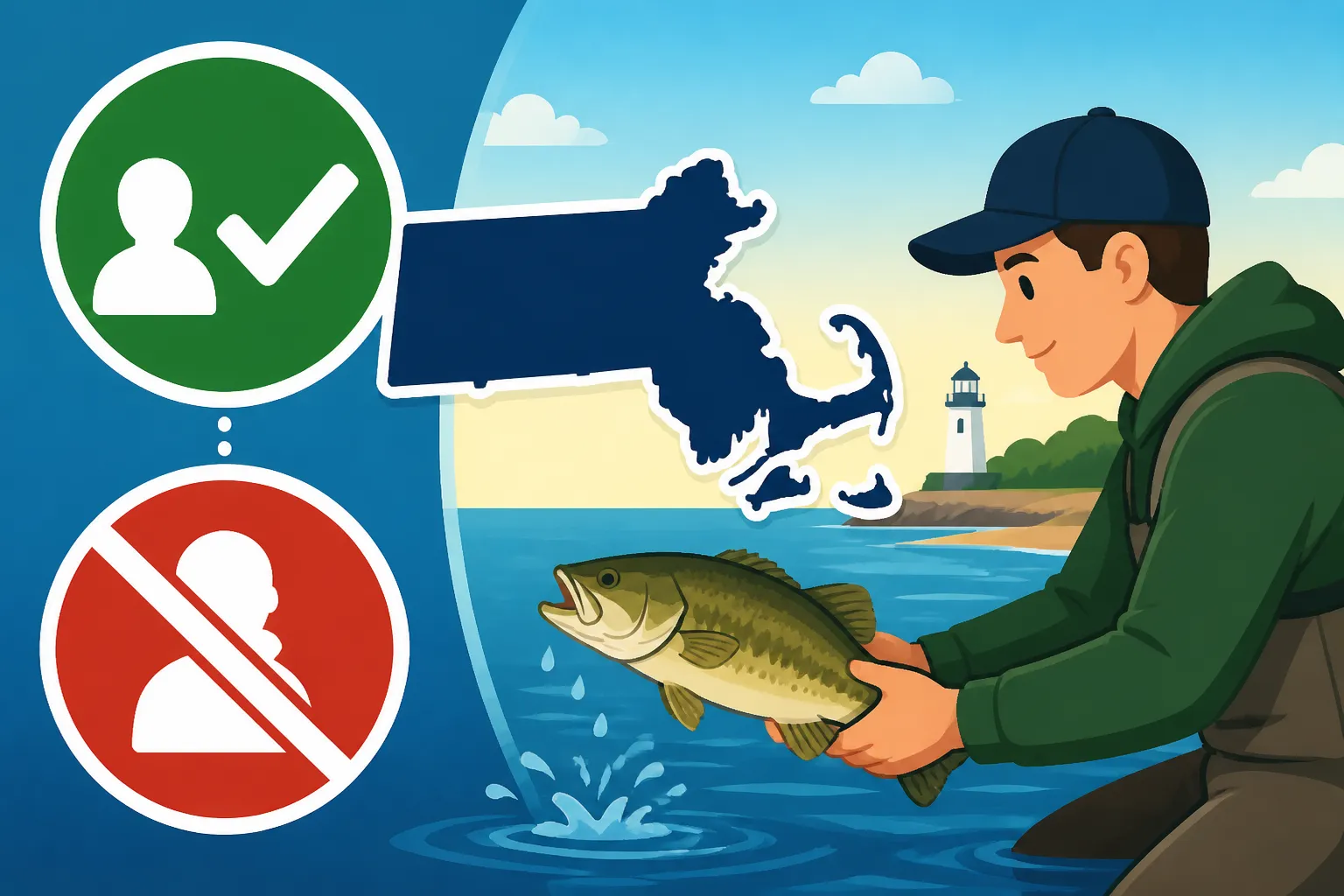
Let's cut right to the chase: in Massachusetts, if you are attempting to catch finfish, whether you intend to keep them for dinner or carefully release them back into the water, you absolutely need the appropriate fishing license or permit. The act of "fishing" itself, regardless of your intent, triggers the licensing requirement. It's not about what happens to the fish after it's caught; it's about participating in the recreational fishery.
Understanding Massachusetts' Stance on Fishing Licenses
The Commonwealth of Massachusetts, through its Division of Fisheries and Wildlife (MassWildlife) for freshwater and the Division of Marine Fisheries (MassDMF) for saltwater, regulates all recreational fishing activities. Their regulations don't differentiate between catch-and-release fishing and catch-and-keep fishing when it comes to the initial requirement of holding a license. The philosophy behind this is simple: every angler, by casting a line into public waters, is interacting with the state's natural resources. Even when releasing fish, there's always an impact, however minimal, on the fish and its ecosystem. The state wants to ensure that everyone participating is accounted for and contributing to the health of these vital resources.
Think of it like driving a car. You need a driver's license whether you're going on a long road trip or just driving around the block. The act of operating the vehicle requires the license, not necessarily the destination or duration. Similarly, the act of fishing requires the license, regardless of whether you're keeping your catch or performing a perfect release. For a complete overview of what's required, you can check out the Massachusetts Fishing License Guide.
The Role of Your License Fees in Conservation
You might wonder why a license is necessary if you're not depleting fish stocks by keeping them. The answer lies in conservation. The fees collected from fishing licenses and permits are crucial funding sources for MassWildlife and MassDMF. This money isn't just tossed into a general fund; it's directly earmarked for vital programs that benefit all anglers and the aquatic environment.
These funds support critical initiatives such as fish stocking programs in freshwater bodies, ensuring healthy populations for everyone to enjoy. They also go towards habitat restoration projects, scientific research on fish populations, law enforcement to prevent poaching and ensure compliance, and the maintenance of public boat ramps and access points. When you purchase a Massachusetts fishing license, you're not just buying a piece of paper; you're investing in the future of fishing in the state. This includes the very fish you plan to catch and release, ensuring they have healthy habitats and robust numbers for years to come.
Navigating Specific Scenarios and Exemptions
While the general rule is clear, there are specific situations and age-based exemptions that can sometimes lead to confusion. It's important to understand these nuances to ensure you're always fishing legally.
Fishing in Freshwater Ponds and Lakes
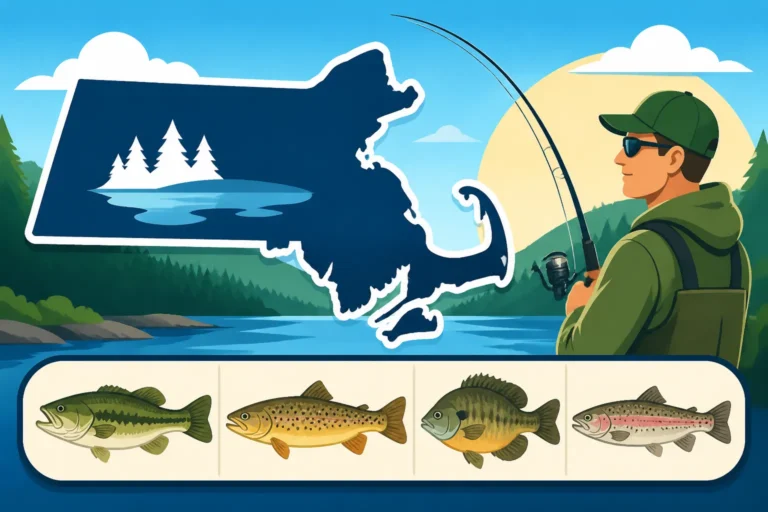
Whether you're targeting largemouth bass in a local pond or casting for trout in a scenic river, a freshwater fishing license is required for catch and release in all public freshwater bodies. This includes the vast network of ponds, lakes, rivers, and streams across Massachusetts. Even if you're fishing from private land, if the water body itself is considered public water, or if it's stocked by MassWildlife, a license is mandatory. Many assume that if they're on private property, the rules don't apply, but that's a common trap. The license is tied to the act of fishing in regulated waters, not necessarily the land you're standing on. For details on what it costs and other rules, refer to the Massachusetts Freshwater Fishing License Costs and Rules.
Let's say you're visiting a friend with a beautiful pond in their backyard in Barnstable. If that pond is entirely self-contained and not connected to any other public waterways, and hasn't been stocked by the state, you might not need a license. However, this is a very rare and specific scenario. Most ponds and lakes in Massachusetts are part of a larger watershed or are maintained by state stocking efforts, making a license necessary. It's always best to err on the side of caution and assume a license is needed unless you can definitively confirm an exemption.
Saltwater Recreational Fishing
For those who love the thrill of striped bass or bluefish on the open ocean, the rules are slightly different but the requirement remains: you need a Massachusetts Recreational Saltwater Fishing Permit. Just like with freshwater, this permit is required even if your intention is purely catch and release. This permit covers fishing from shore, piers, bridges, and boats in Massachusetts' coastal waters.
The saltwater permit system helps the state track recreational fishing effort and gather data that is vital for managing marine species. Without this data, it would be much harder for MassDMF to set sustainable bag limits and seasons. So, whether you're surfcasting for stripers off Cape Cod or fishing from a charter boat for fluke, that permit is essential. You can find a full breakdown of the requirements in the Massachusetts Saltwater Recreational Fishing Permit Explained guide.
Age-Based Exemptions for Anglers
Not everyone needs a license, which is where some of the confusion originates. Massachusetts offers specific age-based exemptions:
- Youth Anglers: Children under the age of 15 do not need a freshwater fishing license to fish in Massachusetts. This is fantastic news for families looking to get kids hooked on fishing, as it removes a financial barrier to entry. They can enjoy catch and release without any paperwork. However, it's important that any adult supervising them who is also fishing does have their own license. For more information, check out Do Kids Need a Fishing License in Massachusetts?.
- Senior Anglers: Residents who are 65 years of age or older can obtain a free freshwater fishing license. While it's free, it's still a license they must apply for and possess. It's not an automatic exemption from the requirement; it's an exemption from the fee. This is a wonderful program to encourage continued participation in fishing among our senior community. Details on this can be found in Massachusetts Senior Fishing License Discounts.
Here's a quick reference table for general licensing requirements:
| Angler Age/Type | Freshwater License Required? | Saltwater Permit Required? | Cost Considerations |
|---|---|---|---|
| Under 15 years old | No | No | Free, no application needed. |
| 15-64 years old | Yes | Yes | Standard resident/non-resident fees apply. |
| 65 years old and over (MA Resident) | Yes (Free) | Yes (Free) | Must apply for a free license/permit. |
| Non-resident (any age 15+) | Yes | Yes | Higher non-resident fees apply. Short-term options available. |
Beyond the License: Catch and Release Best Practices
Since your query specifically mentions "catch and release," it’s clear you're an angler who cares about the well-being of the fish. Having the license is just the first step; practicing responsible catch and release techniques is equally important. Even when releasing, minimizing stress and injury to the fish ensures its best chance of survival.
Minimizing Harm to Fish
Responsible catch and release starts with the right approach and gear. Fish, even those destined for release, can suffer from improper handling. Here are some key tips:
- Use Barbless Hooks: Barbless hooks, or hooks with crushed barbs, are much easier to remove, reducing damage to the fish's mouth. You can find specialized tools for this, and many brands on Amazon offer a wide selection of dehookers and other release tools.
- Handle Fish Minimally: Avoid touching the fish directly with dry hands. The slime coat on fish protects them from disease, and dry hands can remove it. If you must handle the fish, wet your hands thoroughly first. A good pair of fish-handling gloves can also help, often found on Amazon, as they provide grip without stripping the slime.
- Keep Fish in Water: The longer a fish is out of water, the more stressed it becomes. Try to unhook the fish while it's still in the water, especially larger fish. If you need a photo, do it quickly and efficiently, keeping the fish submerged as much as possible.
- Use Proper Tools: A good pair of long-nosed pliers or a dehooker can make removing hooks much safer and quicker for both you and the fish. These are invaluable tools for any catch-and-release angler and readily available at local tackle shops or online retailers like Amazon.
- Cut the Line if Necessary: If a fish has swallowed the hook deeply, don't try to rip it out. Cut the line as close to the hook as possible. Fish digestive acids can sometimes dissolve the hook, or the fish may pass it.
- Revive the Fish: For fish that seem lethargic after a fight, gently hold them upright in the water, facing into the current (if any), until they swim off on their own. Don't simply toss them back if they're struggling.
Understanding Local Regulations and Species Limits
Even if you're committed to catch and release, it's still absolutely critical to be aware of the daily bag limits, minimum/maximum size limits, and open seasons for the species you're targeting. These regulations are in place to protect fish populations, and accidentally keeping an out-of-slot striped bass or an undersized tautog, even if you planned to release it, can lead to serious penalties.
For instance, Massachusetts has a specific slot limit for striped bass, meaning you can only keep fish within a certain size range. If you catch a striped bass that is too large or too small, it must be released, even if you have a valid license and planned to keep a legal fish. Knowing these rules ensures that if you do decide to keep a legal fish, you're compliant, and if you're releasing, you're doing so with the full knowledge of regulations. Staying informed about current rules for species like striped bass and fluke is just as important as the license itself. You can learn more about specific regulations in articles like Massachusetts Saltwater Bag Limits by Species or Massachusetts Recreational Fishing Rules and Bag Limits.
How and Where to Obtain Your Massachusetts Fishing License
Getting your Massachusetts fishing license or saltwater permit is a straightforward process, thanks to modern conveniences. Don't let the thought of bureaucracy deter you from legal and responsible angling.
Online and In-Person Options
The easiest and most common way to get your license is online through the MassFishHunt portal. This system allows you to purchase and print your license from the comfort of your home, anytime, day or night. It's quick, efficient, and usually the preferred method for most anglers. If you're new to the system, our guide on How to Buy a Massachusetts Fishing License Online can walk you through the steps.
Alternatively, if you prefer an in-person transaction or need to speak with someone, you can visit a MassWildlife or MassDMF office, or one of the many authorized license vendor locations across the state. These vendors often include bait and tackle shops, sporting goods stores, and town clerk offices. Bringing cash or a card, and a valid ID (especially if you're an MA resident applying for a resident license), will help speed up the process. Even if you're just looking for a Short-Term Massachusetts Fishing License Options for a quick trip, these options are available.
Choosing the Right License for Your Needs
Before you buy, make sure you're getting the correct license for your intended fishing.
- Freshwater Fishing License: This covers all freshwater fishing for species like bass, trout, pickerel, and panfish.
- Saltwater Recreational Fishing Permit: This covers all recreational fishing in marine waters for species such as striped bass, bluefish, flounder, and cod.
- Combination Hunting and Fishing License: If you enjoy both activities, a combination license can often be more cost-effective and convenient, covering both freshwater fishing and hunting requirements.
It's crucial to understand the Massachusetts Freshwater vs Saltwater License Differences to ensure you're covered for the waters you plan to explore. Don't assume one covers the other, as they are distinct requirements. Always double-check the type of water you'll be fishing in to make sure you have the proper authorization.
Remember, having a valid license or permit is your ticket to legally enjoy the incredible fishing Massachusetts has to offer. Even if every fish you catch is gently returned to the water, that license is essential, supporting the very ecosystems that make those catch-and-release moments possible.
Disclaimer
The information provided in this guide is for general informational purposes only and does not constitute legal advice. Fishing regulations in Massachusetts can change, and it is the responsibility of every angler to consult the most current regulations published by the Massachusetts Division of Fisheries and Wildlife (MassWildlife) and the Division of Marine Fisheries (MassDMF) before engaging in any fishing activities. Always confirm current rules and requirements directly with official state resources.