Do Charter Passengers Need Their Own Massachusetts Saltwater Permit?
You're all geared up for that exciting Massachusetts fishing charter, perhaps setting out from the bustling ports of Gloucester or down on the picturesque Cape Cod. The anticipation is building, but then a little question starts to nag at the back of your mind: "Do I actually need my own fishing license for this trip?" It's a completely valid concern, especially with all the different regulations and permits anglers need to keep track of these days. This guide is designed to clarify that exact point, specifically for passengers aboard a licensed for-hire fishing vessel in Massachusetts.
Navigating Massachusetts Saltwater Fishing Permits as a Charter Passenger
Let's cut right to the chase because this is often the most pressing question for anyone booking a trip: if you're a passenger on a legitimate, licensed for-hire fishing vessel in Massachusetts, you generally do not need to purchase your own individual Massachusetts saltwater recreational fishing permit. That's a huge relief for many anglers, especially those visiting from out of state or just trying out fishing for the first time without committing to all the regulatory hoops.
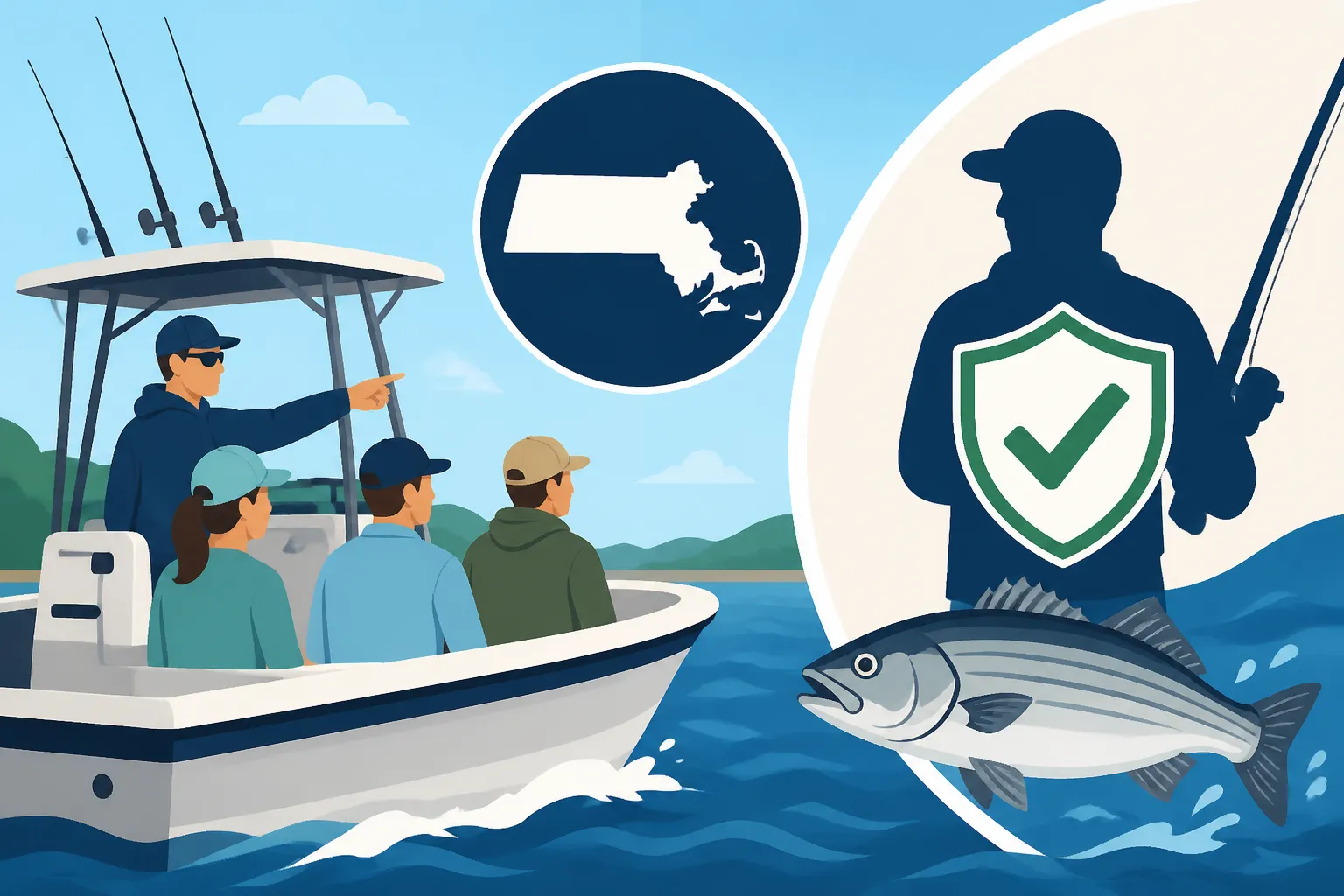
The reason for this straightforward exemption lies with the vessel and its captain. When you book a trip on a Massachusetts fishing charter, head boat, or party boat, the captain is operating under a specific type of federal permit, typically a U.S. Coast Guard (USCG) Captain's License and a federal Highly Migratory Species (HMS) permit if targeting tuna or sharks. More importantly, the vessel itself is usually covered by a Massachusetts recreational for-hire permit, which effectively extends coverage to all paying passengers aboard. This permit, held by the owner or operator of the charter business, allows all individuals fishing from that specific boat to do so legally without needing their own personal state saltwater permit. It's a system designed to simplify things for tourists and casual anglers who are contributing to the local economy through these businesses.
Think of it like this: the charter business has already taken care of the necessary licensing to legally take people fishing. They've gone through the process, paid the fees, and are responsible for ensuring all fishing activities conducted from their boat adhere to state and federal regulations, including bag limits and size restrictions. This means you can focus entirely on the thrill of the catch – whether you're targeting striped bass off the coast of Duxbury or hoping for some black sea bass in Buzzards Bay – without worrying about whether your personal permit is in order. It truly simplifies the experience for those who just want to enjoy a day on the water.
Understanding Massachusetts Saltwater Recreational Permits for Individual Anglers
While charter passengers are largely exempt, it's crucial to understand the general rules that apply to most other saltwater anglers in Massachusetts. The Massachusetts Saltwater Recreational Fishing Permit is a requirement for anyone 16 years of age or older who is recreationally fishing in saltwater areas of the Commonwealth. This applies whether you're casting lines from the shore, wading into the surf, or using your own private boat.
The purpose of this permit, much like freshwater fishing licenses, is multifaceted. It helps the Massachusetts Division of Marine Fisheries (DMF) collect vital data on fishing effort, which is essential for managing fish populations and ensuring sustainable fishing practices. The funds generated from these permits also contribute directly to marine conservation programs, habitat restoration, and enforcement efforts that keep our waters healthy and abundant. If you're wondering, "Massachusetts Saltwater Recreational Fishing Permit Explained", it covers a wide array of species, from striped bass and bluefish to flounder and tautog, all within the specified seasons and bag limits.
For those who do need one, obtaining a permit is relatively straightforward. Most anglers opt to purchase theirs online through the MassFishHunt portal, the official licensing system for Massachusetts. You can also find vendor locations across the state, typically at bait and tackle shops or sporting goods stores, where you can buy a permit in person. This flexibility makes it convenient for residents and visitors alike to comply with the regulations, ensuring everyone contributes to the health of Massachusetts' marine resources.
Key Situations Where a Personal Saltwater Permit Becomes Necessary
Even though charter passengers are usually off the hook for a personal saltwater permit, there are definitely scenarios where you will need one. Understanding these distinctions is key to staying on the right side of the law and avoiding any unexpected fines. It's easy to get confused, so let's break down where the lines are drawn.
Fishing from Shore, Piers, or Private Boats
The exemption we discussed earlier applies only when you are actively fishing from a licensed for-hire vessel. If you decide to do any other kind of saltwater fishing, you're back to the standard requirements. For example, if you spend a morning on a charter boat catching striped bass, and then later that afternoon you decide to cast a line from a local pier or try your luck surfcasting from a beach near Provincetown, you would need your own individual Massachusetts saltwater recreational fishing permit. This also applies if you're fishing from your personal kayak, canoe, or any private boat that is not operating under a for-hire permit.
Imagine you're on vacation on Cape Cod. You book an amazing fishing charter out of Barnstable Harbor for a day of targeting tuna, and the charter captain covers your permit needs for that trip. Great! But if the next day you decide to head down to Corporation Beach in Dennis with your own rod and try to catch some scup from the shore, you would absolutely need to have purchased your own permit beforehand. The same goes if a friend invites you out on their private boat; each individual angler (age 16 and over) on that private vessel needs their own permit. There's no blanket coverage from a private boat owner. You can easily find information on Massachusetts Rules for Fishing From a Pier or Bridge to ensure you're compliant when not on a charter.
Age Requirements and Non-Residents
While the general rule is "16 years or older," it's worth noting that children under the age of 16 are typically exempt from needing a Massachusetts saltwater permit, even if they're fishing from shore or a private boat. This is fantastic news for families looking to introduce kids to the joys of fishing without added bureaucratic hurdles. For adults, whether you're a Massachusetts resident or a non-resident, the permit requirement remains the same for individual recreational fishing. There isn't a separate "Massachusetts Fishing License for Nonresidents" specifically for saltwater; it's the same permit, just a different fee structure for residents versus non-residents.
It's also important to remember that permit requirements can sometimes change, and it's always wise to double-check the latest regulations. While the charter boat exemption has been fairly consistent, understanding Massachusetts Fishing License Requirements by Age for general recreational fishing can prevent any unexpected issues, especially if your plans extend beyond just the charter trip.
| Fishing Scenario | Personal MA Saltwater Permit Required? | Who is Responsible for Permit? | Key Detail |
|---|---|---|---|
| On a Licensed MA Charter/Head Boat | No | Charter Captain/Vessel Owner | The vessel's for-hire permit covers all paying passengers. |
| Fishing from a Private Recreational Boat | Yes (for anglers 16+) | Each Angler 16+ on board | Every individual angler must hold their own permit. |
| Fishing from Shore/Beach/Pier | Yes (for anglers 16+) | Each Angler 16+ | Standard requirement for all recreational shore fishing. |
| Kids Under 16 (any scenario) | No | N/A | Children under 16 are generally exempt from permit requirements. |
| During Massachusetts Free Fishing Days | No | N/A | Check specific dates; permits are waived for recreational fishing. |
Essential Considerations for Your Massachusetts Fishing Charter
Booking a fishing charter is an exciting prospect, offering a fantastic way to experience Massachusetts' rich marine environment without needing your own boat or extensive gear. Knowing the permit situation is just one piece of the puzzle, but there are other practical considerations that can make your trip even more enjoyable and hassle-free.
What to Confirm with Your Charter Captain
Even though the general rule is that you don't need your own permit on a licensed charter, it never hurts to confirm this detail when you book your trip. A quick question like, "Do I need to bring a fishing license, or does the boat's permit cover us?" can provide extra peace of mind. Reputable charter captains will be more than happy to explain their licensing and how it applies to their passengers. They often already cover this during their pre-trip briefings, knowing it's a common question. They'll also be the best source for information on current Massachusetts Recreational Fishing Rules and Bag Limits for the species you'll be targeting, as they are legally bound to follow them.
Your captain will also inform you about what gear is provided and what you might need to bring yourself. Most charters provide all the necessary fishing rods, reels, bait, and tackle. However, you'll still want to pack personal items like appropriate clothing for varying weather conditions (it can be cooler and windier on the water!), sunglasses, a hat, and sunscreen. You might even want to check on Amazon for specialized fishing gloves to protect your hands, or a comfortable, breathable long-sleeve shirt for sun protection.
What to Bring and What to Leave Behind
Beyond just confirming the permit situation, think about your comfort and safety. Seasickness can be a real issue for some, so if you're prone to it, consider taking preventative measures like medication before you even leave the dock. A small, waterproof bag is always a good idea for your phone, wallet, and keys. You can find many affordable and effective options on Amazon. Food and drinks are usually a bring-your-own affair, so pack a small cooler with snacks and beverages. Just remember to ask about any restrictions on alcohol if you plan to bring adult beverages.
Most importantly, bring an eager attitude and be prepared for a fantastic experience! Whether you're heading out for some offshore tuna action or staying closer to shore for fluke, a Massachusetts fishing charter provides an unparalleled opportunity to enjoy the beautiful coastline and abundant fisheries. Even if you don't need a permit for the charter itself, knowing the ins and outs of the Massachusetts Fishing License Guide can be helpful for future, independent fishing adventures. Who knows, this trip might just ignite a passion for fishing that leads you to explore buying your own permit and hitting the local ponds or beaches!
Disclaimer
The information provided in this guide is for general informational purposes only and is subject to change. While we strive to provide accurate and up-to-date information, fishing regulations and licensing requirements in Massachusetts can be complex and are regularly updated by the Massachusetts Division of Fisheries and Wildlife (MassWildlife) and the Division of Marine Fisheries (DMF). Always consult the official MassWildlife and DMF websites or contact their offices directly for the most current and specific regulations before engaging in any fishing activities.