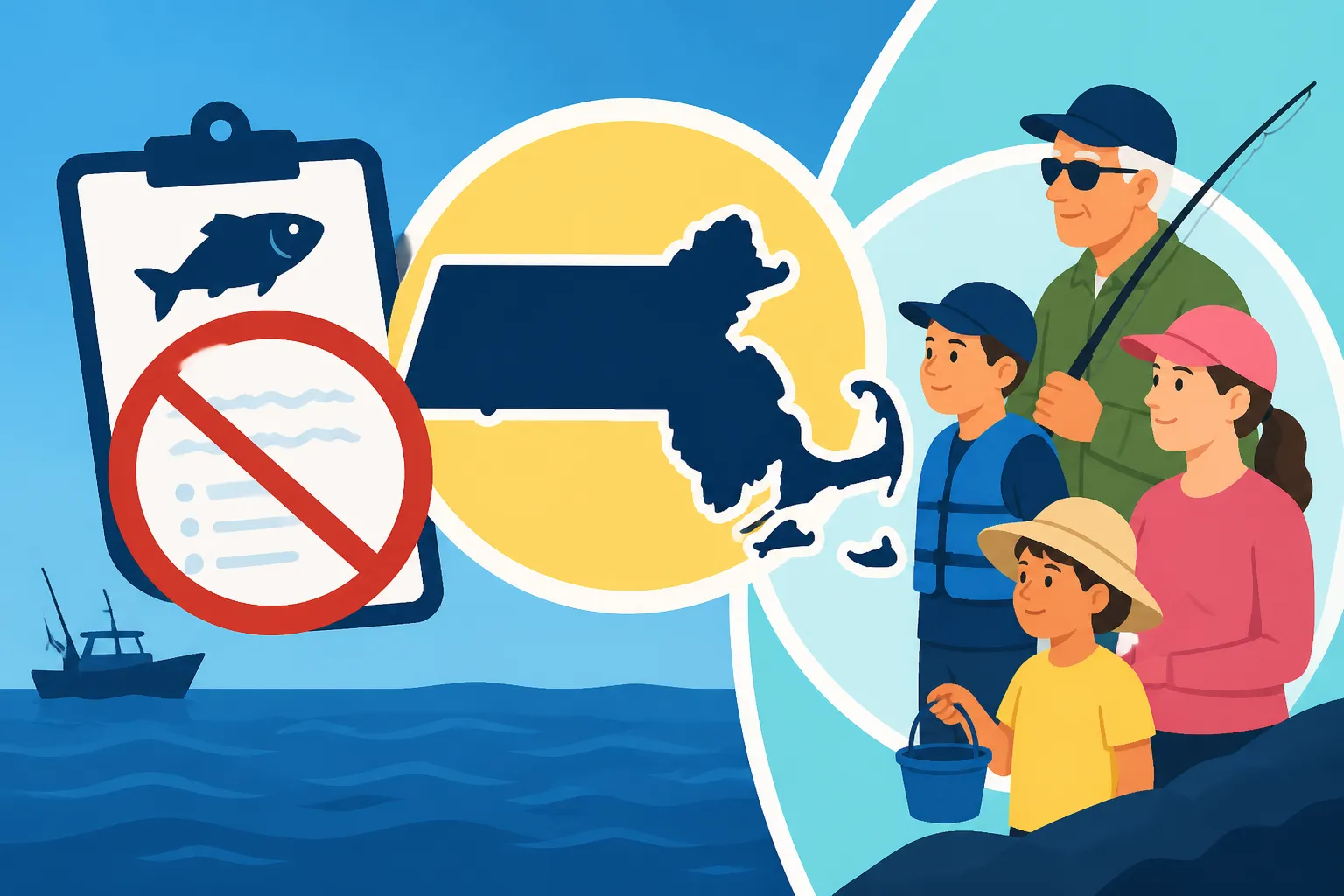
Who is exempt from the Massachusetts saltwater permit
It can be incredibly confusing trying to navigate all the different rules and regulations when you just want to get out on the water and enjoy some fishing in Massachusetts. One question that pops up a lot, especially for folks venturing into our beautiful coastal waters, is whether they actually need a Massachusetts saltwater permit. This guide is here to clear up that very common confusion, detailing exactly who can breathe a sigh of relief and cast a line without needing to secure that permit, and who absolutely needs to make sure they're covered.
Understanding the Massachusetts Saltwater Permit Requirement
Before we dive into who gets a pass, let's briefly touch on why this permit exists in the first place and what it generally entails. In Massachusetts, if you're 16 years of age or older and plan to recreationally fish in any marine waters – that includes the ocean, bays, estuaries, and even tidal rivers right up to the freshwater line – you are typically required to possess a valid Massachusetts saltwater recreational fishing permit. This isn't just a random fee; the funds generated from these permits play a crucial role in supporting the Massachusetts Division of Marine Fisheries (DMF) programs. These programs are vital for the health of our marine ecosystems, funding things like stock assessments, research, habitat restoration, and enforcement efforts that ensure sustainable fishing for everyone.
Think about it: every time you cast a line, you're interacting with a delicate ecosystem. The permit helps ensure that there are resources to study and protect those fish populations, so they're around for future generations of anglers. It's a small but significant contribution to the longevity of our beloved pastime. Whether you're targeting striped bass off Cape Cod, jigging for fluke in Buzzards Bay, or just dropping a line for scup near a harbor, if you're in saltwater, the general rule is: permit required. For a deeper dive into the specifics, you can check out our comprehensive guide on the Massachusetts Saltwater Recreational Fishing Permit Explained.
Key Exemptions: Who Can Fish Without a Massachusetts Saltwater Permit?
Now, let's get to the good stuff – the specific scenarios where you can legally bypass the need for an individual Massachusetts saltwater permit. These exemptions are really important to understand, as they can save you time, money, and potential hassle. It’s not about finding loopholes, but understanding the system as it’s designed to function.
Anglers Under 16 Years Old
This is perhaps the most straightforward and universally loved exemption. If you're an angler who hasn't yet celebrated your 16th birthday, you are completely exempt from needing a Massachusetts saltwater permit. This means kids, teenagers, and young adults can freely enjoy the thrill of saltwater fishing without any permit requirements. It's a fantastic way to introduce the younger generation to the sport without adding any financial or bureaucratic barriers.
Imagine taking your 14-year-old nephew out for their first time fishing off the Plymouth coastline. You, as an adult, would need your permit, but they can cast away with pure abandon, focusing solely on the joy of the catch. This exemption really encourages family outings and helps foster a love for marine environments from a young age. It's truly a no-brainer for getting kids hooked on fishing, quite literally! For more on age-related rules, take a look at our article on Massachusetts Fishing License Requirements by Age.
Fishing from a Permitted Charter or Head Boat
This is another incredibly common exemption, and one that many visitors and even local anglers often don't realize. If you choose to go saltwater fishing from a for-hire vessel that already possesses a valid Massachusetts commercial fishing permit or a recreational for-hire permit issued by the state, you, as an individual passenger, are generally exempt from needing your own separate recreational saltwater permit. This applies to most charter boats and head boats (also known as party boats) operating in Massachusetts waters.
When you book a trip with a reputable fishing charter in Gloucester or a head boat out of Provincetown, the captain's vessel permit essentially covers everyone on board. This is a huge convenience, especially for tourists or those who only fish saltwater a few times a year and don't want the commitment of buying their own annual permit. The captain is responsible for ensuring their vessel's permit is current and valid, so you can just show up, pay for your trip, and focus on landing that big striper or tuna. It's a fantastic option if you're just visiting or want to try out saltwater fishing without all the upfront paperwork. Many charter boats will even provide all the gear, often high-quality rods and reels you might find on Amazon, so all you need to bring is yourself and a desire to fish!
Designated Massachusetts Free Fishing Days
Periodically throughout the year, Massachusetts designates "Free Fishing Days" where anglers can fish both freshwater and, sometimes, saltwater without needing a permit. These days are usually announced by MassWildlife and are a wonderful opportunity for anyone, regardless of age or residency, to try fishing without any permit requirements. They're often scheduled in early summer to coincide with National Fishing and Boating Week or other conservation events.
While these days are fantastic for trying out the sport, it's crucial to remember that all other fishing regulations, such as size limits, bag limits, and gear restrictions, still apply. So, even if you don't need a permit, you still need to know the rules for what you catch. Keep an eye on the MassWildlife website for announcements about specific dates. If you're planning around these dates, our guide on Massachusetts Free Fishing Weekend Rules can give you the rundown. It’s a great way to introduce friends or family to the joys of fishing without any initial commitment to purchasing a license.
Specific Exemptions for Active Military and Disabled Veterans
Massachusetts recognizes the sacrifices made by military personnel and disabled veterans by offering specific exemptions for fishing permits, which include the saltwater permit.
- Active Military Personnel: If you are active military personnel permanently stationed in Massachusetts, you are eligible for a free fishing and hunting license, regardless of your residency status. This means if your permanent duty station is here, you can obtain a free permit that covers saltwater fishing. You'll generally need to provide proof of your active duty status and permanent station in Massachusetts.
- Disabled Veterans: Veterans with a service-connected disability of 100% are also eligible for a free fishing and hunting license in Massachusetts. This is a well-deserved benefit for those who have given so much. To obtain this free permit, eligible disabled veterans typically need to apply through MassWildlife and provide documentation verifying their 100% service-connected disability.
These exemptions are a small token of appreciation and make fishing more accessible for these important members of our community. For more information on eligibility and how to apply, especially for the saltwater portion, you can refer to our article on the Massachusetts Fishing License for Disabled Veterans.
Common Misconceptions and What Isn't an Exemption
Just as important as knowing who is exempt is understanding who isn't. There are several common misunderstandings that can lead to an angler mistakenly believing they don't need a permit, only to find themselves in violation of the regulations.
Out-of-State Licenses and Reciprocity
One of the most frequent misunderstandings is the belief that a saltwater fishing license from another state, such as Rhode Island or New Hampshire, will be valid in Massachusetts waters. Unfortunately, this is not the case. Massachusetts does not have reciprocity agreements for saltwater fishing permits with any other state. This means that even if you have a valid saltwater permit from a neighboring state, you will still need a separate Massachusetts saltwater permit to fish in Massachusetts marine waters.
This can be a real bummer for anglers who live near the state line or those who travel frequently between states to fish. Always assume that if you're fishing in Massachusetts's marine waters, you need a Massachusetts permit, unless you fall into one of the specific exemption categories listed above. Don't risk a fine by assuming your New Hampshire license covers you here – it simply doesn't.
Shore Fishing, Piers, and Bridges
Another common misconception is that you don't need a saltwater permit if you're fishing from land – whether it's a beach, a jetty, a pier, or a bridge. Let's be crystal clear on this: if you are fishing in marine waters, regardless of whether your feet are on solid ground or a boat deck, you need a Massachusetts saltwater permit (unless otherwise exempt).
The permit requirement isn't about whether you're in a boat; it's about the type of water you're fishing in. So, if you're casting lures for striped bass from the shores of Cape Cod, dropping bait for scup off a pier in Boston Harbor, or even jigging for tautog from a bridge spanning a tidal creek, you must have your permit if you are 16 or older and not otherwise exempt. Some anglers often pick up essential gear like specialized surfcasting rods or bait buckets from retailers like Amazon, but remember, the permit itself is a state requirement. Our guide on Saltwater permit rules for surfcasting from a Massachusetts beach offers more specific information for shore anglers.
Shellfishing and Commercial Activity
It's also important to understand that the Massachusetts recreational saltwater fishing permit is specifically for finfish. It does not cover shellfishing activities like digging for clams, harvesting oysters, or gathering mussels. Shellfishing typically requires separate permits, which are often issued by individual cities and towns, not the state. These local shellfishing permits ensure that local resources are managed sustainably within specific areas.
Similarly, this permit is for recreational fishing. If you intend to catch and sell your fish, or if you are engaged in any commercial fishing activity, you will need to obtain appropriate commercial fishing licenses and permits, which are entirely different and far more extensive than the recreational saltwater permit. Attempting to sell fish caught with a recreational permit can lead to serious legal consequences.
Ensuring Compliance and Obtaining Your Permit If Not Exempt
So, if you've read through the exemptions and realized you don't fit any of those categories, it's time to make sure you're properly permitted before you cast a line. The process is actually quite straightforward these days, thanks to modern technology.
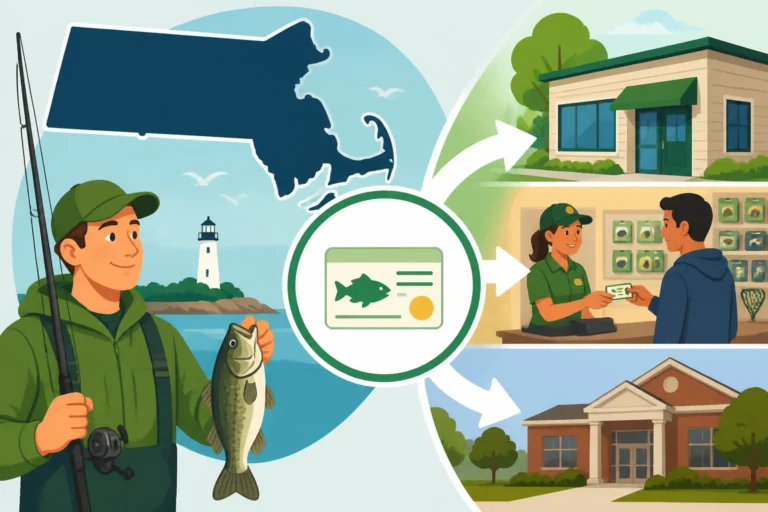
The primary way to purchase a Massachusetts saltwater permit is through the MassFishHunt online licensing system. This platform, managed by MassWildlife, allows you to easily buy your permit from the comfort of your home. You'll create an account, select the recreational saltwater permit, pay the associated fee, and then you can print your permit immediately or save a digital copy to your phone. It's truly a seamless process. Our detailed article, How to Buy a Massachusetts Fishing License Online, walks you through the steps. The Massachusetts saltwater permit cost for anglers under 60 is fairly affordable, representing a small investment in maintaining our excellent fisheries.
You can also purchase your permit in person at various authorized vendor locations across the state, such as tackle shops, sporting goods stores, and some town clerk offices. This can be a great option if you prefer a physical transaction or need to pick up some last-minute bait and tackle anyway. Just be sure to bring a valid ID.
Remember, carrying proof of your Massachusetts fishing license is crucial. While a physical copy is always best, MassWildlife does accept a clear photo of your license on your phone. However, ensure it’s easily accessible and legible, just in case you encounter a Massachusetts Environmental Police Officer during your fishing adventure. Having your permit ready demonstrates that you're a responsible angler contributing to the conservation efforts that make Massachusetts fishing so great. You wouldn't head out on a trip without your best fishing sunglasses or a sturdy tackle box (maybe one you picked up from Amazon), so don't forget your permit!
What Does the Saltwater Permit Cover?
The Massachusetts saltwater permit covers recreational fishing for most common finfish species found in our marine waters, including striped bass, bluefish, cod, haddock, fluke (summer flounder), black sea bass, tautog, and many others. It grants you the right to participate in these fisheries, provided you adhere to all other regulations like size limits, bag limits, and season dates. For instance, our article on Massachusetts Striped Bass Slot Limit Explained details specific rules you'd need to follow even with a permit.
However, it's worth reiterating that it does not cover commercial fishing, shellfishing, or fishing for certain highly migratory species like tuna if you're operating under specific federal permits. For the vast majority of recreational anglers targeting typical species, this permit is exactly what you need.
| Exemption Category | Description | Who it Applies To |
|---|---|---|
| Age Exemption | Anglers under a certain age are not required to hold a permit. | Individuals under 16 years old. |
| Permitted Vessel | Individuals fishing from a boat that already holds a valid state-issued for-hire (charter/head boat) or commercial fishing permit. | Passengers on a registered Massachusetts charter boat or head boat. |
| Free Fishing Days | Specific days designated by the state where no permit is required to promote fishing. | All anglers, regardless of age or residency, on official Massachusetts Free Fishing Days. |
| Active Military | Military personnel permanently stationed in Massachusetts are eligible for a free permit. | Active military personnel with a permanent duty station in Massachusetts (must show proof). |
| Disabled Veterans | Veterans with a 100% service-connected disability are eligible for a free permit. | Veterans with 100% service-connected disability (must apply with documentation). |
| Non-Exempt Scenarios (Requires Permit) | ||
| Out-of-State Licenses | Licenses from other states are not recognized. | Any angler (16+) with an out-of-state saltwater license. |
| Shore Fishing | Fishing from beaches, jetties, piers, or bridges in saltwater. | Any angler (16+) fishing from shore-based marine access points. |
| Shellfishing | Harvesting clams, oysters, or mussels. | Requires separate local shellfishing permits. |
| Commercial Fishing | Catching fish for sale or commercial purposes. | Requires entirely separate commercial fishing licenses and permits. |
The rules can sometimes feel like a labyrinth, but with this breakdown, you should be well-equipped to understand if you need a Massachusetts saltwater permit or if you're one of the lucky ones who are exempt. Remember, fishing responsibly means knowing and following the rules, ensuring the beauty and bounty of Massachusetts waters can be enjoyed for generations to come.
Disclaimer
Please note that fishing regulations, permit requirements, and exemptions can change. While every effort has been made to provide accurate and up-to-date information in this guide, it is always your responsibility to verify the most current regulations with the Massachusetts Division of Marine Fisheries (DMF) or MassWildlife before heading out to fish. This guide is for informational purposes only and should not be considered legal advice.