Nantucket Sound and Martha’s Vineyard Fishing Areas in Massachusetts
There’s something truly magical about the waters surrounding Nantucket Sound and Martha's Vineyard, isn't there? For many anglers, the thought of fishing these iconic Massachusetts destinations conjures images of pristine beaches, abundant marine life, and the thrill of a bending rod. But navigating these diverse waters, understanding the best spots, and knowing what to expect can feel a bit overwhelming if you're not a local. This comprehensive guide is here to cut through the confusion and provide you with all the insights you need to make your next fishing adventure to Nantucket Sound and Martha's Vineyard an unforgettable success.
The Allure of Nantucket Sound and Martha's Vineyard for Anglers
These legendary Massachusetts waters aren't just beautiful; they're teeming with life and offer some of the most diverse and exciting fishing opportunities on the East Coast. From the novice looking for some casual shore fishing to the seasoned pro chasing trophy fish offshore, there’s a piece of this paradise for everyone. It's a place where the history of New England fishing truly comes alive with every cast.
Why These Waters Are So Special
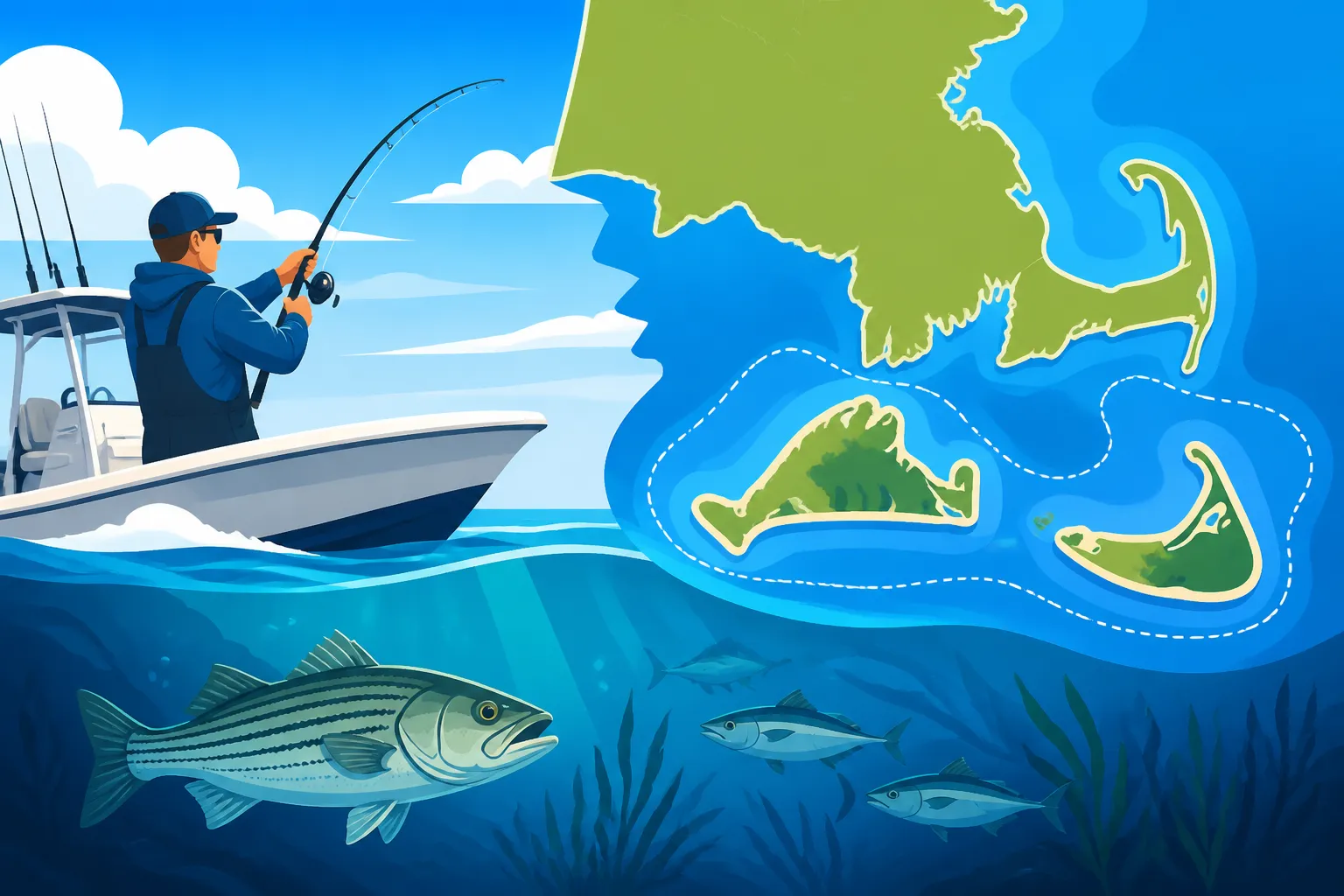
Nantucket Sound, nestled between Cape Cod, Martha's Vineyard, and Nantucket, acts as a crucial migratory corridor and a rich feeding ground. Its relatively shallower, warmer waters, compared to the open Atlantic, make it a nursery for many species and an attractive buffet for others. The unique geography of the Sound, with its countless rips, shoals, and varied bottom structures, creates an incredibly dynamic environment. On the other hand, Martha's Vineyard, with its rugged coastline, protected bays, and deep channels, offers a different, yet equally compelling, array of fishing scenarios. The island's connection to deeper ocean waters via its eastern and western ends brings in pelagic species while its sheltered coves provide havens for inshore game.
The blend of these two distinct environments creates a biological hotspot. It’s not uncommon to find yourself catching a wide variety of species in a single day, moving from a shallow flats area in the Sound to a deeper channel off the Vineyard. This variety is truly what sets this region apart from many other fishing destinations. The sheer density of baitfish—like sand eels, squid, and various forms of herring—that move through these waters throughout the seasons ensures that predatory fish are rarely far away.
The Rich Marine Ecosystem
The ecosystem here is incredibly vibrant, supporting a vast array of fish species that appeal to all types of anglers. During the warmer months, the waters explode with activity. You'll find migratory powerhouses like striped bass and bluefish chasing bait, often right up to the shoreline. Summer also brings in species like fluke (summer flounder), black sea bass, and scup (porgy) which settle into the warmer, shallower areas, providing excellent bottom fishing action.
As the seasons change, so too do the fishing opportunities. Fall often sees a spectacular "fall run" as migratory fish prepare to head south, offering some of the most aggressive and productive fishing of the year, especially for stripers and bluefish. Even in the colder months, while much of the fishing activity slows, certain species remain. Understanding the life cycles and migratory patterns of these fish is key to maximizing your success and truly appreciating the dynamic nature of this marine environment.
Navigating Nantucket Sound: Prime Fishing Grounds
Nantucket Sound is a vast body of water, but certain areas consistently produce excellent fishing. Knowing where to focus your efforts, whether from shore or by boat, can make all the difference. The Sound offers a different character than the exposed ocean, often providing calmer conditions which can be a relief on a breezy day.
Key Species and Seasonal Highlights
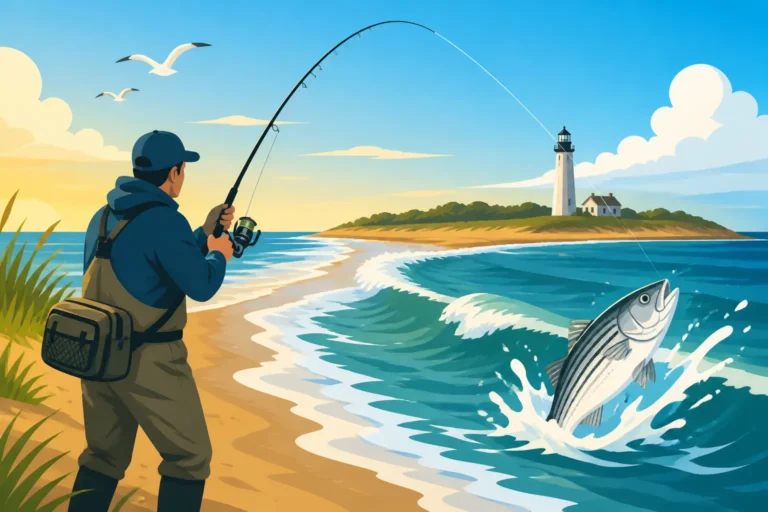
The star of Nantucket Sound, without a doubt, is the striped bass. These majestic fish migrate into the Sound from late spring through fall, feasting on the abundant baitfish. You'll find them in rips, along sandy beaches, and congregating around structure. Bluefish are another dominant species, arriving a bit later than stripers and known for their aggressive strikes and powerful fights. They are often found in the same areas as stripers, sometimes even in the same schools, making for exciting mixed-bag catches.
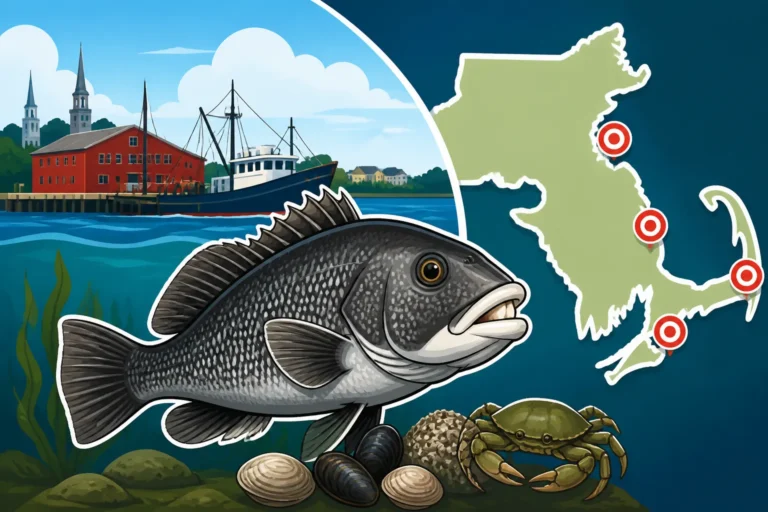
Beyond these two mainstays, summer brings excellent opportunities for fluke, which love the sandy bottoms of the Sound. Targeting fluke often involves drifting with bucktail jigs or bait, trying to cover as much ground as possible. Black sea bass are another prized catch, frequently found around rocky bottoms, wrecks, and artificial reefs. They offer a feisty fight and are delicious table fare. And let’s not forget scup, a plentiful and fun-to-catch species that provides consistent action, especially for families and beginner anglers. These fish will readily hit small baits and can be found almost anywhere with a bit of structure.
Shore Fishing Opportunities in Nantucket Sound
You don't need a boat to experience fantastic fishing in Nantucket Sound. The mainland side, particularly along the southern coast of Cape Cod, offers numerous public beaches and jetties. Areas around Hyannis, Dennis, and Harwich all have accessible spots where you can cast a line. For instance, the jetties and beaches near Hyannis Port can be excellent for striped bass and bluefish, especially during dawn and dusk. Early morning is often prime time before beachgoers arrive.
When surfcasting, look for features that break up the uniform sandy bottom – a rocky outcrop, a deeper trough, or even a subtle point can concentrate bait and, consequently, game fish. Tides play a crucial role, with the incoming or outgoing tide often being the most productive as water movement stirs up bait. For those keen on mastering the art of casting from the sand, our guide on Massachusetts Surf Fishing Techniques can offer invaluable advice. Local bait shops, like those in Falmouth or Hyannis, are also fantastic resources for current conditions and what's biting.
Boat Fishing Hotspots and Techniques
For those with access to a boat, Nantucket Sound opens up a whole new world of possibilities. One of the most famous areas is the "rips" where strong currents create turbulent water. These rips, like those off Monomoy Island (though technically just east of the Sound's official boundary, they are heavily influenced by its dynamics), are incredible feeding grounds for large striped bass and bluefish. Drifting live eels, chunk bait, or casting large topwater plugs and stickbaits into these turbulent waters can produce explosive strikes.
Other boat fishing hotspots include the numerous shoals and channels scattered throughout the Sound. For instance, Horseshoe Shoal is well-known for fluke and scup, while deeper channels and humps might hold black sea bass. Trolling with tubes and worms or umbrella rigs is a classic and effective method for covering ground and finding striped bass. Bottom fishing with squid, clams, or cut bait is excellent for fluke, scup, and black sea bass over sandy or rocky bottom structures. Remember to consult a marine chart to identify navigation hazards and potential fishing spots. If you're considering a more specialized trip, looking into Massachusetts Striped Bass Charters might be a great option.
Martha's Vineyard: A Fishing Paradise
Martha's Vineyard isn't just a picturesque vacation spot; it's a world-class fishing destination that offers a truly unique angling experience. The island's varied coastline, from sandy beaches to rocky shores and deep channels, provides habitat for an incredible diversity of fish.
Iconic Martha's Vineyard Fishing Locations
The fishing around Martha's Vineyard is truly legendary. The Gay Head Cliffs (Aquinnah Cliffs) on the western tip of the island, while offering breathtaking views, also provide access to some fantastic shore fishing. The deep, turbulent waters here can hold large striped bass and bluefish, especially at the change of tides. You'll need to be physically fit and mindful of safety due to the rugged terrain. Similarly, the Cape Poge Gut on Chappaquiddick Island is a notorious spot known for its strong currents and excellent striper fishing, particularly for those willing to brave the currents in a boat.
For more accessible shore fishing, State Beach, running between Oak Bluffs and Edgartown, is a popular spot for families, offering good opportunities for scup and smaller stripers. Wasque Point (also on Chappy) is another famous shore fishing locale, particularly known for its strong rips and potential for large bluefish and stripers during the migratory runs. If you're exploring the island by boat, the waters off Nomans Land Island, a small uninhabited island southwest of Martha's Vineyard, are renowned for offshore species, though restricted areas must be respected. The fishing access around the entire island is simply phenomenal, rivaling some of the Best Saltwater Fishing Spots on Cape Cod, Massachusetts.
Targeting Specific Species Around the Island
When targeting striped bass around Martha's Vineyard, live bait such as eels, pogies (menhaden), or mackerel are highly effective, especially when fished around rips and rocky structures. Large topwater plugs or soft plastics can also be deadly during low light conditions or when fish are actively feeding on the surface. For an in-depth look at how to target these beauties, check out our guide on How to Catch Striped Bass in Massachusetts. Bluefish are less particular and will aggressively strike most lures, especially metal jigs, poppers, and even chunk bait.
Fluke fishing is excellent over the sandy flats and shallower areas, particularly within Vineyard Sound (the body of water north of Martha's Vineyard, connecting to Nantucket Sound). Drifting with bucktail jigs tipped with Gulp! or strips of squid is a proven method. Black sea bass can be found in rocky areas and around wrecks, often caught using jigs tipped with bait or squid strips. Remember to always be aware of the Massachusetts Saltwater Bag Limits by Species to ensure you're fishing legally and sustainably.
Practical Tips for Island Angling
Fishing on Martha's Vineyard often involves navigating island logistics. If you're bringing your own vehicle, booking a ferry well in advance is essential, especially during peak season. Alternatively, you can rent a car on the island or utilize local transportation. Many local bait and tackle shops, such as Coop's Bait & Tackle in Edgartown or Larry's Tackle Shop in Edgartown, are excellent resources for local knowledge, bait, and gear. They can give you up-to-the-minute reports on what’s biting and where.
Weather conditions, especially wind and fog, can change rapidly, so always check the marine forecast before heading out. Safety is paramount, particularly if you're fishing from the more exposed areas of the island. Bringing appropriate foul-weather gear, a headlamp for night fishing, and plenty of water is always a good idea. Consider planning your trip around the major Massachusetts Fishing Seasons Explained to ensure you're targeting fish when they are most active in these waters.
Essential Gear and Bait for Success
Having the right equipment can significantly enhance your fishing experience and increase your chances of success in Nantucket Sound and Martha's Vineyard. This isn't just about having expensive gear, but having the appropriate gear for the conditions and the fish you're targeting.
Rods, Reels, and Lines for Saltwater Action
For most shore and inshore boat fishing for striped bass and bluefish, a medium-heavy to heavy spinning rod in the 7 to 10-foot range is ideal. This length provides good casting distance from shore and enough backbone to handle larger fish. Pair this with a durable, corrosion-resistant spinning reel in the 5000-8000 series, spooled with 30-50 lb braided line. Braided line offers superior casting distance and sensitivity, which is crucial for feeling subtle bites. Attach a 30-50 lb fluorocarbon leader, about 3-4 feet long, to your braid via a strong knot like a FG or Albright knot.
For bottom fishing for fluke, scup, or black sea bass, a lighter setup can be more enjoyable. A medium-action spinning rod (6.5 to 7.5 feet) with a 3000-4000 series reel spooled with 20-30 lb braid is usually sufficient. The lighter tackle makes the fight with these panfish more fun and still has enough power to handle a decent-sized fluke. Always rinse your rods and reels thoroughly with fresh water after each outing to prevent saltwater corrosion, extending the life of your valuable equipment.
Lures, Baits, and Tackle Box Must-Haves
The choice of lures and bait can be critical. For striped bass and bluefish, an assortment of topwater poppers and walk-the-dog lures (like those from Guppy Lures or Gibbs Lures), lipped swimming plugs, and soft plastic paddletails (like those from Slug-Go or Hogy) are indispensable. Metal jigs, such as diamond jigs or Kastmasters, are also highly effective, especially when fish are feeding on baitfish like sand eels or peanut bunker. Live eels are a perennial favorite for large stripers, particularly when fished at night or in strong current.
For bottom feeders, natural bait often outperforms artificials. Fresh squid, cut into strips, is a universal bait for fluke, black sea bass, and scup. Clams, especially fresh shucked ones, are deadly for scup and tautog (though tautog are less common in the open Sound/Vineyard waters, they are present in rocky areas). Gulp! soft plastic baits, particularly grub or swimming mullet patterns, are fantastic artificial alternatives that often entice hits when natural bait is scarce. Don't forget an assortment of swivels, sinkers (bank or pyramid sinkers in various weights), and sharp hooks (circle hooks are often preferred for conservation and easy removal).
Understanding Tides, Currents, and Weather Patterns
Fishing success in saltwater, particularly in dynamic areas like Nantucket Sound and around Martha's Vineyard, is intrinsically linked to understanding and interpreting the natural forces at play. Ignoring these factors is akin to trying to drive blindfolded.
The Impact of Tides on Fishing Success
Tides are arguably the most critical factor in saltwater fishing. The movement of water, driven by the gravitational pull of the moon and sun, influences everything from bait movement to fish feeding patterns. In Nantucket Sound, the strong tidal currents can create "rips" where baitfish are swept along, creating prime ambush points for predatory fish like striped bass and bluefish. The incoming tide often pushes warmer, bait-rich ocean water into the Sound, activating feeding. Conversely, an outgoing tide can pull bait out of estuaries and bays, creating feeding frenzies at their mouths.
Around Martha's Vineyard, tidal currents can be particularly strong in passages like the Cape Poge Gut or the waters off Gay Head. Fishing these areas during the peak of the tide (either incoming or outgoing) can be incredibly productive, but also challenging for boaters due to the strong currents. Slack tide, the period of minimal water movement between the incoming and outgoing tides, can sometimes offer a brief window of opportunity for different species or a chance to fish areas that are otherwise too turbulent. Consulting a local tide chart is not just recommended, it's essential for planning any fishing trip in these waters.
Weather Considerations for Safe and Productive Trips
Beyond tides, weather plays a huge role. Wind, in particular, can make or break a fishing day. Strong winds can create choppy conditions, making it uncomfortable and even unsafe to be on the water. It can also make casting difficult for shore anglers and muddy the water, reducing visibility for both fish and fisherman. A good rule of thumb is to look for winds below 15 knots, especially if you're in a smaller boat. Knowing how Wind direction affects surf fishing on Cape Cod can directly apply to the exposed beaches of the Vineyard and the mainland side of Nantucket Sound.
Fog is another common weather phenomenon, especially in spring and early summer mornings, which can drastically reduce visibility and make navigation hazardous. Always carry appropriate navigation equipment (GPS, compass) and sound signals if boating. Rain, while often unpleasant for anglers, doesn't necessarily deter fish. In fact, a light drizzle can sometimes improve fishing by knocking insects into the water or creating low-light conditions that encourage fish to feed more aggressively. However, thunderstorms with lightning should always be avoided for safety reasons. Always prioritize safety over catching fish.
| Species | Peak Season | Common Habitat | Preferred Bait/Lure (General) | Massachusetts Bag Limit (Example – Striped Bass) |
|---|---|---|---|---|
| Striped Bass | May – October | Rips, shoals, rocky points, beaches | Eels, topwater plugs, soft plastics | 1 fish, 28 to less than 31 inches |
| Bluefish | June – September | Open water, rips, beaches | Metal jigs, poppers, chunk bait | 3 fish (private vessel), 5 fish (for-hire) |
| Fluke | June – September | Sandy flats, channels | Squid strips, Gulp!, bucktail jigs | 5 fish, 16.5 inch minimum |
| Black Sea Bass | Mid-May – Early Sep | Rocky bottoms, wrecks, artificial reefs | Squid strips, jigs, crab | 5 fish, 15 inch minimum |
| Scup (Porgy) | May – October | Hard bottom, sandy areas with structure | Clams, squid, worms | 30 fish, 10 inch minimum |
Note: Bag and size limits are subject to change. Always consult the latest Massachusetts Recreational Fishing Rules and Bag Limits before heading out.
Chartering a Course: When to Consider a Guided Trip
While exploring these waters on your own is an adventure in itself, sometimes the best way to maximize your chances of success, especially in unfamiliar territory, is to enlist the help of a local expert. A guided fishing trip can provide an unparalleled experience, blending local knowledge with top-notch equipment.
Benefits of Local Knowledge
Hiring a fishing charter or guide in Nantucket Sound or around Martha's Vineyard offers significant advantages. These captains and guides spend countless hours on the water and possess an intimate understanding of the local fishing grounds. They know where the fish are holding, what they're biting on, and how to effectively present bait or lures for a successful catch, often adapting their strategies based on real-time conditions. This local insight goes far beyond what a general map or online forum can provide. They're also often plugged into the broader fishing community, hearing about hot bites and migratory movements, which is particularly valuable for species like tuna or shark.
Beyond just finding fish, guides can teach you specific techniques that are most effective for these waters, whether it's jigging in a strong current or presenting a live eel. They can also provide all the necessary gear, bait, and tackle, taking the guesswork out of what to bring. This is especially helpful if you're traveling from out of state or are new to saltwater fishing. For anyone looking for a truly productive day, learning from a seasoned local is an investment in your fishing education. Many Cape Cod Fishing Charters Guide for Massachusetts Anglers extend their services to the Sound and Vineyard.
Booking Your Adventure
Booking a fishing charter or guide is easier than ever thanks to online platforms. Websites like FishingBooker provide a convenient way to browse numerous local captains, compare their offerings, read reviews from other anglers, and book your trip directly. You can filter by location (e.g., Martha's Vineyard, Falmouth, Hyannis), target species (striped bass, bluefish, fluke), trip duration (half-day, full-day), and even boat type. This transparency allows you to find a captain that perfectly matches your fishing goals and budget.
When you're ready to book, be sure to communicate clearly with the captain about your expectations and any specific species you'd like to target. Ask about what's included (license, bait, tackle, fish cleaning) and what you should bring (food, drinks, sunscreen, appropriate clothing). Remember that during peak season, especially for popular destinations like Martha's Vineyard, charters can book up months in advance, so plan ahead. You can find excellent options for Massachusetts Striped Bass Charters through these platforms, ensuring you get on the water with a reputable guide. Many charters even cater to families, making it a perfect activity for all ages.
Conservation and Responsible Fishing Practices
The abundant fisheries of Nantucket Sound and Martha's Vineyard are a precious resource, and it's our collective responsibility as anglers to protect them for future generations. Practicing responsible fishing habits is not just about following the law; it's about respecting the environment and ensuring the long-term health of the marine ecosystem.
Adhering to Massachusetts Regulations
Before casting a line, it's absolutely crucial to understand and adhere to all Massachusetts fishing regulations. This includes obtaining the appropriate fishing license – a Massachusetts Saltwater Recreational Fishing Permit is required for anyone 16 years or older to fish in the marine waters of the Commonwealth, which includes Nantucket Sound and the waters around Martha's Vineyard. You can easily purchase one online through MassFishHunt. Ignoring this simple step can result in fines and legal trouble, so ensure you have your Massachusetts Fishing License Guide sorted out.
Beyond the license, familiarize yourself with the specific size limits, bag limits (the number of fish you can keep), and season dates for the species you intend to target. For instance, the Massachusetts Striped Bass Slot Limit Explained is designed to protect breeding-age fish. These regulations are regularly updated based on scientific data and conservation needs, so it’s important to check the latest rules before each fishing season. The Massachusetts Division of Marine Fisheries (DMF) website is the official source for this information. Bringing a ruler or tape measure is essential for verifying fish sizes before retaining them.
Protecting the Local Fisheries
Beyond legal requirements, practicing ethical angling helps preserve the resource. Catch and release is a vital conservation practice, especially for larger breeding-size fish. If you plan to release a fish, handle it minimally, use barbless hooks if possible, and revive it gently before letting it go. Avoid excessive "hero shots" that keep fish out of water for too long. For species like striped bass, understanding how to properly release a fish that's outside the slot limit or simply larger than you wish to keep is paramount.
Another important aspect is avoiding waste. Only keep what you can realistically eat or process. Releasing fish that are still healthy ensures they can continue to reproduce. Properly disposing of all trash, including discarded fishing line and broken lures, is also critical. These items can pose significant hazards to wildlife. Finally, be mindful of sensitive habitats. Avoid disturbing nesting birds, seals, or other marine life. By fishing responsibly, we can all contribute to keeping Nantucket Sound and Martha's Vineyard a vibrant fishing destination for years to come.
Disclaimer
Please be aware that fishing regulations, including licensing requirements, size limits, and bag limits, are subject to change by the Massachusetts Division of Marine Fisheries. Always consult the most current regulations from official sources before engaging in any fishing activities. This guide is for informational purposes only and does not constitute legal advice. Fishing, especially from boats or exposed shorelines, carries inherent risks; always prioritize safety and check weather and marine forecasts before heading out.