Long Pond Fishing in Southeastern Massachusetts
Trying to find that perfect fishing spot that offers both ample opportunity and a peaceful escape can be a real challenge, especially when you're navigating the vast options across Massachusetts. You want a place that's consistently productive, easy to access, and perhaps less crowded than some of the more famous destinations. This comprehensive guide is designed to cut through the noise, offering you everything you need to know about successfully fishing Long Pond in Southeastern Massachusetts, from species to seasons to the nitty-gritty of regulations.
Understanding Long Pond's Unique Appeal
Long Pond isn't just any body of water; it's a significant natural resource in Southeastern Massachusetts, offering anglers a vast and varied fishing experience. Its reputation for diverse species and beautiful surroundings makes it a perennial favorite for both seasoned locals and those new to the area.
Where Long Pond Sits in Southeastern Massachusetts
Nestled between the towns of Lakeville and Freetown, Long Pond holds the distinction of being one of the largest natural freshwater ponds in Massachusetts. Its sheer size – over 1,700 acres – means there's always a new cove, point, or drop-off to explore. The pond's location, easily accessible from major routes, makes it a convenient destination for anglers coming from Boston, Providence, or even further afield in New England. It's a true regional gem, providing a freshwater oasis within a relatively short drive from densely populated areas.
The surrounding landscape is a mix of residential properties, wooded areas, and some open space, giving it a balanced feel. You'll find a blend of peaceful natural stretches and areas where the pond feels more alive with recreational activity. Understanding this geographical context helps set expectations: while you might find solitude in some corners, other parts of the pond are popular hubs of activity, particularly on warmer weekends. This balance contributes to Long Pond's character, making it appealing to various types of outdoor enthusiasts.
The Sheer Size and Diverse Habitats
At over 1,700 acres, Long Pond isn't a place you can fully explore in a single day, and that's precisely part of its charm. Its expansive surface area is matched by considerable depth, plunging down to over 60 feet in some locations. This creates a wide array of underwater environments, from shallow coves filled with lily pads and emergent vegetation to deep, rocky drop-offs and open water basins. Such habitat diversity is a key factor in why Long Pond supports such a robust and varied fish population.
Think about it: shallow areas warm up quickly in spring, becoming prime feeding grounds for bass and panfish. As summer progresses, fish might retreat to the cooler, deeper waters, or seek out submerged structure along contours. Even in winter, the deeper sections provide critical oxygen and thermal stability for fish under the ice. This means that no matter the season or the specific species you're targeting, Long Pond likely has the perfect conditions somewhere within its vast expanse. This variety also means you can experiment with different fishing techniques, from casting topwater lures in the shallows to jigging deep humps.
Getting on the Water: Access Points and Boating
One of the great things about Long Pond is its accessibility. While it's a large body of water with many private residences along its shores, there are excellent public access points that make it easy for almost anyone to get out and enjoy the fishing.
Public Boat Ramps and Parking Considerations
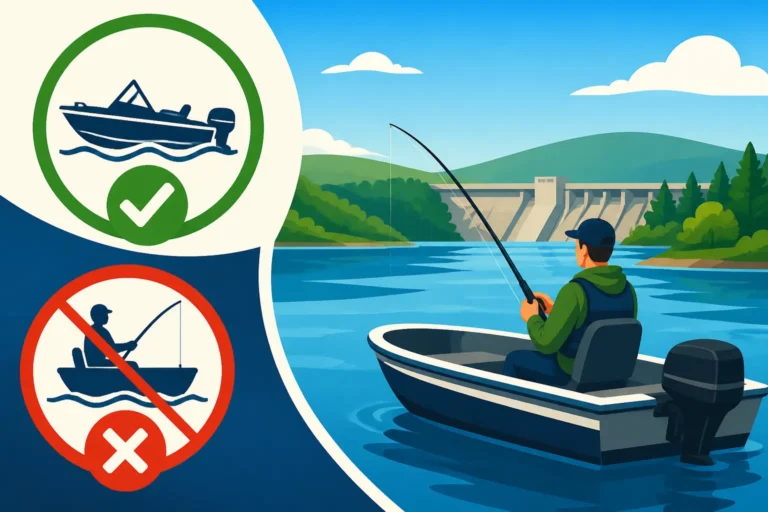
For those with trailered boats, Long Pond offers a convenient public boat ramp maintained by the Massachusetts Department of Fish and Game (MassWildlife). This ramp is typically found in Lakeville and provides ample parking for vehicles with trailers. It's a concrete ramp, generally well-maintained, making launching and retrieving a smooth process for most boats, from bass boats to larger pleasure craft. However, like any popular spot, it can get busy, especially on weekends during peak fishing and boating seasons. Arriving early is often a good strategy to secure a parking spot and avoid long waits at the ramp.
When planning your trip, always double-check the current conditions and any specific rules posted at the ramp. While the main ramp is quite accommodating, understanding the flow of traffic and being considerate of other boaters will make everyone's experience better. Remember that parking is often limited to designated spots for vehicles with trailers, so avoid parking in areas reserved for single vehicles or blocking access points. If you're looking for a hassle-free launch, the MassWildlife ramp is your go-to.
Kayak, Canoe, and Small Boat Access
If you're a paddler or have a smaller car-top boat, Long Pond is also very friendly. The main boat ramp can certainly be used, but there are often other informal access points or designated areas for launching kayaks and canoes, especially in quieter coves or state-owned land. These spots might not have paved ramps, but they offer easy carry-in access, allowing you to bypass the busier powerboat traffic. This is particularly appealing for those seeking a more tranquil fishing experience or wanting to access specific areas that might be harder to reach with a larger vessel.
Paddling Long Pond offers a unique perspective and allows you to silently approach fishing spots that might be spooked by larger motors. Just be mindful of the pond's size; strong winds can kick up significant chop, making paddling challenging. Always check the weather forecast before heading out, and wear your personal flotation device (PFD). Exploring the pond's many coves and weed beds from a kayak or canoe is an incredibly rewarding way to fish, offering both exercise and excellent angling opportunities for species like largemouth bass and panfish.
Navigating Long Pond: Depths and Hazards
Long Pond, with its impressive depths reaching over 60 feet, can present some navigation challenges if you're not paying attention. While the main body of the pond is generally open, there are numerous submerged structures, rock piles, and varying depths that require a keen eye or, better yet, a good depth finder and GPS. Many of the best fishing spots are often associated with these underwater features, so understanding the contours is key. Always be aware of your surroundings, especially in shallower areas or near shorelines, where hidden rocks or stumps might lurk just beneath the surface.
For those operating powerboats, it’s advisable to consult a detailed marine chart of Long Pond, if available, or rely heavily on your electronics to map out the bottom structure. The MassWildlife website or local tackle shops can sometimes provide valuable insights into potential hazards or popular fishing areas. Also, be mindful of other recreational users – swimmers, kayakers, and personal watercraft can all be present, particularly during warmer months. Adhering to safe boating practices and speed limits will ensure a pleasant and secure experience for everyone enjoying the waters of Long Pond.
What You'll Be Catching: Target Species
Long Pond is celebrated for its diverse freshwater fishery, hosting an impressive array of species that appeal to anglers of all skill levels. From powerful predators to tasty panfish, there's always something biting in these waters.
The Reign of Largemouth and Smallmouth Bass
When you talk about fishing Long Pond, the conversation almost always turns to bass. Both largemouth and smallmouth bass thrive here, offering fantastic action for those targeting these popular game fish. Largemouth bass tend to dominate the shallower, weedy coves and areas with plenty of submerged structure, ambushing prey from cover. You'll find them holding tight to lily pads, fallen trees, and docks, particularly during the warmer months. These fish can grow to impressive sizes in Long Pond, with many anglers reporting catches over the 5-pound mark regularly. For those specifically interested in how to catch these exciting fish, our guide on how to catch largemouth bass in Massachusetts offers even more detailed tips.
Smallmouth bass, on the other hand, prefer the deeper, clearer, and often rockier areas of the pond. They're more commonly found around points, humps, and abrupt drop-offs where they can chase baitfish in open water. While not typically reaching the same maximum size as largemouths in this particular pond, smallmouths are renowned for their fierce fighting spirit and acrobatic jumps once hooked. Understanding the key differences between these two species, as highlighted in our article on largemouth vs smallmouth bass in Massachusetts, will significantly boost your success. Long Pond provides ample habitat for both, making it an excellent destination for multispecies bass anglers.
Panfish Galore: Perch, Crappie, and Sunfish
Beyond the bass, Long Pond is an absolute paradise for panfish enthusiasts. Yellow perch, black crappie, and various sunfish species like bluegill and pumpkinseed are abundant throughout the pond. These smaller fish are fantastic targets for beginners, kids, or anyone looking for consistent action and delicious table fare. They often congregate in large schools, especially around docks, weed edges, and submerged brush piles. A simple bobber setup with a worm or a small jig is often all it takes to get them biting.
Yellow perch are particularly plentiful and offer great sport on light tackle. They're often found in slightly deeper waters than sunfish, especially during cooler months, and make for excellent eating. Crappie fishing can be phenomenal, especially in spring and fall when they move into shallower areas to spawn or feed aggressively. Finding a school of crappie can lead to non-stop action, with anglers sometimes catching dozens in a single outing. For dedicated panfish anglers, explore our guide on crappie fishing in Massachusetts ponds for more specific tactics. These panfish are a vital part of Long Pond's ecosystem and provide endless hours of fun.
Predatory Favorites: Chain Pickerel and Occasional Trout
Long Pond also holds a healthy population of chain pickerel, another aggressive freshwater predator. Pickerel are often found lurking in the same weedy, shallow areas as largemouth bass, and they're known for their voracious appetites and sharp teeth. They strike artificial lures with incredible speed and can put up a surprisingly strong fight, especially on lighter gear. While not as universally sought after as bass, chain pickerel provide exciting, unpredictable action and are a true sport fish. If you're keen on targeting these toothy critters, our guide to chain pickerel fishing in Massachusetts provides excellent strategies.
While Long Pond is predominantly a warmwater fishery, MassWildlife does occasionally stock certain sections with trout, particularly rainbow trout, typically in the spring or fall. These stockings are usually aimed at providing immediate recreational opportunities, and while trout might not thrive long-term in the warmer waters of a large pond like Long Pond, they offer a fun bonus for anglers who happen upon them. Targeting trout typically involves different methods, often using small inline spinners, powerbait, or worms. It's always a good idea to check the MassWildlife stocking schedule to see if Long Pond is on the list for any seasonal trout releases.
Mastering the Techniques for Long Pond
To truly unlock Long Pond's fishing potential, you need to understand the techniques that work best for its diverse inhabitants. From the aggressive strikes of bass to the subtle nibbles of panfish, having the right approach can make all the difference.
Best Baits and Lures for Bass Success
For largemouth bass in Long Pond, versatility is key. In the spring and early summer, when bass are shallower and more active, topwater lures like frogs, poppers, and walking baits can be incredibly effective, especially in the early morning or late evening. Think about casting a Spro Bronzeye Poppin' Frog over lily pads or working a Heddon Zara Spook along a weed line – the explosive strikes are unforgettable! As the season progresses and fish move deeper, plastic worms (like Texas-rigged or Carolina-rigged senkos or trick worms), jigs, and spinnerbaits become go-to choices. Flipping jigs into heavy cover or slowly dragging a worm along a drop-off can entice strikes from wary bass.
Smallmouth bass, given their preference for rocky and open water habitats, often respond well to crankbaits, jerkbaits, and tube jigs. Targeting them with a Rapala Shad Rap or a Strike King Coffee Tube around deep structure can be highly productive. During the colder months, blade baits or drop-shot rigs are excellent for picking up lethargic smallies from the depths. Remember, Long Pond has a vast amount of water, so don't be afraid to experiment with different presentations and retrieve speeds until you find what the bass are keying in on.
Tackling Panfish with Light Gear
Panfish like yellow perch, crappie, and sunfish are incredibly responsive to light tackle and small baits, making them perfect targets for a relaxed day on the water. For perch and sunfish, a simple ultralight spinning rod rigged with a small hook, a split shot, and a bobber is often all you need. Live bait such as worms, mealworms, or small shiners are irresistible to them. Cast near docks, fallen trees, or the edges of weed beds, and you'll likely find action quickly. For crappie, tiny jigs (1/32 to 1/16 ounce) tipped with a small plastic grub or a live minnow under a bobber can be deadly.
Fishing for panfish is a fantastic way to introduce kids to fishing, as the action is often consistent, keeping their interest piqued. Plus, many of these species are quite tasty! Our guide to yellow perch fishing in Massachusetts provides more insights into specific tactics for these popular panfish. Don't underestimate the fun of panfishing; it's a staple of freshwater angling for a reason, and Long Pond offers some of the best opportunities in the region.
Seasonal Strategies: Spring, Summer, Fall, and Ice Fishing
Long Pond offers fantastic fishing year-round, but your strategies will need to adapt with the seasons.
- Spring: This is prime time as water temperatures rise, and fish become highly active. Bass move into the shallows for spawning, making them vulnerable to jigs, spinnerbaits, and slow-moving crankbaits. Panfish also congregate in warmer, shallow areas. This is often the best time for sheer numbers.
- Summer: As waters warm further, fish may move to deeper, cooler areas during the day. Early morning and late evening topwater action for bass can be explosive, but midday fishing often requires targeting deep structure with soft plastics, jigs, or slow trolling. Panfish can still be found around weed beds, but often a bit deeper.
- Fall: As temperatures drop, many fish go on a feeding frenzy, bulking up for winter. This "fall bite" can be incredibly productive, especially for bass, which will hit crankbaits, jerkbaits, and swimbaits aggressively. Pickerel also become very active.
- Ice Fishing: Long Pond is a very popular ice fishing destination when the ice is safe. Tip-ups set with live shiners are excellent for pickerel, bass, and even some larger perch. Jigging with small spoons or ice jigs tipped with a grub or worm is effective for perch and crappie. Always prioritize safety on the ice; check our guide on Massachusetts ice fishing techniques for Massachusetts ponds for crucial safety tips before venturing out.
| Fish Species | Best Baits/Lures | Preferred Habitat | Peak Season |
|---|---|---|---|
| Largemouth Bass | Plastic worms, Jigs, Spinnerbaits, Topwater | Weedy coves, Docks, Fallen trees | Spring, Early Summer, Fall |
| Smallmouth Bass | Crankbaits, Jerkbaits, Tube jigs, Drop-shot | Rocky points, Deep humps, Drop-offs | Spring, Summer (deep), Fall |
| Yellow Perch | Worms, Mealworms, Small jigs, Shiners | Weed edges, Drop-offs, Brush piles | Year-round, excellent through the ice |
| Black Crappie | Small jigs, Live minnows | Submerged brush, Docks, Overhangs | Spring (spawn), Fall, Ice fishing |
| Chain Pickerel | Spinnerbaits, Spoons, Live shiners | Heavy weeds, Shallow cover | Spring, Fall, Ice fishing |
| Sunfish (Bluegill, Pumpkinseed) | Worms, Tiny jigs, Crickets | Shallow weeds, Docks, Lily pads | Summer, Late Spring |
Navigating Regulations and Essential Gear
Before you cast a line into Long Pond, it's crucial to understand the rules and regulations that govern fishing in Massachusetts. These aren't just suggestions; they're in place to protect the fishery and ensure everyone can enjoy it responsibly.
Massachusetts Fishing License Requirements
No matter where you plan to fish in Massachusetts, whether it's a vast pond like Long Pond or a small stream, you'll need a valid Massachusetts fishing license. This applies to most individuals aged 15 and older. The good news is that acquiring one is pretty straightforward. You can easily purchase a license online through the MassFishHunt system, or visit an authorized vendor, often a local tackle shop or sporting goods store. A freshwater license is what you'll need for Long Pond. For a complete rundown on how to obtain your permit, check out our comprehensive Massachusetts Fishing License Guide.
It's tempting to think you can sneak by without one, especially if you're just "casually" fishing, but the penalties for fishing without a license can be steep. Not only does your license support vital conservation efforts and fish stocking programs across the state, but carrying proof of it is a legal requirement. Make sure your license is current and that you understand any specific endorsements or stamps, like the Massachusetts Wildlands Conservation Stamp, which might apply depending on your activities. If you have questions about specific age requirements, our article on Massachusetts fishing license requirements by age can clarify things further.
Understanding Daily Limits and Rules
Beyond the license, it’s vital to be aware of the daily bag limits and length regulations for each species you might encounter in Long Pond. These rules are set by MassWildlife to manage fish populations sustainably. For instance, there are specific length minimums and daily possession limits for bass, pickerel, and trout. Keeping fish that are too small or exceeding the daily bag limit can result in fines. It's not just about avoiding penalties; it's about being a responsible angler and contributing to the health of the fishery for future generations.
Before each trip, it’s a good practice to quickly consult the current Massachusetts Freshwater Daily Catch Limits. These regulations can change from year to year, so relying on old knowledge isn't advisable. You can typically find a printed guide at tackle shops or download the latest regulations from the MassWildlife website. Knowing these limits ensures you're compliant and helps conserve the precious resources of Long Pond. Always measure your fish carefully and release anything that doesn't meet the legal requirements, or if you simply don't plan to keep it for consumption.
Packing Smart for a Day on Long Pond
A successful day of fishing isn't just about knowing where and how to cast; it's also about being prepared for whatever the day might throw at you. Long Pond is large, and a long day on the water requires some thoughtful packing. Beyond your rods, reels, and tackle box filled with the lures and baits discussed earlier, consider these essentials:
Firstly, hydration and snacks are non-negotiable. Bring plenty of water, especially during warmer months, and some easy-to-eat snacks to keep your energy up. Secondly, sun protection is paramount. A good wide-brimmed hat, polarized sunglasses, and high-SPF sunscreen will protect you from the intense sun reflected off the water. Even on cloudy days, UV rays can be damaging. Thirdly, weather-appropriate clothing is key. Layers are always a good idea, as temperatures can fluctuate throughout the day. A waterproof jacket is also smart, as sudden rain showers can pop up. Finally, don't forget a first-aid kit, a pair of pliers for hook removal, and a measuring tape or bump board to ensure your catches meet legal size requirements. A cooler with ice will also be essential if you plan to keep any fish for dinner.
Making the Most of Your Southeastern Massachusetts Trip
Fishing Long Pond can be the highlight of your outing, but Southeastern Massachusetts offers a wealth of other experiences that can round out your trip, whether you're bringing the family or just looking for a bit more adventure.
Beyond Fishing: Local Amenities and Natural Beauty
The towns surrounding Long Pond, Lakeville and Freetown, as well as nearby communities, offer a variety of amenities and attractions. If you need to resupply on bait or tackle, there are local shops that cater to anglers. These spots are often invaluable for getting up-to-the-minute local fishing reports and expert advice, far more specific than anything you'll find online. After a long day on the water, you'll find options for a casual meal, from local diners to pizza places. Many visitors enjoy exploring the Freetown-Fall River State Forest, which boasts miles of hiking and biking trails, offering another way to immerse yourself in the natural beauty of the region.
The area is also steeped in history, with many quaint New England towns nearby. Consider taking a drive through some of the scenic backroads or visiting a local farm stand for fresh produce if you're in the area during harvest season. It's a great opportunity to combine your passion for fishing with some broader exploration of what this beautiful part of Massachusetts has to offer. Whether it's birdwatching, picnicking, or simply enjoying the peaceful landscape, there's plenty to do for every member of the family.
Considering a Guided Experience
While Long Pond is accessible for independent anglers, if you're new to the area or keen on quickly learning the best spots and techniques, considering a guided fishing trip can be incredibly beneficial. Although dedicated charters on Long Pond itself are less common due to its freshwater nature, many excellent freshwater fishing guides operate in Southeastern Massachusetts. These guides possess invaluable local knowledge, knowing precisely where the fish are holding based on current conditions and which baits are producing. They often have specialized gear and boats perfectly suited for navigating these waters, enhancing your chances of a successful and educational day.
Even if you're not specifically looking for a guide on Long Pond, platforms like FishingBooker can be an excellent resource for finding reputable fishing guides or charters in the wider Massachusetts region, especially if you want to explore other nearby lakes or even saltwater opportunities on the coast. A guided trip can provide a steep learning curve, teach you new tactics, and help you unlock areas of the pond you might otherwise overlook. It's an investment in your fishing education and can turn a good day into a truly memorable one, especially for targeting specific species or mastering new techniques.
Disclaimer
Please note that fishing regulations, conditions, and access points can change. Always consult the most current Massachusetts Department of Fish and Game (MassWildlife) regulations and local advisories before planning your trip to Long Pond or any other fishing destination in Massachusetts. This guide is for informational purposes only and does not constitute official legal advice.