Where to fish off Gloucester for cod
It can be incredibly disheartening to head out for cod fishing off Gloucester, only to come back with an empty cooler, feeling like you missed the secret spots or the right techniques. This comprehensive guide is dedicated to unraveling the mysteries of cod fishing in this historic Massachusetts port, offering seasoned advice on where to find these elusive bottom dwellers and how to effectively hook them, all while navigating the nuances of a fishery that demands respect and understanding.
Understanding Gloucester's Cod Fishery
Gloucester, Massachusetts, is steeped in fishing history, a place where generations have earned their living from the sea. Cod fishing, in particular, was once the backbone of this vibrant community. However, times have changed dramatically, and the cod fishery today is a far cry from its glory days. Anglers heading out of Gloucester need to approach cod fishing with realistic expectations, a deep understanding of the regulations, and a commitment to sustainable practices. It's not just about catching fish anymore; it's about appreciating the opportunity and contributing to conservation.
A Look Back: The Decline and Current Status
For centuries, the waters off Gloucester teemed with Atlantic cod, making it a fishing powerhouse. But overfishing, coupled with environmental changes, led to a severe depletion of cod stocks in the late 20th and early 21st centuries. This decline necessitated strict regulations to allow the populations to recover. Today, while recreational cod fishing is still permitted, it operates under very tight rules, including specific season dates, size limits, and bag limits. These regulations are designed to protect the remaining fish and help rebuild the stocks for future generations. It’s crucial for any angler planning a trip to be fully aware of the current Massachusetts recreational cod fishing rules before even casting a line.
Many seasoned anglers recall days when cod were abundant just a few miles offshore, but those days are largely in the past. Now, finding good numbers of cod often requires venturing further out, to deeper waters, and employing more sophisticated techniques. This reality shapes the entire cod fishing experience out of Gloucester, emphasizing patience, knowledge, and sometimes, a little bit of luck. The good news is that dedicated anglers still find success, proving that while challenging, the pursuit of cod remains a rewarding endeavor.
The Allure of Gloucester Cod
Despite the challenges, the allure of cod fishing out of Gloucester remains strong for many anglers. There's something deeply satisfying about dropping a line into the cold, deep waters of the North Atlantic and feeling the distinct thud of a cod taking your bait. Cod are not just a good fight; they are also fantastic table fare, with their flaky white meat being a culinary staple. The sheer beauty of being out on the ocean, with the rugged Cape Ann coastline receding into the distance, adds to the appeal.
Furthermore, a trip out of Gloucester isn't just about cod. These deep-sea excursions often present opportunities to catch other species like pollock, haddock, cusk, and even redfish, especially when targeting mixed bottom structure. So, even if the cod bite is slow, there's a good chance you'll still come home with a diverse catch for the dinner table. Many anglers opt for Massachusetts Deep Sea Fishing Charters precisely for this variety, enjoying the full offshore experience that Gloucester has to offer. It's an adventure, a connection to history, and a testament to the enduring spirit of fishing.
Prime Fishing Grounds for Cod Near Gloucester
When it comes to finding cod off Gloucester, location is everything. These fish are bottom dwellers, preferring cold, structured environments where they can ambush prey. This means you'll typically be looking for rockpiles, ledges, wrecks, and uneven seafloor topography rather than flat, sandy bottoms. Understanding the general areas and specific features that hold cod is the first step towards a successful trip.
Nearshore Bumps and Rockpiles
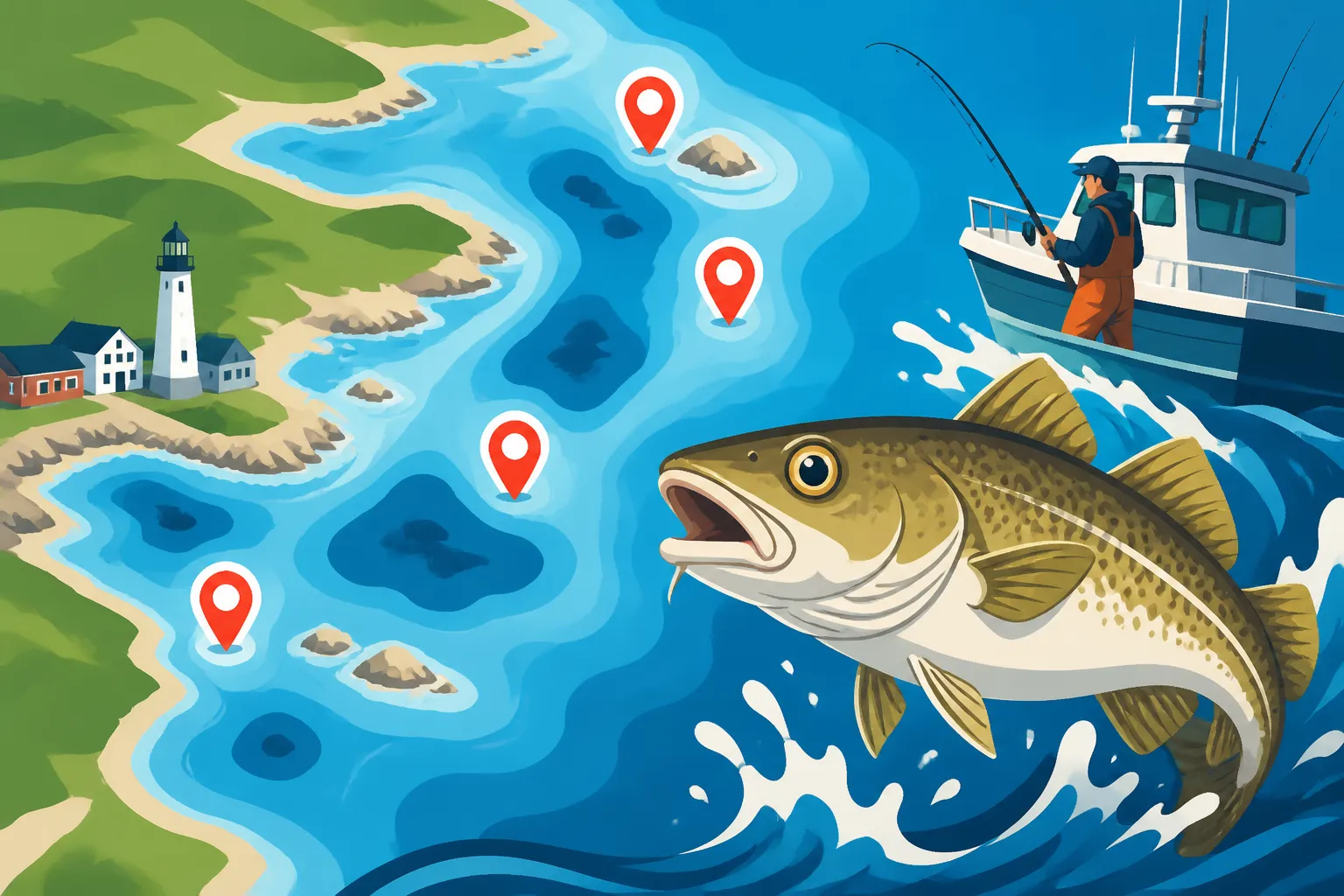
While the largest concentrations of cod often require a longer run offshore, there are still productive nearshore spots within a reasonable distance of Gloucester Harbor. These usually consist of isolated rockpiles, small ledges, or underwater bumps that rise from the seafloor. These structures act as magnets for baitfish and, consequently, for predators like cod and pollock. Depths in these areas can range from 80 to 200 feet, making them accessible to many private boats and smaller charters.
Identifying these spots often requires good charts and a reliable fishfinder. Local knowledge is invaluable here, as these smaller structures aren't always widely publicized. Many veteran Gloucester anglers have their secret spots, learned over years of trial and error. Some general areas to investigate on nautical charts include the broken ground directly east and southeast of Cape Ann, within a few miles of shore. These areas see less fishing pressure than the major offshore banks and can offer surprising results, especially during certain times of the year, like early spring or late fall when cod might move closer to shore.
Offshore Banks and Ledges
For consistent cod fishing and the chance at larger fish, venturing further offshore to the extensive banks and ledges is often necessary. These are the legendary fishing grounds that put Gloucester on the map. We're talking about significant underwater mountain ranges and vast plateaus that are ecological hotspots, teeming with marine life. These areas are characterized by dramatic depth changes, rocky bottoms, and strong currents, all of which create ideal habitats for cod. The runs can be anywhere from 20 to 50 miles or more offshore, requiring larger, more capable vessels and a willingness to commit to a full day of fishing.
When planning an offshore trip, consider the prevailing weather and sea conditions. A smooth ride out can quickly turn rough, so always check the marine forecast before departing. Many anglers book specialized charters for these longer trips, knowing that experienced captains have the boats, safety equipment, and the precise GPS coordinates for the most productive spots. If you're looking for an unforgettable experience, platforms like FishingBooker can help you find reputable Gloucester-based charters that specialize in these deep-sea expeditions, often combining cod fishing with targets like haddock or pollock.
Specific Spots: Stellwagen Bank and Jeffreys Ledge
Two names stand out above all others when discussing offshore fishing grounds for cod out of Gloucester: Stellwagen Bank and Jeffreys Ledge. These geological formations are not only prime cod habitats but also famous for holding a variety of other species and being feeding grounds for whales.
- Stellwagen Bank: Located roughly 25 miles east of Boston and extending north towards Cape Ann, Stellwagen Bank is a vast underwater plateau. While widely known for its whale watching, its western and northern edges, characterized by rocky bottom and sharp drop-offs, are excellent areas for cod. Depths around the bank can vary significantly, from 60 feet on top to several hundred feet on the edges. The northern part of the bank, closer to Gloucester, often holds productive concentrations of cod, haddock, and pollock. The complex topography and nutrient-rich waters make it a vibrant ecosystem, attracting large schools of baitfish, which in turn attract the groundfish.
- Jeffreys Ledge: Situated further northeast of Gloucester, Jeffreys Ledge is another major offshore fishing destination. This expansive rocky area features deep canyons, ledges, and hard bottom, providing perfect cover and feeding grounds for cod. Jeffreys Ledge typically requires a longer run, often 30-50 miles from Gloucester, but it can be incredibly rewarding. The sheer size and varied structure of the ledge mean there are countless spots to explore, from rocky humps to deep gulleys. This area is often fished by commercial trawlers and larger recreational boats due to its distance and potential for large catches. When considering a trip to these distant waters, it's wise to consult a guide or charter captain who has extensive experience with the Massachusetts Fishing Seasons Explained and conditions of these specific areas.
Best Techniques and Gear for Gloucester Cod
Once you've identified your target fishing grounds, having the right techniques and gear is paramount for success. Cod fishing is primarily a bottom-fishing game, meaning you'll be dropping baits or jigs down to the seafloor, often in significant depths and strong currents. This requires specialized equipment and a methodical approach.
Essential Gear for Bottom Fishing
For cod and other groundfish, you'll want a stout rod and a reliable reel capable of handling heavy weights and strong fish. A medium-heavy to heavy action conventional rod, typically 6 to 7 feet long, paired with a conventional reel like a Penn Fathom, Daiwa Saltist, or a sturdy Avet, spooled with 40 to 60 lb braided line is a solid setup. The braid provides excellent sensitivity and less drag in strong currents compared to monofilament, allowing you to feel even the most subtle bites at depth. A 50 to 100-pound fluorocarbon or monofilament leader, about 6 feet long, is recommended to absorb shock and provide abrasion resistance against rocky bottoms.
You'll need a variety of sinker weights, ranging from 8 ounces to as much as 2 pounds, depending on the current and depth. It's always a good idea to bring more sinkers than you think you'll need, as snags are common in rocky cod habitat. A sturdy gaff or a large landing net is essential for bringing larger fish aboard safely. Don't forget a cooler with plenty of ice to keep your catch fresh throughout the day. If you're new to this kind of fishing, many charter operators provide all the necessary gear, which is often included in the Massachusetts Charter Fishing Costs.
Go-To Baits and Jigs
When it comes to enticing cod, bait choice is critical. Fresh clam is perhaps the most universally effective bait for cod. Its strong scent disperses well in the water, attracting fish from a distance. Cut pieces of mackerel, herring, or squid can also be highly productive, especially when cod are actively feeding on these species. For convenience, many anglers buy frozen clam or mackerel, but fresh is always superior if available. Presenting bait on a high-low rig, also known as a daisy chain or bait-and-smasher rig, is a popular and effective method. This rig features two hooks spaced out, allowing you to present multiple baits at different depths just off the bottom.
Beyond bait, jigs are incredibly effective for cod, particularly when fish are aggressive or you're fishing in very deep water where feeling a bait bite can be challenging. Heavy metal jigs, ranging from 8 to 16 ounces, in diamond, hammered, or butterfly styles, are popular choices. Colors like silver, chartreuse, and glow-in-the-dark can be very effective. The technique involves dropping the jig to the bottom, then jigging it up and down with sharp lifts and drops, mimicking a wounded baitfish. Sometimes, tipping a jig with a strip of bait like squid or clam can increase its effectiveness. A good strategy is to have both bait and jig setups ready, allowing you to switch based on what the fish are responding to on a given day.
Tides and Conditions for Success
Understanding how tides and weather conditions affect cod fishing can significantly improve your chances. Cod, like many bottom feeders, tend to be more active during periods of moving water. This means the incoming and outgoing tides, particularly around the stronger parts of the tidal cycle, are often the most productive. The moving water stirs up the seafloor, dislodging bait and making it easier for cod to find food. Slack tide, when the current slows, can sometimes lead to a lull in activity, although cod can still be caught then.
Weather-wise, cod fishing is often best on calm days with light winds. While cod don't care about the surface chop, it makes for a much more comfortable and safer fishing experience for anglers, especially on those long runs offshore. Strong winds and heavy seas can make it difficult to maintain bottom contact with your bait or jig, as your boat will be drifting too quickly or pitching violently. Overcast days can sometimes be better than bright sunshine, as it reduces light penetration into the water, potentially making the cod feel more secure. Always consult the marine forecast and keep an eye on developing weather patterns, as conditions can change rapidly offshore.
Regulations and Responsible Angling
Fishing for cod in Massachusetts waters comes with a responsibility to understand and adhere to the regulations. These rules are not arbitrary; they are critical tools for managing fish populations and ensuring the long-term health of the fishery. Ignorance of the law is never an excuse, and violating regulations can result in significant penalties.
Current Massachusetts Cod Regulations
The Massachusetts Division of Marine Fisheries (DMF) regularly updates recreational fishing regulations for various species, including cod. These regulations typically include specific open seasons, minimum size limits, and daily bag limits. For example, historically, cod fishing might be open during certain windows, such as a spring season and a fall season, with a strict one-fish-per-person bag limit and a minimum size limit. These numbers can change from year to year based on stock assessments and management goals. For the most up-to-date information, anglers should always consult the official Massachusetts Recreational Fishing Rules and Bag Limits, often available on the Mass.gov website or via a Quick Guide from MassWildlife.
It's also important to note that these regulations apply to everyone, whether you're fishing from your own boat, on a charter, or even from a pier if cod happen to be present. Additionally, you need to ensure you have the proper licensing. For saltwater fishing in Massachusetts, most anglers require a Massachusetts Saltwater Recreational Fishing Permit. Make sure your permit is current and accessible, as wardens can and do check. Being prepared means not only having the right gear but also the right paperwork.
Booking a Gloucester Cod Charter
For many anglers, especially those without their own offshore vessel or extensive experience, booking a fishing charter out of Gloucester is the best way to target cod. A good charter captain will have an intimate knowledge of the local waters, including the best spots for cod, and will keep up-to-date on all the changing regulations. They also provide all the necessary gear, bait, and often even clean your catch for you. If you're considering a trip, exploring options for Head Boat Fishing Out of Gloucester, Massachusetts, can be a great way to experience deep-sea fishing at a more affordable price point, often alongside other anglers.
When selecting a charter, don't hesitate to ask questions about their experience targeting cod, what types of fish they typically catch on their trips, and what their policies are regarding bag limits and fish handling. Reputable captains prioritize safety and ethical fishing practices. Websites like FishingBooker offer a convenient way to browse various Gloucester charters, read reviews from other anglers, and find a captain who aligns with your fishing goals. This can save you a lot of time and guesswork, ensuring a more enjoyable and potentially more successful trip.
Protecting the Resource
Responsible angling goes beyond simply following the rules; it's about making conscious choices to minimize your impact on the environment and the fish stocks. This includes understanding catch and release best practices, especially for fish that might be undersized or outside the slot limit. For cod caught in deep water, barotrauma can be an issue when released, as the rapid change in pressure can injure the fish. Using descending devices can help increase the survival rate of released fish.
Consider limiting your catch, rather than catching your limit, if you don't intend to consume all the fish. Proper handling of your catch, including immediate icing, ensures the best possible quality for consumption. Participate in citizen science programs if available, reporting your catches and observations to help fisheries managers. Every angler has a role to play in the conservation of Massachusetts' precious marine resources. By practicing responsible angling, you're helping to ensure that future generations can also experience the thrill of fishing for cod off Gloucester.
| Fishing Ground | Location Relative to Gloucester | Typical Depth Range | Key Characteristics | Target Species (Beyond Cod) | Considerations |
|---|---|---|---|---|---|
| Nearshore Rockpiles | East/Southeast of Cape Ann (0-10 miles) | 80-200 feet | Isolated rocky structures, broken ground | Pollock, Haddock | Accessible, less pressure, can be productive in cooler months |
| Stellwagen Bank | ~25 miles ESE (Northern Edge) | 60-300+ feet | Large sandy/rocky plateau, sharp drop-offs, nutrient-rich | Haddock, Pollock, Cusk | Whale watching area, busy, can be long run, variable bottom |
| Jeffreys Ledge | ~30-50 miles NE | 150-400+ feet | Expansive rocky ledge, deep canyons, hard bottom | Haddock, Pollock, Halibut | Longest run, often requires larger boat, high potential for diverse catches |
Disclaimer
The information provided in this guide is for general informational purposes only and should not be considered legal advice. Fishing regulations, including seasons, size limits, and bag limits, are subject to change frequently by the Massachusetts Division of Marine Fisheries (DMF) and other governing bodies. It is the responsibility of every angler to consult the most current official regulations before engaging in any fishing activity. Always prioritize safety on the water and be aware of local conditions.