Best hidden fishing spots away from crowds in Massachusetts
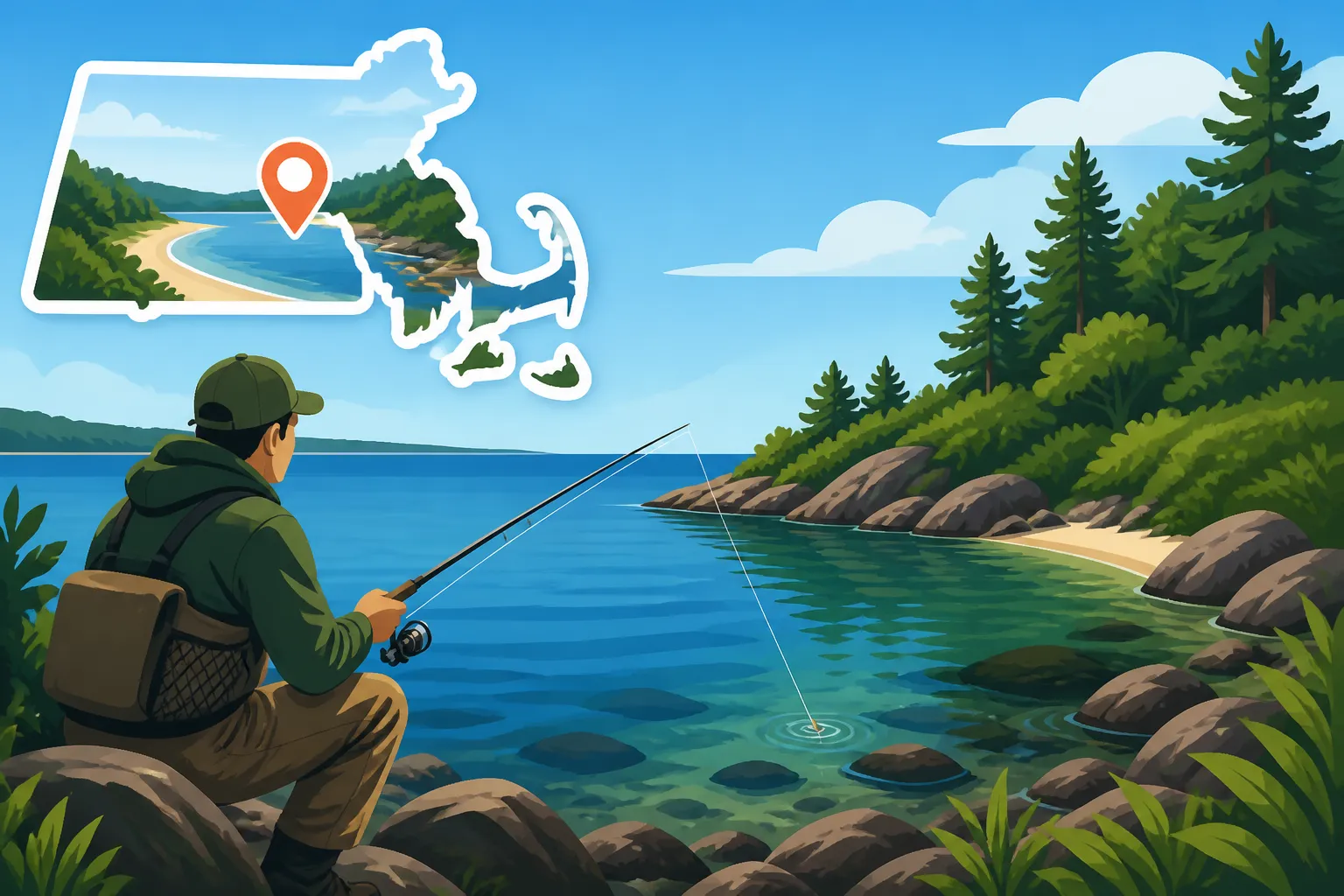
We've all been there: you've packed your gear, set your alarm for an ungodly hour, and driven out to what you thought was a prime fishing spot, only to arrive and find it already packed with other anglers. The promise of a peaceful morning on the water evaporates as you compete for casting room, trying to avoid tangles and navigate the noise. It’s frustrating, disheartening, and frankly, it takes all the joy out of what should be a relaxing escape. If you're tired of battling the crowds and yearn for a tranquil fishing experience in Massachusetts, this guide is for you. We’re going to dive deep into how to discover those elusive, less-pressured spots where you can actually enjoy the solitude and focus on the fish.
Uncovering Secluded Freshwater Gems
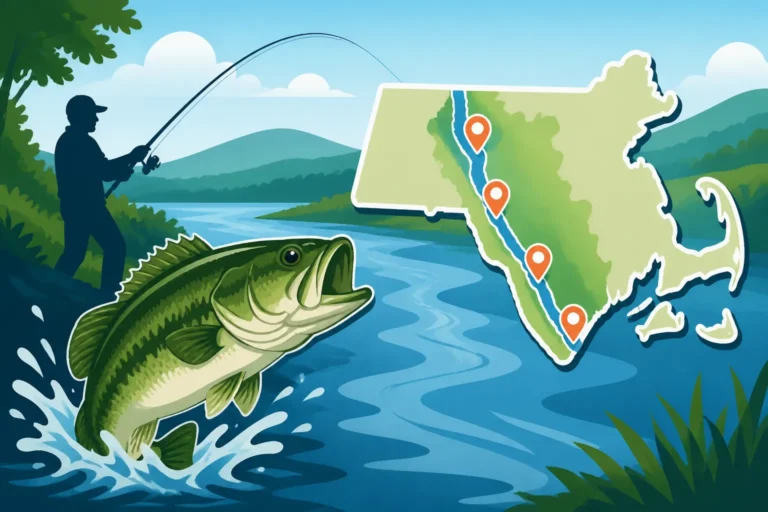
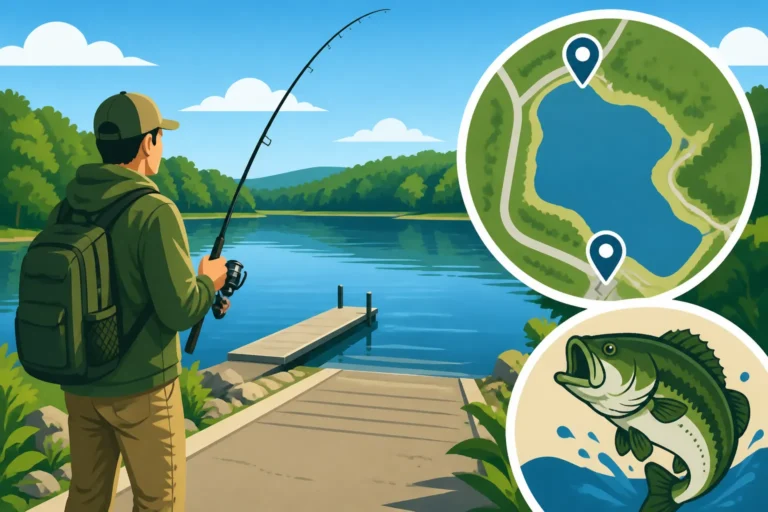
Massachusetts is dotted with thousands of ponds, lakes, and reservoirs, but many anglers flock to the same well-known spots. The secret to escaping the crowds often lies in looking beyond the popular access points and exploring smaller, sometimes harder-to-reach bodies of water. These hidden gems can offer incredible fishing opportunities without the constant pressure.
Small Ponds and Lakes Beyond the Mainstream
When most people think of freshwater fishing in Massachusetts, their minds often jump to large, famous lakes like Lake Quinsigamond or the big reservoirs. While these certainly hold fish, their popularity often means a crowded shoreline or boat launch. Instead, consider delving into the network of smaller, unnamed, or minimally documented ponds scattered throughout the state, particularly in less populated regions like parts of the Berkshires or the quiet corners of southeastern Massachusetts. These spots might not show up on the primary fishing maps, or they might only have walk-in access, which naturally deters many anglers.
Finding these places requires a bit of detective work and a willingness to explore. Online satellite maps, like Google Maps, can be your best friend here. Look for small, blue patches that aren't immediately adjacent to major roads or developed areas. Sometimes, a quiet access road or a faint trail leading off a main road is the only clue. What you might find are ponds teeming with healthy largemouth bass, feisty pickerel, or even panfish like bluegill and crappie that haven't seen an artificial lure in weeks. These waters often have excellent aquatic vegetation, providing perfect cover for ambush predators. Remember to always check the Massachusetts Recreational Fishing Rules and Bag Limits for specific regulations before you cast a line, as limits can vary by water body.
Forgotten Quarries and Remote Reservoirs
Beyond the small ponds, Massachusetts also has a fascinating history of industrial and water supply developments, leaving behind a number of old quarries and smaller, less-utilized reservoirs. These locations often boast unique characteristics like steep drop-offs, deep clear water, and interesting underwater structures that hold fish. Quarries, for instance, can be surprisingly deep for their size and often harbor robust populations of trout (sometimes even residual stock from years past), smallmouth bass, or chain pickerel. Their limited access due to private land ownership or challenging terrain keeps the casual angler away, preserving the fishing quality.
For reservoirs, while giants like Quabbin or Wachusett draw significant attention, there are numerous smaller municipal reservoirs throughout the state. Many of these have very restricted access policies, often requiring special permits or only allowing shore fishing from specific, limited zones. However, if you're willing to do the research and obtain the necessary permissions, these can be goldmines. Some might even allow kayak or canoe access, opening up vast stretches of untouched water. The fish in these less-pressured environments tend to be less wary and more aggressive, offering a truly rewarding experience. A quick search on resources like FishingBooker can sometimes reveal local guides who specialize in these niche waters, if you prefer a guided approach to uncovering these secrets.
Finding Solitude on the Saltwater Shoreline
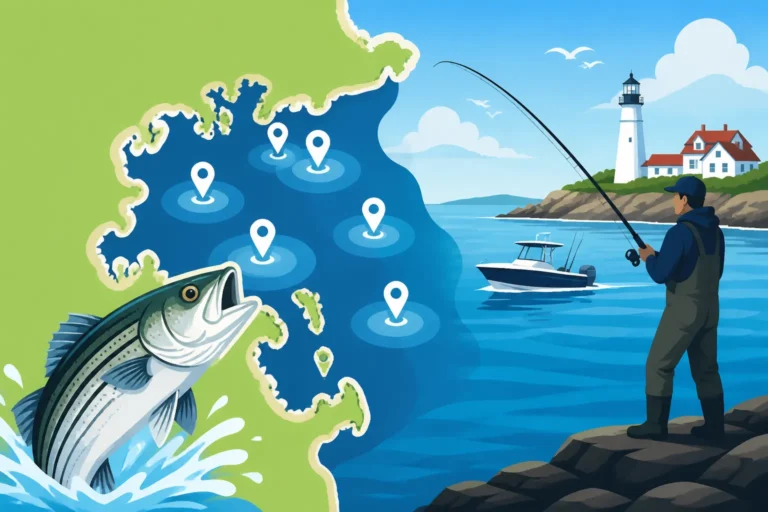
Massachusetts boasts an extensive and beautiful coastline, but let's be honest, those prime beach spots on Cape Cod or popular piers can feel like a sardine can during peak season. Yet, with a bit of local knowledge and a willingness to walk, you can still find stretches of saltwater shoreline where it feels like you have the ocean all to yourself.
Quiet Coves and Hidden Beaches
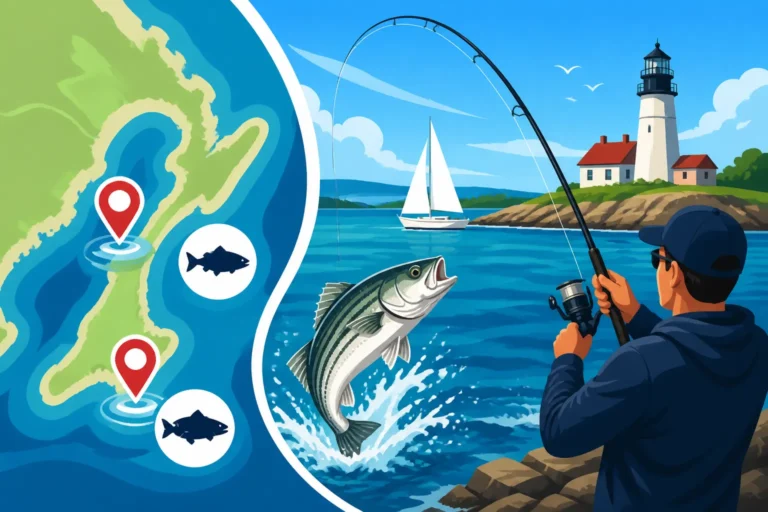
While the main tourist beaches buzz with activity, many smaller, lesser-known coves and beaches along the North Shore, South Shore, and even parts of Cape Cod offer fantastic opportunities for surfcasting without the crowds. These are often tucked away at the end of residential streets, require a bit of a hike, or have limited parking that discourages most visitors. Look for areas on a map where the coastline has small indentations or where conservation land meets the ocean. These spots might not have amenities like restrooms or lifeguards, but they often feature diverse bottom structures – rocky outcrops, small sandbars, or areas with deeper cuts – that attract baitfish and, consequently, game fish.
Imagine a calm morning at a tiny, sandy cove near Cohasset or a rocky point in Westport, where the only sound is the gentle lapping of waves. Here, you can cast for striped bass, bluefish, or even scup and tautog depending on the structure and season. Learning Massachusetts Surf Fishing Techniques and understanding the tides in these particular spots can drastically increase your success. Sometimes, these hidden beaches are only accessible during certain tide stages, meaning you might have to time your trip carefully, which is another reason they remain less crowded. For those interested in fishing the flats, exploring the calmer waters of Nantucket Sound or Vineyard Sound can also lead to less-frequented areas, especially if you have a small, easily launched kayak.
Less-Trafficked Piers and Estuaries
When it comes to pier fishing, most anglers head straight for the well-known spots like those in Plymouth or along the Boston Harbor waterfront. But there are numerous smaller public piers and jetties, particularly in less-developed coastal towns or in quiet estuary systems, that offer excellent fishing with fewer people. These might be smaller town docks, old commercial piers repurposed for recreation, or jetties marking the entrance to a lesser-used harbor. While they might not be as long or as feature-rich as their famous counterparts, their charm lies in their peacefulness and often productive waters.
Estuaries, where freshwater meets saltwater, are another fantastic, often overlooked option. These complex ecosystems are nurseries for many species and provide a rich feeding ground. Think about the winding rivers and creeks that feed into larger bays – the smaller, more remote sections of the Merrimack River near Haverhill, the Parker River, or the inlets around Buzzards Bay. These areas can be fantastic for targeting striped bass, especially during the spring and fall runs, as well as various flounder species and even white perch. Access might involve wading, using a small skiff, or exploring public lands with river frontage. Again, looking at satellite imagery for public boat launches or town landings on these smaller rivers can reveal prime, quiet spots. When fishing in these tidal zones, always be mindful of Massachusetts Saltwater Bag Limits by Species to ensure you're compliant with regulations.
| Spot Type | Typical Species | Access Level | Crowd Level | Best For |
|---|---|---|---|---|
| Small Inland Ponds | Largemouth Bass, Pickerel, Panfish | Walk-in/Limited Parking | Low | Peaceful, close-to-nature bass fishing |
| Forgotten Quarries | Trout, Smallmouth Bass, Perch | Permitted/Challenging | Very Low | Deep-water angling, unique structure |
| Quiet Coastal Coves | Striped Bass, Bluefish, Flounder | Walk-in/Limited Parking | Low | Surfcasting solitude, diverse marine life |
| Remote Estuaries | Striped Bass, Flounder, White Perch | Small boat/Kayak/Wade | Low | Tidal fishing, juvenile fish, baitfish |
| Untouched River Stretches | Trout, Smallmouth Bass, Carp | Hike-in/Kayak | Very Low | Fly fishing, exploring natural landscapes |
Navigating Off-the-Beaten-Path River and Stream Fishing
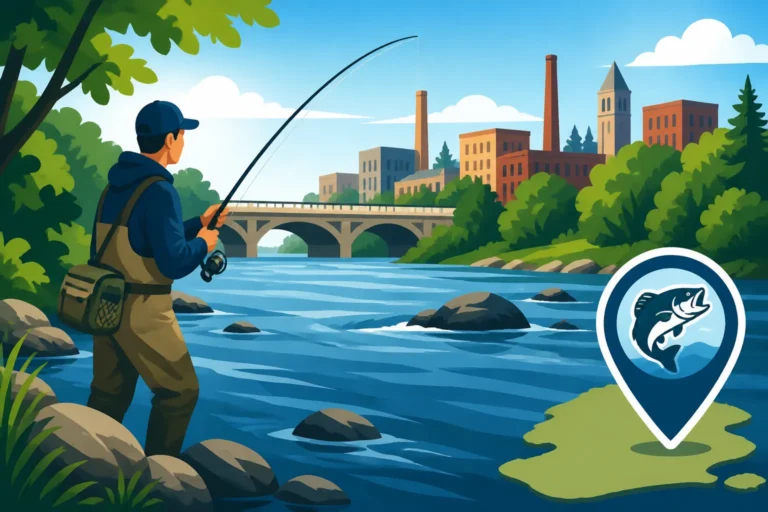
For many anglers, the tranquility of a flowing river or stream is unparalleled. While the major rivers like the Connecticut or the Deerfield get a lot of attention, there are countless smaller tributaries and remote stretches that offer exceptional fishing, often with very little company.
Trout Streams in the Western Hills
When the Department of Fish and Wildlife (MassWildlife) announces its Massachusetts Trout Stocking Schedule, anglers often flock to the popular, easily accessible stocking points. But the true magic for trout lies in venturing beyond these well-known spots. Head to the smaller, cold-water streams nestled in the rolling hills of Western and Central Massachusetts – particularly in the Berkshire Mountains or the Quabbin watershed area. These streams are often narrow, overgrown, and require bushwhacking through dense foliage to access. This challenging terrain is precisely why they remain hidden gems.
These wilder waters are home to native brook trout and holdover brown trout that have grown warier in their natural environment. You might not catch as many fish as you would right after a stocking, but the ones you do catch are often more beautiful and provide a greater sense of accomplishment. Fly fishing is particularly effective in these tight, clear streams, demanding precise casts and careful wading. For those looking to refine their skills, a guide found through platforms like FishingBooker who specializes in remote trout fishing can teach you how to read these tricky waters and present your flies effectively. Remember that Fly Fishing in Massachusetts is an art form, and these secluded streams are the perfect canvas. The best advice is to follow public access maps and then literally walk a mile or two away from any obvious bridge or parking area; the further you walk, the fewer people you'll encounter.
Untouched Tributaries for Warmwater Species
Beyond trout, many small rivers and their tributaries throughout Massachusetts offer excellent opportunities for warmwater species like smallmouth bass, largemouth bass, and panfish. These are often overlooked because they don't have large-scale boat access or aren't known for "trophy" fish. However, for sheer numbers and a peaceful experience, they can be phenomenal. Think of the smaller feeder streams of the Nashua River, the upper reaches of the Charles River before it becomes urbanized, or the various brooks and creeks winding through central Massachusetts.
These waterways are often navigable by kayak, canoe, or even just by wading, provided you have good footwear and are mindful of private property boundaries. They provide fantastic structure with fallen trees, undercut banks, and varying depths. You can spend an entire afternoon casting into these untouched pockets, experiencing strikes from eager bass or sunfish. Using natural baits, or simple lures can be incredibly effective here, especially since the fish aren't bombarded by endless lines. If you're looking for guidance on bait choices, check out our piece on the Best Bait for Trout Fishing in Massachusetts, which can sometimes be adapted for panfish in these smaller systems. Just remember to secure your Massachusetts Fishing License Guide before heading out, as it's required for all public waters.
Planning Your Stealth Mission for Solitude
Finding these hidden gems isn't just about showing up; it's about smart planning, respectful exploration, and a willingness to embrace a bit of adventure. The reward is a fishing experience that transcends merely catching fish – it's about reconnecting with nature and finding peace.
Researching Your Next Secret Spot
Your primary tool for uncovering hidden fishing spots is detailed mapping. Beyond standard road maps, delve into satellite imagery on platforms like Google Earth. Look for subtle signs:
- Narrow Access Roads: A gravel road or an unmarked dirt path leading to water often means limited access, deterring crowds.
- Green Spaces: Large swaths of state forest, conservation land, or wildlife management areas often contain unadvertised ponds, streams, or coastal access points. These public lands are designed for recreational use, and exploring them off the beaten path can yield fantastic results.
- Contour Lines on Topo Maps: For freshwater, steep contour lines around water bodies can indicate difficult access, deep water, or rugged terrain – all factors that keep casual anglers away. For saltwater, look for subtle changes in bottom structure near shore, like small rock formations or deeper channels.
- Old Maps and Local Knowledge: Sometimes, antique maps or even talking to longtime locals (respectfully, of course, and without asking them to reveal their exact honey holes) can provide clues about forgotten mill ponds or old fishing holes that have fallen out of favor.
Once you identify a potential spot, cross-reference it with local town ordinances and MassWildlife regulations. Always respect private property signs and never trespass. Many of these less-frequented areas are sensitive ecosystems, so practice Leave No Trace principles diligently. Also, be aware of specific regulations, as some areas like the Quabbin Reservoir have unique rules for access and catch limits, which you can learn more about in the Quabbin Reservoir Fishing Permits and Rules in Massachusetts guide.
Essential Gear for Off-Grid Angling
Venturing to less-pressured spots often means you won't have the convenience of paved parking lots or nearby bait shops. Proper preparation is key:
- Appropriate Footwear: Whether you're hiking through woods to a hidden pond or navigating slippery rocks on a coastal jetty, sturdy, waterproof footwear is crucial. Waders might be essential for stream fishing or shallow estuary access.
- Lightweight, Portable Tackle: You might need to carry your gear a significant distance. Consider a backpack-style tackle box, a telescopic rod, or a breakdown travel rod. Bring a selection of lures and baits that are versatile. For instance, soft plastics, inline spinners, and small crankbaits are effective for a variety of freshwater species. For saltwater, a few weighted jigs, soft plastics, and topwater lures can cover most scenarios.
- Navigation Tools: A fully charged phone with offline maps, a compass, or even a handheld GPS device can be invaluable for navigating trails or finding your way back to your vehicle, especially if you're deep in a state forest or unfamiliar coastal area.
- Safety and Comfort Items: Always pack plenty of water, snacks, sunscreen, insect repellent, a first-aid kit, and a headlamp (even for day trips, just in case). A small, waterproof bag for your phone and essentials is also a good idea. Consider carrying a personal locator beacon (PLB) if you're truly venturing into remote wilderness areas, although this is generally overkill for most Massachusetts fishing spots.
- Catch and Release Tools: Many anglers prefer to practice catch and release, especially in these less-pressured areas to help maintain the quality of the fishery. Pliers, a measuring tape, and a net (preferably rubberized to protect fish slime) are essential.
Remember, the goal is not just to find fish, but to enjoy the entire experience of solitude and discovery. Embrace the challenge of finding these spots, the quiet moments of nature, and the satisfaction of a hard-earned catch away from the clamor. Check out our detailed guide on Massachusetts Freshwater Daily Catch Limits to ensure you're fishing responsibly and sustainably. For specialized assistance in finding and navigating these spots, especially if you're new to the area or trying a new type of fishing, searching for local guides on platforms like FishingBooker can be an excellent way to gain insights and access to less-frequented areas.
Disclaimer
The information provided in this guide is for general informational purposes only and is subject to change. Always consult the latest regulations from the Massachusetts Division of Fisheries and Wildlife (MassWildlife) and respect all private property rights and local ordinances. Fishing in remote areas carries inherent risks; always prioritize safety and inform someone of your plans.