Where to catch striped bass off Nantucket
The thrill of chasing striped bass off Nantucket is unlike any other fishing experience in Massachusetts, but knowing exactly where to cast your line or point your boat can feel like finding a needle in a vast, salty haystack. Many anglers arrive on the island eager but unsure, often wasting precious time trying to locate those elusive feeders. This comprehensive guide is designed to cut through that uncertainty, pinpointing the prime locations and effective strategies for hooking into striped bass around Nantucket, ensuring your fishing trip is both productive and memorable.
Understanding Nantucket's Unique Striped Bass Fishery
Nantucket, with its distinctive shoals, strong currents, and diverse bottom structure, offers a truly unique environment for striped bass. These migratory fish arrive in large numbers each spring, seeking out the rich baitfish populations that thrive in these waters. What makes Nantucket particularly special is its proximity to deeper, cooler ocean waters, meaning stripers often stick around later into the summer and fall compared to some shallower, warmer inshore areas.
The Seasonal Dance of Striped Bass Around Nantucket
The fishing season for striped bass off Nantucket generally kicks off in late May or early June, really hitting its stride by mid-June and continuing strong through the summer, before peaking again during the fall migration in September and October. Early in the season, you'll find smaller "schoolie" stripers closer to shore and in the harbors, often chasing sand eels and small baitfish. As the waters warm and larger bait, like mackerel and pogies, move in, so do the bigger, more aggressive bass.
During the summer months, the fish tend to spread out, often moving to deeper rips and shoals during the day to avoid warmer surface temperatures and seek out concentrated baitfish. The fall run is legendary, as vast schools of stripers stage around the island, gorging themselves before their southern migration. This is when some of the largest fish are caught, often in a feeding frenzy that can last for days. Understanding these patterns is key to knowing When striped bass arrive in Massachusetts waters and where to find them at different times of the year.
Nantucket's Diverse Fishing Environments
Nantucket isn't just one type of fishing; it’s a mosaic of different environments, each requiring a slightly different approach. You have miles of pristine beaches perfect for surfcasting, offering access to both Nantucket Sound and the more exposed Atlantic side. Then there are the notorious rips and shoals that surround the island, creating turbulent, current-swept feeding grounds ideal for boat anglers. Harbors and estuaries also hold fish, especially early in the season and during periods of strong tides.
This diversity means an angler can choose their adventure: battle the surf on a remote beach, navigate the challenging rips in a well-equipped boat, or quietly prospect the calmer waters of Nantucket's inner harbors. Each environment presents its own set of rewards and challenges, making Nantucket a captivating destination for anyone interested in How to Catch Striped Bass in Massachusetts.
Prime Locations and Strategies for Nantucket Stripers
Whether you're casting from shore or trolling from a boat, Nantucket offers a wealth of opportunities to tangle with striped bass. Knowing the most productive spots and the methods that work best in each can drastically improve your chances of success.
Top Shore Fishing Spots for Striped Bass
Surfcasting from Nantucket's beaches is a time-honored tradition, offering the chance to catch powerful stripers right from the sand. These spots are particularly effective during dawn, dusk, and nighttime hours, or on overcast, choppy days when stripers feel more comfortable moving into shallower water.
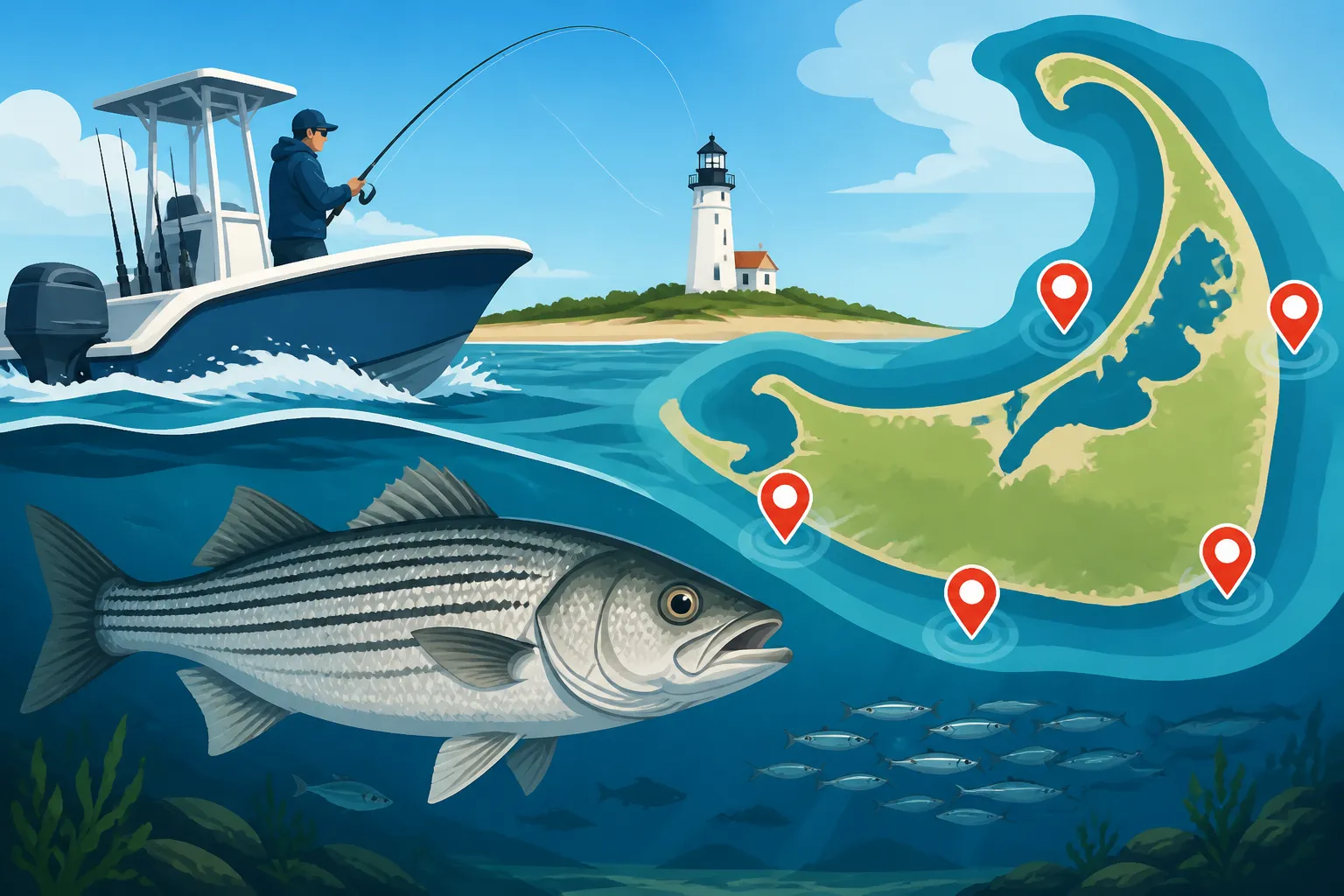
- Great Point (Coskata-Coatue Wildlife Refuge): This iconic spot, located at the very northeastern tip of the island, is a legendary striper haven. The long, sandy point creates powerful rips and current lines where baitfish get funneled, attracting large schools of bass. Access requires a four-wheel-drive vehicle and a permit from the Trustees of Reservations. Anglers often fish the deep channel on the inside, the turbulent waters off the very tip, or the surf on the ocean side. The best fishing here often coincides with changing tides, particularly the last few hours of the outgoing and the first few hours of the incoming, creating strong current flows.
- Smith's Point (Madaket): On the far western end of the island, Smith's Point offers dynamic surfcasting opportunities. The shifting sands and cuts here can hold bait, drawing stripers close to shore. It's an exposed spot, so conditions can be windy, but it often produces good numbers of fish, especially during the spring and fall runs. Anglers often target the drop-offs and troughs created by the waves.
- Surfside Beach and Cisco Beach: Located on the south shore, these beaches face the open Atlantic and can offer excellent surf fishing, especially when prevailing winds push bait closer to shore. The larger waves and deeper water here make it a prime spot for larger migratory fish. Look for areas with structure, such as submerged sandbars or rocks, which can act as ambush points for stripers. Remember that on the ocean side, the surf can be significant, so bring appropriate heavy-duty Best Lures for Striped Bass in Massachusetts and tackle.
When fishing from shore, remember to be mindful of bait movement. Observing schooling baitfish, diving birds, or nervous water can indicate feeding stripers nearby. A long surf rod, capable of casting heavy lures or bait, is essential, and a comfortable sand spike will save your arms.
Prime Boating Locations and Strategies
For many, targeting Nantucket stripers from a boat is the ultimate experience, allowing access to the island's famous rips and shoals where truly massive fish often congregate. These areas are characterized by strong currents, often requiring experienced boat handling, but the rewards can be phenomenal.
- Great Point Rips: Just off the tip of Great Point, where the waters of Nantucket Sound meet the Atlantic, lies a series of powerful rips. These turbulent zones churn up the bottom, disorient baitfish, and create a conveyor belt of food for waiting stripers. Anglers often drift live eels, bucktail jigs, or large soft plastics through these rips. Trolling for Striped Bass in Massachusetts with large plugs or umbrella rigs can also be incredibly effective here, especially for bigger fish. The challenge is in navigating the strong currents and avoiding tangles with other boats.
- The East Side of the Island (Great Eastern Rip): Extending from Great Point southwards, the eastern side of Nantucket offers a series of shoals and rips that can be incredibly productive, especially during the migration. These areas, like the Great Eastern Rip, are deeper and often hold larger schools of bass feeding on mackerel and squid. This is where you might find charter captains and experienced local anglers targeting substantial fish.
- Muskeget Channel: Located between Nantucket and Muskeget Island, this channel is another hotspot for rips and strong currents. It's a narrower, highly active area that can concentrate bait and stripers. Fishing here often involves drifting live bait or vertical jigging in the deeper parts of the channel. The currents can be fierce, so proper boat positioning and powerful tackle are paramount.
- Nantucket Sound Shoals: The numerous shoals throughout Nantucket Sound, while not as dramatic as the rips off Great Point, can also be fantastic for striped bass, particularly when they're feeding on sand eels or squid. Spots like Eel Point, off the western end of the island, can hold fish during specific tides. Many charters found on services like FishingBooker specialize in navigating these nuanced locations.
When boating, always keep a close eye on your depth sounder and GPS, as shoals can rise quickly. Pay attention to tide charts; the most productive fishing in the rips almost always occurs during specific tidal movements that create the most current. Having reliable navigational equipment is as important as your fishing gear. For those looking for a guided experience, searching FishingBooker for Nantucket charters can connect you with local captains who know these waters intimately.
Here's a quick comparison of the types of fishing typically found around Nantucket:
| Fishing Type | Primary Locations | Target Fish Size | Best Time | Key Gear | Advantages | Disadvantages |
|---|---|---|---|---|---|---|
| Surfcasting | Great Point, Smith's Point, Surfside | Schoolie to Large | Dawn, Dusk, Night | 9-11ft surf rod, heavy lures/bait | Accessible, thrilling fight, no boat needed | Exposed to elements, limited range, requires patience |
| Boat Fishing (Rips) | Great Point Rips, Muskeget Channel, East Side Shoals | Large to Trophy | Strong Tides (Incoming/Outgoing) | Heavy conventional/spinning gear, live bait, jigs, trolling plugs | Access to big fish, cover vast areas | Requires boat, navigation skill, strong currents |
| Boat Fishing (Harbor/Sound) | Nantucket Harbor, calmer sound areas | Schoolie to Medium | High Tide, Early/Late Season | Medium spinning gear, soft plastics, flies | Calmer waters, good for beginners/families | Less access to trophy fish compared to rips |
Tackle, Timing, and Tides for Success
Catching striped bass off Nantucket isn't just about knowing where to go; it's also about how to fish, when to fish, and what to use. The dynamics of Nantucket's waters demand specific approaches.
Essential Gear for Nantucket Stripers
Your tackle setup will vary slightly depending on whether you're surfcasting or boating, but generally, you'll need robust gear capable of handling strong fish and potentially heavy currents.
- Rods and Reels: For surfcasting, a 9 to 11-foot moderate-fast action surf rod paired with a corrosion-resistant spinning reel (size 5000-8000) spooled with 30-50 lb braided line is standard. For boat fishing in the rips, a medium-heavy to heavy conventional or spinning rod (7-8 feet) with a matching reel spooled with 40-80 lb braid is often preferred. The heavier braid helps cut through the current and withstand abrasion from the bottom structure.
- Leaders: Always use a fluorocarbon leader, typically 30-60 lb test, about 3-6 feet long. Fluorocarbon is less visible in water and more abrasion-resistant than braid, which is crucial around rocky bottom or sharp teeth.
- Lures and Bait: The baitfish found around Nantucket dictate lure choices.
- Live Bait: Eels are king for large stripers, especially when drifting rips or fishing at night. Mackerel, pogies (menhaden), and squid are also highly effective when available.
- Artificial Lures: Large soft plastics (like Hogys or RonZs) rigged on heavy jig heads (2-4 oz or more) are versatile for both boat and shore. Large swimming plugs (like Super Strikers or Danny Plugs), topwater poppers, and metal lip swimmers are excellent for imitating baitfish. Bucktail jigs (2-6 oz) are a staple for working deeper water and rips. During the fall run, when peanut bunker are prevalent, smaller plastics or metal jigs can be deadly.
- Terminal Tackle: A good selection of stout swivels, snap swivels, and heavy-duty hooks (if fishing bait) is essential. Carry pliers, a sturdy BogaGrip or lip gripper, and a measuring tape to ensure you're compliant with Massachusetts Striped Bass Size and Bag Limit.
The Critical Role of Tides and Timing
More than almost anywhere else, tides and timing are paramount for striped bass fishing around Nantucket. The island's rips are direct products of strong tidal flow, which concentrates bait and triggers feeding.
- Tidal Rips: The best fishing in the rips typically occurs when the current is running strongest, usually during the middle to end of an incoming or outgoing tide. Slack tide, when the water is still, tends to be less productive as bait isn't concentrated. For spots like Great Point, knowing the exact timing of the tide changes can make or break your day. Many anglers plan their entire trip around specific tide cycles.
- Dawn and Dusk: For both shore and boat anglers, the low light conditions of dawn and dusk are prime feeding times for striped bass. They feel safer moving into shallower water to hunt, and the reduced visibility gives them an advantage over baitfish. This is often the best time for topwater action.
- Night Fishing: Don't overlook night fishing, especially for larger stripers. Many of the biggest fish are caught after dark, particularly in areas like Great Point. Live eels fished slowly or large dark-colored plugs can be incredibly effective. Consider booking Night Fishing Charters for Striped Bass if you're not comfortable navigating after dark.
- Weather Conditions: Overcast days with a bit of chop can also be excellent, as the broken surface makes it harder for baitfish to spot predators. Heavy winds from certain directions, however, can make fishing difficult or dangerous, especially in exposed areas or rips. Always check marine forecasts before heading out.
When planning your trip, consult tide charts for Nantucket diligently. Websites and apps like Fishbrain often provide detailed tide predictions, and many local tackle shops, like Nantucket Tackle, will have them readily available. Being prepared with the right information and gear, whether you're venturing out on your own or booking through FishingBooker, will significantly enhance your chances of a successful and safe striped bass adventure off Nantucket.
Protecting the Resource and Ensuring a Sustainable Future
Nantucket's striped bass fishery is a precious resource, and responsible angling practices are vital to ensure its health for generations to come. This means understanding and adhering to all regulations and adopting a conservation-minded approach.
Understanding Regulations and Conservation
Massachusetts has specific regulations for recreational striped bass fishing that are subject to change, so always check the latest rules before you go. These typically include size limits (often a slot limit, meaning fish must be within a certain length range), bag limits (how many fish you can keep per day), and specific seasons. For instance, Massachusetts Recreational Fishing Rules and Bag Limits dictate not only the legal size but also how many fish you can retain.
- Slot Limits: The slot limit is designed to protect the largest, most productive spawning females, allowing them to reproduce and sustain the population. It's crucial to understand how to accurately measure your catch and immediately release any fish outside the legal slot.
- Circle Hooks: When fishing with natural bait, regulations often require the use of non-offset circle hooks. These hooks are designed to hook the fish in the corner of the mouth, significantly reducing gut-hooking and improving the survival rate of released fish.
- Catch and Release: Many anglers on Nantucket practice catch and release, especially for the larger "trophy" fish. If you plan to release a fish, handle it minimally, wet your hands before touching it, and use appropriate tools like de-hookers to remove hooks quickly and gently.
Beyond regulations, consider the impact of your actions. Avoid discarding fishing line or trash, respect private property and fellow anglers, and be mindful of wildlife. For more information on the broader picture, check out guides like Massachusetts Fishing License Guide to ensure you're fully compliant.
Choosing a Responsible Charter or Guide
If you're opting for a guided trip, which many do for the local expertise, choosing a responsible captain is essential. When looking for a charter on platforms like FishingBooker, pay attention to reviews that mention responsible fishing practices, adherence to regulations, and a focus on conservation. A good captain will not only put you on fish but also educate you on local rules and proper handling techniques.
Responsible charters often emphasize catch and release, especially for larger fish, and use tackle and techniques that minimize harm to the fish. They understand the importance of preserving the fishery and act as stewards of the marine environment. Don't hesitate to ask prospective captains about their conservation practices before you book.
By being informed, responsible, and respectful of the environment, you can play a crucial role in maintaining Nantucket's incredible striped bass fishery for years to come.
Disclaimer
Please be aware that fishing regulations in Massachusetts, including those pertaining to striped bass, can change frequently. It is the angler's responsibility to consult the most current regulations issued by the Massachusetts Division of Marine Fisheries (MassDMF) before engaging in any fishing activity. This guide provides general information and should not be considered a substitute for official regulations.