Best spots for bonito and false albacore off the Cape
There's nothing quite like the thrill of chasing bonito and false albacore off the Cape, those speed demons of the ocean that can appear and vanish in an instant. But finding them? That's often the real challenge, leaving anglers wondering where to even begin their pursuit. This guide is going to peel back the layers, showing you exactly where to find these exhilarating game fish in Massachusetts waters, and how to increase your chances of hooking into one of these fast-moving beauties.
Understanding the Chase: Bonito and False Albacore Habits
Before we dive into specific locations, it's crucial to understand the behavior of bonito and false albacore, often affectionately called "bonito" and "albies" by local anglers. These fish are not only incredibly fast but also notoriously finicky, making them a true test of an angler's skill and patience.
The Elusive Nature of "Bonito" and "Albies"
Bonito and false albacore are pelagic, migratory species, meaning they spend most of their lives in the open ocean, constantly on the move. They are often found in schools, relentlessly pursuing baitfish like silversides, sand eels, and juvenile mackerel. Their speed and agility are legendary; they can rocket through a bait ball, causing an explosion of water, and then disappear just as quickly. This hit-and-run feeding style is precisely what makes them so thrilling—and frustrating—to target.
What makes them so challenging is their selective feeding. They key in on specific bait sizes and profiles, often ignoring anything that doesn't perfectly mimic their current forage. You might see them busting on the surface, casting your lure into the fray, only for them to vanish or completely ignore your offering. It's not uncommon to chase schools for hours, getting only a few precious casts, or none at all. Their short seasonal windows also add to their allure; they typically arrive in late summer and stay through early fall, making every opportunity to target them feel precious.
Key Environmental Factors for Locating Them
Bonito and false albacore are highly sensitive to environmental cues, particularly water temperature and the presence of bait. They prefer warmer water, which is why they tend to show up off Cape Cod as the summer progresses and stick around until the first significant cold snaps of fall.
Beyond temperature, current and structure are paramount. These fish thrive in areas where strong currents create rips, eddies, and upwellings that concentrate baitfish. Think about points, shoals, and channels where water movement funnels bait into accessible feeding lanes. They're opportunistic feeders, and anywhere bait is trapped or disoriented by current, you're likely to find bonito and albies ready to pounce. Look for distinct changes in water color, temperature breaks, or areas where birds are actively diving, signaling a baitfish blitz below. Observing these factors closely can give you a significant advantage in finding these elusive fish.
Cape Cod's Premier Hunting Grounds for Bonito and Albies
Cape Cod, with its unique geography and diverse marine environments, offers several prime locations for targeting bonito and false albacore. From the intense currents of the Canal to the vast open waters surrounding the islands, there are distinct areas known for consistent action.
The Cape Cod Canal and Nearby Waters
While the Cape Cod Canal is most famous for its incredible striped bass fishing, it's also a surprisingly productive spot for false albacore and, less commonly, bonito, especially in the late summer and early fall. The Canal's incredibly strong currents act like a giant conveyor belt, bringing baitfish directly to waiting predators. Anglers often find albies and bonito working the entrances and adjacent waters, particularly around the East End near Scusset Beach and the West End around Phinney's Harbor and Hog Island.
The key here is timing your visit with the tides, especially the beginning or end of a strong current swing, which can disorient bait. Look for visible rips and eddies, and definitely keep an eye out for bird activity. While fishing directly within the Canal can be productive, the immediate areas outside, where the strong Canal currents meet the more open bay waters, are often even better. These transitional zones create perfect ambush points for these speedy predators. If you're planning a trip to this renowned waterway, our detailed Cape Cod Canal Fishing Guide for Massachusetts Anglers can provide even more insights into fishing the area.
Buzzards Bay and Vineyard Sound
Moving south of the Canal, Buzzards Bay and the eastern reaches of Vineyard Sound are absolute hotspots for false albacore and bonito. These areas are characterized by numerous rocky shoals, islands, and strong tidal flows that create ideal conditions for concentrating bait and attracting pelagic game fish.
Specific areas like Lucas Shoal, the Elizabeth Islands (especially around Cuttyhunk and Naushon), and the waters off Falmouth and Woods Hole are legendary. The Middle Ground, a large shoal system in Vineyard Sound, is another top producer. These areas are rich in sand eels and other small baitfish, which are the primary forage for albies and bonito. Fishing here often involves covering a lot of water by boat, looking for breaking fish, birds diving, or nervous bait schools. The channels and rips between the islands, particularly around Quick's Hole and Robinson's Hole, can be incredibly productive as the strong currents push bait through. You'll find a wealth of information about these waters in our comprehensive guide to Vineyard Sound Fishing Spots. These are some of the Best Saltwater Fishing Spots on Cape Cod, Massachusetts for a reason, drawing anglers from all over.
Nantucket Sound and the Outer Cape
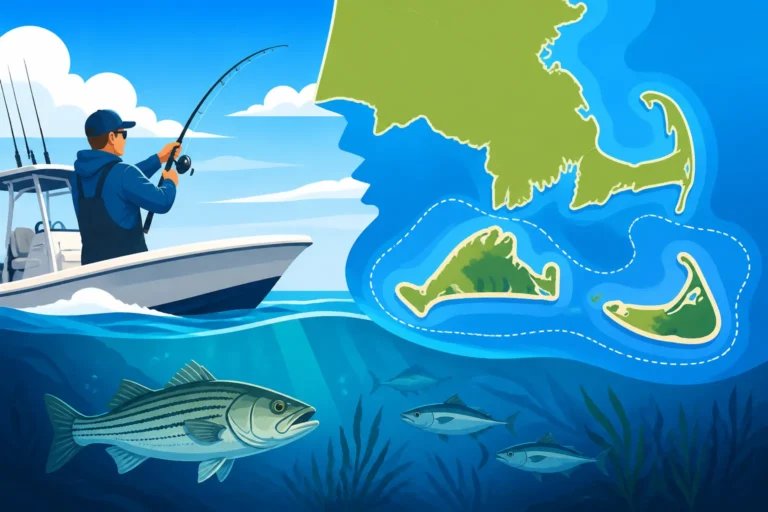
Further east, Nantucket Sound and the waters surrounding the Outer Cape offer vast expanses of prime habitat. The rips off Monomoy Island, south of Chatham, are arguably the most famous and consistent false albacore grounds in Massachusetts. The confluence of currents here creates massive baitfish concentrations, attracting huge schools of albies. This area requires a boat and a good understanding of navigation, as the rips can be powerful and the shoals dangerous.
Beyond Monomoy, the open waters of Nantucket Sound, particularly around the shoals and deeper channels, can hold transient schools. While Monomoy is the undisputed king, don't overlook areas closer to shore along the Outer Cape, especially if you spot bird activity or baitfish. Early mornings and late afternoons, when the light is low and baitfish are active, can be particularly rewarding. To learn more about this incredible fishing region, consult our guide to Nantucket Sound and Martha's Vineyard Fishing Areas in Massachusetts.
Mastering the Art: Techniques and Tackle for Speedy Pelagics
Chasing bonito and false albacore isn't just about finding the right spot; it's about employing the right techniques and having the proper gear to match their speed and finicky nature. These fish demand precision and a quick draw.
Preferred Lures and Rigging
When it comes to lures, smaller and faster is generally the name of the game. Bonito and false albacore feed almost exclusively on small baitfish, so your offerings need to mimic that. Epoxy jigs are incredibly popular, like the Hogy Epoxy Jig or the Game On! Exo Jig, because they cast a mile and have a frantic, darting action on the retrieve. Metal jigs such as the Deadly Dick or the Kastmaster, in sizes from 3/8 oz to 1 oz, are also highly effective, especially when worked quickly. Small soft plastics on a jig head, particularly those with a slender profile like a Zoom Fluke, can also entice a strike. Fly anglers will find success with small, sparse patterns like the Bonito Bunny or various silicone patterns that imitate glass minnows or sand eels.
Color matters, but matching the hatch is paramount. Silver, olive, green, and blue are consistent producers. The retrieve is key: a lightning-fast retrieve is almost always necessary to trigger a strike. These fish react to speed and sudden movements. Rigging should be simple: tie your lure directly to a fluorocarbon leader (15-20 lb test is common) using a strong knot like a loop knot or improved clinch. Avoid swivels or snaps if possible, as they can sometimes detract from the lure's action and be ignored by these wary fish. For more specific recommendations, check out our guide on the Best lures for false albacore.
Rod, Reel, and Line Setup
Your tackle needs to be light enough for effortless casting of small lures, yet strong enough to handle the blistering runs of a hooked albie or bonito. A good setup balances sensitivity with power.
- Rod: A 7' to 7'6" medium-light to medium action fast-action spinning rod is ideal. It needs a responsive tip for accurate casting and feeling subtle takes, but enough backbone to put pressure on these hard-fighting fish. Look for rods rated for 1/4 to 1 oz lures.
- Reel: A 2500-sized to 3000-sized spinning reel with a smooth drag is crucial. Models from brands like Shimano (e.g., Stradic, Vanford) or Daiwa (e.g., Tatula, Certate) are excellent choices. A high gear ratio helps with the fast retrieves needed to entice strikes.
- Line: Spool your reel with 10-20 lb braided line. Braid offers superior casting distance, sensitivity, and strength-to-diameter ratio. Crucially, it has no stretch, which is vital for feeling those quick taps and setting the hook effectively.
- Leader: Connect 15-20 lb fluorocarbon leader to your braid using a strong connection knot like an FG knot or an Albright knot. Fluorocarbon is nearly invisible in water and provides abrasion resistance against their rough mouths.
This setup allows for long casts, immediate hook sets, and the ability to apply enough pressure to turn these powerful swimmers before they spool you or cut you off on structure.
Reading the Water and Spotting Action
Finding bonito and false albacore often comes down to keen observation. They are typically found near the surface, aggressively feeding on baitfish. The most obvious sign is "breaking fish"—when they slash through bait, causing the water to erupt in boils and splashes. This is often accompanied by diving birds, particularly terns, which capitalize on the disoriented bait.
However, sometimes the signs are more subtle. Look for "nervous water," which indicates baitfish fleeing just below the surface, or small, scattered splashes that might signal a single albie or bonito picking off stragglers. The key is to be constantly scanning the horizon, not just for big blow-ups, but for any unusual surface disturbance. Stealth is important; try to approach breaking fish from upwind and upcurrent, making long casts without spooking them. Having your rod rigged and ready at all times is paramount, as these feeding frenzies can appear and disappear in seconds. A quick, accurate cast into the melee is often your only shot.
Optimizing Your Pursuit: Timing, Charters, and Regulations
Success in chasing bonito and false albacore isn't just about gear and technique; it's also about strategic planning, knowing when and where to go, and respecting the rules.
Best Time of Year and Day
The window for targeting bonito and false albacore off Cape Cod is relatively short but intense. Generally, they begin to show up in late August and remain through September and into early October. The peak action typically occurs in September. This is when water temperatures are still warm, and baitfish are abundant before their annual migration. Our guide on the Best time of year for false albacore fishing provides a more detailed breakdown.
As for the best time of day, early mornings and late afternoons often provide the most consistent action. These low-light periods are when baitfish are most active, and the predatory bonito and albies are often on the hunt. Tides also play a crucial role; strong tidal movements that create rips and funnel bait are usually preferred. Calm, sunny days can be excellent for spotting surface activity, but sometimes a light chop can help conceal your approach.
Hiring a Guide or Charter
For those new to the area or new to targeting these particular species, hiring a local guide or charter captain can be an invaluable investment. These professionals spend countless hours on the water and possess an intimate knowledge of local patterns, tides, and current hotspots. They have the right boat, tackle, and expertise to put you on the fish, significantly increasing your chances of success.
Platforms like FishingBooker can connect you with experienced captains who specialize in chasing these speedy pelagics around Cape Cod. They often offer dedicated bonito and false albacore trips during the peak season. While a full-day Massachusetts Bluefin Tuna Charters might be a bigger investment, many captains offer half-day trips specifically for albies and bonito, which can be a more accessible option. They can teach you the subtle nuances of spotting fish, making accurate casts under pressure, and fighting these tough adversaries. For general information on local services, take a look at our Cape Cod Fishing Charters Guide for Massachusetts Anglers.
Safety Considerations and Regulations
Safety should always be your top priority, especially when chasing these fish in areas with strong currents or open water. If you're fishing from a boat, ensure all safety gear is onboard, including life jackets for everyone, flares, and a reliable means of communication. Always check the marine weather forecast before heading out.
Furthermore, it's vital to be aware of and adhere to Massachusetts fishing regulations. All anglers aged 16 and older need a valid Massachusetts Saltwater Recreational Fishing Permit Explained to fish in coastal waters. While bonito and false albacore are not typically subject to the same strict size and bag limits as some other species, it's always wise to consult the latest Massachusetts Recreational Fishing Rules and Bag Limits pamphlet from MassWildlife or the Division of Marine Fisheries (DMF) to ensure compliance. Knowing the rules not only keeps you legal but also contributes to the sustainable management of these valuable fisheries.
Top Bonito and False Albacore Spots: A Quick Overview
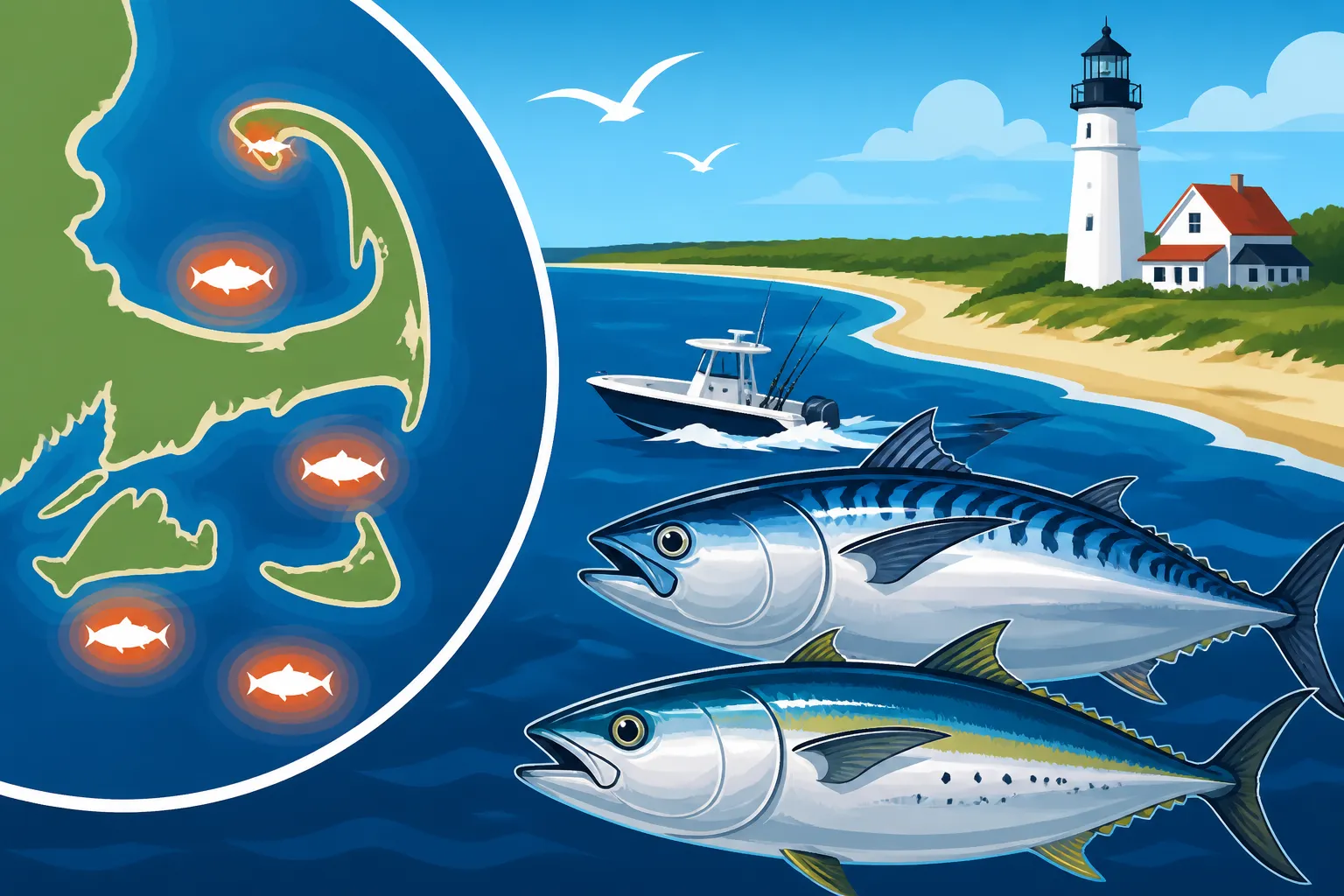
To help you visualize the prime fishing grounds, here's a quick summary of the best spots off Cape Cod for these speedy pelagics.
| Location Category | Key Areas Within Category | Why It's a Hotspot | Primary Target | Best Access Method |
|---|---|---|---|---|
| Cape Cod Canal & Vicinity | East End (Scusset Beach area), West End (Phinney's Harbor, Hog Island), Canal Entrances | Strong currents concentrate baitfish; tidal rips and eddies. | Albacore | Shore, Boat |
| Buzzards Bay | Lucas Shoal, Elizabeth Islands (Cuttyhunk, Naushon), Woods Hole Rips, Cleveland Ledge | Rocky shoals, islands, strong tidal flows, abundant sand eels. | Albacore, Bonito | Boat (requires skill) |
| Vineyard Sound | Middle Ground, Falmouth Rips, Quick's Hole, Robinson's Hole, Wasque Point (MV) | Major rips and channels, baitfish migration routes, diverse structure. | Albacore, Bonito | Boat |
| Nantucket Sound & Outer Cape | Monomoy Rips (Chatham), Great Round Shoal, Nantucket Shoals | Confluence of strong currents, massive baitfish concentrations. | Albacore, Bonito | Boat (offshore-capable) |
Disclaimer
The information provided in this guide is for general informational purposes only and is subject to change. Fishing conditions, regulations, and fish behavior can vary significantly. Always consult the official Massachusetts Division of Fisheries and Wildlife (MassWildlife) and Division of Marine Fisheries (DMF) websites for the most current and accurate regulations, advisories, and licensing requirements before planning any fishing trip. Fishing involves inherent risks; always prioritize safety and adhere to all local, state, and federal laws.