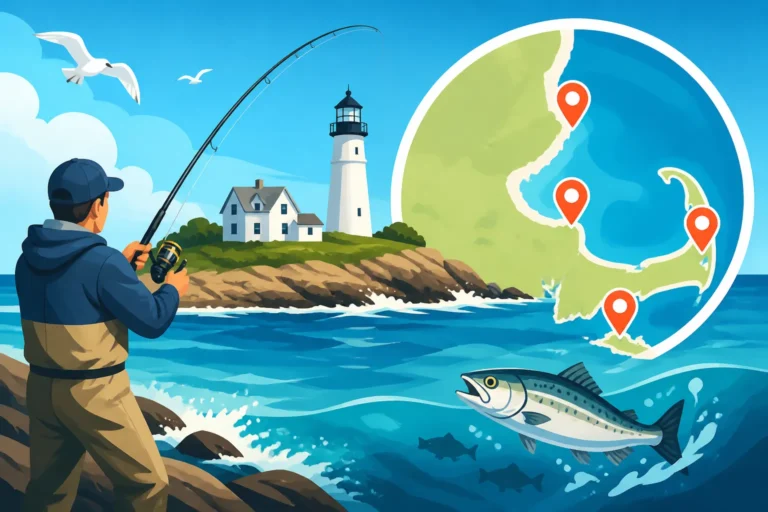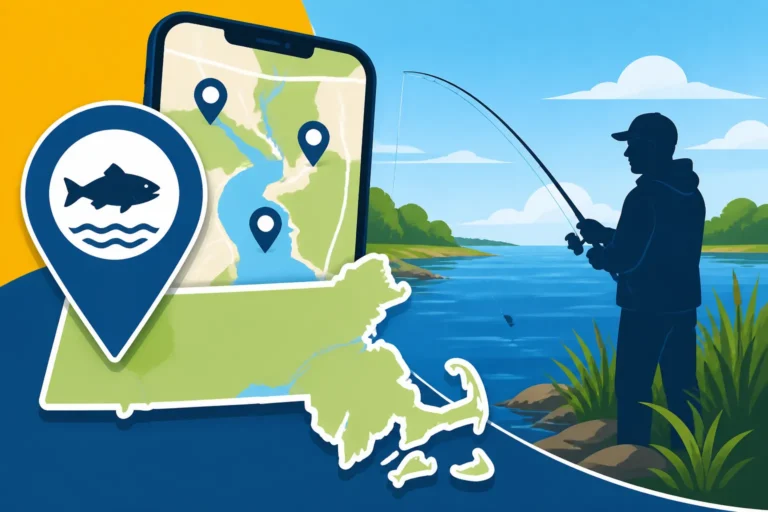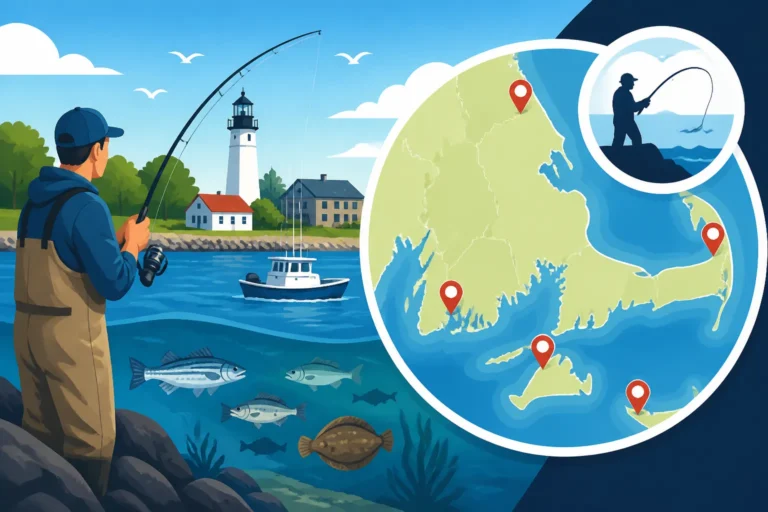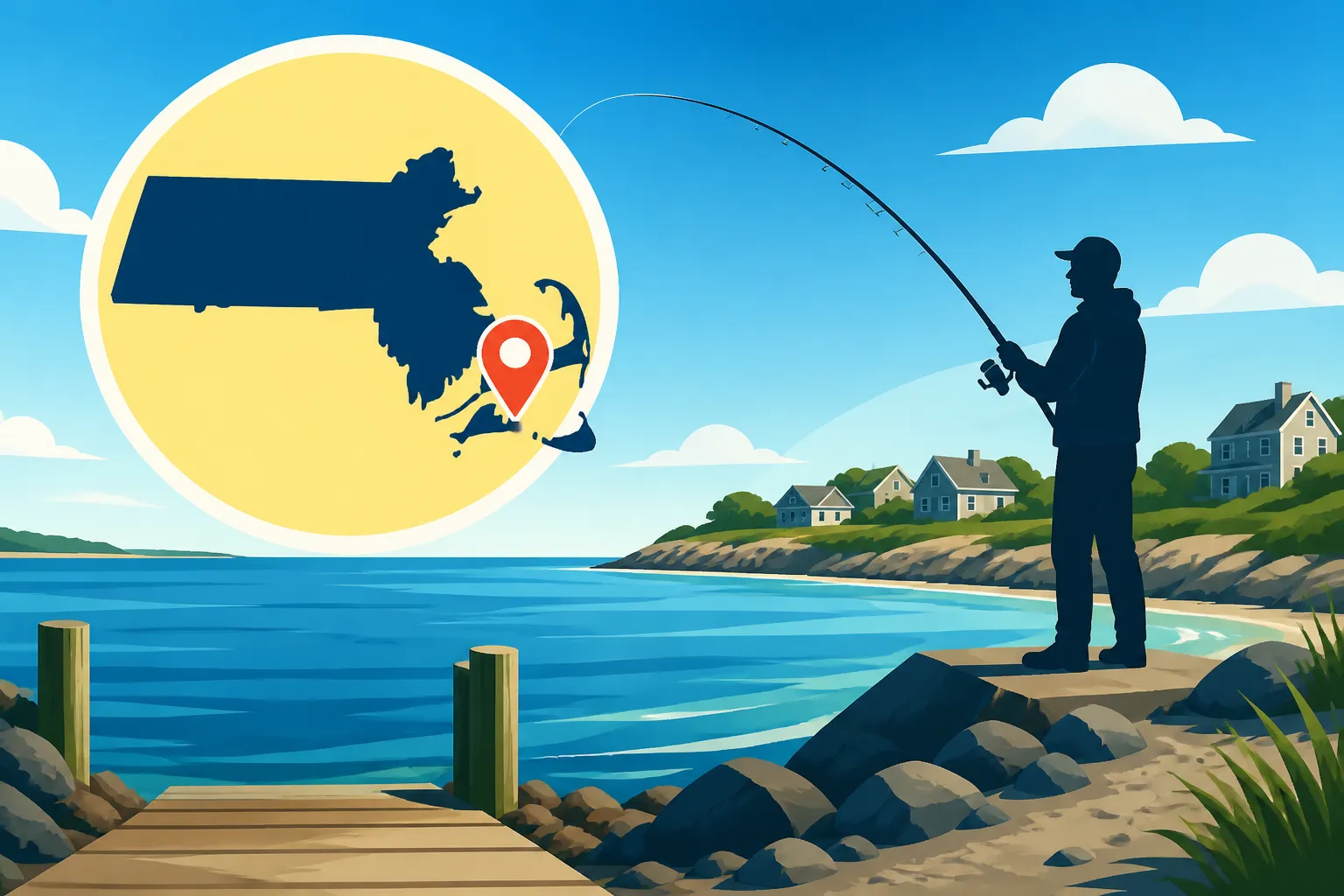
Best fishing access points on the South Coast
It's incredibly frustrating when you're itching to cast a line in a new area, but the thought of scouting out public access points feels like a monumental task. You want to know where you can actually get to the water without trespassing or paying a fortune, especially along the beautiful but sometimes tricky Massachusetts South Coast. This guide is here to cut through that confusion, helping you uncover the best public fishing access points from New Bedford all the way to Westport, so you can spend less time searching and more time fishing.
Discovering the South Coast's Fishing Gems
The South Coast of Massachusetts offers a fantastic blend of urban, harbor, and sprawling coastal environments, making it a prime destination for anglers seeking both freshwater and saltwater thrills. Unlike the more crowded beaches of Cape Cod, the South Coast, particularly in areas like New Bedford, Fall River, Dartmouth, Fairhaven, and Westport, provides a slightly different, often more industrial but equally productive, fishing experience. It's a region characterized by deep harbors, tidal rivers, rocky shorelines, and barrier beaches, all teeming with diverse fish species.
One of the biggest advantages here is the variety. You can be casting for striped bass and bluefish along a rocky jetty one day, then targeting flounder or tautog from a pier the next. Venture inland slightly, and you'll find freshwater ponds and rivers perfect for largemouth bass, pickerel, and panfish. The area is also well-known for its strong runs of migratory fish at certain times of the year, adding to the excitement. Knowing where these public spots are is key, as some access can be tucked away or require a little local knowledge. Whether you're a seasoned local or visiting for the first time, understanding the lay of the land for fishing access can make all the difference in your outing.
Why the South Coast Stands Out for Anglers
The South Coast isn't just about beautiful scenery; it's a dynamic fishing ground. The deep waters of Buzzards Bay and Narragansett Bay influence the tidal flows and bring in a rich array of baitfish, which in turn attracts larger game fish. The mix of sheltered harbors and open ocean fronts provides diverse habitats. You'll find everything from shallow estuaries perfect for kayak fishing to deep channels ideal for bottom fishing. The local communities, while busy, often have accessible waterfront parks, public boat ramps, and designated fishing areas that welcome anglers.
For instance, the historical connection to the fishing industry in cities like New Bedford means there's an inherent understanding and appreciation for marine activities. This translates into generally good public infrastructure for boating and fishing. However, it's always wise to check local regulations and signage at each specific spot, as rules can vary regarding parking, night fishing, and even specific species limits. The varied bottom structure—from sandy flats to rocky reefs and mussel beds—also contributes to a robust ecosystem that supports a healthy fishery, making the South Coast a consistently productive area to explore with your rod and reel.
Common Fish Species You'll Encounter
When you drop a line in the South Coast waters, you're likely to connect with a wide range of species, depending on the season and your chosen location. In the saltwater, striped bass are a perennial favorite, especially during their spring and fall migrations. Bluefish are also common, known for their aggressive strikes and powerful fights. For those who enjoy bottom fishing, tautog (blackfish) are abundant around rocky structures and wrecks, while fluke (summer flounder) can be found over sandy bottoms. Scup (porgy) and black sea bass also frequent these waters, offering plenty of action. You can learn more about Massachusetts Saltwater Bag Limits by Species to ensure you're fishing legally.
Transitioning to freshwater, the ponds and rivers of the South Coast support healthy populations of largemouth bass, particularly in the warmer months. Chain pickerel are common predators, offering exciting bites. Various panfish, such as yellow perch, bluegill, and crappie, are plentiful, making for excellent family fishing opportunities. Even trout are stocked in some of the smaller ponds and streams, especially in spring and fall. Always check the Massachusetts Recreational Fishing Rules and Bag Limits before heading out, as regulations can change.
Key Public Fishing Access Points in New Bedford and Fairhaven
New Bedford and Fairhaven, situated on opposite sides of the Acushnet River estuary, offer some of the most accessible and productive fishing spots on the South Coast. These areas blend urban convenience with excellent fishing opportunities, from sturdy piers to easily accessible shorelines.
New Bedford: Fort Rodman and Popes Island
Fort Rodman at Fort Taber Park (1000 Rodney French Blvd, New Bedford) is arguably one of the most popular and versatile public fishing spots in New Bedford. This historic fort, situated at the mouth of Clark's Cove, features a long, sturdy pier that extends into the harbor, offering fantastic opportunities for various species. Anglers here regularly target striped bass, bluefish, tautog, scup, and flounder. The pier provides ample space, making it suitable for families or those looking for a comfortable spot to set up multiple rods. The deeper water off the pier and the rocky structures surrounding the fort provide excellent habitat.
Beyond the pier, the park offers expansive shore access, allowing anglers to cast from the rocky shoreline or smaller beaches. You can walk around much of the peninsula, finding quieter coves or more exposed areas depending on the wind and tide. Parking is usually plentiful, and there are amenities like restrooms and walking paths. It's a great spot for both bait fishing and throwing lures. For those considering a guided trip, resources like FishingBooker can connect you with local captains who often fish these productive waters, even if they aren't directly on the pier.
Popes Island (Route 6, New Bedford) is another key access point, primarily known for its public boat ramp, but it also offers some shore fishing opportunities, particularly along the causeway and nearby docks. The boat ramp is heavily used by recreational anglers launching into the Acushnet River and out into Buzzards Bay. For shore anglers, casting from the edges of the causeway can yield striped bass and scup, especially during incoming and outgoing tides when baitfish are moving.
While not as expansive for shore fishing as Fort Rodman, Popes Island is ideal for those who want to launch a small boat, kayak, or even a paddleboard to explore the inner harbor and river. From a small craft, you can reach productive areas around the island and the many docks and structures in the harbor that hold fish. It’s also a good place to observe what local boaters are catching, giving you clues about where the fish are biting.
Fairhaven: Fort Phoenix State Beach Reservation
Just across the bridge from New Bedford, Fort Phoenix State Beach Reservation (100 Green St, Fairhaven) is another fantastic public access point, boasting its own historic fort, a sandy beach, and a long fishing pier. This pier is a local favorite, offering excellent opportunities for striped bass, bluefish, scup, and tautog. The pier extends into relatively deep water, providing access to diverse marine environments without needing a boat. It's also a great spot for kids due to its safety and the consistent action on panfish like scup.
The sandy beach adjacent to the pier is perfect for surfcasting, especially during dawn and dusk. Anglers here often target striped bass and bluefish that patrol the shallows looking for bait. During the summer, you might also find fluke moving through. Parking is available, though it can fill up quickly on warm summer days. The park includes restrooms and picnic areas, making it a pleasant destination for a full day of fishing. It's one of the Best Shore Fishing Spots in Massachusetts, offering a blend of pier and beach access.
Exploring Fall River and the Westport River Estuary Access
Moving east along the South Coast, Fall River presents unique urban fishing opportunities along the Taunton River and Mount Hope Bay, while the Westport River estuary offers pristine coastal river fishing, particularly known for its excellent surfcasting beaches.
Fall River: Battleship Cove and Freshwater Ponds
Battleship Cove / Heritage State Park (5 Water St, Fall River) offers urban fishing access along the scenic Taunton River and Mount Hope Bay. While the main attraction might be the historic naval vessels, the waterfront promenade provides various spots to cast a line. Anglers here can target striped bass, scup, and bluefish, especially where tidal currents are strong or around structures like pilings and docks. The blend of fresh and saltwater in this estuarine environment can also bring in some interesting catches.
Shore fishing opportunities exist along the park's edges, offering concrete walkways and small rocky areas to set up. It's a convenient spot for city dwellers or those looking for a quick fishing trip. While not known for huge catches, it provides consistent action and a unique backdrop. Parking is available, though it might involve a fee depending on the time of year or specific events. It's a different kind of experience compared to open ocean fishing, more about convenience and the charm of an urban waterfront.
For freshwater enthusiasts in Fall River, Borden's Pond (off Plymouth Avenue) and South Watuppa Pond (various access points, including the boat ramp off Route 177) offer excellent opportunities. Borden's Pond is a smaller, more intimate setting, popular for largemouth bass, pickerel, and panfish. It's often overlooked, providing a quieter experience. South Watuppa Pond is much larger and deeper, holding a wider variety of freshwater species, including larger bass and trout. Several smaller access points, including public boat ramps, allow for both shore fishing and launching canoes or kayaks. These freshwater havens require a Massachusetts Freshwater Fishing License.
Westport: Horseneck Beach and the Westport River
Horseneck Beach State Reservation (5 John Reed Rd, Westport) is a surfcasting paradise, renowned as one of the premier beach fishing destinations in Massachusetts. This expansive barrier beach offers miles of open sand facing Buzzards Bay and the Atlantic Ocean. Anglers flock here, especially during the spring and fall runs, to target large striped bass and aggressive bluefish. The deep cuts, sandbars, and rips created by the currents make for ideal feeding grounds for predatory fish. During warmer months, you can also catch fluke and even the occasional bonito or false albacore further offshore.
Access requires a parking fee during peak season, but it's well worth it for the opportunities provided. Be prepared for long walks if you want to find less crowded spots, and always be mindful of swimmers during the day. Night fishing is popular for striped bass here, offering a serene and often more productive experience. Learning How to Catch Striped Bass From the Surf in Massachusetts can greatly improve your success at Horseneck.
The Westport River Estuary (accessed via various public landings and boat ramps in Westport, such as Cherry & Webb's Landing on the East Branch or the boat ramp at Hix Bridge Road on the West Branch) provides a completely different, yet equally rewarding, fishing experience. This tidal river system is a complex network of salt marshes, mudflats, and channels, offering superb opportunities for striped bass, bluefish, and tautog. Kayak and canoe anglers particularly love exploring the calmer waters of the East and West Branches, getting into areas that larger boats can't reach.
Shore access is available at several small public landings. Cherry & Webb's Landing, for example, offers a small dock and shore access along the East Branch, ideal for light tackle or bait fishing for smaller stripers, scup, and crabs. Boaters can explore the river's many nooks and crannies, finding productive spots around oyster beds and submerged structures. The Westport River is a truly picturesque place to fish, offering a blend of scenic beauty and excellent fishing action. For those seeking a guided experience, platforms like FishingBooker can help locate local guides who specialize in navigating and fishing these productive estuaries.
Additional South Coast Shoreline Access and Boat Launches
Beyond the major fishing hubs, the Massachusetts South Coast is dotted with smaller towns and hidden gems that offer fantastic fishing opportunities for those willing to explore. These locations often provide a more tranquil experience, whether you're casting from a quiet pier or launching a small boat into sheltered waters.
Dartmouth: Padanaram and Apponagansett Park
Padanaram Harbor in Dartmouth is a beautiful and historic village area that offers public access, albeit sometimes with parking challenges. The main draw for anglers is the Padanaram Town Pier (near 200 Elm St, Dartmouth). While parking in the immediate vicinity often requires a town sticker, walking in to access the pier is usually permitted. The pier provides access to the harbor's deeper waters, where anglers can target scup, tautog, and smaller striped bass, especially around the numerous boats and moorings. The calm waters of the harbor also make it a great spot for kids or novice anglers.
The surrounding shoreline, though largely private, has a few public pockets that can be explored with care. Kayak and paddleboard launching from certain public spots can open up opportunities to fish the edges of the harbor and the nearby Paskamanset River estuary. It's a serene place to spend a morning or evening, enjoying the quintessential New England harbor scene while waiting for a bite.
Apponagansett Park (Apponagansett Rd, Dartmouth) offers a public boat ramp and some shore access to the Apponagansett River. This spot is excellent for launching smaller boats, kayaks, or canoes to explore the tidal river, which holds striped bass and bluefish. Shore anglers can fish near the ramp or along the small park area. It's less crowded than some of the larger access points and provides a more relaxed fishing atmosphere. The river's winding nature and marshy edges offer plenty of sheltered spots to find fish, making it a favorite for those who prefer calm water fishing.
Mattapoisett and Fairhaven: Harbor Access and Beaches
Mattapoisett Harbor (accessed via Water Street, Mattapoisett) is a charming harbor town offering public boat launches and some shoreline access. The main public boat ramp provides easy access to Buzzards Bay for larger vessels, but smaller craft can also be launched to explore the inner harbor. Shore anglers can find spots along the town wharf or in designated public areas to cast for scup, small striped bass, and even some flounder. The water here is generally calm, making it a good spot for light tackle.
A short walk from the main harbor area is Ned's Point Lighthouse (Ned's Point Rd, Mattapoisett), a picturesque location that offers some limited rocky shore access. While not a primary fishing spot, it’s a beautiful place to soak in the views and, with careful footing, cast a line for striped bass or tautog if conditions are right. It’s more of a scenic spot with opportunistic fishing rather than a dedicated access point.
Returning to Fairhaven, beyond Fort Phoenix, Hoppy's Landing (Hoppy's Landing Rd, Fairhaven) is a key public boat ramp providing direct access to the Acushnet River and Buzzards Bay. This ramp is a bustling hub for recreational boaters heading out for fishing trips. While primarily a launch point, there are often opportunities for quick shore casts near the ramp for striped bass or scup, especially during tide changes. It’s a functional access point that serves as a gateway to broader fishing grounds in the bay.
These smaller, often quieter, access points throughout the South Coast are perfect for discovering your own favorite fishing holes. Remember, whether you're targeting freshwater species or chasing the larger saltwater game, having the correct Massachusetts Fishing License is paramount.
Table of South Coast Fishing Access Points
Here's a quick overview of some of the best public fishing access points on the Massachusetts South Coast:
| Location / Town | Primary Access Type | Target Species (Common) | Key Features / Notes |
|---|---|---|---|
| Fort Rodman, New Bedford | Pier & Shore | Striped Bass, Bluefish, Tautog, Scup, Flounder | Large, sturdy pier, ample parking, restrooms, good for all skill levels. Historic fort setting. |
| Popes Island, New Bedford | Boat Ramp & Causeway Shore | Striped Bass, Scup | Primarily a busy boat launch, limited shore access from causeway edges. Good for small craft launching. |
| Fort Phoenix, Fairhaven | Pier & Beach Shore | Striped Bass, Bluefish, Scup, Flounder, Tautog | Popular pier, sandy beach for surfcasting, restrooms, parking. Can get crowded in summer. |
| Battleship Cove, Fall River | Urban Shore | Striped Bass, Scup, Bluefish | Waterfront promenade fishing, unique urban setting next to historic ships. Convenient, but limited space. |
| South Watuppa Pond, Fall River | Boat Ramp & Shore | Largemouth Bass, Pickerel, Trout, Panfish | Large freshwater pond, multiple access points. Requires freshwater license. |
| Horseneck Beach, Westport | Surfcasting Beach | Striped Bass, Bluefish, Fluke, Bonito | Expansive barrier beach, excellent surfcasting, parking fee in season. Ideal for dedicated beach anglers. |
| Westport River Estuary, Westport | Boat Ramps & Small Landings | Striped Bass, Bluefish, Tautog, Flounder | Tidal river system, great for kayaks/canoes. Scenic, good for exploring marsh edges. Cherry & Webb's Landing is one good spot. |
| Padanaram Town Pier, Dartmouth | Pier | Scup, Tautog, Small Striped Bass | Quaint harbor pier, parking can be tight, good for relaxed fishing. Requires a Massachusetts Fishing License Guide for legal requirements. |
| Apponagansett Park, Dartmouth | Boat Ramp & Shore | Striped Bass, Bluefish | Small boat ramp for canoes/kayaks into Apponagansett River. Quieter, less crowded. |
| Mattapoisett Harbor, Mattapoisett | Boat Ramp & Wharf | Scup, Small Striped Bass, Flounder | Scenic harbor, town wharf access. Good for light tackle and family fishing. |
Final Tips for Fishing the South Coast
Successfully fishing the South Coast of Massachusetts often comes down to preparation and understanding the local nuances. These waters can be incredibly rewarding, but like any fishing adventure, a little foresight goes a long way.
Timing Your Trips for Optimal Success
When it comes to saltwater fishing along the South Coast, tides are your best friend. Many of the most productive spots, especially along the Acushnet River, Westport River, and in Buzzards Bay, are highly influenced by tidal flow. For striped bass and bluefish, the moving water of an incoming or outgoing tide often stimulates feeding, as baitfish are swept through channels and around structures. Consult a tide chart for the specific area you plan to fish, and try to time your arrival an hour or two before the peak tide change. You can also research Massachusetts Saltwater Fishing Seasons to know when your target species are most prevalent.
For surfcasting at places like Horseneck Beach, the timing of dawn and dusk often coincides with the most active feeding periods for striped bass. These low-light conditions provide cover for predators. Pay attention to lunar cycles as well; full and new moons often bring stronger tides, which can be fantastic for fishing, but also mean stronger currents if you're fishing from a pier or boat. For freshwater fishing in ponds and rivers, early morning and late evening during warmer months are typically the most productive times, as fish seek cooler water and are more active.
Essential Gear and Local Regulations
No matter where you choose to fish on the South Coast, having the right gear is crucial. For saltwater shore fishing, a medium-heavy spinning rod (7-9 feet) with a 3000-5000 series reel spooled with 20-30 lb braided line will cover most situations, from casting lures for striped bass to bottom fishing for scup. Don't forget a variety of lures (plugs, soft plastics, bucktails) and bait (squid, clam, worms, live eels). If you're targeting tautog, a strong rod and reel, along with green crabs or fiddler crabs for bait, are essential, as outlined in Massachusetts Tautog Season Dates and Bag Limits.
For freshwater fishing, a medium-light to medium action spinning rod (6-7 feet) with a 2000-3000 series reel and 8-12 lb line will be versatile enough for bass, pickerel, and panfish. Keep a selection of worms, jigs, plastic baits, and small crankbaits handy. Always check the Massachusetts Fishing License for Nonresidents or residents before you go, and ensure you understand whether you need a freshwater, saltwater, or combination license. Many of these access points are routinely patrolled by environmental police, and fishing without the proper license can result in significant penalties. Carrying proof of your Massachusetts fishing license is always a good idea.
Responsible Angling and Conservation
While fishing the South Coast, it's vital to practice responsible angling. This means respecting catch limits, understanding slot limits (like for striped bass), and being mindful of fish handling, especially if you plan to release your catch. Using circle hooks when bait fishing for striped bass can significantly reduce gut hooking and improve survival rates. Always dispose of your trash properly, including discarded fishing line, which can be a hazard to wildlife. Many parks and public access points have monofilament recycling bins.
Consider supporting local bait and tackle shops; they are invaluable resources for up-to-date information on what's biting, where, and with what. They often have the most current local knowledge and can offer tips that no online guide can replicate. By being a responsible angler, you help ensure that the fantastic fishing opportunities on the Massachusetts South Coast remain vibrant for generations to come.
Disclaimer
Please note that fishing regulations, access rules, and conditions can change. Always consult the official Massachusetts Division of Fisheries and Wildlife (MassWildlife) website or the Division of Marine Fisheries (DMF) for the most current information regarding licenses, permits, seasons, bag limits, and any specific rules for the locations mentioned. This guide is for informational purposes only and should not replace official sources.