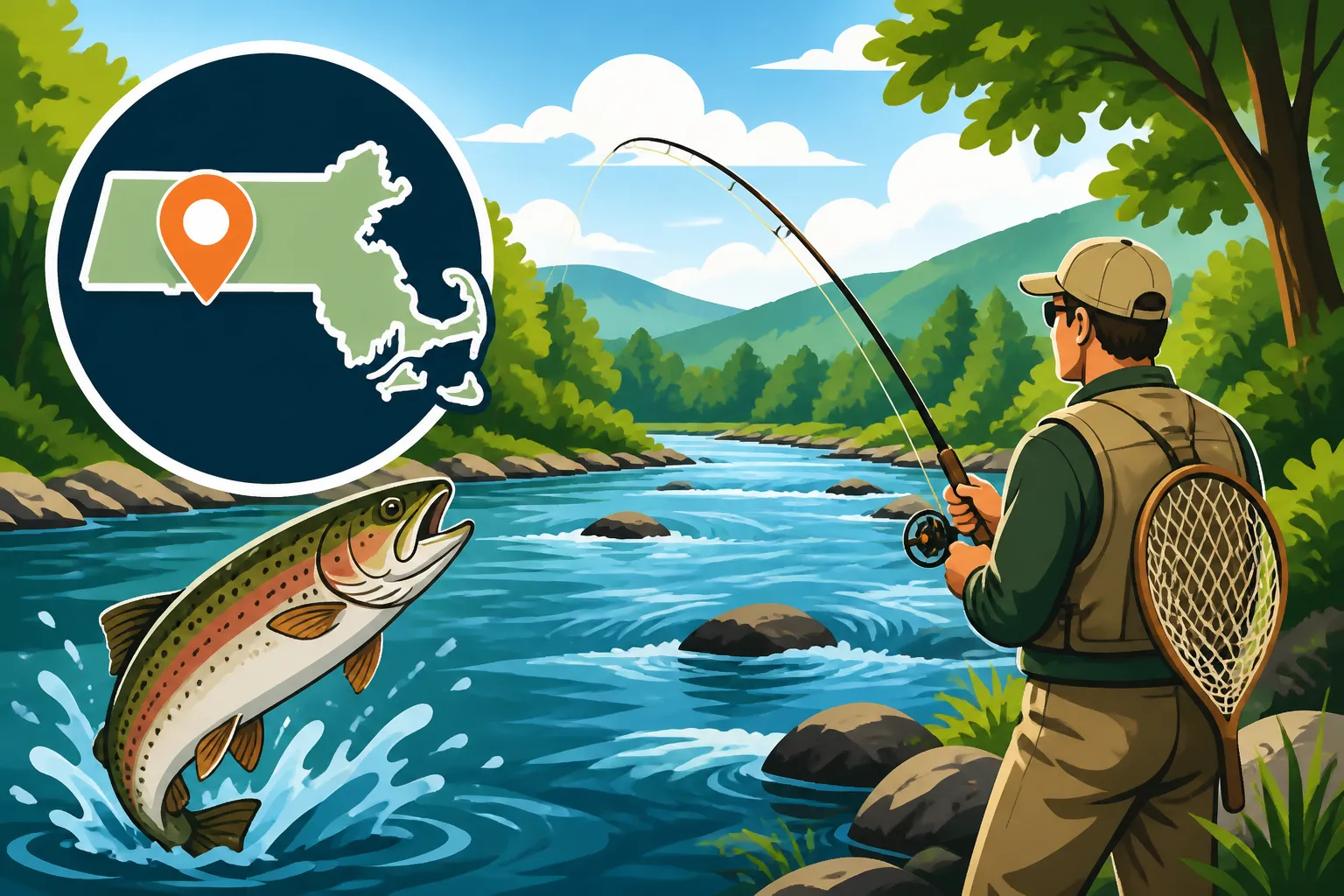
Best fishing access along the Westfield River
The Westfield River, snaking its way through the picturesque hills and valleys of Western Massachusetts, offers some truly spectacular fishing experiences. However, for many anglers, especially those not intimately familiar with its winding path, finding reliable and legal public access points can feel like searching for a hidden treasure. You might drive for miles, see tantalizing stretches of water, but constantly wonder where you can safely pull over, park, and actually get your line in the water without trespassing. This comprehensive guide is designed to cut through that frustration, pinpointing the best, most accessible spots along the Westfield River for both bank fishing and launching canoes or kayaks, ensuring your next outing is less about searching and more about catching.
Understanding the Westfield River's Unique Character and Fishing Opportunities
The Westfield River isn't just one river; it's a dynamic system with three distinct branches—the East, Middle, and West Branches—each offering its own charm and angling opportunities before converging into the mainstem. This diversity is what makes it such a jewel in Massachusetts' fishing crown, but it also contributes to the challenge of knowing where to go.
A River of Three Branches
The West Branch is perhaps the most famous, particularly among trout anglers. Flowing from the hills of Savoy through Windsor, Cummington, and Huntington, this branch is known for its cold, oxygen-rich waters that sustain a healthy population of wild and stocked trout, including rainbow, brown, and brook trout. Its upper stretches are often freestone, while the lower sections, particularly around the renowned Chesterfield Gorge, offer classic fly-fishing scenarios with riffles, runs, and deep pools.
The Middle Branch begins in Peru and flows through Worthington, Chester, and Huntington before meeting the West Branch. This branch also boasts excellent trout fishing, especially in its cooler, upper reaches. It tends to be a bit wilder in some spots, offering a sense of solitude for those willing to explore. As you move downstream, the water can warm slightly, introducing smallmouth bass into the mix, creating a diverse fishery.
The East Branch originates in the higher elevations near Savoy and Plainfield, passing through Cummington and Worthington. It's often smaller and more intimate in its upper sections, providing classic New England stream fishing for brook trout. Downstream, it also transitions to a mixed fishery, eventually joining the other branches to form the mainstem of the Westfield River, which continues its journey southeast towards the city of Westfield and finally into the Connecticut River. This lower, warmer section is a prime target for smallmouth bass and even some holdover trout.
Why Access Can Be Tricky
Despite its reputation as a fantastic fishery, simply finding a spot to wet a line on the Westfield River can be a real headache. Much of the riverfront land is privately owned, making impromptu pull-offs and bushwhacking risky and often illegal. Furthermore, the terrain can be rugged, with dense foliage, steep banks, and slippery rocks posing physical challenges.
Changing water levels, especially after heavy rains or during spring snowmelt, can dramatically alter access and wading safety. What was an easy entry point last week might be a raging torrent this week. Because of these factors, understanding and respecting designated public access points is not just about legality, but also about safety and ensuring a pleasant, productive fishing trip. It’s crucial to know where you can park, where you can legally walk to the water, and whether a particular spot is suitable for the type of fishing you plan to do, whether that's fly fishing, spin casting, or launching a small watercraft.
Key Public Access Points Along the Westfield River
Now that we understand the river's character, let's dive into the practical side: where you can actually get your boots wet. The Massachusetts Division of Fisheries and Wildlife (MassWildlife) plays a vital role in securing and maintaining these access points, often working with local towns and conservation groups. Knowing these established spots is key to a hassle-free day on the water.
West Branch Highlights
The West Branch is a true gem, particularly for trout enthusiasts. It holds both wild trout and receives generous stockings throughout the year, making it a popular destination.
One of the most well-known and visually stunning access points is at Chesterfield Gorge in Chesterfield. While the gorge itself is more of a scenic wonder than a direct fishing spot, the river sections immediately upstream and downstream offer excellent opportunities. You can often find parking off Route 143, and trails provide access to various pools and riffles. Be prepared for some steep terrain in places, but the rewards are often worth the effort, with good chances at rainbow and brown trout. This area is particularly popular for fly fishing due to its classic trout stream characteristics.
Further downstream, near Knightville Dam in Huntington, you'll find extensive public land managed by the U.S. Army Corps of Engineers. While the immediate area around the dam might have some restrictions, numerous pull-offs and designated parking areas along Route 112 provide access to the river. The section below the dam is a highly productive trout fishery, benefitting from cold water releases. Anglers can explore various stretches, from faster runs to deeper pools. Some of these spots are perfect for wading, while others might require a short walk. Remember, the area around the dam is a designated flood control project, so always be aware of any posted regulations regarding access or water releases.
The town of Huntington itself also offers several informal access points. Look for bridges crossing the river, as these often have small shoulder parking areas or nearby public land where you can safely access the water. The section of the West Branch running through Huntington is a consistent producer, especially during the stocking seasons. If you're looking to launch a canoe or kayak, look for gentler banks or designated access spots found through local town resources or MassWildlife's official mapping tools.
Middle Branch Hotspots
The Middle Branch offers a slightly different flavor, often feeling a bit more secluded than its western counterpart, especially in its upper reaches.
Around the town of Chester, there are several bridges and roadside pull-offs that allow access to the Middle Branch. Route 20 follows the river for a good stretch, and keeping an eye out for small parking areas or state forest signs can lead you to excellent spots. For instance, sections near the Chester-Blandford State Forest can provide more remote access, often requiring a short hike to get to the water, but offering solitude and a good chance at wilder trout. These areas often feature a mix of pocket water and deeper pools, ideal for both spin and fly fishing.
Heading upstream into Worthington and Becket, the river becomes more intimate. Look for town roads that parallel or cross the river. Public land is more dispersed here, but dedicated anglers can find smaller, less pressured stretches. These upper sections are particularly good for pursuing brook trout, which thrive in the colder, clearer water. It's often less about grand fishing parks and more about finding those hidden gems where a quiet stream flows through the woods.
When considering a trip to these less-traveled areas, checking online resources or contacting local tackle shops can provide invaluable, up-to-the-minute information on specific access points and conditions. You might even discover that some local guides, often found through platforms like FishingBooker, specialize in these more remote and challenging stretches of the Middle Branch, offering a unique opportunity to explore them safely and effectively.
East Branch and Mainstem Options
The East Branch, while often smaller, transitions into a diverse fishery as it flows into the mainstem, offering something for every angler.
In its upper reaches, near Cummington and Plainfield, the East Branch is primarily a small stream trout fishery, ideal for light tackle or fly rods. Access often involves roadside pull-offs near bridges or public conservation land. These are often the spots where you feel truly immersed in nature, surrounded by the natural beauty of the Berkshires. Be mindful of private property, but many sections offer public access, especially around state forests and wildlife management areas.
As the East Branch flows downstream and eventually merges with the Middle and West Branches near Huntington, the river widens, slows, and warms slightly, transforming into the mainstem of the Westfield River. This larger body of water is excellent for smallmouth bass, with deeper pools, rocky structure, and faster runs. Access points here are often more formal, including some canoe/kayak launches.
One such area is around the city of Westfield itself, although the river becomes more urbanized here. Downstream from the city, particularly as it approaches the Connecticut River, the fishing can still be good for smallmouth, carp, and even occasional northern pike. Public parks and conservation areas along the lower river often provide well-maintained access for shore anglers and small boat launches. It's worth exploring these downstream areas if you're targeting warm-water species or looking for a different fishing experience than the trout-centric upper branches.
For those interested in the full spectrum of Massachusetts freshwater fishing opportunities, it's helpful to understand the differences between a freshwater and saltwater license. Check out our guide on Massachusetts Freshwater vs Saltwater License Differences to ensure you're always properly covered, regardless of where on the Westfield River you cast your line.
Planning Your Westfield River Fishing Trip
A successful day on the Westfield River isn't just about finding the right spot; it's about being prepared, understanding the river's conditions, and respecting its delicate ecosystem.
Essential Gear for River Fishing
When tackling the Westfield River, your gear needs to be up to the task. For trout fishing in the faster, rockier sections of the West and Middle Branches, a medium-light to medium action spinning rod (6-7 feet) paired with a 1000-2500 size reel spooled with 4-8 lb monofilament or fluorocarbon is ideal. Fly anglers will typically opt for a 3- to 5-weight rod, 7.5 to 9 feet long, matched with a floating line for most trout applications, or even heavier if targeting larger fish in stronger currents. Waders and sturdy wading boots with felt or studded soles are non-negotiable for safety and comfort, as river bottoms can be treacherous. A wading staff is also a smart addition for navigating swift currents and slippery rocks.
If you're targeting smallmouth bass in the larger, warmer sections of the East Branch or the mainstem, a medium to medium-heavy spinning or baitcasting setup with 8-12 lb line will serve you well. Lures like spinnerbaits, crankbaits, jigs, and soft plastics are highly effective for these aggressive fighters. Don't forget a net, especially for larger fish, and a pair of pliers for hook removal.
It’s always a good idea to pack a small first-aid kit, insect repellent, and plenty of water, regardless of your target species or chosen fishing technique.
Safety and Regulations
River fishing, especially in a dynamic system like the Westfield River, comes with its own set of safety considerations. Always check the weather forecast before you go, paying attention to recent rainfall that could cause elevated water levels and strong currents. The U.S. Geological Survey (USGS) maintains stream gauges on the Westfield River, providing real-time data on flow rates, which can be invaluable for assessing wading conditions. Never wade alone in swift currents, and always let someone know where you're going and when you expect to return.
Beyond personal safety, it's crucial to be aware of and abide by all Massachusetts fishing regulations. This includes possessing a valid fishing license, which you can easily purchase online through MassFishHunt. If you're wondering about the costs, our guide on Massachusetts Freshwater Fishing License Costs and Rules provides all the details you'll need. Always consult the current Massachusetts Guide to Freshwater Fishing Regulations for specific rules regarding catch limits, minimum sizes, and seasonal restrictions for different species. For instance, understanding the Massachusetts Freshwater Daily Catch Limits is critical to avoid violations.
| Branch/Section | Primary Species | Typical Access | Key Characteristics | Notes |
|---|---|---|---|---|
| West Branch (Upper) | Brook, Rainbow, Brown Trout | Roadsides, trails | Cold, clear, freestone, pocket water, fast runs | Fly fishing heaven; requires careful wading. |
| West Branch (Lower) | Rainbow, Brown Trout, Smallmouth Bass | Route 112, Knightville Dam area | Colder due to dam releases; deeper pools, riffles | Very popular, can be crowded. |
| Middle Branch (Upper) | Brook, Brown Trout | Remote roads, trails | Secluded, wilder sections, smaller stream feel | Good for solitude, careful exploration. |
| Middle Branch (Lower) | Brown Trout, Smallmouth Bass | Route 20, Chester bridges | Mixed fishery, larger pools, some faster sections | Accessible from main roads. |
| East Branch (Upper) | Brook Trout | Roadsides | Small, intimate stream, clear, cold | Best for light tackle/fly rods; delicate presentation. |
| Mainstem (Lower) | Smallmouth Bass, Panfish, Carp | Public parks, boat launches | Wider, slower, warmer water, rocky structure | Good for warm-water species; some shore access. |
Utilizing Online Resources and Local Knowledge
In today's digital age, planning a fishing trip has never been easier, yet the value of local knowledge remains paramount. Before heading out, check the MassWildlife website for their trout stocking schedules, especially if you're targeting freshly stocked fish. Their interactive maps can also show you designated public access points. You might also want to look into How MassFishHunt Works for Buying a Massachusetts License if you haven't used the system before.
Local tackle shops along the Westfield River, such as those in Westfield, Huntington, or West Springfield, are an invaluable resource. The folks behind the counter often have up-to-the-minute information on river conditions, what fish are biting, and what baits or lures are working best. They can also provide insights into lesser-known access points or offer advice on navigating specific stretches of the river.
If you're still feeling overwhelmed by the sheer size of the river or want to truly master a specific stretch, consider hiring a local guide. Services like FishingBooker can help you find experienced guides who know the Westfield River like the back of their hand. These guides can not only put you on fish but also teach you valuable techniques specific to river fishing and lead you to prime, yet sometimes hard-to-find, locations. Many excellent local guides list their services on platforms like FishingBooker, offering invaluable insights into the river's moods and hot spots. Whether you're a seasoned angler or just starting out, a guided trip can transform your experience on the Westfield River.
Disclaimer
The information provided in this guide is for general informational purposes only and is subject to change. Fishing regulations, access points, and river conditions can vary. Always consult the most current Massachusetts Division of Fisheries and Wildlife regulations and local signage before fishing. Anglers are responsible for their own safety and for adhering to all laws and regulations.