How MassWildlife Grows Bigger Stocked Trout
It's incredibly frustrating, isn't it? You spend good money on your license, haul out all your gear, and then sometimes the "stocked" trout feel… well, a little on the small side. You dream of hooking into a truly feisty, decent-sized rainbow or brown, and it's easy to wonder what exactly goes into getting those fish to a respectable size before they even hit the water. This guide is all about pulling back the curtain on how MassWildlife meticulously cultivates and grows bigger, healthier trout for anglers across Massachusetts.
The Philosophy Behind MassWildlife's Stocking Program
For years, many stocking programs across the country focused primarily on sheer numbers – getting as many fish as possible into the water. While quantity certainly has its place, especially for maintaining healthy ecosystems and providing widespread opportunities, MassWildlife has increasingly embraced a more nuanced approach. They understand that for many anglers, the quality of the catch, particularly its size and fighting spirit, is just as important, if not more so.
Beyond Just Numbers: Focusing on Quality
MassWildlife isn't just dumping buckets of fingerlings into your local pond. Their goal is to create a sustainable and satisfying angling experience, and that means looking at the bigger picture. This shift to quality over pure quantity ensures that when you do hook a trout, it's more likely to be a memorable fish – one that puts up a good fight and looks impressive in a photo (before you release it, of course!). This approach also considers the fish's ability to survive and thrive post-stocking, contributing to a healthier fishery overall. They're investing in the future of fishing in the Commonwealth, not just providing a temporary fix.
It’s a balancing act, of course. They still need to stock enough fish to meet demand and provide opportunities for everyone, from seasoned veterans to excited kids on their first fishing trip. But the emphasis has undeniably moved towards ensuring those fish are robust, healthy, and of a size that truly excites anglers. This takes more time, more resources, and a more strategic approach at every stage of the fish's life in the hatchery.
Understanding Angler Expectations
Let's be honest, who doesn't love catching a bigger fish? There's a distinct thrill that comes with feeling the pull of a substantial trout on your line, hearing that reel scream, and finally bringing a beautiful, robust fish to net. MassWildlife recognizes this universal desire among anglers. They know that a positive fishing experience often hinges on not just catching a fish, but catching one that feels rewarding. This understanding directly influences their hatchery practices.
Anglers are often keen observers, too. We notice when the average size of stocked fish seems to improve, or when we start seeing more holdover trout from previous stockings. This feedback, whether directly communicated or simply observed through angler satisfaction, helps MassWildlife continually refine their methods. The aim is to consistently produce trout that meet and exceed these expectations, making every trip to a stocked waterway a genuine adventure. It's about delivering on the promise of good fishing, which includes providing fish of a respectable size.
The Art and Science of Trout Hatchery Operations
Growing bigger trout doesn't happen by chance; it's the result of carefully controlled environments and expert care within MassWildlife's dedicated hatchery system. These facilities are far from simple ponds; they are sophisticated aquatic farms where science and experience combine to produce top-tier fish for stocking across the state.
State-of-the-Art Hatcheries: A Crucial Foundation
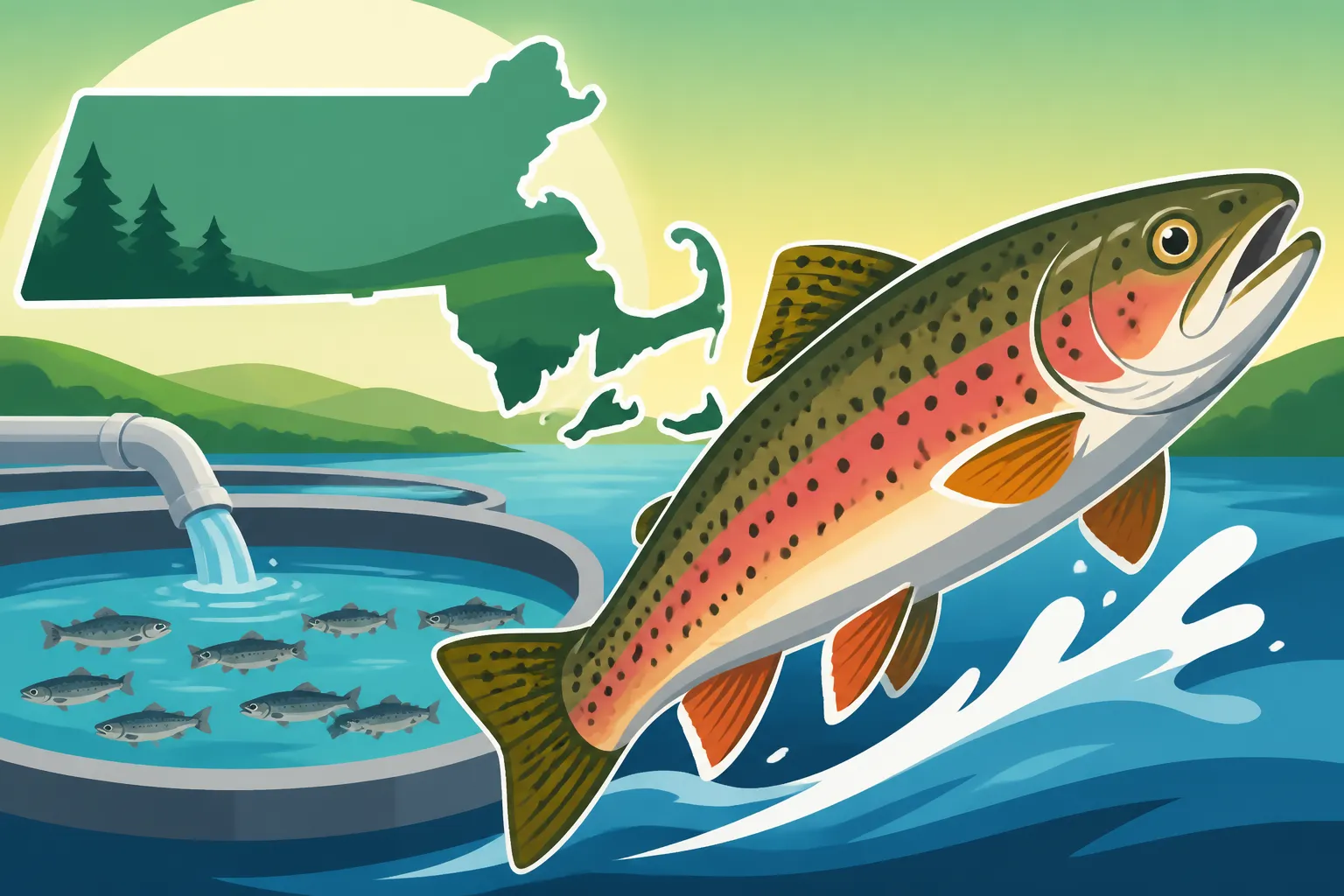
MassWildlife operates several trout hatcheries, including key facilities like the Roger Reed Hatchery in Palmer, the McLaughlin Hatchery in East Sandwich, and the Sunderland Hatchery. These aren't just big bathtubs; they are meticulously designed operations. The foundation of growing big, healthy trout starts with impeccable water quality. Each hatchery relies on consistent sources of clean, cold water, often from natural springs or artesian wells, which is absolutely critical for trout survival and growth.
Within these facilities, the fish are reared in various tanks and raceways, carefully monitored for optimal conditions. This includes continuous checks on water temperature, dissolved oxygen levels, pH, and ammonia concentrations. Maintaining these parameters within tight ranges prevents stress and disease, allowing the trout to focus their energy on growing. Disease prevention is another huge component, involving strict biosecurity protocols to ensure the fish remain healthy throughout their development. It’s a constant vigilance that allows these young trout to flourish in a controlled environment, free from many of the dangers they'd face in the wild.
The Importance of Genetics and Broodstock Selection
You can feed a fish all you want, but if its genetics don't predispose it to grow large, it simply won't. This is where broodstock selection becomes paramount. MassWildlife invests significant effort in maintaining robust, healthy populations of "broodstock" – the adult fish specifically kept for breeding purposes. These fish are carefully chosen for desirable traits such as fast growth rates, disease resistance, good body conformation, and strong reproductive capabilities.
Different species of trout, such as rainbow, brown, and brook trout, each have their own genetic potential for size and growth. For instance, rainbow trout are generally known for their fast growth and willingness to take a variety of baits and lures, while brown trout can grow quite large and are often more elusive. By carefully selecting their broodstock within each species, MassWildlife can ensure that the offspring inherit the traits that lead to bigger, hardier fish. This selective breeding process is an ongoing effort, continually aiming to improve the quality of the trout stocked year after year.
Nourishment and Growth: Feeding Regimens and Diet
Just like any growing organism, trout need the right fuel to reach their full potential. MassWildlife's strategy for growing larger stocked trout heavily relies on a sophisticated and carefully managed feeding program. It’s not just about giving them food, but giving them the right food, in the right amounts, at the right times.
High-Quality, Specially Formulated Diets
Gone are the days of basic fish meal. Today's trout hatcheries use high-performance, specially formulated commercial feeds designed for optimal fish growth and health. These diets are typically rich in protein, essential fats, vitamins, and minerals. Think of it like a bodybuilder's diet for fish – every pellet is packed with precisely what the trout need to put on weight and muscle efficiently. The protein content alone can be upwards of 40-50%, fueling rapid development.
These specialized feeds ensure that the fish are getting all the necessary nutrients without excess waste, which could degrade water quality. The pellets are often designed to be highly digestible, maximizing nutrient absorption. Many of these premium fish feeds are available to hobbyists and aquaculture operations, and if you ever browse the aquaculture section on a site like Amazon, you'll see the sheer variety and scientific backing behind these formulations, often tailored for specific growth stages or species. MassWildlife's team monitors the market for the best available products to ensure their trout receive a superior diet.
Optimized Feeding Schedules and Environmental Controls
It's not enough to just have great food; you need a smart feeding strategy. Trout in MassWildlife hatcheries are fed multiple times a day, with portions carefully calculated based on their size, age, and water temperature. Younger, smaller fish often require more frequent feedings with smaller, finer pellets, while larger trout consume bigger pellets less often. The feeding amount is also adjusted to prevent overfeeding, which can lead to poor water quality and health issues.
Environmental controls play a massive role here, too. Water temperature is perhaps the most critical factor influencing a trout's metabolism and growth rate. Colder water slows down digestion and growth, while warmer (but still within optimal range) water speeds it up. Hatchery staff meticulously monitor and, where possible, regulate water temperatures to create ideal growth conditions. Dissolved oxygen levels are also crucial, as oxygen is needed for the metabolic processes that convert food into growth. By carefully managing these factors, MassWildlife creates an environment where trout can grow as quickly and efficiently as possible, reaching those desirable "keeper" sizes before they ever see a fishing hook.
Space, Stress, and Size: The Role of Rearing Conditions
Beyond diet, the physical environment in which trout are raised significantly impacts their growth and overall health. MassWildlife pays close attention to factors like population density and stress levels within their hatcheries to ensure the fish mature into robust, sizable specimens.
Ample Space for Development
Imagine trying to grow quickly in an overcrowded room – it's tough, right? The same applies to fish. If trout are reared in tanks or raceways that are too crowded, they experience several negative consequences. Overcrowding leads to increased competition for food, which means some fish might not get enough to eat and will grow slower. It also elevates stress levels, making the fish more susceptible to disease and hindering their natural growth processes.
MassWildlife hatcheries manage population density meticulously, ensuring that each trout has sufficient space to grow without undue competition or stress. This means having the right number of fish for the size of the raceway or tank, and often moving fish to larger quarters as they grow. Providing ample space allows the trout to swim freely, maintain strong muscles, and develop a healthy appetite, all contributing to their ability to reach larger sizes before stocking. It's a key part of their strategy to produce those eager, hard-fighting fish we all love to catch.
Minimizing Stress for Healthier Fish
Stress is a silent killer in fish populations, and it can severely stunt growth. Any significant change in their environment – from water quality fluctuations to excessive handling – can trigger a stress response, diverting energy away from growth and towards coping mechanisms. MassWildlife's hatchery staff are trained in best practices for minimizing stress at every stage of the trout's life.
This includes maintaining stable water conditions, handling fish gently during sorting or transfers, and using specialized equipment for transport to stocking locations. When it's time for stocking, the process is carefully executed to reduce the shock of moving from a hatchery environment to a wild waterway. Healthy, low-stress fish are not only more likely to grow larger in the hatchery, but they also have a much better chance of surviving and thriving after they are released. This attention to detail ensures that the trout are in peak condition when they arrive at your favorite fishing spot.
The Strategic Timing of Trout Stocking
Getting trout big is one thing, but deciding when and where to stock them is an entirely different strategic puzzle that MassWildlife expertly solves. This crucial final stage dictates not only the immediate angling experience but also the long-term health of the stocked fisheries.
The "Grow Out" Period: Letting Them Get Big
One of the most significant ways MassWildlife ensures bigger stocked trout is simply by giving them more time to grow in the controlled hatchery environment. Instead of releasing trout when they are just a few inches long, they extend what's known as the "grow out" period. This means keeping the fish in the hatcheries for longer, sometimes for two years or more, allowing them to reach truly impressive sizes before they are ever introduced into public waters.
This extended rearing period, combined with the optimal diets and conditions discussed earlier, is precisely why you sometimes hook into those fantastic 15-inch-plus rainbows or hefty brown trout that feel like miniature torpedoes on the end of your line. It's a deliberate choice that requires more resources, more feed, and more space in the hatcheries, but it directly results in a more rewarding experience for anglers. When you check the MassWildlife trout stocking schedule, you're often looking at the culmination of months, if not years, of dedicated growth. For anglers wondering When Massachusetts trout stocking starts in 2026, this extended growth cycle is a key factor in the fish's impressive size.
Matching Fish Size to Water Bodies and Seasons
MassWildlife doesn't just randomly stock fish; their approach is highly strategic. They carefully consider the characteristics of each water body before releasing trout. A large, deep lake that maintains cold temperatures throughout the summer, like some sections of the Quabbin Reservoir, might receive larger, older trout that have a better chance of surviving and potentially growing even bigger into holdovers. Smaller ponds, which might warm up significantly in the summer, might receive a mix of sizes, often with a focus on providing immediate angling opportunities before conditions become less favorable for trout.
The timing of stocking also plays a role. Spring stocking, for example, is often concentrated when water temperatures are cool and conditions are ideal for trout to acclimate. Fall stocking, which often includes larger broodstock fish, capitalizes on cooling waters and reduced angling pressure, allowing those trophy-sized fish to potentially become holdovers for the next season. Understanding the specific needs and limitations of each water body ensures that the efforts put into growing bigger trout aren't wasted, maximizing both angler satisfaction and the survival rates of these prized fish.
Beyond the Hatchery: Post-Stocking Survival and Angler Impact
MassWildlife's efforts to grow bigger stocked trout don't end the moment the fish are released. What happens next, both in terms of natural factors and human interaction, significantly influences whether those larger fish survive, thrive, and potentially offer future angling opportunities.
Factors Affecting Survival in the Wild
Once a hatchery-raised trout enters a stream or pond, it faces a whole new world of challenges. While they are stocked at a robust size, they are still relatively naive compared to wild-born fish. Predators like ospreys, cormorants, otters, and even larger game fish in the same waters can quickly diminish their numbers. Environmental factors such as sudden temperature spikes, low oxygen levels, or pollution can also be detrimental, particularly in smaller, shallower water bodies that warm up quickly in the summer.
Angling pressure, while a good thing in terms of participation, also plays a significant role. Heavily fished areas will naturally see a quicker reduction in stocked fish. That's why MassWildlife often employs staggered stockings and selects a variety of locations, from easily accessible ponds to more remote streams, to distribute the fishing pressure and extend the opportunities. The goal is always to balance providing ample chances to catch fish with ensuring a portion of those bigger trout can adapt and potentially become multi-season catches.
Angler Practices that Preserve Bigger Trout
As anglers, we have a direct impact on the survival of these bigger, stocked trout. If you're hoping for a chance to catch that trophy fish again, or for it to potentially spawn and contribute to the fishery, practicing responsible angling is key. Catch and release, especially for larger fish, helps preserve these valuable resources.
When you do practice catch and release, consider these tips:
- Use appropriate gear: Don't "fight" a fish for an excessively long time, as it can exhaust them. A properly matched rod and reel helps bring them in quickly.
- Barbless hooks: These make removal much easier and less damaging.
- Handle with care: Wet your hands before touching the fish to protect its slime coat. Avoid squeezing them, especially around the gills. Keep them in the water as much as possible for photos.
- Revive them: If a fish seems sluggish, hold it gently in the water, facing upstream, until it swims away under its own power.
Using artificial lures and flies can also minimize harm, and if you're looking for guidance on what works best, resources like Best Lures for Stocked Trout in Massachusetts or Best Bait for Trout Fishing in Massachusetts can help you choose effective, yet potentially less damaging, options. By adopting these practices, we collectively contribute to the longevity of MassWildlife's efforts to provide excellent trout fishing.
Table: Key Factors in Growing Bigger Stocked Trout
| Factor | MassWildlife's Approach | Impact on Trout Size & Health |
|---|---|---|
| Water Quality | Constant monitoring, pristine spring/well water, advanced filtration, disease prevention | Reduces stress, promotes metabolism, prevents sickness, boosts growth |
| Genetics/Broodstock | Selective breeding of fast-growing, disease-resistant, robust adult trout | Ensures offspring inherit traits for larger size and vigor |
| Diet | High-protein, nutrient-rich commercial pellets formulated for optimal growth stages | Fuels rapid muscle and bone development, enhances overall health |
| Feeding Regimen | Multiple daily feedings, adjusted quantities based on size/temp, minimized waste | Maximizes nutrient intake, maintains energy levels for growth |
| Rearing Space | Low population density in raceways/tanks, regular transfers to larger quarters | Reduces competition for food, lowers stress, allows full physical development |
| Stress Management | Gentle handling, stable environmental conditions, careful transport methods | Preserves energy for growth, improves immune system, enhances post-stocking survival |
| Grow Out Period | Extended time in hatchery (1-2+ years) before stocking | Allows trout to reach significantly larger, more desirable sizes |
| Stocking Strategy | Matching fish size to water body characteristics, strategic seasonal releases | Maximizes survival in diverse environments, provides varied angling opportunities |
Disclaimer
The information provided in this guide is for general informational purposes only. While we strive to provide accurate and up-to-date content, fishing regulations, stocking schedules, and environmental conditions can change. Always consult the official Massachusetts Division of Fisheries and Wildlife (MassWildlife) website and their current regulations pamphlet before planning any fishing trip. Fishing involves inherent risks; always prioritize safety on and near the water.