Daily tautog limit in October
It can be incredibly frustrating to head out for a day of fishing, excited to target a specific species like tautog, only to realize you're not quite sure what the daily bag limit is for that particular month. Regulations can feel like they're constantly shifting, especially when seasons and limits change. This guide is here to cut through that confusion, giving you a clear understanding of the daily tautog limit in Massachusetts during October, why those rules are in place, and how you can stay informed to make sure your fishing trips are always within the legal bounds.
Understanding Massachusetts Tautog Regulations in October
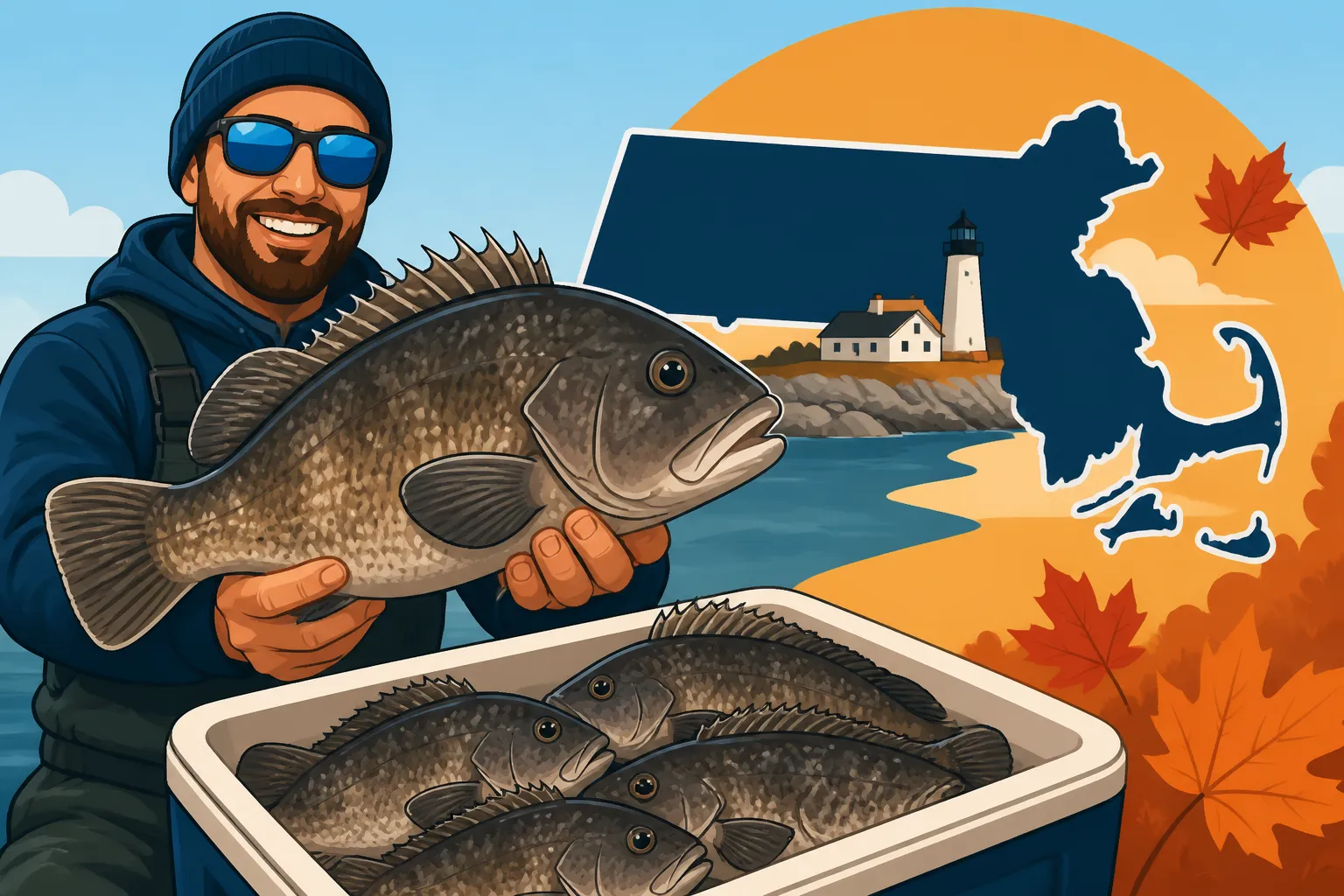
When it comes to tautog, or blackfish as they're often called, Massachusetts has specific regulations that are designed to manage the stock effectively. These aren't just arbitrary numbers; they're carefully considered limits that fluctuate throughout the year to protect the species, especially during critical times like spawning. For many anglers, October is prime time for tautog fishing, as these hard-fighting fish become more active in cooler waters.
The Specifics of October's Bag Limit for Tautog
As of recent regulations, the recreational daily bag limit for tautog in Massachusetts during October is 3 fish per angler per day. This means that no matter how many hungry tautog you hook, you can only keep three legal-sized fish to take home. Alongside this bag limit, there's also a minimum size requirement: any tautog you keep must be at least 16 inches long. It's crucial to measure your catch accurately from the tip of the snout to the end of the tail to ensure it meets the legal length.
This 3-fish limit in October is a specific part of the broader annual management plan. For instance, you'll find that the limit might be higher in some spring months and then drop down, or even have a closed season at other times. Always remember that regulations can be updated, so a quick check with the Massachusetts Division of Marine Fisheries (DMF) website or the official MassWildlife fishing regulations pamphlet before each trip is a smart move. Staying informed ensures you avoid any potential penalties for fishing without proper knowledge of the rules.
Why Tautog Limits Fluctuate Throughout the Year
You might wonder why these limits aren't just a consistent number all year long. The answer lies in the complex biology of tautog and the dedicated efforts to maintain a healthy, sustainable fishery for both current and future generations of anglers. Tautog populations are particularly vulnerable during certain periods, and regulators adjust limits to reflect these biological realities.
The bag limit for tautog in Massachusetts, like many other species, isn't a static number. It's a dynamic regulation that changes based on the time of year to protect the fish during their most vulnerable stages and to ensure sustainable fishing practices. For instance, the limits are often adjusted to reflect spawning seasons and overall stock health.
- Spring Season: Typically, the spring season, often from April 1st through May 31st, allows for a slightly more generous limit, usually around 3 fish per person, with the same 16-inch minimum size. This period targets pre-spawning or early post-spawning aggregations.
- Summer Season: Some years, the summer months, perhaps from June 1st through August 31st, might see a different limit, sometimes lower or with specific area restrictions, to protect the fish as they are active and feeding heavily.
- Fall Season (October): As mentioned, October falls into a critical period of the fall season, where the limit is set at 3 fish at 16 inches minimum. This is a popular time for tautog fishing as the fish move closer to shore and feed aggressively before winter.
- Winter/Closed Season: There are often periods in the winter, like from December through March, where the season might be entirely closed or have a significantly reduced bag limit, sometimes just one fish, to provide a crucial reprieve for the population during colder, less active periods.
Here's a simplified look at how Massachusetts tautog recreational bag limits can vary by season, keeping in mind these are subject to change by the Division of Marine Fisheries:
| Season (Approximate) | Daily Bag Limit (Per Angler) | Minimum Size Limit |
|---|---|---|
| April 1 – May 31 | 3 fish | 16 inches |
| June 1 – July 31 | 1 fish | 16 inches |
| August 1 – Oct 14 | 3 fish | 16 inches |
| October 15 – Dec 31 | 3 fish | 16 inches |
| Jan 1 – Mar 31 | Closed (or 1 fish in specific areas) | 16 inches |
Note: These dates and limits are illustrative and can change. Always consult current MassWildlife regulations.
Conservation Efforts and Spawning Periods
One of the primary reasons for varying bag limits is conservation. Tautog typically spawn in late spring and early summer, generally from May through July, when water temperatures rise. During this critical time, the fish are congregated, making them more susceptible to overfishing. By adjusting limits or even implementing short closed seasons during these peak spawning months, regulators aim to protect a significant portion of the breeding stock, ensuring they have the opportunity to reproduce and replenish the population.
This scientific approach is vital. It's about ensuring there are enough adult fish left in the water to continue the life cycle, which directly impacts how many tautog will be available for anglers to catch in future years. It's a long-term investment in the health of our marine ecosystems. You can learn more about specific regulations in the article, "Massachusetts Tautog Size and Bag Limit by Season".
Balancing Recreational and Commercial Interests
Another factor influencing these regulations is the need to balance the interests of recreational anglers with those of commercial fishermen. Tautog are a popular target for both groups, and the overall health of the stock must support both. Regulators often hold public hearings and consider input from various stakeholders, including charter captains, recreational fishing organizations, and commercial fishing groups, when setting these rules.
This balancing act involves complex data analysis, including stock assessments, catch data, and biological studies, to determine what the total allowable catch should be. From that, allocations are made to different user groups, and daily limits are set for recreational anglers to ensure their portion of the harvest stays within sustainable levels. This is why you might see differences in rules for recreational versus commercial catches, as each sector operates under different harvest management strategies.
Beyond the Limit: Responsible Tautog Fishing Practices
Knowing the daily limit is just one part of being a responsible angler. Tautog are incredibly fun to catch, known for their strong pull and delicious white meat. However, adhering to ethical fishing practices—especially when targeting a species with strict regulations like tautog—is paramount.
Gear and Bait for October Tautog
When fishing for tautog in October, you'll want to be well-prepared. These fish are masters of structure, living in and around rocky bottoms, wrecks, and mussel beds. A stout rod and reel combo are essential to pull them out of their snag-prone homes. Many anglers prefer a medium-heavy spinning or conventional rod, about 6.5 to 7.5 feet long, paired with a reel spooled with 30-50 lb braided line. This setup provides the power needed to stop a big tog from diving back into the rocks. You can find excellent options for specialized bottom fishing rods and reels on platforms like Amazon, making sure you have the right tools for the job.
As for bait, tautog are primarily crustacean eaters. Green crabs are the undisputed king of tautog baits in Massachusetts. You'll want to halve or quarter them, depending on their size, and rig them on a strong, sharp hook, typically a snelled octopus hook in sizes 2/0 to 5/0. Other effective baits can include hermit crabs, fiddler crabs, and even pieces of clam, though crabs usually outperform them for tautog specifically. It's worth noting that using the right bait can make all the difference, and some anglers even order specialty hooks online via retailers like Amazon to ensure they're always equipped. For more detailed insights, check out "Best Bait for Tautog Fishing in Massachusetts".
Best Practices for Catch and Release
Even with a 3-fish bag limit, you'll likely catch more than your share of tautog, especially if you're hitting a good spot. This means catch and release becomes a vital skill. Tautog are tough fish, but improper handling can still lead to delayed mortality.
- Minimize Handling Time: Get the fish unhooked and back into the water as quickly as possible.
- Wet Hands: Always wet your hands before touching a fish to protect its slime coat, which is crucial for its health and defense against disease.
- Barbless Hooks: Consider using barbless hooks, or crimp down the barbs on your existing hooks. This makes unhooking much faster and less damaging to the fish.
- Dehooking Tools: Carry a dehooking tool, especially if the fish has swallowed the hook deeply. This allows you to remove the hook without putting your fingers too close to their powerful jaws.
- Revive the Fish: If a fish seems sluggish or stressed, hold it gently in the water, facing into the current, until it regains its strength and can swim away on its own.
Practicing responsible catch and release not only respects the regulations but also contributes directly to the sustainability of the tautog population.
Where to Find Tautog in October
Tautog are typically found around hard, rocky bottom structures. In October, as water temperatures cool, they often move shallower, becoming more accessible to shore anglers and boaters alike. Good places to start looking include:
- Jetties and Piers: Rocky jetties and piers along the Massachusetts coast, especially in areas like Buzzards Bay, Narragansett Bay, and the Outer Cape, are prime spots. The piles of rocks create ideal habitat.
- Rock Piles and Ledges: If you're on a boat, use your fishfinder to locate offshore rock piles, ledges, and humps in 15 to 40 feet of water. Areas known for mussel beds are often tautog hotspots.
- Wrecks and Artificial Reefs: Submerged wrecks and artificial reef structures also attract tautog, providing shelter and feeding grounds.
Specifically, anglers often find success fishing for tautog in coastal areas like New Bedford Harbor, where many jetties and rocky structures exist. You can explore more options in articles like "Where to fish near New Bedford for tautog" or "Best jetty fishing spots in New Bedford Harbor." Look for areas with current, as tautog prefer moving water that brings them food.
Staying Informed on Massachusetts Fishing Regulations
The fishing landscape is dynamic, and regulations can and do change. The best way to ensure you're always compliant and practicing legal fishing is to proactively stay informed.
Official Sources for Massachusetts Fishing Regulations
The absolute best and most reliable source for up-to-date fishing regulations in Massachusetts is the state's official wildlife and fisheries department.
- MassWildlife Website: The Massachusetts Division of Fisheries and Wildlife (MassWildlife) website is your go-to online resource. They publish current freshwater and saltwater regulations, often updating them annually or as needed.
- Massachusetts Division of Marine Fisheries (DMF): For saltwater species like tautog, the DMF is the specific authority. Their website will have the most current information on bag limits, size limits, and season dates.
- Official Regulations Pamphlet: Many bait and tackle shops, as well as MassWildlife offices, offer free printed pamphlets summarizing the current year's regulations. It's always a good idea to grab one of these before your first trip of the season.
Remember, ignorance of the law is not an excuse. Taking a few minutes to check these official sources can save you from fines or losing your fishing privileges. This is also where you'd typically find information on how to buy a Massachusetts fishing license online, which is essential before you even cast a line.
The Importance of the Wildlands Conservation Stamp
When you purchase your Massachusetts fishing license, you might notice an additional fee for the Massachusetts Wildlands Conservation Stamp. While it might seem like just another expense, this stamp plays a crucial role in funding the conservation efforts that directly support healthy fish populations, including tautog.
The funds generated from the Wildlands Conservation Stamp go directly towards land acquisition for conservation, wildlife habitat improvement, and public access to outdoor recreational areas. This means your purchase helps protect the very places where fish like tautog thrive and ensures that anglers have continued access to those spots. It's an investment in the future of fishing in Massachusetts, making it a small but significant contribution to the state's natural resources. Understanding the details of this stamp can be found in "The Massachusetts Wildlands Conservation Stamp Explained".
Remember, fishing is a privilege, and respecting the rules and contributing to conservation ensures that this cherished pastime remains available for generations to come. Always check the current regulations, practice ethical fishing, and enjoy your time on the beautiful waters of Massachusetts!
Disclaimer
The information provided in this guide is for general informational purposes only and is based on regulations at the time of writing. Fishing regulations, including bag limits, size limits, and season dates, are subject to change at any time by the Massachusetts Division of Marine Fisheries and MassWildlife. It is the responsibility of every angler to consult the most current official Massachusetts fishing regulations before heading out on the water. Failure to do so may result in penalties.