How to catch false albacore near Chatham
The thrill of a false albacore hitting your line is something truly special, a burst of speed and raw power that can leave even seasoned anglers with shaking hands. But let's be honest, figuring out how to consistently hook into these elusive speedsters, especially in a specific, legendary spot like Chatham, can feel like chasing a ghost. This guide is all about equipping you with the knowledge, gear insights, and practical tactics you need to unlock the incredible false albacore fishing opportunities that await you near Chatham, Massachusetts.
Understanding the Elusive False Albacore
Before we dive into the nitty-gritty of casting and retrieving, let's get to know the star of the show: the false albacore, affectionately known as "albies." These aren't true tuna, but rather members of the mackerel family, built for speed and aggression. They’re visually stunning with their distinctive wavy lines on their backs and those beautiful metallic blue-green flanks. But it's their fight that truly captivates; they pull like a fish twice their size, making incredibly fast runs that scream drag.
Why Chatham is a False Albacore Hotspot
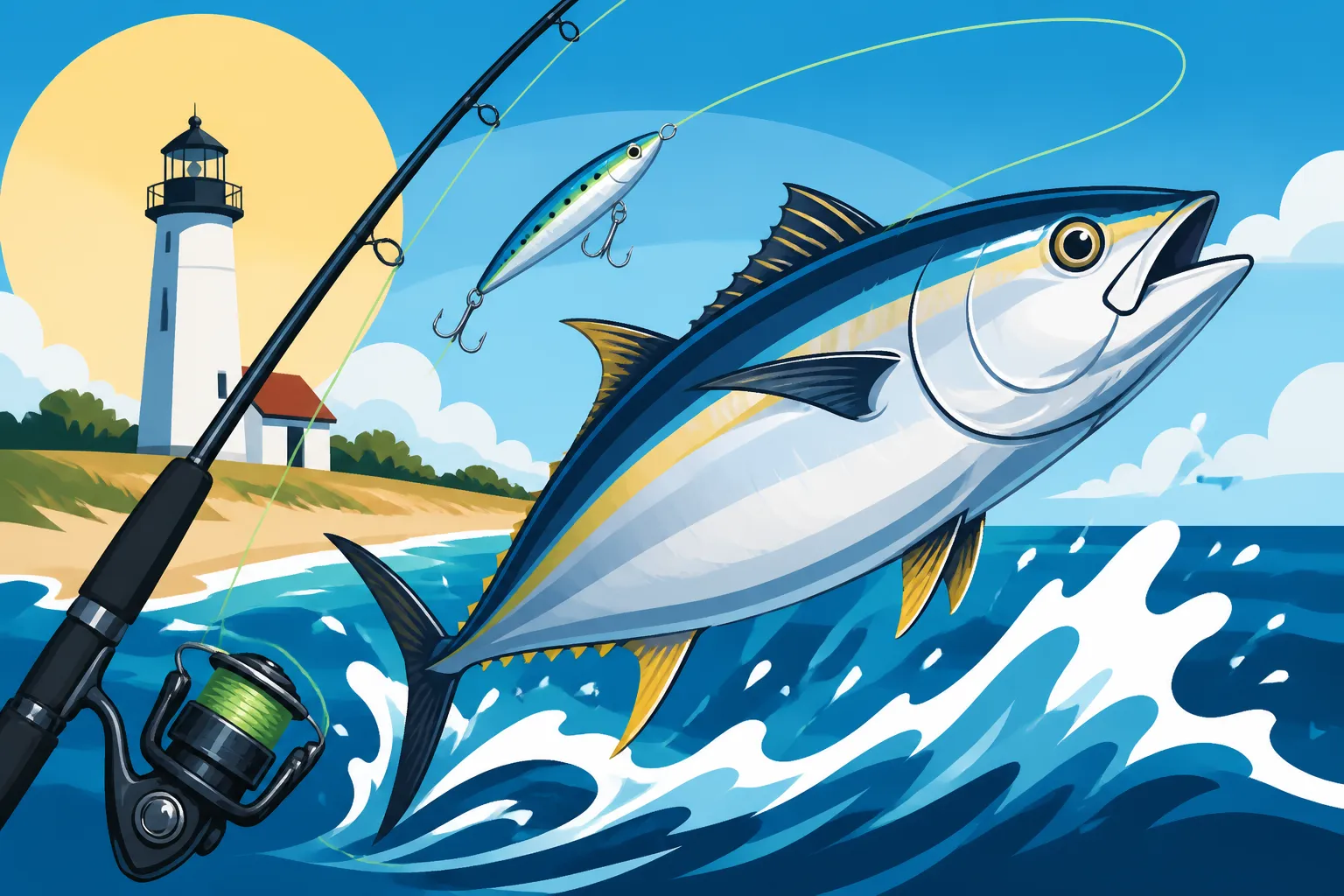
Chatham, with its dynamic currents, shifting sands, and abundance of baitfish, creates a perfect storm for false albacore. The area boasts a rich ecosystem that serves as a massive buffet for these hungry predators. Think about the rips off Monomoy Island, the shoals of Nantucket Sound, and the general confluence of waters where smaller baitfish—like silversides, sand eels, and juvenile herring—congregate. These areas become prime feeding grounds where albies push bait to the surface, creating those tell-tale boils and frenzies that get every angler’s heart pounding.
When you see a flock of terns dive-bombing into the water near Chatham, it's often a tell-tale sign that false albacore (or sometimes bonito, another speedster) are actively busting bait below. The strong tidal flows and cooler, oxygen-rich waters keep these fish active and constantly on the hunt. It's a challenging environment to fish, no doubt, but that's precisely what makes the reward so satisfying. Understanding these local dynamics is the first step in successful albie hunting. You can learn more about general albie movements in Bonito and False Albacore off Cape Cod.
The Diet and Behavior of False Albacore
False albacore are opportunistic predators with a voracious appetite. Their diet primarily consists of small, schooling baitfish. In the waters off Chatham, this means they're gorging on things like bay anchovies, silversides, and critically, sand eels (also known as sand launce). These baitfish often school up in massive numbers, especially around structure or current breaks, making them easy targets for the lightning-fast albies.
Their hunting behavior is often a sight to behold. They are schooling fish themselves, moving in tightly packed groups to herd baitfish to the surface. This is what creates those exhilarating "busts" or "runs" where the water explodes with activity, birds dive, and the fish seem to be everywhere. However, they can also be incredibly finicky, sometimes ignoring anything you throw at them, even when they're seemingly in a feeding frenzy. This is why matching the hatch – presenting a lure that mimics the size, color, and action of the local bait – is absolutely crucial. They are visual hunters, and subtlety can often win the day, even amidst chaos.
Essential Gear for Chasing Chatham Albies
Getting geared up correctly for false albacore fishing in Chatham is half the battle. These fish are powerful, fast, and can expose any weak link in your setup. You need gear that can handle intense, drag-screaming runs, accurate long casts, and repeated abuse from saltwater and aggressive fish. Skimping on tackle here is a recipe for heartbreak.
Rods and Reels for Speed and Power
For rods, you're looking for something that offers a good balance of casting distance, backbone, and sensitivity. A fast-action spinning rod, typically in the 7 to 8-foot range, with a medium-light to medium-heavy power rating, is ideal. This length allows for those crucial long casts when the albies are just out of reach, and the fast action provides the sensitivity to feel subtle takes and the power to fight a strong fish.
When it comes to reels, speed and a smooth, reliable drag system are paramount. A spinning reel in the 3000 to 4000 series (or a comparable size depending on the brand) is usually perfect. Look for models with a high gear ratio (6.0:1 or higher is great) to help you retrieve lures quickly and keep up with their blistering runs. The drag system must be buttery smooth to prevent break-offs when an albie decides to make a sudden dash. Many reputable brands offer excellent options that can withstand the rigors of saltwater. You can often find great deals on these reels on platforms like Amazon, but always check reviews for durability.
Line, Leaders, and Connections
This is where many anglers make mistakes, and it can cost you a prized albie.
- Main Line: Braided line is almost universally preferred for false albacore. Its thin diameter, incredible strength, and zero stretch provide maximum casting distance and sensitivity. I typically recommend 10 to 20-pound test braided line. The lack of stretch also helps you feel those subtle bumps and ensures solid hook sets.
- Leader: False albacore have excellent eyesight, and they're feeding on tiny, nearly invisible baitfish. Therefore, a fluorocarbon leader is non-negotiable. Its low visibility in water is key. I usually start with 10 to 15-pound test fluorocarbon, attaching it to my braided mainline with a strong, slim knot like the FG knot or an Albright knot. The length of your leader can vary, but generally, 2-4 feet is a good starting point. If the fish are particularly finicky, you might go even lighter or longer.
- Connections: All your connections, from your main line to your leader, and your leader to your lure, need to be strong and reliable. Use high-quality swivels and snaps if you prefer them (though many anglers tie directly to the lure for maximum stealth and action). Small, strong snap swivels (size 10-12) can be useful for quick lure changes without retying.
Top Lure Choices for Chatham False Albacore
This is arguably the most critical component. False albacore can be incredibly picky, and matching the size, shape, and flash of the local bait is key.
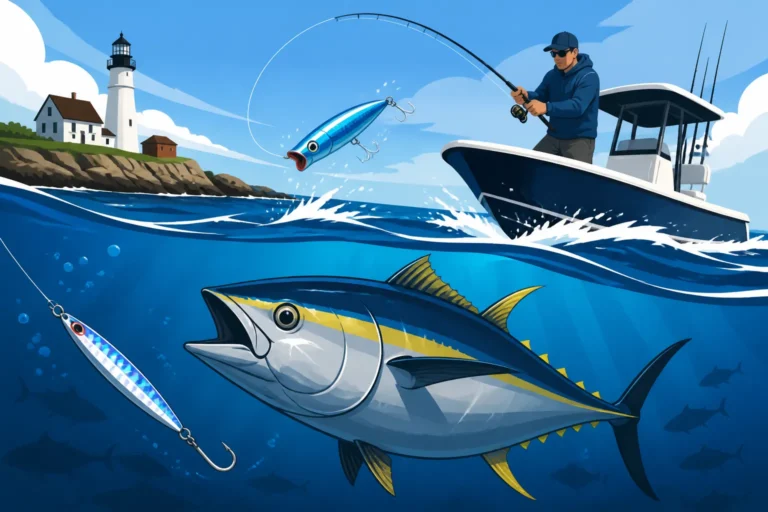
- Small Metal Jigs: These are the bread and butter of albie fishing. Think slender, heavy jigs in the 1/2 to 1-ounce range. Colors that mimic sand eels (silver, green/silver, blue/silver) or silversides (iridescent white/silver) are usually top producers. Brands like Deadly Dick, Kastmaster, and Joe Baggs Epoxy Jigs are legendary for a reason. Their slim profile allows for long casts and a rapid, darting retrieve that albies can't resist.
- Soft Plastics: When the albies are being finicky or feeding on very small bait, soft plastics can be deadly. Small, unweighted or lightly weighted soft plastics, typically 3-5 inches long, rigged on a light jig head (1/8 to 1/4 ounce) or even simply with a small hook, can often entice strikes. Epoxy-style soft plastics are also popular for their lifelike action. Again, matching the bait color is important here.
- Small Plugs and Poppers: Less common, but sometimes effective, especially when albies are busting very aggressively on the surface. Small, pencil poppers or walk-the-dog style plugs can create a commotion that draws strikes. These are more for those spectacular topwater explosions!
When stocking up, consider checking out some of these specific lures on Amazon to build your arsenal for different conditions. Don't forget a pair of pliers, line cutters, and a small tackle bag to keep your essentials organized.
Masterful Tactics and Techniques
Having the right gear is one thing, but knowing how to use it effectively to fool a false albacore is where the real skill comes in. These fish are fast, agile, and often move quickly through an area. Precision, speed, and adaptability are your best friends.
Spotting and Approaching Albie Feeds
Spotting albies is often a game of observation. Look for:
- Working Birds: This is usually your first clue. Terns, gulls, and sometimes shearwaters diving and congregating indicate baitfish being driven to the surface from below. Follow the birds!
- Surface Activity: Look for splashing, "boiling" water, or small "nervous" baitfish skipping across the surface. Sometimes it's a subtle shimmer, other times it's a violent explosion.
- Boat Movement: If you're on a boat, keep an eye on other boats. If several are clustered and casting, chances are they're on fish. However, be respectful and avoid crowding.
Once you spot activity, the approach is critical. If on a boat, try to position yourself upwind or upcurrent of the school, allowing you to drift into casting range without spooking the fish. Avoid running your engine directly into a busting school. If fishing from shore or a pier, you're relying on the schools moving into your casting range, which happens frequently in productive Chatham spots.
The Art of the Cast and Retrieve
- Long and Accurate Casts: False albacore can be skittish, and you often need to cast to the edges of the school or beyond it, not directly into the thickest part. Practice your casting to get maximum distance and accuracy. You want your lure to land softly and not create a big splash that might alarm the fish.
- The Lightning Retrieve: This is perhaps the most crucial technique. Once your lure hits the water, engage your reel immediately and retrieve fast. We're talking blur-your-thumb fast. False albacore are chasing incredibly quick bait, so your lure needs to mimic that escape. Don't be afraid to add erratic twitches, pauses, or sweeps of the rod to impart a wounded baitfish action. The strike often comes as a sudden, violent grab that nearly rips the rod from your hands.
- Keeping the Lure in the Zone: Albies often feed in specific depths or within the school's perimeter. Try to keep your lure moving quickly through that active zone. If you're not getting hits, vary your retrieve speed and depth slightly, but always keep it moving. Sometimes a sudden stop and restart can trigger a reactionary strike.
Remember, albies move incredibly fast. You might see a bust, cast to it, and by the time your lure lands, the school has moved 50 yards away. Persistence and quick reactions are key.
Specialized Chatham Considerations
Fishing near Chatham, whether from a boat or specific shore access points, presents its own unique set of challenges and opportunities.
- Rips and Shoals: The infamous Monomoy Rips, and various shoals in Nantucket Sound and the outer Cape, are natural feeding funnels. The currents here are strong, creating turbulent water where baitfish get disoriented and easy targets. Targeting these areas during strong tidal flows can be incredibly productive. However, strong currents also mean your lure needs to be heavy enough to cut through the water and maintain a fast retrieve.
- Boat vs. Shore: While most albie fishing is done from boats, there are certainly opportunities for shore anglers. Beaches near inlets, jetties, or points where current sweeps bait close to shore can yield incredible action. From a boat, you have the advantage of mobility to chase down busting schools. Just remember to be vigilant for boat traffic and navigation hazards, especially around the shoals.
- Reading the Water: Pay close attention to subtle changes in water texture, color, and temperature. Current lines, eddies, and even slight temperature breaks can hold bait and, consequently, albies. Local knowledge is invaluable here, so if you can chat with bait shop owners or other anglers, definitely do! Where to fish near Chatham for bluefish (Bluefish often share the same bait and waters as albies, so if you find one, the other might be nearby.)
Best Times and Conditions for False Albacore
Timing is everything when it comes to false albacore. You can have all the right gear and techniques, but if the fish aren't there or aren't feeding, you'll be out of luck. Understanding the seasonal, tidal, and weather patterns will drastically improve your chances.
When to Hunt for Albies in Massachusetts
The false albacore season in Massachusetts, particularly around Chatham, generally kicks off in late summer and can extend well into the fall.
- Late Summer (August-September): This is when the first waves of albies typically show up. The water temperatures are warm, and baitfish are abundant. The action can be hot and heavy, with fish aggressively chasing large schools of bait.
- Fall (September-October, sometimes November): This is often considered the peak season. As water temperatures begin to cool, the baitfish migrate, and the albies become incredibly active in their feeding frenzy, trying to pack on weight before their own migration. This is when some of the biggest and most aggressive fish are encountered. Best time of year for false albacore fishing dives deeper into this.
The exact timing can vary slightly year to year based on water temperatures and baitfish movements, so keeping an eye on local fishing reports is always a good idea. For a broader overview, refer to Massachusetts Saltwater Fishing Seasons.
Tides and Currents: The Albie's Playground
False albacore thrive in moving water, and understanding the tides in Chatham is crucial.
- Moving Water is Key: Albies love current. It concentrates baitfish, disorients them, and makes them easier prey. Tidal changes, whether incoming or outgoing, often spark feeding activity.
- Specific Tide Stages: While both incoming and outgoing tides can be productive, many anglers find the last few hours of an outgoing tide and the first few hours of an incoming tide to be prime. This is when bait is often flushed out of harbors, estuaries, or pushed over shoals.
- Rips and Structure: Focus on areas with strong rips, current seams, and underwater structure (like shoals and ledges). These are natural ambush points. The Monomoy Rips, for instance, are famous for their albie action precisely because of the intense currents. However, these areas can be tricky to navigate, especially for boaters, so always prioritize safety.
Weather and Water Conditions
Like any fishing, weather plays a significant role, but albies have some specific preferences.
- Calm and Clear Days: While albies can be caught in choppier conditions, calm, sunny days often lead to the most visible surface activity and make spotting schools much easier. Light winds are ideal as they don't disperse the bait schools too quickly and allow for accurate casting.
- Water Clarity: Clear water is generally preferred. Since albies are highly visual predators, good water clarity helps them spot bait (and your lure!). Murky water can make it tougher for them to hunt effectively.
- Temperature: False albacore are migratory and prefer specific water temperatures. While they can tolerate a range, they tend to be most active when waters are in the mid-60s to low-70s Fahrenheit. Sudden temperature drops can sometimes send them packing.
Always remember to check the marine forecast before heading out, especially around a dynamic area like Chatham. Conditions can change rapidly, and safety should always be your top priority. You'll need a Massachusetts Saltwater Recreational Fishing Permit Explained to fish these waters legally, so make sure you have yours squared away before your trip.
Common Challenges and Troubleshooting
Even with the best gear and knowledge, false albacore can be incredibly frustrating. They earned their reputation for being "finicky" for a reason. Here are some common challenges and how to try and overcome them.
When Albies Are "Buttoned Up"
You see them busting, birds are diving, but nothing you throw at them gets a strike. This is the classic "buttoned up" scenario, and it drives anglers crazy.
- Shrink Your Lure Size: If they're ignoring your typical 3/4 oz jig, try going down to 1/2 oz or even 1/4 oz. They might be feeding on extremely tiny bait, and your lure looks too big.
- Switch Lure Type or Color: If metal isn't working, try a soft plastic. If silver isn't working, try a translucent green or a natural white. Sometimes a subtle change is all it takes. Brands like Hogy or Albie Snax offer soft plastic options that mimic the smaller baitfish perfectly.
- Vary Your Retrieve: Try a slower, more deliberate retrieve, or a rapid stop-and-go. Sometimes a slight modification to the action of the lure is the trigger.
- Lighten Your Leader: If your leader is 15 lb fluorocarbon, drop down to 12 lb or even 10 lb, if conditions allow. The reduced visibility can make a difference. These fish can be surprisingly leader-shy.
- Stealth Mode: Try to cast from further away, avoid engine noise, and keep your profile low. A less intrusive approach might calm the school enough for them to feed naturally.
Dealing with Fast-Moving Schools
False albacore rarely stay in one place for long. They'll burst, feed, and then disappear, only to pop up 100 yards away.
- Anticipate Movement: Learn to predict where the school might reappear. Often, they move with the current or along a particular depth contour. Look for subtle signs of bait or birds moving in a direction.
- Quick Casting: Practice getting your lure out accurately and quickly. Every second counts when a school is up.
- Stay Mobile (if boating): If you're on a boat, be ready to move quickly and safely to get ahead of the school or position yourself for the next bust. However, avoid running directly into the middle of a feeding frenzy, which can break up the school and annoy other anglers.
- Patience and Persistence: Sometimes you just have to wait for the school to come to you or to pop up in a manageable casting range. Don't get discouraged; they will reappear.
Snapping Off on the Strike or Fight
The sheer power and speed of a false albacore can lead to frustrating break-offs.
- Check Your Knots: Before every trip, and even after a few fish, check your knots! A weak knot is the most common point of failure. The FG knot for braid-to-fluoro connection is highly recommended due to its strength and slim profile.
- Smooth Drag Setting: Ensure your drag is set properly – tight enough to set the hook and put pressure on the fish, but loose enough to let line peel off smoothly during powerful runs. A jerky drag will instantly break your line.
- Rod Angle: Keep your rod tip up (but not too high) during the fight to absorb shock and maintain pressure. Pumping and reeling, not just cranking, helps land these strong fish. Avoid "high-sticking" where the rod is bent at an extreme angle, which can break the rod or snap the line.
- Leader Abrasion: Check your fluorocarbon leader frequently for nicks or abrasions, especially if you've been catching fish or if your line has brushed against any structure. Re-tie if necessary. Fluorocarbon is tough, but not indestructible.
By anticipating these challenges and having a plan to address them, you'll be much better equipped to turn those frustrating moments into successful catches. Remember, every albie caught near Chatham is a hard-earned victory!
| Lure Type | Best Conditions | Retrieval Style | Key Advantage |
|---|---|---|---|
| Metal Jigs | All conditions, especially aggressive feeds | Fast, steady retrieve with occasional twitches | Long casting distance, mimics fleeing baitfish |
| Epoxy Jigs | Finicky fish, clear water, small bait | Fast, erratic twitch-and-pause | Realistic appearance, subtle action |
| Soft Plastics | Ultra-finicky fish, very small bait, calmer water | Fast, jigging retrieve, can be twitched | High realism, can be fished slower if needed |
| Small Poppers | Aggressive topwater busts | Walk-the-dog, quick pops, creating splash | Exciting surface strikes, draws attention from afar |
This article is for general informational purposes only and does not constitute professional advice. Laws, prices and regulations vary by location and change over time. Consult a qualified professional for guidance on your specific situation.