Free Fishing Days in Massachusetts
It's a common misconception that fishing in Massachusetts always requires a license, and the thought of navigating all those rules can feel overwhelming, especially for newcomers or families just looking for a fun day out. But here's some fantastic news: Massachusetts offers specific Free Fishing Days each year, making it possible for anyone to experience the joy of fishing without the usual permit requirements. This comprehensive guide will walk you through everything you need to know about these special opportunities, from dates and locations to what regulations still apply, so you can plan your perfect angling adventure.
Understanding Massachusetts Free Fishing Days
Imagine a day where you can grab your rod, head to your favorite Massachusetts pond or coastal spot, and cast a line without worrying about purchasing a freshwater or saltwater fishing license. That's the magic of Free Fishing Days! These are specific dates designated by the Massachusetts Division of Fisheries and Wildlife (MassWildlife) and the Division of Marine Fisheries (DMF) to encourage people to try fishing, perhaps for the very first time, or to reintroduce themselves to the sport. It's a wonderful initiative aimed at fostering a love for the outdoors and promoting participation in one of the Commonwealth's most cherished pastimes.
What are Free Fishing Days?
At its core, Free Fishing Day is a statewide event where the requirement for a valid Massachusetts fishing license is temporarily waived. This means residents and non-residents alike can enjoy a day of angling in designated waters without needing to obtain a permit, which usually involves a fee and a bit of paperwork. These days are strategically chosen, often during peak fishing seasons or around major holidays, to maximize participation. It's not just about saving a few dollars; it's about breaking down barriers and making fishing accessible to everyone, from seasoned anglers curious about a new spot to families looking for an affordable outdoor activity with the kids. Think of it as an open invitation from the state to explore the incredible fishing opportunities Massachusetts has to offer.
The Purpose Behind Free Fishing Weekends
The philosophy behind Free Fishing Days runs deeper than just convenience. MassWildlife and DMF aim to introduce new generations to fishing and reconnect previous anglers with the sport. In an increasingly digital world, getting people outdoors and engaged in nature is more important than ever. By removing the license requirement for a day or two, the state hopes to spark an interest that might lead to continued participation, ultimately benefiting conservation efforts through future license sales. When more people fish responsibly, more people care about healthy aquatic ecosystems, which then supports the very fish populations we all enjoy. It's a cyclical relationship where a free day of fishing can lead to a lifetime of environmental stewardship.
Types of Free Fishing Days: Freshwater vs. Saltwater
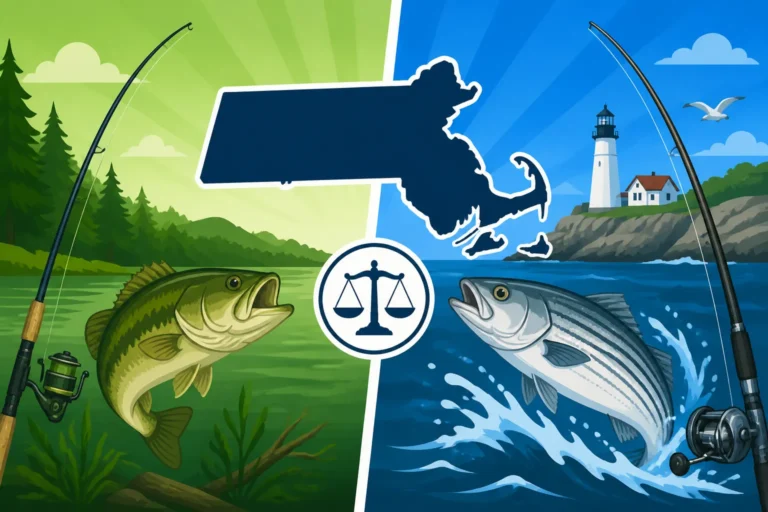
Massachusetts uniquely offers two distinct Free Fishing Days: one for freshwater and one for saltwater. This is a crucial distinction because the regular licensing requirements for freshwater and saltwater fishing are different in the Bay State. For instance, you typically need a Massachusetts Freshwater Fishing License for inland waters and a separate Massachusetts Saltwater Recreational Fishing Permit for coastal waters.
The freshwater Free Fishing Day allows you to fish in any public pond, lake, river, or stream within Massachusetts without a freshwater license. This usually happens on a specific weekend in June, aligning with the excellent early summer fishing for species like bass, trout, and panfish. The saltwater Free Fishing Day, on the other hand, allows you to fish in marine waters (the ocean, bays, estuaries) without needing the recreational saltwater permit. This day is often held later in the summer or early fall, when species like striped bass, bluefish, and fluke are abundant. Understanding which type of free day is being observed is key to knowing where you can legally cast your line.
Free Fishing Days Dates in Massachusetts
Getting the dates right is probably the most important part of planning your free fishing adventure. While MassWildlife and DMF typically announce these dates annually, they tend to fall within similar windows each year. It’s always best to double-check the official MassWildlife website as the specific dates for each year are usually posted well in advance. Don't just show up to your local pond hoping it's a free day; confirm it first!
Annual Freshwater Free Fishing Weekend
For those who love chasing largemouth bass, feisty trout, or schooling perch in Massachusetts' beautiful lakes and rivers, the Freshwater Free Fishing Weekend is your golden ticket. Historically, this event has been held on the first weekend of June. For instance, if we're looking ahead to 2026, it's highly probable the dates will be the first Saturday and Sunday of June. This timing is perfect because by early June, water temperatures have usually warmed up enough for a wide variety of freshwater species to be active, but before the oppressive heat of mid-summer sets in. It's also a fantastic time for families, as school is often winding down, making it an ideal weekend activity.
During this weekend, you can explore many of the fantastic freshwater fishing spots across the state. Whether you're thinking of the expansive Quabbin Reservoir (though special Quabbin Reservoir Fishing Permits and Rules in Massachusetts still apply for access, the state license requirement is waived), or a smaller local pond like Walden Pond or Lake Quinsigamond, this is your chance to try it out. Many communities also host local fishing derbies or events coordinated with the free weekend, making it an even more festive occasion for anglers of all ages.
Annual Saltwater Free Fishing Day
Massachusetts boasts an incredible coastline, brimming with opportunities for saltwater angling, from the iconic Cape Cod Canal to the shores of Plum Island. The annual Saltwater Free Fishing Day is designed for those who want to experience this without obtaining a Massachusetts Saltwater Recreational Fishing Permit. This day usually occurs later in the summer or early fall, often in late August or September. For example, if we consider Massachusetts free saltwater fishing days for 2026, you can expect an announcement for a specific date around that timeframe. This period is prime for many popular saltwater species, including the elusive striped bass, the hard-fighting bluefish, and bottom dwellers like black sea bass and tautog.
This free day is a wonderful chance to try surfcasting from one of the state's many beautiful beaches or drop a line from a public pier or bridge. If you've always wanted to try fishing for stripers from shore but weren't sure about the commitment of a permit, this is your opportunity. Remember, while the permit requirement is waived, all other regulations, like bag limits and size restrictions, still apply. So, if you're out there on the free day, make sure you're up to date on the Massachusetts Saltwater Bag Limits by Species!
Confirming the Exact Dates Each Year
While the general timeframe for Free Fishing Days is relatively consistent, always confirm the precise dates for the current year directly from MassWildlife or DMF. A quick search on their official websites, or a call to a local MassWildlife district office, will give you the most accurate and up-to-date information. Missing out on these days because of an assumption would be a real bummer!
It's also a good idea to check local news outlets or community calendars, as many towns and environmental groups often promote these days and sometimes even offer free clinics or gear loaner programs. Knowing the exact dates ensures you can properly plan your fishing trip, gather your gear, and maybe even invite some friends or family who have been hesitant to try fishing due to the license requirement.
Who Can Participate in Free Fishing Days?
One of the best aspects of Free Fishing Days in Massachusetts is their inclusivity. These days are designed to remove barriers, meaning virtually anyone can grab a rod and reel and join in the fun, regardless of their residency status or age. It's truly a day for everyone to experience the joys of fishing.
Residents and Non-Residents Alike
Unlike regular fishing license requirements where there's a clear distinction and different costs for residents versus nonresidents, Free Fishing Days level the playing field. Whether you've lived in the Commonwealth your entire life or you're visiting from out of state, you are equally welcome to participate without a license on these designated days. This is fantastic news for tourists visiting Cape Cod or the Berkshires who might want to try a local fishing experience without committing to a full Massachusetts Fishing License for Nonresidents.
It's important to remember that this "free pass" is only for the specified dates. If you find yourself hooked on fishing (pun intended!) after your free day experience, and you want to continue beyond that, then standard Massachusetts Fishing License Requirements by Age and residency will kick back in. However, for that one or two special days, everyone is considered an honorary Massachusetts angler!
Age Requirements and Exemptions
Another common question is about age. Usually, children under 15 don't need a freshwater fishing license, and there are also age exemptions for the saltwater permit. However, during Free Fishing Days, these specific age rules become somewhat moot, as everyone is exempt from the license requirement for those particular dates.
This means if you're bringing a group of kids, a teenager who just turned 15, or even a grandparent who might normally qualify for a Massachusetts Senior Fishing License Discounts, none of them need to worry about purchasing a permit for that specific day. It truly streamlines the process for family outings and makes it incredibly easy to introduce fishing to children without any administrative hurdles. So, pack up the whole family – from the littlest tot who can barely hold a rod to the most seasoned senior – and enjoy a day on the water together.
Special Considerations for Certain Waters
While Free Fishing Days are broad in their application, there are a couple of very specific exceptions that are crucial to understand, particularly concerning certain managed waters. The most notable of these is the Quabbin Reservoir. While you won't need a state freshwater fishing license on the Freshwater Free Fishing Weekend to fish Quabbin, you will still need to adhere to the Quabbin Reservoir Fishing Permits and Rules in Massachusetts. This means obtaining a specific Quabbin Reservoir fishing permit, often available at the reservoir's gates or designated permit stations, as well as boat permits if you're using a vessel.
The Quabbin Reservoir is a pristine drinking water supply, and its unique ecosystem and operational rules require extra layers of protection and management. So, don't just show up to Quabbin on a free fishing day expecting a completely unrestricted experience. Always check the specific rules for any highly regulated or private waters, as they might have their own permit systems or access rules that are separate from the state's general licensing framework. For most other public ponds and lakes, however, you're good to go!
What You Can Fish For on Free Fishing Days
So, you've got the dates, you know who can go, now the big question: what can you actually catch? The good news is that during Massachusetts Free Fishing Days, you can target a wide variety of species, just as you would with a regular license. However, the catch limits and size restrictions that protect fish populations remain firmly in place.
Freshwater Species
On the Freshwater Free Fishing Weekend, you have access to the impressive diversity of Massachusetts' inland fish. This includes popular game fish like largemouth bass and smallmouth bass, which can be found in many ponds and rivers. If you're lucky, you might even hook into some stocked trout – rainbow, brown, or brook trout – especially if you visit a body of water that has recently been stocked by MassWildlife. Panfish like yellow perch, bluegill, and crappie are also abundant and make for excellent targets, especially for kids, as they are often eager biters.
Some of the larger rivers, like the Connecticut River Fishing in Massachusetts, might also offer opportunities for species like northern pike or even various catfish species. The key is to know what fish are present in the specific water body you plan to visit and to be familiar with the regulations pertaining to those species. It's always exciting to see what's biting, and these days provide a perfect chance to explore new freshwater fishing spots or revisit old favorites.
Saltwater Species
During the Saltwater Free Fishing Day, the entire Massachusetts coastline becomes your playground. You can pursue the iconic striped bass, a prized game fish for many anglers. Bluefish are also commonly caught, known for their aggressive strikes and powerful fights. If you're bottom fishing from a pier or boat, you might encounter species like black sea bass, scup (porgy), or even summer flounder (fluke). For those venturing to areas like Gloucester or Cape Ann, you might even have a shot at catching some cod, though recreational cod fishing rules are very strict.
Keep in mind that while the permit is waived, the regulatory framework for these species is still active. For instance, the Massachusetts Striped Bass Slot Limit Explained dictates the size range of stripers you can keep, and there are specific bag limits for species like bluefish and black sea bass. It's essential to be prepared by knowing the rules for the species you intend to target, as conservation efforts depend on everyone's compliance.
Bag Limits and Size Restrictions Still Apply
This is arguably the most important detail for any angler participating in Free Fishing Days: while the license requirement is waived, all other Massachusetts Recreational Fishing Rules and Bag Limits remain in full effect. This means:
- Daily Catch Limits: There's a maximum number of fish you can keep for each species per day. You cannot exceed this.
- Size Limits: Many species have minimum and/or maximum size requirements. For example, a striped bass must fall within a specific "slot limit" to be legal to keep. Fluke also have different minimum sizes depending on whether you're fishing from shore or a boat.
- Season Dates: Some species have specific open and closed seasons. You cannot fish for or keep a species if its season is closed, even on a free fishing day.
- Gear Restrictions: Rules about the number of hooks, types of bait, or specific gear (like two-pole fishing rules or prohibitions on certain nets) still apply.
The question of "Do Bag Limits Still Apply on Massachusetts Free Fishing Days?" is a resounding YES. Ignorance of the rules is not an excuse, and violating these regulations can result in penalties for fishing without a license in Massachusetts, even if you’re fishing on a free day. So, before you head out, do your homework on the MassWildlife and DMF websites for the most current regulations. This ensures a responsible and legal fishing experience for everyone.
Rules and Regulations During Free Fishing Days
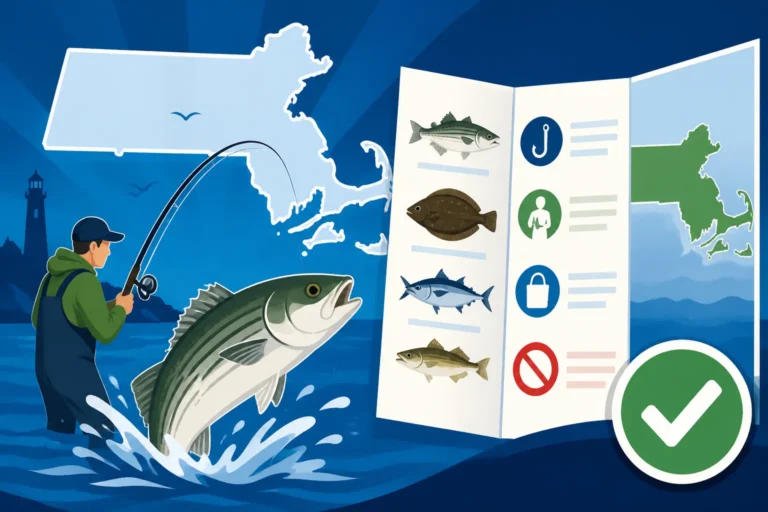
While the absence of a license requirement on Free Fishing Days is a huge boon for anglers, it's absolutely critical to understand that this is the only rule that is relaxed. All other fishing laws, designed to protect fish populations and ensure fair chase, remain in full force. Disregarding these rules, even on a free day, can lead to fines and penalties.
What Regulations Remain in Effect
Think of it this way: Free Fishing Days give you a pass on the entry ticket, but not on the stadium rules. Here's a rundown of what still applies:
- Daily and Possession Limits: As mentioned earlier, the number of fish you can legally keep in a day (daily limit) and the total number you can have in your possession (possession limit) are still in effect. These are species-specific, so check for trout, bass, striped bass, bluefish, etc.
- Minimum and Maximum Size Limits: For many species, there are specific size windows for legal harvest. Catching a fish outside this window means it must be immediately released unharmed. This is especially true for popular species like striped bass and fluke.
- Open Seasons: Some fish species have specific seasons when they can be harvested. If a species' season is closed, you cannot keep it, regardless of whether it's a free fishing day.
- Gear Restrictions: Rules regarding bait, hooks, lures, and fishing methods are still enforced. For example, some waters have specific restrictions on the use of live bait, or the number of hooks allowed per line.
- Conservation Rules: Any other specific conservation rules, such as those related to protected species or aquatic invasive species prevention (e.g., cleaning your boat and gear), remain mandatory.
- Specific Water Body Rules: Beyond Quabbin Reservoir, other specific water bodies might have unique local regulations or access rules. Always check before you go.
The easiest way to stay compliant is to carry a copy of the current Massachusetts Fishing Regulations Pamphlet. While you might not need the license part, the regulations section is your bible for the day.
Penalties for Non-Compliance
It's a common misconception to think that since it's a "free day," there are no consequences for breaking rules. This couldn't be further from the truth. MassWildlife Environmental Police Officers and other law enforcement officials are still on patrol during Free Fishing Days, and they will enforce all regulations other than the license requirement itself.
If you are found to be over the bag limit, keeping undersized or oversized fish, fishing out of season, or using illegal gear, you can face significant fines. The Massachusetts fishing license fine for a first offense can be substantial, and repeated violations can lead to even harsher penalties, including confiscation of gear or suspension of future fishing privileges. So, please, respect the rules. These regulations are in place for a good reason – to ensure healthy fish populations for everyone, including future generations of anglers. Free Fishing Days are a privilege, not an excuse for disregard.
Public vs. Private Property Access
Another important consideration is access. Free Fishing Days only waive the state fishing license requirement; they do not grant you permission to trespass on private property. Always be mindful of "No Trespassing" signs and private land boundaries. Stick to public access points, parks, and designated fishing areas.
Massachusetts has a concept of "great ponds" where public access is generally allowed, but even then, getting to these ponds might involve crossing private land. When fishing along the coast, be aware of where public beaches end and private beachfront begins. Using public fishing access points in Massachusetts is always the safest bet. If you're unsure about the access to a particular spot, it's always best to err on the side of caution and find an alternative.
Making the Most of Your Free Fishing Day
Free Fishing Days are a fantastic opportunity, but like any good fishing trip, a little preparation goes a long way. To truly maximize your experience and ensure a fun, stress-free day on the water, consider these tips.
Essential Gear and Setup
You don't need a boatload of expensive gear to enjoy Free Fishing Days, especially if you're just starting out. A basic spinning rod and reel combo is perfectly adequate for most freshwater and inshore saltwater fishing. Look for something versatile, in the 6-7 foot range, with a medium action. For line, 6-10 lb test monofilament or fluorocarbon is a good starting point for freshwater, and maybe 15-20 lb braid with a fluorocarbon leader for saltwater.
When it comes to terminal tackle, here's what you'll want:
- Hooks: A variety of sizes (e.g., #6, #4, #2 for freshwater; 1/0, 2/0 for saltwater).
- Sinkers/Weights: Split-shot for light bait fishing, or some bullet weights for casting lures.
- Floats/Bobbers: Essential for keeping your bait at a certain depth and visually indicating bites.
- Lures: A few basic lures like small spoons, spinners for trout, or soft plastics for bass can go a long way. For saltwater, a simple Kastmaster or a bucktail jig can be very effective.
- Bait: Worms are universally effective for freshwater. For saltwater, shrimp or clam strips work wonders. Live bait shops are plentiful in Massachusetts.
- Pliers/Forceps: For safely removing hooks.
- Tape Measure: Crucial for checking if your catch meets size limits.
- Cooler: To keep your catch fresh if you plan to keep any legal fish.
Don't forget the essentials for you: sunscreen, a hat, sunglasses, bug spray, comfortable shoes, and plenty of water. A small tackle box or bag to keep everything organized is also a lifesaver. You can find many of these items, from basic rod and reel combos to tackle boxes, on Amazon, often with quick delivery if you're planning last minute.
Top Fishing Spots to Consider
Massachusetts is absolutely brimming with incredible fishing spots, both freshwater and saltwater. During Free Fishing Days, try to pick a location that's convenient and known for good public access.
For freshwater, if you're near Worcester, Lake Quinsigamond Fishing Spots in Massachusetts are popular for bass and pike. In the Berkshires, many small ponds and streams offer trout and panfish. Closer to Boston, you might try some of the ponds in Wompatuck State Park Pond Fishing for panfish with the family. MassWildlife also maintains a list of stocked ponds and lakes, which are great targets for trout fishing, especially if you want to try your luck right after a stocking event.
For saltwater, the Cape Cod Canal Fishing Guide for Massachusetts Anglers is legendary for striped bass and bluefish, though it can get crowded. Public beaches along the North Shore like Plum Island Surf Fishing Guide offer excellent surfcasting opportunities. Many towns also have public piers or jetties perfect for dropping a line, like those in Gloucester and Cape Ann Fishing Spots, or along the South Shore Fishing Spots Near Scituate and Plymouth. Remember to choose spots with good public access to avoid any issues.
Family-Friendly Fishing Tips
Free Fishing Days are truly designed for families. Here are some tips to make it enjoyable for everyone, especially the little ones:
- Keep it simple: Don't overcomplicate the fishing. Simple bait and a bobber are often the most effective and engaging for kids.
- Target panfish: Species like sunfish and perch bite frequently, which keeps kids engaged and prevents boredom.
- Short attention spans: Plan for shorter outings, especially with very young children. You can always extend if they're having a blast.
- Patience is key: Fishing is about patience, but also about enjoying the surroundings. Point out wildlife, talk about nature, and make it an overall outdoor experience, not just about catching fish.
- Safety first: Always use life jackets if fishing near deep water or from a boat. Teach kids how to safely cast and handle fish.
- Pack snacks and drinks: Hungry or thirsty kids are not happy kids.
- Celebrate every catch: Even the smallest sunfish is a trophy in a child's eyes.
- Bring a bucket: Kids love to see their catches up close (briefly, before release!).
Consider checking out local fishing clinics or events that often coincide with Free Fishing Days. These can provide valuable hands-on instruction and even loaner gear, further enhancing the family experience.
Beyond Free Fishing Days: Getting Licensed in Massachusetts
Hopefully, your experience on Free Fishing Days will be so fantastic that you'll want to continue fishing throughout the year! If that's the case, you'll need to acquire the appropriate Massachusetts fishing license. It's a straightforward process, and the fees contribute directly to conservation efforts that keep our fish populations healthy.
How to Purchase a Massachusetts Fishing License
Getting a license in Massachusetts is easier than ever. Most people opt to buy their license online through MassWildlife's official licensing system, MassFishHunt. This system allows you to purchase both freshwater and saltwater permits (and even hunting licenses or combination licenses if you're interested) from the comfort of your home. You can even use your existing MassFishHunt account setup guide if you've ever had a license or stamp before.
Here's the general process:
- Visit the MassFishHunt website: This is the official portal.
- Create an account or log in: If you're a new user, you'll need to register. Returning users can log in with their existing credentials.
- Select your license type: Choose between a freshwater license, saltwater permit, or a combination if you plan to do both.
- Complete the purchase: Follow the prompts to provide your information and pay the fee. There might be a small processing fee added to the base cost.
- Print your license: You can usually print a temporary license immediately, and a physical copy will be mailed to you. Remember, carrying proof of your Massachusetts fishing license is mandatory when fishing. A printed copy or a digital image on your phone can suffice, but check current rules.
You can also purchase licenses in person at various MassWildlife vendor locations, such as bait and tackle shops or some town clerks' offices. This is a good option if you prefer face-to-face interaction or need assistance.
Understanding License Types and Costs
Massachusetts offers several types of licenses to fit different needs:
- Freshwater Fishing License: Required for fishing in inland waters. Different costs apply for residents and non-residents, and there are discounts for seniors and junior anglers. For example, check out Massachusetts Freshwater Fishing License Costs and Rules.
- Massachusetts Saltwater Recreational Fishing Permit: Required for recreational saltwater fishing. Again, resident and nonresident costs apply, with certain age exemptions (e.g., those 60 and over do not pay a fee for the permit, but still need to register it). You can learn more about Massachusetts Saltwater Permit Age Requirements.
- Combination Hunting and Fishing License: If you enjoy both activities, a Massachusetts Combination Hunting and Fishing License can often be more cost-effective than buying two separate licenses.
- Short-Term Options: For non-residents or those who only fish occasionally, there might be short-term Massachusetts fishing license options, like a 3-day or 7-day license, which can be a good value.
The cost for a Massachusetts Resident Fishing License Cost is generally quite affordable, and it’s a small price to pay for a full year of fishing opportunities and supporting vital conservation programs. These fees help fund trout stocking programs, habitat restoration, research, and enforcement, all of which benefit anglers directly.
The Massachusetts Wildlands Conservation Stamp
When purchasing your freshwater or combination license, you'll also likely encounter the option to purchase the Massachusetts Wildlands Conservation Stamp. This stamp is mandatory for resident and non-resident anglers age 15 and older purchasing an annual freshwater fishing or hunting license, or a combination license.
The revenue generated from the Wildlands Conservation Stamp goes directly into a dedicated fund used for the acquisition of new public lands for conservation and recreation, and to manage existing wildlife areas. So, while it adds a small amount to your license cost, it directly benefits the outdoor spaces where you fish and hunt. It's a small investment with a big impact on preserving Massachusetts' natural beauty and recreational opportunities for everyone to enjoy.
Common Questions About Free Fishing Days
Even with all this information, a few common questions always pop up about Free Fishing Days. Let's tackle them head-on to clear up any lingering confusion.
Do I need any permit at all on a Free Fishing Day?
For the vast majority of public freshwater and saltwater bodies in Massachusetts, the answer is a simple "no" – you do not need a state fishing license or saltwater permit on a designated Free Fishing Day. This is the whole point! However, as discussed, there are very specific exceptions. The most prominent is the Quabbin Reservoir, which requires its own separate access permit even on free fishing days due to its unique status as a drinking water supply. Similarly, private ponds or clubs might have their own rules. Always assume that if you're fishing in a very specific, managed water body or private property, there might be additional permits or permission required. Otherwise, for most public lakes, rivers, and coastal areas, you're good to go without the state license.
What if I accidentally catch a fish that's out of season or too small?
This is a scenario that every angler faces, regardless of whether it's a Free Fishing Day or not. The key is to know your regulations before you cast your line. If you catch a fish that is out of season, too small, too large (for slot limits like striped bass), or exceeds the daily bag limit, you are legally required to release it immediately and unharmed.
Here are the best practices:
- Be prepared: Have your tape measure handy.
- Handle with care: Minimize the time the fish is out of water. Wet your hands before touching it.
- Use appropriate tools: Pliers or forceps make hook removal easier and safer for both you and the fish.
- Quick release: Gently unhook the fish and release it headfirst into the water, ensuring it swims away strongly.
There's no "oops" pass for keeping illegal fish, even on a free day. Environmental Police are looking for compliance with these rules, as they are fundamental to sustainable fishing. If you're unsure, always release the fish. It's better to be safe than sorry and face a Massachusetts fishing license fine for a first offense.
Can I use a boat or kayak on Free Fishing Days without a boat registration?
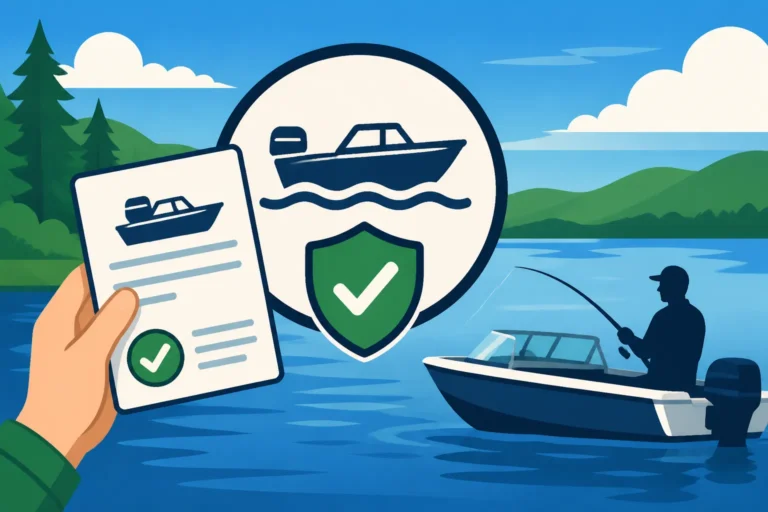
This is an important distinction! Free Fishing Days waive the fishing license requirement, not boat registration or safety requirements. If you're using a motorized boat, a sailboat, or a larger non-motorized vessel (like a canoe over 16 feet or a kayak over 16 feet used for fishing), it will still need to be registered with the Massachusetts Environmental Police (MEP) if required by law. Most kayaks, canoes, and stand-up paddleboards under 16 feet that are not federally documented generally do not require state registration in Massachusetts, but this is a vessel rule, separate from fishing.
More importantly, all safety regulations, such as carrying personal flotation devices (life jackets) for everyone on board, fire extinguishers (for motorized vessels), sound-producing devices, and navigation lights (if operating at night), remain mandatory. Operating a boat without proper registration or safety equipment can lead to fines from the MEP or the US Coast Guard. So, while you might be fishing for free, your vessel still needs to play by the rules. Do You Need a Boat Registration to Kayak Fish in Massachusetts? The answer depends on the vessel size, not whether it's a free fishing day.
Are there any specific waters where Free Fishing Days don't apply?
Generally, Free Fishing Days apply to all public waters in Massachusetts. However, as noted before, there are a few exceptions or special rules to keep in mind:
- Quabbin Reservoir: Requires its own specific permit, even on free fishing days, in addition to adherence to special regulations.
- Wachusett Reservoir: Similar to Quabbin, Wachusett Reservoir Fishing Access Rules in Massachusetts are very specific and may require additional permits or have restricted access points, even during free fishing days. While the state license is waived, always confirm current DCR (Department of Conservation and Recreation) access rules.
- Private Ponds/Clubs: If a pond is entirely on private land and not deemed a "great pond" with public access rights, you would still need permission from the landowner to fish there. Free Fishing Days do not override private property rights.
- Commercial Vessels: If you're fishing on a for-hire charter or party boat, the captain usually holds a blanket permit for passengers, but individual permits are often still needed. However, on the official Saltwater Free Fishing Day, individual recreational saltwater permits are not required, even for charter passengers. It's always best to confirm with the specific charter company you plan to use.
For the most part, if you're planning to fish a publicly accessible lake, pond, river, or coastal area, you'll be covered. When in doubt, a quick check with MassWildlife or the local town office can clarify any specific local regulations or access questions.
Disclaimer
This guide is intended for informational purposes only and does not constitute legal advice. Fishing regulations, dates, and requirements are subject to change by the Massachusetts Division of Fisheries and Wildlife (MassWildlife) and the Division of Marine Fisheries (DMF). Always consult the official MassWildlife and DMF websites or their current regulations pamphlets for the most up-to-date and accurate information before engaging in any fishing activities. Compliance with all applicable laws and regulations is the sole responsibility of the individual angler.