Biggest trout stocked in Massachusetts
It's an age-old dream for many anglers: the thrill of reeling in a truly massive fish, especially when you're targeting trout. We've all been there, wondering if that next cast could land us a lunker, and in Massachusetts, thanks to thoughtful stocking programs, that dream is more within reach than you might think. This guide is all about shedding light on MassWildlife's efforts to stock big, beautiful trout, helping you understand what kind of giants are out there and, more importantly, how you might just catch one yourself.
Understanding MassWildlife's Trophy Trout Program
Let's be real, a lot of fishing is about the experience, the peace and quiet, the time spent outdoors. But sometimes, just sometimes, you want to feel that rod bend double, that reel scream, and know you're battling something substantial. MassWildlife understands this completely, and that's why they don't just stock thousands of smaller, pan-sized trout each year. They also make a concerted effort to release some real heavyweights into our local waters, creating genuine trophy opportunities for anglers across the Commonwealth. This isn't just a happy accident; it's a deliberate part of their fisheries management strategy to keep us all excited and coming back for more.
These larger fish often serve a dual purpose. For one, they provide an immediate thrill. Imagine bringing a child fishing, and instead of a tiny 8-inch stocker, they hook into a two-pound rainbow! That's a memory that lasts a lifetime and can ignite a passion for fishing. Secondly, these bigger trout often act as a draw, encouraging more people to explore various fishing spots throughout the state. It's a fantastic way to spread the angling pressure and showcase the diverse waters Massachusetts has to offer. Knowing that a true monster could be lurking in your favorite pond or river adds an extra layer of excitement to every outing.
It's also a testament to the dedication of the hatchery staff. These fish don't just magically appear. They are cared for, fed, and grown to impressive sizes before being carefully transported and released. This commitment ensures that even after the initial stocking, there are still some seasoned, robust fish left in the system to challenge anglers. This thoughtful approach helps maintain healthy fisheries and provides a richer, more diverse experience for everyone, from the casual weekend angler to the dedicated trophy hunter. You can learn more about how they raise these fish by checking out How MassWildlife Grows Bigger Stocked Trout.
The Types of Big Trout You Might Encounter
When we talk about "biggest trout stocked in Massachusetts," we're generally referring to a few key categories, and understanding them can greatly enhance your chances of finding and catching one. It's not just one species that gets the royal treatment; MassWildlife makes sure to spread the love among several of our favorite game fish.
Retired Broodstock: The True Giants
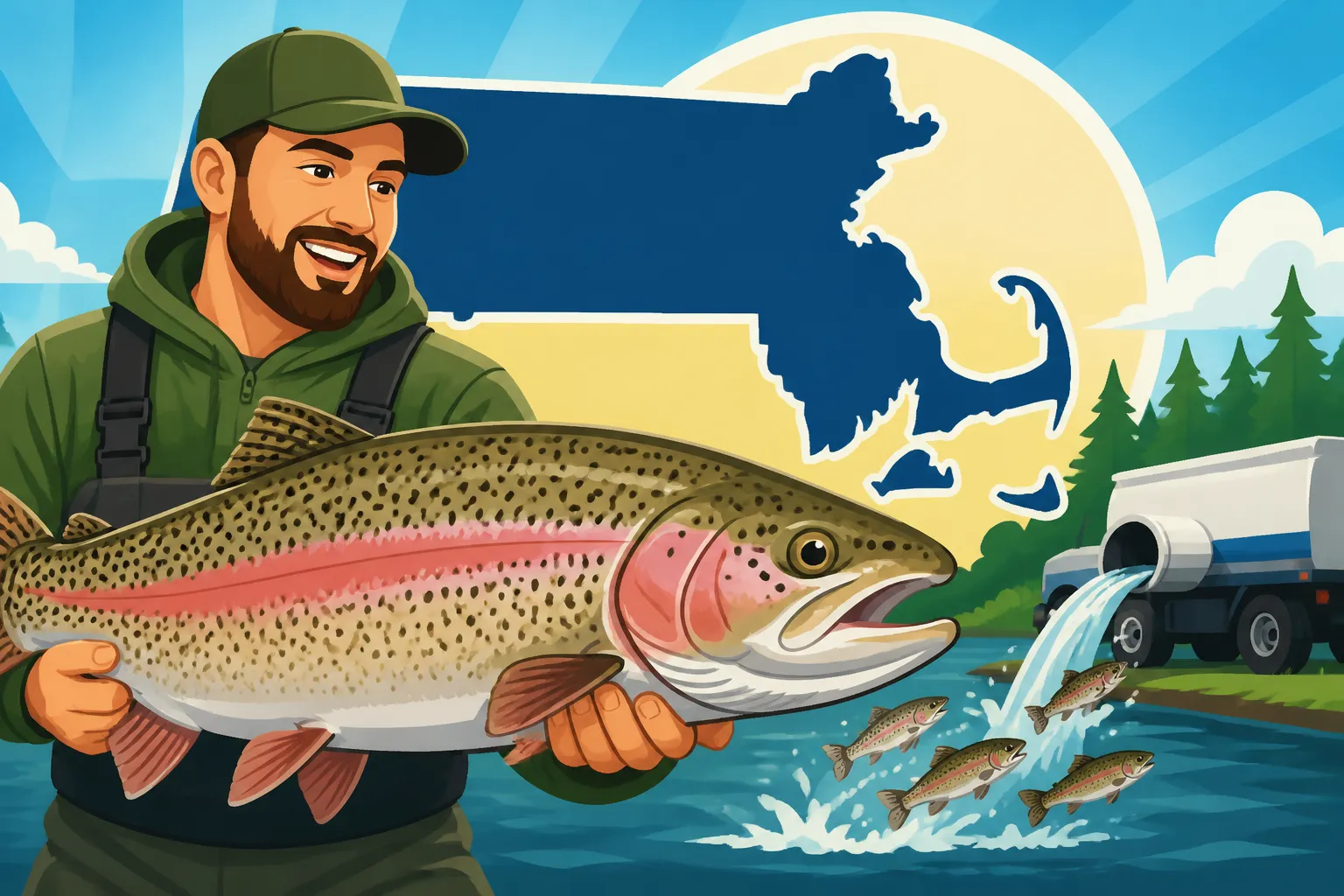
This is where the real excitement lies for many trophy hunters. "Broodstock" refers to the adult trout that MassWildlife uses in its hatcheries for breeding purposes. These fish are essentially the proud parents of all those smaller stockers. After they've served their purpose in the breeding program, often for several seasons, they are retired and released into public waters. And let me tell you, these aren't your average 10-inch trout. We're talking about fish that can easily weigh several pounds, sometimes reaching over 5 pounds, especially for rainbow trout. These are truly impressive specimens that offer a formidable fight.
Imagine hooking into a 20-inch rainbow that has spent years feasting at a hatchery; the power and stamina they possess are incredible. They've seen it all, though, so they can be a bit more cunning than their younger counterparts. Often, these retired broodstock are released in early spring or late fall, sometimes unannounced, adding an element of surprise to your fishing trip. Keeping an eye on local stocking reports or even just hitting the waters during these key seasons can increase your odds of encountering one of these magnificent fish. They’re a true prize for any angler.
Large Rainbow and Brown Trout
Beyond the dedicated broodstock, MassWildlife also stocks larger-than-average rainbow and brown trout. While not quite the behemoths of the retired breeders, these fish are still considerably bigger than the typical 9-12 inch stockers. You can often find rainbows in the 14-18 inch range and brown trout that can reach similar sizes. These larger "grow-out" fish are sometimes held longer at the hatcheries to gain extra size before release, providing a more robust fishing experience right from the start.
Brown trout, in particular, are known for their wary nature and strong fight, especially when they reach a larger size. A 16-inch brown from a Massachusetts river can feel like a much bigger fish due to its strength and cunning. Rainbows, on the other hand, are often acrobatic, putting on a spectacular aerial display when hooked. Both species offer a thrilling challenge. These larger stockers are scattered across various waters, making almost any stocked pond or river a potential hotspot for a memorable catch. You can often find specifics in the Massachusetts Trout Stocking Schedule or by reviewing the Massachusetts Freshwater Fishing Season Calendar.
Tiger Trout
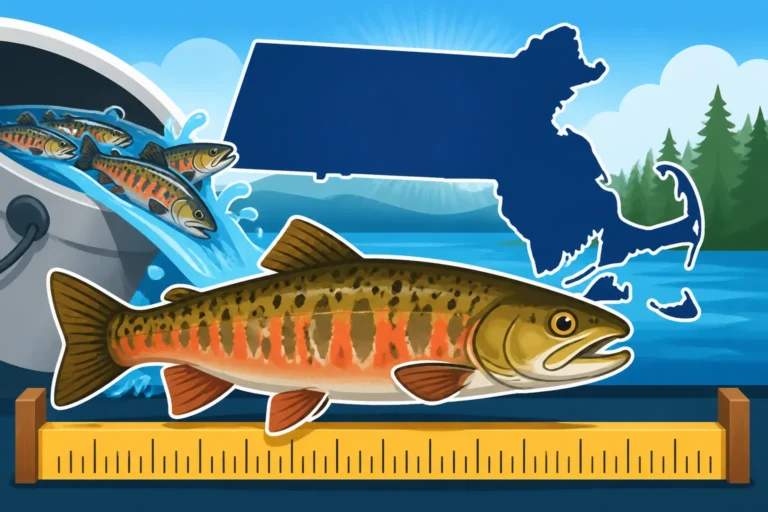
While perhaps not hitting the multi-pound marks as frequently as broodstock rainbows, tiger trout are certainly worth mentioning when discussing "biggest" stocked trout. These unique, sterile hybrids (a cross between a brown trout and a brook trout) are stocked periodically in certain waters and are known for their aggressive nature and beautiful, striking patterns. They are often stocked at a respectable size, typically over a foot long, and can grow larger in the wild if conditions are favorable and they evade anglers.
Catching a tiger trout is a special experience, not just for their fight, but for their aesthetic appeal. Their distinct vermiculated patterns make them look like miniature tigers, hence the name. They tend to be strong fighters and often fall for similar presentations as brown trout. If you're looking for something a little different and enjoy a feisty fish, definitely keep an eye out for waters that receive tiger trout stockings. While they might not be the absolute heaviest, they are certainly among the most visually impressive and exciting large trout you can catch in Massachusetts.
Here's a quick comparison of the types of large trout you might find:
| Trout Type | Typical Stocking Size | Max Stocked Weight (Approx.) | Fight Characteristics | Rarity (Stocked) |
|---|---|---|---|---|
| Retired Broodstock | 16-25+ inches | 3-8+ pounds | Powerful runs, deep dives | Less frequent, highly sought |
| Large Rainbow Trout | 14-18 inches | 1.5-3 pounds | Acrobatic jumps, strong runs | Common, regular stockings |
| Large Brown Trout | 14-18 inches | 1.5-3 pounds | Wary, strong pulls, cunning | Common, regular stockings |
| Tiger Trout | 12-16 inches | 1-2.5 pounds | Aggressive strikes, good stamina | Less common, specific waters |
Finding the Waters Stocked with Whopper Trout
Alright, so you know what kind of giants are out there. Now, the million-dollar question: where do you actually find them? MassWildlife doesn't just dump these prize fish willy-nilly; there's a method to the madness, and knowing where to look – or at least how to look – is key. It takes a little homework, but the reward of a big trout is definitely worth the effort.
Deciphering MassWildlife's Stocking Reports
The absolute best resource for finding stocked trout, especially the larger ones, is MassWildlife's official stocking report. While they don't always explicitly state "5-pound broodstock released here!" they do provide crucial clues. Look for mentions of "broodstock," "large trout," or stocking events at larger lakes and ponds. Sometimes, they'll simply list a high number of trout for a particular water body, which can indicate that some bigger fish are mixed in. These reports are typically updated regularly during the spring and fall stocking seasons.
Don't just skim the surface; read the details. Pay attention to the specific bodies of water mentioned. Larger ponds, lakes, and wider, deeper rivers are more likely candidates for receiving larger fish because they can sustain them better and offer more habitat. For instance, the Quabbin Reservoir is known for its impressive trout and salmon fisheries, though it operates under its own specific permit system (check out Quabbin Reservoir Fishing Permits and Rules in Massachusetts). Similarly, some of the larger ponds on the Massachusetts Spring Trout Stocking Towns List or Massachusetts Fall Trout Stocking Schedule might be prime locations.
Targeting Larger Lakes and Deeper Ponds
Common sense plays a big role here. Where would a larger fish prefer to live? Generally, bigger fish need bigger water. They need space to roam, deeper sections to retreat to when temperatures rise or pressure is high, and ample food sources. Therefore, focus your efforts on the larger lakes, reservoirs, and deeper ponds across Massachusetts. These waters can often hold over stocked fish, meaning trout from previous seasons that have continued to grow, potentially even larger than their initial stocking size.
Consider spots that have good access to deeper water near shore, or if you have a boat, explore humps, drop-offs, and submerged structures. These are classic holding areas for larger, more experienced trout. Areas with good current, especially in rivers, can also be excellent, as the moving water provides oxygen and often concentrates food. Think about places like the Swift River or sections of the Deerfield River, which are known for holding some impressive trout year-round, not just during stocking events.
The Element of Surprise: Post-Stocking Blitzes
While MassWildlife aims to spread out the big fish, there's often a "post-stocking blitz" phenomenon. When large trout are first released, they can be disoriented and aggressively feed, making them more susceptible to capture. Being on the water shortly after a stocking report confirms a release of larger fish can dramatically increase your chances. This is where staying updated on the official reports becomes invaluable.
However, be prepared for company! You won't be the only one with this idea. These events often draw a crowd, which can also make the fish warier after the initial excitement. My advice? Get there early, find a good spot, and be patient. Sometimes, the bite slows down after the initial flurry, but those big fish are still there, just perhaps a little more educated. It's also worth noting that while these fish are initially "dumb" from the hatchery environment, they learn quickly once introduced to natural waters. They become much more challenging to catch after a few days of angler pressure.
Strategies for Landing Massachusetts' Biggest Stocked Trout
Okay, you've done your homework, found the right water, and you're pretty sure there are some genuine hogs lurking beneath the surface. Now comes the fun part: trying to catch them! Catching big stocked trout often requires a slightly different approach than tempting their smaller cousins. These fish are usually older, wiser, and have seen a few lures in their day.
Gear Up: Rods, Reels, and Lines
When you're targeting bigger trout, you don't want to bring a knife to a gunfight. While ultra-light gear is fun for panfish, a heavier setup will give you the control and backbone needed to handle a feisty, multi-pound trout. A medium-light to medium action spinning rod, 6 to 7 feet in length, paired with a matching spinning reel spooled with 6-8 pound test monofilament or fluorocarbon line is a great starting point. Braided line with a fluorocarbon leader is also an excellent choice for increased sensitivity and strength. You can find a fantastic selection of suitable rods, reels, and lines on Amazon, with options for every budget and preference.
Your tackle should be robust enough to handle the fight without being so heavy it spooks the fish. A longer rod can help with casting distance, which is often crucial when fishing larger bodies of water, and provides better leverage when fighting a strong fish. Remember, these fish have some bulk to them, and they will run and pull hard. Having the right gear isn't about overpowering them; it's about having the confidence that your equipment won't fail when that trophy hits.
Baits and Lures for Educated Trout
Bigger trout, especially broodstock, have a more developed palate and are often wary of presentations that scream "angler." While PowerBait and worms still catch their share, sometimes you need to get a little more sophisticated.
- Live Bait: Shiners or small minnows are often irresistible to larger trout. They're natural, meaty, and mimic what these fish might eat in the wild. Drift them under a float or slow-troll them. Worms, especially larger nightcrawlers, are also incredibly effective, either fished on the bottom or under a bobber. For some great live bait options, check out Best Bait for Trout Fishing in Massachusetts.
- Larger Lures: Don't be afraid to go a bit bigger with your artificials. Spoons like the Little Cleo or Kastmaster in 1/4 to 3/8 ounce sizes, crankbaits that imitate baitfish, or even larger inline spinners can trigger aggressive strikes. Presentation is key: vary your retrieve speed, add twitches, and try to make the lure look like an injured baitfish. You might also want to explore Best Lures for Stocked Trout in Massachusetts.
- Jigs and Soft Plastics: Small grub jigs or soft plastic worms, especially those with a subtle action, can be deadly when fished slowly along the bottom or jigged near structure. Colors like white, chartreuse, or natural baitfish patterns often work well. A lot of anglers overlook these for trout, but they can be incredibly effective, especially for wary fish. You can find a huge variety of these on Amazon to experiment with.
Patience and Presentation are Paramount
More than any specific lure or bait, patience and a refined presentation will be your biggest allies. Big trout are often found in deeper water or near structure where they feel safe. Cast beyond your target area and retrieve your bait or lure naturally through the zone. Avoid splashing or making excessive noise. These fish are sensitive to vibrations and shadows.
If you're fishing from shore, fan cast to cover different depths and areas. If you're in a boat, try slow trolling or drifting. Pay attention to the subtle cues: a slight pause in your line, a faint tap, or a sudden change in resistance. Set the hook firmly but not violently. And once that fish is on, keep constant pressure, let your drag do its job, and enjoy the battle! Remember to handle these magnificent fish carefully if you plan to release them. A swift photo and a gentle release ensure they can continue to grow and provide a thrill for another angler.
Knowing the Massachusetts Freshwater Daily Catch Limits and other regulations, like those for specific bodies of water, is also crucial before you head out. These rules are in place to protect the fishery and ensure these opportunities remain for years to come.
Disclaimer
This article is for general informational purposes only and does not constitute professional advice. Laws, prices and regulations vary by location and change over time. Consult a qualified professional for guidance on your specific situation.