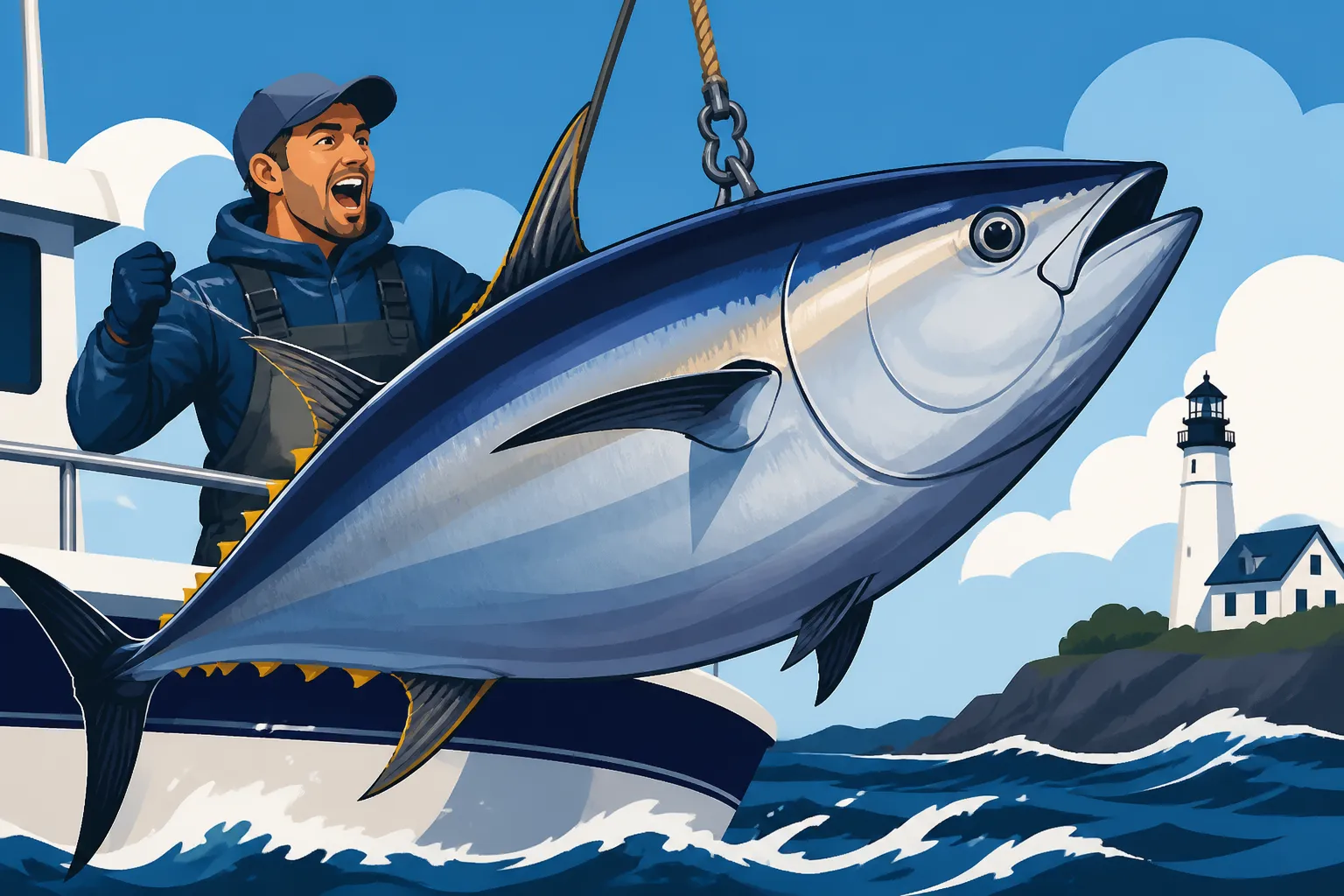
Largest bluefin tuna caught off Massachusetts
The thrill of chasing leviathans in the vast ocean off Massachusetts is a dream for many anglers. We've all heard the whispers and seen the photos – massive bluefin tuna, true giants of the sea, caught right here in our waters. It's a testament to the incredible fishery we have. This guide will dive deep into the allure of these magnificent creatures, the historical context of monumental catches, and what it truly means to pursue a bluefin that could tip the scales into legendary status.
The Allure of Massachusetts' Giant Bluefin Tuna
There’s something undeniably captivating about the bluefin tuna, especially the behemoths that roam the Atlantic waters off Massachusetts. These aren't just fish; they're magnificent, powerful apex predators, built for speed and strength. The dream of encountering and, with immense skill and luck, landing one of these giants is what drives countless anglers, from seasoned veterans to those just getting their feet wet in big game fishing. It's not merely about the catch; it's about the challenge, the battle of wills, and the sheer respect for such a formidable creature.
What Makes a Bluefin "Giant"?
When we talk about "giant" bluefin tuna, we're not just throwing around adjectives. While any bluefin is an impressive fish, true giants often refer to individuals weighing in the hundreds of pounds, sometimes even over a thousand. These are the fish that require specialized gear, immense physical endurance, and a deep understanding of their behavior. They are the elders of the species, often migratory, traversing vast distances from their spawning grounds to the nutrient-rich feeding grounds off our coast. The sheer size and power of these fish mean every hook-up is an epic encounter, often lasting hours and testing every fiber of an angler's being.
The Legendary Status of Our Bluefin Fishery
Massachusetts, particularly the waters around Cape Cod, Stellwagen Bank, and the Outer Cape, has long been revered globally for its bluefin tuna fishery. Our proximity to the Gulf Stream and rich offshore banks creates a perfect storm of baitfish and favorable conditions that attract these migratory giants. For decades, stories have circulated of gargantuan bluefin, some of which became state records, national records, or even world records, etching Massachusetts firmly on the map as a premier destination for trophy tuna fishing. These aren't just fish stories; they're part of our local heritage, passed down through generations of captains and anglers, inspiring new generations to cast their lines into the same hallowed waters. Bluefin Tuna Fishing off Massachusetts is a legacy that continues to draw international attention.
Understanding What Constitutes a "Record" Catch
When you hear about the "largest bluefin tuna caught off Massachusetts," it immediately sparks curiosity about official records. It’s not always a straightforward answer, as there are different categories and organizations that recognize monumental catches. Understanding these distinctions is key to appreciating the stories behind these legendary fish.
State Records vs. World Records
At the state level, Massachusetts maintains records for the largest fish of each species caught in its waters. These records are usually overseen by the state's wildlife or fisheries division and often require the fish to be weighed on certified scales and confirmed by officials. For bluefin tuna, this typically means a significant weight that surpasses previous entries.
However, the world of record-breaking tuna extends beyond state lines. The International Game Fish Association (IGFA) is the globally recognized authority for saltwater and freshwater fishing records. Their records are meticulously documented, requiring specific line classes, gear types, and strict adherence to ethical angling practices. An IGFA world record is the pinnacle for many big game anglers. A bluefin caught off Massachusetts could potentially qualify for an IGFA world record in a specific line class, making it a monumental achievement. The journey to a potential world record starts with understanding Bluefin Tuna Size Limits off Massachusetts and the rigorous rules surrounding such a claim.
The Unofficial Giants and "Granders"
Beyond official records, there's a world of "unofficial" giants. These are the fish that might not have been weighed on certified scales, or perhaps weren't caught under strict record conditions, but their immense size is undeniable. In the big game fishing community, a bluefin tuna weighing 1,000 pounds or more is often referred to as a "grander." Catching a grander is a lifelong dream for many, a feat of strength, skill, and sheer perseverance. These fish, whether they make an official list or not, contribute to the mystique and legendary status of Massachusetts' tuna fishery. The stories of these "granders" are often more vivid and personal, shared around docks and in bait shops, fueling the passion of fellow anglers.
The Factors Behind Landing a Giant Bluefin
Catching a truly giant bluefin tuna is no accident; it's the culmination of preparation, knowledge, perseverance, and a bit of good old-fashioned luck. Many elements need to align perfectly for an angler to boat a fish that could rival the largest ever caught in Massachusetts.
The Right Time and Place
Bluefin tuna are migratory, and their presence in Massachusetts waters is largely dictated by baitfish movements and water temperatures. Generally, the prime season runs from late spring through fall, with particular hot spots emerging as the season progresses. Areas like Stellwagen Bank, Jeffreys Ledge, and the canyons offshore become feeding grounds where these colossal fish gorge on mackerel, herring, and other bait. Knowing the patterns, understanding oceanographic conditions, and having reliable intelligence from sources like marine forecasts or local fishing reports are crucial. Many anglers rely on experienced captains who know Best Month for Bluefin Tuna Charters off Massachusetts to maximize their chances.
Specialized Gear and Tactics
You simply can't bring a knife to a gunfight, and for giant bluefin, that means heavy-duty tackle. We're talking about rods designed for extreme loads, reels with incredible drag capabilities, and lines with breaking strengths that could tow a small car. The terminal tackle—hooks, leaders, swivels—must be top-tier, capable of withstanding the immense pressure of a thousand-pound fish. Techniques vary, from trolling massive lures or natural baits like horse ballyhoo to bait-and-switch with teasers, or even deep dropping jigs. Anglers often spend hours researching and acquiring their gear, looking for robust options on platforms like Amazon, reading reviews to ensure their setup can handle the monumental task ahead. Bluefin Tuna Fishing Techniques Near Cape Cod are highly specialized and continuously evolving.
Comparison of Tuna Fishing Gear Categories
| Gear Category | Typical Use for Giant Bluefin | Key Characteristics | Where to Find |
|---|---|---|---|
| Rods | Stand-up or chair rods, 80-130 lb class | Extremely strong blanks, heavy-duty guides, thick butts | Specialized tackle shops, online retailers like Amazon, custom rod builders |
| Reels | Large conventional reels, 80-130 lb class | High line capacity, immense drag pressure, robust gears | High-end fishing stores, online marketplaces, reputable manufacturers |
| Line | Monofilament or braided, 80-200 lb test | High tensile strength, abrasion resistance, low stretch | Fishing stores, sporting goods, many options on Amazon |
| Terminal Tackle | Heavy-duty leaders (fluorocarbon/wire), hooks | Strong, sharp hooks (circle hooks), robust swivels | Local bait and tackle shops, online, brands found on Amazon |
| Baits/Lures | Live/dead bait (mackerel, herring), large jigs | Durable, lifelike, designed for big game | Bait shops, specialty lure manufacturers, some premium options on Amazon |
| Safety Gear | Fighting harness, gimbal, life vests, EPIRB | Comfortable, secure, essential for long battles | Marine safety stores, fishing outfitters, safety brands sold on Amazon |
The Importance of the Crew and Vessel
It's a common saying that you don't catch a giant tuna alone. A skilled and cohesive crew is absolutely essential. From the captain navigating and spotting fish, to the mates rigging baits, running the cockpit, and gaffing the fish, everyone plays a critical role. The vessel itself must be seaworthy, stable, and equipped for offshore conditions, with proper safety gear and ample space to fight a large fish. Many anglers opt for Massachusetts Bluefin Tuna Charters because these operations provide not only the boat and gear but also the invaluable expertise of a professional crew who live and breathe tuna fishing. They've invested in the best equipment, much of it sourced from trusted suppliers or even Amazon for specific components, and possess the institutional knowledge to give you the best chance at a trophy.
The Record-Breaking Catches and the Anglers Who Made Them
Massachusetts waters have seen their fair share of truly colossal bluefin tuna brought to the dock. While specific, exact "largest ever" records can sometimes be debated depending on the classification (state record, IGFA, recreational, commercial, etc.), the stories of these massive fish are deeply ingrained in our fishing lore.
A Legacy of Giants
Historically, bluefin tuna in Massachusetts were often caught by commercial fishermen using harpoons or nets, particularly in the early to mid-20th century. These were the days of truly massive fish, with some exceeding 1,000 and even 1,200 pounds being hauled in. As recreational angling for bluefin evolved, the focus shifted to rod and reel, with the IGFA setting standards for fair chase. These records are a testament to individual skill, a great boat, and a little bit of good luck on the right day.
One can imagine the scene: a blistering summer day off Cape Cod, the bait boiling on the surface, and then that heart-stopping strike. The screaming reel, the back-breaking fight that can last for many hours, sometimes even stretching into the night. It's a grueling test of endurance, both for the angler and the fish. Many legendary captains and their crews have etched their names into the state's fishing history by landing these magnificent creatures. They're often discreet about their exact numbers, but their reputations precede them, whispered among the fishing fraternity at local tackle shops or online forums.
The Experience of Pursuing a Thousand-Pounder
For those who have been fortunate enough to connect with a bluefin tuna that truly qualifies as a "giant," it's an experience that transcends mere fishing. It's an epic struggle that pushes human limits. Anglers might spend hours in the fighting chair, enduring searing pain, muscle fatigue, and the constant fear of losing the fish. The rod bends nearly in half, the line screams off the reel, and the boat often has to maneuver constantly to keep up with the powerful runs of the tuna.
When the fish finally surfaces, exhausted but still formidable, the sight is awe-inspiring. Bringing such a massive creature aboard requires careful teamwork, precision gaffing, and often the use of specialized winches or block-and-tackle systems. The reverence for the fish is palpable, a recognition of the majesty of nature and the incredible power that lies beneath the waves. Afterward, the stories are retold, the photos are shared, and the memories are etched forever. How big bluefin tuna get off Cape Cod is truly something you have to see to believe.
Chasing Your Own Bluefin Dream in Massachusetts
The dream of catching a giant bluefin tuna is alive and well in Massachusetts. While not everyone will land a record-breaker, the experience of pursuing these magnificent fish in our vibrant waters is an adventure in itself.
Preparing for the Quest
If you're serious about targeting large bluefin tuna, preparation is paramount. This isn't a spontaneous day trip; it requires planning, investment, and often, a commitment to learning.
- Research: Dive into articles, watch videos, and read books about bluefin tuna fishing in Massachusetts. Learn about their habits, feeding patterns, and the best techniques. Many excellent resources are available, and you can even find detailed instructional guides on Amazon.
- Gear Check: Ensure your tackle is up to snuff. If you're going with a charter, they'll provide the gear, but if you're on a private boat, make sure every component of your setup—from rod to hook—is in perfect working order and capable of handling a fish that could easily outweigh you.
- Physical Conditioning: Fighting a giant bluefin is physically demanding. While you don't need to be a bodybuilder, good core strength, stamina, and mental fortitude will significantly increase your chances of success and make the experience more enjoyable.
- Crew & Communication: If it's your own boat, ensure your crew is experienced, knows their roles, and communicates effectively. Teamwork is critical when battling a fish of this magnitude.
Chartering for Success
For many anglers, especially those without their own offshore-capable vessel or the specialized gear, booking a reputable fishing charter is the best route to pursuing giant bluefin. Massachusetts is home to a fleet of world-class captains and crews who specialize in tuna fishing. They have the knowledge, the boat, and the heavy tackle necessary for a successful trip. When considering a charter, ask about their experience, the type of fish they typically target, and what's included in the trip. While Massachusetts Bluefin Tuna Charter Cost can be significant, it's an investment in an unforgettable experience and often your best chance at hooking into a trophy.
Beyond the Catch: Appreciation and Conservation
Regardless of whether you land a "largest ever" bluefin or just a respectable schoolie, the experience of fishing for these incredible creatures fosters a deep appreciation for their power and the marine environment. It also highlights the importance of conservation. Responsible angling practices, adherence to catch limits, and supporting research efforts are vital to ensuring that future generations can continue to chase these majestic fish in Massachusetts waters. What makes a bluefin tuna a giant isn't just about its size; it's about its place in the ecosystem and the thrill it brings to those lucky enough to pursue it.
Disclaimer
This article is for general informational purposes only and does not constitute professional advice. Laws, prices and regulations vary by location and change over time. Consult a qualified professional for guidance on your specific situation.