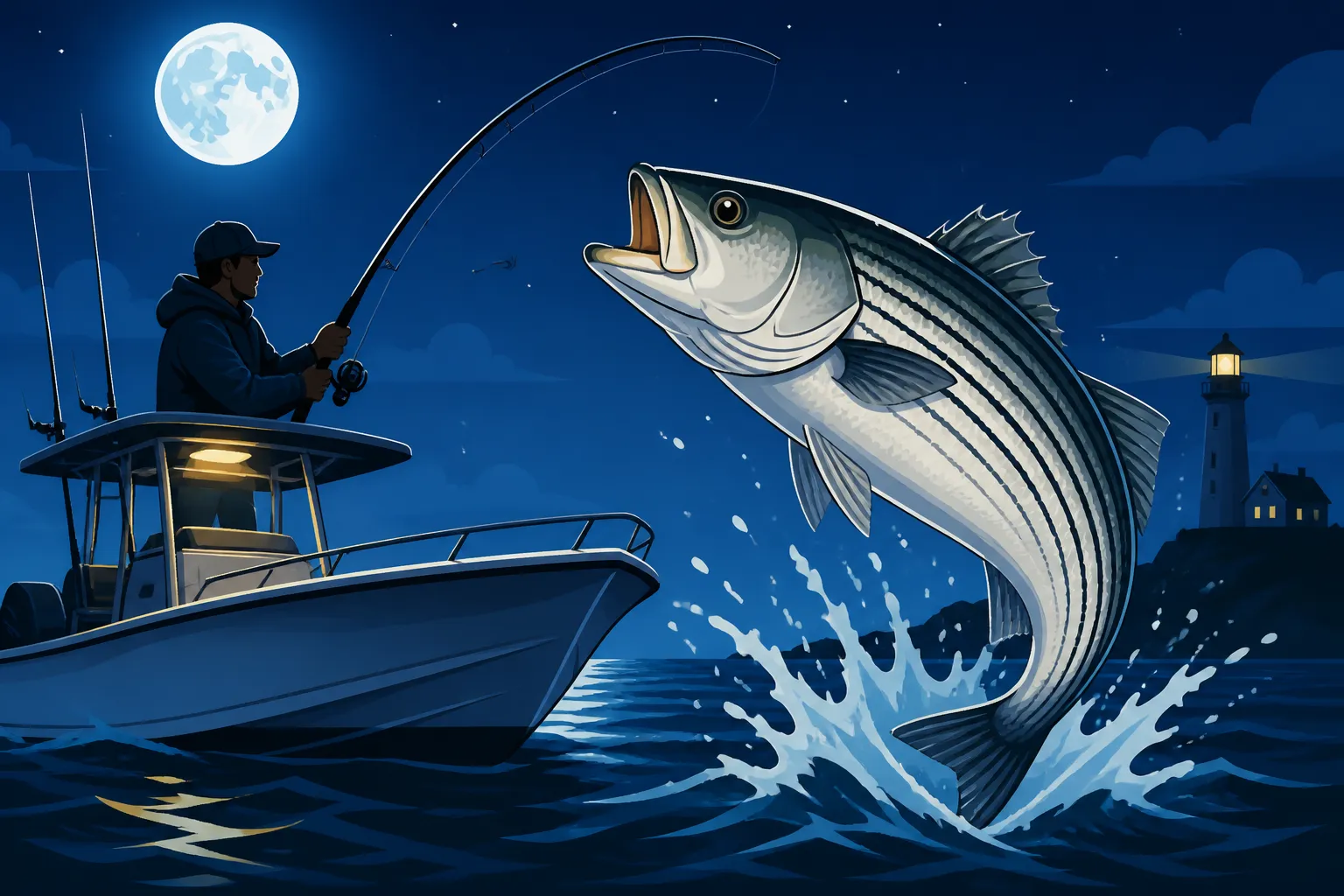
Night Fishing Charters for Striped Bass
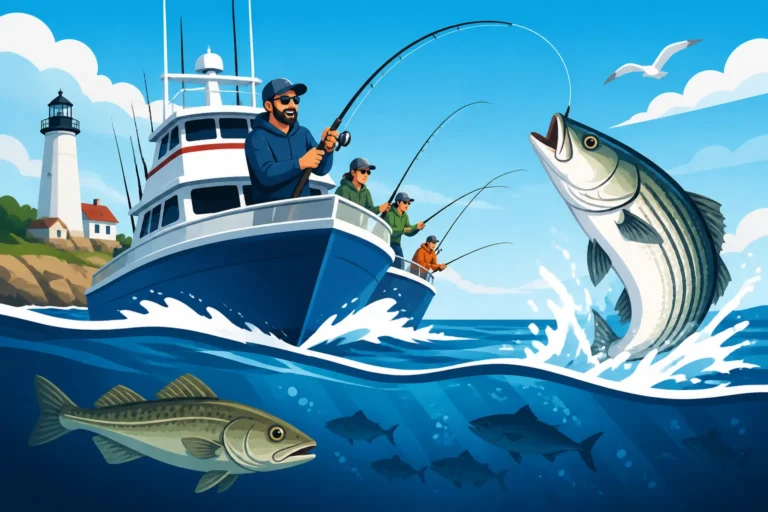
There's a special kind of frustration that comes with chasing striped bass during the day in Massachusetts: endless boat traffic, crowded shorelines, and often, stripers that seem to vanish with the rising sun. If you've ever felt like you're battling more anglers than fish, or that the biggest bass are simply too smart to bite in broad daylight, you're not alone. This guide is all about embracing the darkness, exploring the thrilling world of night fishing charters for striped bass, and showing you why the cloak of night can be your greatest ally in hooking that trophy fish.
Why Night Fishing for Striped Bass is a Game Changer in Massachusetts
For many anglers, the thought of fishing in the dead of night might seem daunting or even a little strange. But let me tell you, when it comes to striped bass in Massachusetts, the darkness isn't just a different time of day – it's an entirely different playing field. Stripers are apex predators, and their behavior shifts dramatically once the sun dips below the horizon, creating unique opportunities that daylight fishing often can't match.
The Nocturnal Advantage: Stripers Under the Stars
Think about it: striped bass have superior low-light vision, which gives them a distinct advantage over their prey once night falls. They become more aggressive, more confident, and often, less wary of boats and anglers. During the day, they might be holding in deep channels or around structure, avoiding the bright light and boat commotion. But at night, they often move into shallower water, closer to the shore, or patrol the rips and rocky outcroppings with renewed vigor. This is when they truly come alive, feeding on baitfish like mackerel, herring, and eels under the cover of darkness. It's not uncommon for anglers on night charters to hook into some of the largest striped bass of their lives, fish that simply wouldn't dare to show themselves during the day. The absence of direct sunlight also means water temperatures can be cooler, especially during the peak summer months, which often translates to more active fish. You're tapping into a fundamental biological rhythm that makes these majestic fish more accessible and aggressive.
Beating the Crowds and the Heat
One of the most immediate and tangible benefits of opting for a night fishing charter is escaping the relentless pressure of daylight fishing. If you've ever tried to fish the Cape Cod Canal Fishing Guide for Massachusetts Anglers during a prime tide on a summer Saturday, you know exactly what I'm talking about. Boats are everywhere, casting lines crisscross the water, and the battle for a prime spot can be more stressful than relaxing. Night charters offer a serene, almost meditative experience by comparison. The waterways are quieter, the air is cooler, and the sense of camaraderie among a small group of anglers on a charter boat is palpable.
Beyond the reduced competition, night fishing also offers a welcome reprieve from the summer heat and relentless sun. Massachusetts summers can be glorious, but a full day under the direct sun can be exhausting, dehydrating, and frankly, a bit of a sunburn risk. Fishing at night means comfortable temperatures, a cool breeze, and the chance to enjoy the incredible starlit skies over the Atlantic. It transforms fishing from a sunny ordeal into a tranquil, focused pursuit, allowing you to concentrate fully on the bite without squinting or sweating through your gear. It's a completely different vibe, one that many find deeply rewarding.
What to Expect on a Massachusetts Night Striped Bass Charter
So, you're intrigued by the allure of the night bite. That's fantastic! But what does a night fishing charter for striped bass actually entail? It’s a bit different from your typical daytime excursion, and knowing what to expect can help you prepare and make the most of this unique adventure.
Typical Trip Length and Departure Times
Night fishing charters for striped bass typically run anywhere from 4 to 6 hours, though some specialized trips might extend to 8 hours, particularly if you're venturing further offshore or targeting specific tides. Unlike morning charters that often leave at dawn, night trips usually kick off right around sunset or shortly thereafter. This timing is strategic: it allows the captain to get to the fishing grounds as dusk transitions to full darkness, which is often when the striped bass become most active. You might depart the dock between 6 PM and 8 PM, depending on the time of year and the length of the charter.
For instance, a 7 PM departure might mean you're fishing through the prime hours of 8 PM to midnight, returning to the dock sometime after midnight. This schedule, while late, ensures you're on the water when the fish are most likely to feed. It's a commitment, for sure, but the potential rewards of a cooler full of quality fish make those late hours worth every minute.
Gear, Bait, and Techniques Used After Dark
When you step aboard a night striped bass charter, you'll find the captain and crew are usually equipped with specialized gear and techniques tailored for after-dark success. While some charters allow you to bring your own gear, most provide high-quality rods, reels, and tackle perfectly suited for battling strong stripers. You'll often see heavier-duty conventional setups or sturdy spinning gear, capable of handling large fish and presenting larger baits or lures.
Live bait is a cornerstone of night striper fishing. Eels are arguably the most popular and effective bait for big stripers under the cover of darkness. They're naturally nocturnal, and their slithering motion drives stripers wild. Mackerel and bunker (menhaden) are also common choices, often drifted or slow-trolled. For artificials, large subsurface plugs, soft plastics, and jigs that create a strong profile and vibration are key. Many captains favor dark-colored lures or those with glow-in-the-dark features.
The techniques employed can vary, but expect a lot of casting, slow retrieves, and drifting with live bait. Jigging in deeper channels or around structure is also highly effective, especially with the use of sensitive rods to detect subtle bites in the darkness. The captain will often use sophisticated electronics, including sonar and radar, to navigate and locate fish in the dark, and powerful deck lights might be used sparingly or strategically to avoid spooking fish, often illuminating the deck for safety and rigging but keeping the fishing zone darker. Jigging Techniques for Cape Cod Canal Stripers are particularly useful here.
The Experience: What a Night Trip Feels Like
Fishing at night is an experience unlike any other. The world takes on a different dimension in the dark. The boat might be gently rocking, the only sounds being the lapping of waves against the hull, the hum of the engine, and the occasional whir of a reel or splash of a fish. The shore lights twinkle in the distance, and above, the stars shine with an intensity often obscured by city lights. There’s a heightened sense of anticipation with every cast and every bump of the line, as your other senses become more acute.
Imagine the thrill when your rod suddenly doubles over in the pitch black, and you can only feel the sheer power of a strong striped bass fighting on the other end, its silver flanks briefly flashing in the dim light of your headlamp. It’s an adrenaline rush combined with a profound connection to the raw nature of the ocean. Many anglers describe night fishing as more focused and intense, as the distractions are stripped away, leaving only you, the rod, and the fish. It's a memory-making adventure, whether you're out there with friends, family, or just a small group of fellow enthusiasts.
Choosing the Right Night Fishing Charter for Stripers
Deciding to go on a night striper charter is the first step; finding the right charter is the crucial next one. You want a captain and crew who are experienced, knowledgeable about nocturnal striper behavior, and prioritize safety. There are plenty of great options out there, but a little homework goes a long way.
Key Questions to Ask Before Booking
Don't be shy about asking questions when you're considering a night charter. A reputable captain will welcome your inquiries. Here are some essential things to clarify:
- Experience with Night Fishing: How much experience does the captain have specifically with night fishing for striped bass in the areas you'll be fishing? Night navigation and fishing are different skill sets.
- Targeted Species and Techniques: While the focus is striped bass, confirm this. Ask about the primary techniques they use at night (eels, trolling, casting lures) to ensure it aligns with your preferences.
- Trip Inclusions: What's included in the charter price? Most charters provide rods, reels, bait, and tackle, but it's always good to confirm. Will they clean and fillet your fish?
- Group Size and Boat Capacity: What's the maximum number of passengers? Is it a private charter or a split charter where you might share the boat with other anglers? This affects the experience.
- Safety Equipment and Protocols: Given it's night, ask about their safety gear (life jackets, flares, VHF radio, radar, GPS) and what emergency procedures are in place.
- Cancellation Policy: What happens if the weather turns foul? Understand their policy on cancellations due to unsafe conditions.
- What to Bring: Beyond personal items, are there any specific recommendations for night trips (e.g., headlamp, extra layers)?
Platforms like FishingBooker are excellent resources for finding and vetting charters. You can read reviews from other anglers, see photos of the boats, and directly compare captains based on their specialties and offerings. This helps immensely in ensuring you book a trip that matches your expectations.
Finding Reputable Captains and Boats
Word-of-mouth is still a powerful tool in the fishing community. If you know local anglers who have done night charters, ask for their recommendations. Local bait and tackle shops are also treasure troves of information, as they often know which captains are doing well and have a solid reputation. Online reviews are incredibly valuable. Look for charters with consistent positive feedback, specifically mentioning successful night trips and professional, friendly crews.
When browsing options on sites like FishingBooker, pay attention to the captain's bio and the boat description. Does the captain highlight their night fishing expertise? Do they mention specific safety features or comfort amenities for night trips? A captain who is passionate about night fishing will often detail it prominently in their listing. It’s also wise to check if they hold proper licensing and insurance, which is a must for any professional Massachusetts fishing charters. You want a skipper who runs a tight ship, literally and figuratively, especially when navigating in the dark.
Costs and Logistics of Night Striper Charters
Let's talk about the practical side: what does a night striped bass charter cost, and what other logistical considerations should you keep in mind? Understanding these details upfront can prevent any surprises and help you budget effectively for your nocturnal adventure.
Understanding Charter Pricing for Night Trips
The cost of a night striped bass charter in Massachusetts can vary widely depending on several factors: the duration of the trip, the size and amenities of the boat, the experience level of the captain, and whether it's a private or open (split) charter. Generally, a 4-6 hour private night charter can run in a range that you'll need to confirm directly with operators, as prices fluctuate with fuel costs, demand, and season. Split charters, where you book a single spot on a boat with other individuals, will naturally be less expensive per person but offer less flexibility.
You might find that night charters are sometimes priced slightly higher than comparable daytime trips due to the specialized nature of the fishing, the additional preparation required by the crew, and the often more productive fishing. Always clarify what is included in the price – typically, this covers the boat, captain, crew, all fishing gear, bait, and tackle. Gratuity for the crew is almost universally expected and appreciated; a general guideline is to plan for a percentage of the total charter cost. Massachusetts Fishing Charter Costs can give you a broader idea of what to expect for charters in the region, which you can then apply to night trips.
Here’s a simplified comparison of what you might expect for typical charter durations, though exact costs should always be verified with the charter operator:
| Trip Type | Duration | Typical Focus | Crowd Level (General) | Cost Factor (Relative) |
|---|---|---|---|---|
| Day Half-Day Charter | 4-5 hours | Various species, often coastal | Medium to High | Standard |
| Day Full-Day Charter | 8+ hours | Broader range, more travel, offshore option | Medium | Higher |
| Night Striped Bass | 4-6 hours | Targeted Striped Bass, prime feeding | Low | Moderate to High |
| Specialized Night | 6-8+ hours | Trophy Stripers, specific tides/locations | Very Low | Highest |
Essential Items to Bring for a Night Charter
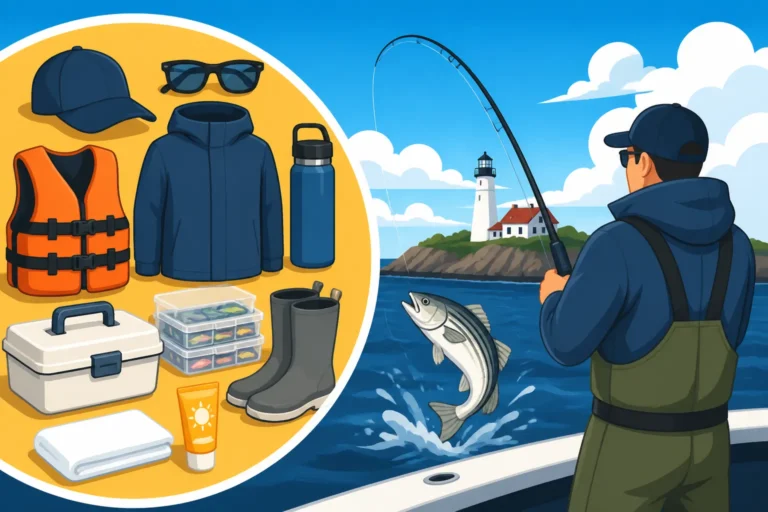
While your charter will provide the necessary fishing gear, there are several personal items you absolutely should bring to ensure comfort and preparedness for a night trip:
- Warm Layers: Even on a warm summer day, it gets chilly on the water at night. Bring extra layers – a fleece, a waterproof jacket, and even a hat and gloves can be lifesavers.
- Headlamp or Small Flashlight: A hands-free headlamp with a red-light option is ideal. The red light preserves your night vision and is less likely to spook fish or bother other anglers.
- Snacks and Drinks: Most charters don't provide food or beverages. Pack plenty of water, soft drinks, and easy-to-eat snacks.
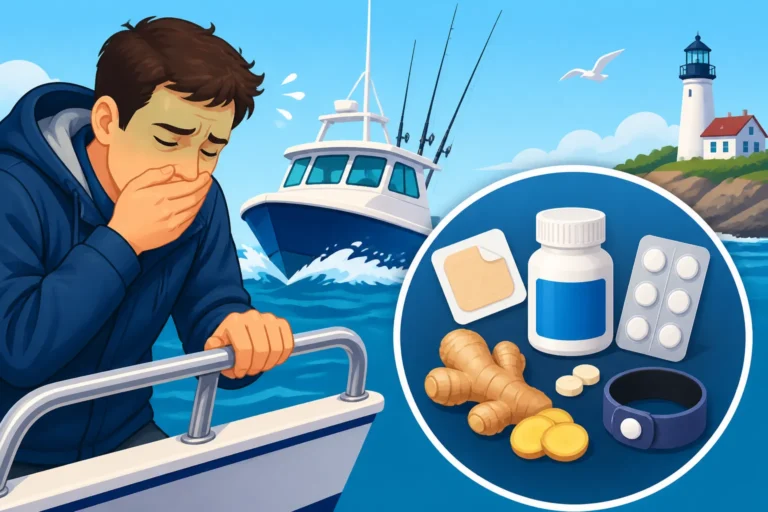
- Motion Sickness Medication: If you're prone to seasickness, take your medication well in advance of departure, as it's no fun to be sick in the dark.
- Cooler (for your catch): If you plan on keeping fish within the Massachusetts Striped Bass Size and Bag Limit, bring a cooler with ice to transport your fillets home.
- Sunglasses (for the ride home): Sounds odd for night, but they can help with glare from other boats or streetlights if you're driving home late.
- Camera: To capture those memorable moments, but be mindful of flashes, especially around other anglers actively fishing.
- Sunscreen and Lip Balm: While it's night, there's still reflective glare from water, and it's good practice for any time on the boat.
- Small Dry Bag: To protect your phone, wallet, and other essentials from spray or unexpected splashes.
Licenses, Permits, and Regulations at Night
This is a crucial point: fishing at night in Massachusetts still requires you to adhere to all state regulations, just like during the day. This means you will need a valid Massachusetts Saltwater Recreational Fishing Permit Explained for saltwater species like striped bass. If you're also fishing for freshwater species at night (though less common for striper charters), a freshwater license would be required.
Always double-check the current Massachusetts Recreational Fishing Rules and Bag Limits before your trip. Striped bass, in particular, have strict slot limits and bag limits that can change seasonally. Your captain will be well-versed in these rules, but it’s your responsibility as an angler to be aware. Penalties for fishing without a license or violating bag limits can be steep, even at night. Most charters do not include the cost of your personal fishing license, so make sure you purchase it online or from a local vendor before your trip.
Best Times and Locations for Night Striped Bass Charters in Massachusetts
Massachusetts offers an incredible array of fishing opportunities, and when it comes to night fishing for striped bass, certain areas and seasonal windows truly shine. Knowing where and when to focus your efforts can dramatically increase your chances of a successful and memorable trip.
Seasonal Hotspots for Nocturnal Stripers
The prime season for night striped bass charters in Massachusetts generally mirrors the main striper run, typically from late spring through late fall.
- Spring (May-June): As the water warms and baitfish move into coastal waters, stripers follow. This is an excellent time for night charters, especially in estuaries, bays, and around river mouths where bait is plentiful. Locations like Buzzards Bay, Duxbury Bay, and along the South Shore can be very productive. The fish are often hungry after their migration and can be less picky.
- Summer (July-August): This is peak season, but also when daylight fishing can get tough due to heat and boat traffic. Night charters truly shine here. Cape Cod Fishing Charters Guide for Massachusetts Anglers will highlight numerous spots where large stripers feed heavily under the cover of darkness. Areas around the Elizabeth Islands, Nantucket Sound, and the outer Cape become hotspots. The Cape Cod Canal, known for its strong currents, offers fantastic opportunities for big stripers at night, especially with jigging and live eels.
- Fall (September-October): The "fall run" is legendary, as stripers gorge themselves before migrating south. Night fishing during this period can be phenomenal, with fish aggressively feeding on massive schools of bait. The same summer hotspots remain productive, often with larger fish passing through. Look for charters operating out of ports like Provincetown, Chatham, or along the North Shore, targeting the schools of migrating bass. When striped bass season starts in Massachusetts and ends can vary, so always check the specific dates for the current year.
While many charters operate out of Cape Cod, other regions like Boston Harbor, the North Shore around Gloucester and Ipswich, and even areas further south like Westport offer excellent opportunities for night striper fishing. The key is to find a captain who knows the local nuances of these Best Fishing Spots in Massachusetts after dark.
Tidal Considerations and Moon Phases
Tides play an absolutely critical role in striped bass fishing, and at night, their influence is often amplified. Stripers are opportunists, and they use currents to ambush baitfish.
- Moving Water is Key: Strong incoming or outgoing tides often concentrate bait and make stripers more active. Look for charters that schedule their trips around these peak tidal movements in areas known for current, such as inlets, rips, and channels. Your captain will know the optimal tide cycles for their specific fishing grounds.
- Slack Tide Slowdown: While moving water is generally best, sometimes the transition from slack to moving tide can trigger a bite as fish reposition. However, prolonged slack tides often lead to a slower bite.
- Moon Phases: Many anglers swear by moon phases for night fishing, particularly around the new and full moons. Full moons, while providing more ambient light, can sometimes make fish more wary if the water is very clear, but the strong tides associated with them can also concentrate fish. New moons, offering maximum darkness, are often favored for presenting dark lures or live eels, as the stripers feel more secure under the deepest cover of night. Some believe the increased gravitational pull during new and full moons creates stronger currents, which in turn stimulates feeding. Discuss moon phases with your captain; they will have local insights into how these factors affect the bite in their fishing areas.
The beauty of booking a night charter is that the captain takes all these complex variables – seasonal movements, local hotspots, tides, and moon phases – into account when planning your trip. Their expertise is your biggest advantage in putting you on the fish.
Safety First: Navigating the Night Waters
Fishing at night carries a different set of considerations than fishing in broad daylight, and safety is paramount. While the thrill of the night bite is undeniable, it's essential to embark on your adventure with a full understanding of safety protocols and your own personal preparedness.
Onboard Safety Protocols and Crew Expertise
A professional charter captain running night trips will have stringent safety protocols in place. This isn't just a suggestion; it's a legal requirement for licensed captains. Expect the boat to be equipped with all necessary navigation lights, radar, GPS, and communication systems (like VHF radio) to ensure safe travel in the dark. Life jackets should be readily available for all passengers, and the captain or crew will typically conduct a brief safety orientation before departure, pointing out emergency exits, fire extinguishers, and first-aid kits.
The crew's expertise in night navigation is invaluable. They are trained to interpret radar, read buoys and channel markers in low light, and handle unexpected situations that might arise after dark. Their knowledge of the local waters, including potential hazards like shoals or submerged rocks, is crucial. You're putting your trust in their hands, so choosing a reputable, licensed, and experienced captain is not just about catching fish; it's fundamentally about your safety. Don't hesitate to ask about the captain's USCG (United States Coast Guard) license and their experience operating at night.
Personal Preparedness for Night Conditions
While the charter crew handles the major safety aspects, your personal preparedness contributes significantly to a safe and enjoyable trip.
- Dress Appropriately: As mentioned earlier, layers are key. Even a mild night on land can feel much colder on the open water. A waterproof outer layer is highly recommended in case of spray or light rain. Non-slip shoes are also a must, as decks can get wet and slippery.
- Stay Hydrated and Fueled: Even though it's cooler, you're still expending energy. Bring enough water and snacks.
- Communicate Any Health Concerns: Inform the captain or crew if you have any medical conditions, especially those that might be exacerbated by darkness, motion, or cold. If you're prone to seasickness, take medication before you board the boat.
- Follow Crew Instructions: This cannot be stressed enough. The crew's instructions are for your safety and the safety of everyone onboard. Pay attention, ask if you're unsure, and always follow their guidance, especially when moving around the boat, casting, or handling fish.
- Be Mindful of Your Surroundings: Even with deck lighting, it's darker. Be aware of lines, rods, and other equipment. If you need to move, do so slowly and deliberately. A personal headlamp with a red-light option is great for your own tasks without blinding others or affecting their night vision.
- Alcohol Consumption: Most charters allow moderate alcohol consumption, but excessive drinking impairs judgment and significantly increases safety risks, especially at night. Exercise good judgment.
By combining a professional, safety-conscious charter with your own thoughtful preparation, you can ensure your night striped bass fishing adventure is not only productive but also incredibly safe and enjoyable. It's about respecting the power of the ocean and the conditions that come with fishing after dark.
Disclaimer
This article is for general informational purposes only and does not constitute professional advice. Laws, prices and regulations vary by location and change over time. Consult a qualified professional for guidance on your specific situation.