Why tuna charters cost more than striped bass charters
If you've ever started researching a fishing trip in Massachusetts, you've probably quickly noticed a significant price difference between charters targeting striped bass and those chasing after bluefin tuna. It can feel a bit baffling at first glance – aren't they both just fishing trips? Well, the reality is that the logistical and operational demands for hunting down a giant bluefin tuna off the Massachusetts coast are vastly different, and inherently more expensive, than a day spent targeting striped bass closer to shore. This guide will break down all the reasons why those tuna trips carry a heftier price tag.
The Core Differences in the Hunt for Tuna vs. Striped Bass
When you compare a day out on the water for striped bass versus a dedicated tuna expedition, you're looking at two entirely different endeavors, each with its own set of challenges and requirements. These differences are the primary drivers behind the varying costs.
Distance and Fuel Consumption
One of the most immediate and impactful differences is the sheer distance involved. Striped bass, especially in popular spots like the Cape Cod Canal, Boston Harbor, or along the South Shore, are often found relatively close to shore. A charter targeting stripers might only travel a few miles from the dock, maybe 10-20 miles round trip, depending on the fishing grounds and conditions that day. This keeps fuel consumption relatively low, and often the boat can run at a more economical speed.
Now, imagine chasing bluefin tuna. These powerful pelagic fish are typically found much further offshore, often in offshore canyons, on Stellwagen Bank, or other deep-water structures. A tuna charter might steam 40, 60, or even 80 miles or more one way from a port like Gloucester or Barnstable. This isn't just a matter of doubling the distance; it often means running larger, more powerful engines at higher RPMs for extended periods to cover that ground efficiently, especially if you're trying to get to a distant bite window before it closes. The fuel bill for a single tuna trip can easily be many times that of a striped bass trip, and it's a significant portion of the overall cost. How far offshore tuna charters travel dives deeper into these distances.
Specialized Gear and Equipment
The tackle needed for a 50-pound striped bass simply won't cut it for a 500-pound bluefin tuna. Striped bass fishing uses robust but manageable rods and reels, often with 30-50 pound test line, and a variety of lures, live baits, or chunks. While quality gear isn't cheap, it's generally within a reasonable range for recreational fishing.
Bluefin tuna, however, are in a league of their own. Their immense power and size demand heavy-duty offshore tackle that can withstand incredible strain. We're talking about specialized, often custom-built rods, reels capable of holding hundreds of yards of 80-pound, 100-pound, or even 130-pound braided line, and powerful drag systems designed for prolonged battles. The lures, jigs, and terminal tackle (swivels, leaders, hooks) are also significantly larger and more expensive, built to handle massive fish. Beyond just the rod and reel, tuna charters require specialized harpoons, gaffs, fighting chairs, stand-up harnesses, and sometimes even dedicated tuna towers on the boat for spotting fish. Replacing a single high-end tuna reel or a large custom lure can cost hundreds, if not thousands, of dollars. This specialized, heavy-duty equipment alone adds substantially to the charter's overhead.
Duration of the Trip
Most striped bass charters in Massachusetts are half-day (4-5 hours) or full-day (6-8 hours) excursions. These trips are typically planned to maximize fishing during peak tides or specific feeding windows.
Tuna charters, on the other hand, are almost universally full-day affairs, often stretching for 10, 12, or even 14+ hours. The reason is simple: covering the vast distances to the fishing grounds, deploying various fishing methods (trolling, jigging, chunking), and then battling a potentially multi-hour fight with a large tuna all demand a significant time commitment. A Cost of a 10-hour bluefin tuna trip helps illustrate this longer commitment. More hours on the water means more fuel, more crew time, and greater wear and tear on the vessel, all contributing to the higher price point.
Operational Costs for the Captain: A Deeper Dive
Beyond the immediate expenses of fuel and gear for a single trip, the ongoing operational costs for a tuna charter boat and its crew are substantially higher than for a striped bass boat. This is where the business model itself becomes more expensive to run.
Vessel Size and Maintenance
You'll quickly notice that boats used for Massachusetts Striped Bass Charters are typically smaller than those employed for Massachusetts Bluefin Tuna Charters. A striped bass boat might be a 20-30 foot center console or walk-around, capable of navigating bays, estuaries, and nearshore waters. These boats are generally more fuel-efficient, require less dock space, and have lower maintenance costs.
Tuna boats, to safely and effectively chase pelagic giants far offshore, need to be much larger, typically 30-50 feet or more. These are often specialized sportfishing vessels, larger express boats, or even custom builds designed to handle rough offshore conditions, carry significant fuel reserves, and accommodate heavy tackle and multiple anglers. A larger vessel means a significantly higher initial purchase price, much higher insurance premiums, more expensive dockage fees, and exponentially greater maintenance costs. Everything from engine overhauls to electronics upgrades, hull painting, and general upkeep costs more on a 40-foot offshore machine than on a 25-foot inshore vessel. The Type of boat used for tuna charters is a critical factor here.
Crew Requirements and Expertise
A striped bass charter, especially a smaller one, can often be run effectively by a single, knowledgeable captain. While a mate is always a welcome addition, it's not always a necessity for every trip. The techniques are often straightforward, and the fish, while powerful, are generally less demanding to handle.
Tuna fishing is a different beast entirely. Due to the size of the fish, the complexity of the techniques (like intricate trolling spreads, precise chumming, or deep dropping), and the safety requirements of being far offshore, a tuna charter almost always requires a dedicated, highly experienced mate in addition to the captain. This mate is crucial for everything from setting lines and rigging bait to assisting with the battle, gaffing, and properly handling a massive fish onboard. Both the captain and mate for a tuna boat possess a specialized skillset and vast experience in offshore navigation, weather prediction, and fighting truly huge fish. Their combined expertise and the need for a larger crew are built into the charter's cost. You're not just paying for a boat; you're paying for a team that has honed its craft over years of battling these formidable creatures.
Bait and Tackle Expenses
The consumables for fishing also contribute to the cost disparity. For striped bass, bait might include live mackerel, pogies, eels, or fresh chunks of baitfish. While these aren't free, they are generally readily available and relatively inexpensive in comparison. Lures, while they can be lost, are also not usually high-ticket items individually.
For tuna, the bait and terminal tackle can be a considerable expense. Live bait like enormous bluefish or bonito, if used, can be pricey and hard to come by. High-quality frozen bait like butterfish or mackerel for chunking requires significant refrigeration and storage. Then there are the specialized, heavy-duty lures and teasers, which can cost anywhere from dozens to hundreds of dollars each, and are often lost to prop strikes, break-offs, or toothy critters. The sheer volume and quality of bait and tackle required for a successful tuna trip are a constant, high-dollar investment for the charter operator.
The Value Proposition and Experience
While the higher costs are rooted in practical necessities, the experience itself also plays a role in the perceived value and pricing. Anglers are often willing to pay more for the unique thrill and potential reward that tuna fishing offers.
The Thrill and Challenge of Tuna Fishing
There's a reason bluefin tuna are often called "the gladiators of the sea." Hooking into a giant bluefin tuna is an adrenaline-pumping, physically demanding, and often lengthy battle that can push an angler to their limits. It's a true test of strength, endurance, and will. The anticipation of a strike, the screaming reel, and the intense fight are an unparalleled experience in the world of sportfishing. This epic challenge is a major draw for many anglers, making a Massachusetts Bluefin Tuna Charters trip a bucket-list item.
Striped bass fishing, while incredibly fun and rewarding, particularly with their powerful runs, generally doesn't offer the same level of raw, sustained power or the scale of battle. Both are fantastic fishing experiences, but tuna fishing operates on a completely different scale of excitement and physical engagement.
Opportunity for Trophy Fish
While Massachusetts certainly holds impressive striped bass, with many reaching 30, 40, or even 50+ pounds, the potential for truly enormous fish is vastly greater in the world of bluefin tuna. Anglers on a tuna charter have the real possibility of hooking into a fish that weighs hundreds of pounds, sometimes even exceeding 1,000 pounds. Landing such a magnificent creature is a monumental achievement and often represents the fish of a lifetime. The chance to catch a world-class trophy fish is a powerful motivator and contributes to the higher demand and pricing for tuna charters.
Booking and What to Expect: Practical Advice
Understanding the cost differences is one thing; navigating the booking process is another. Here's what to keep in mind when considering either type of charter.
Researching and Comparing Charters
When you're ready to book, whether it's for striped bass or tuna, thorough research is key. Websites like FishingBooker are excellent resources for comparing different Massachusetts Fishing Charter Costs, reading reviews, and understanding what each captain offers. You'll find that while Massachusetts Striped Bass Charter Cost will generally be lower, there's still a range depending on the boat, location, and length of the trip. Similarly, the Massachusetts Bluefin Tuna Charter Cost varies, but consistently sits at a higher baseline.
Don't hesitate to contact captains directly. Ask about their experience, their typical target species for each trip type, and what's included. Some may specialize more in certain techniques or areas, so finding the right fit for your fishing goals is important.
Understanding What's Included
It's crucial to clarify exactly what's included in the charter price. For most Massachusetts fishing charters, especially those targeting striped bass, the price typically covers the boat, captain, fuel for a reasonable range, bait, tackle, and sometimes even ice and water.
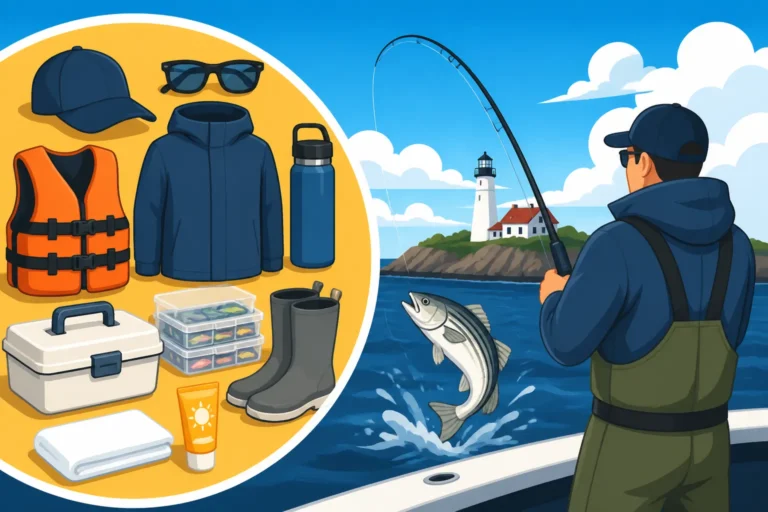
For tuna charters, it's generally the same, but due to the higher costs, it's even more important to confirm. Some tuna charters might include a higher grade of bait or specific lures, while others might offer optional add-ons. Remember that while a fishing license is usually not included in the charter fee, passengers on a recreational for-hire vessel don't always need their own Massachusetts Saltwater Recreational Fishing Permit Explained for certain trips – confirm this with your captain. Always ask if fish cleaning is included or an additional charge. Don't forget to factor in gratuities for the captain and mate; Is Tipping Expected on a Massachusetts Fishing Charter? is a common question, and the answer is almost always yes, for good service! Preparing what to bring, such as appropriate clothing, sun protection, and any personal snacks or drinks, is also essential for a comfortable trip. What to bring on a Massachusetts Fishing Charter can offer more specific advice.
| Feature | Typical Striped Bass Charter in Massachusetts | Typical Bluefin Tuna Charter in Massachusetts |
|---|---|---|
| Target Species | Striped Bass, Bluefish, Fluke, Tautog | Bluefin Tuna, occasionally Yellowfin, Sharks |
| Distance Offshore | Nearshore, bays, estuaries, few miles offshore | Far offshore, canyons, banks (40-80+ miles) |
| Trip Duration | Half-day (4-5 hrs) or Full-day (6-8 hrs) | Full-day (10-14+ hrs), sometimes multi-day |
| Vessel Size | 20-30 ft Center Consoles, Walk-arounds | 30-50+ ft Sportfishers, Express Boats |
| Crew | Often Captain-only, sometimes 1 mate | Captain + 1-2 experienced mates (standard) |
| Gear Required | Medium-heavy rods/reels (30-50lb test) | Heavy-duty offshore rods/reels (80-130lb test) |
| Fuel Costs | Relatively moderate | Significantly high due to distance & speed |
| Experience | Exciting, accessible, great for all levels | Epic battle, physically demanding, trophy hunt |
In the end, whether you choose a striped bass or a bluefin tuna charter, you're signing up for an incredible experience on the waters of Massachusetts. The higher cost of a tuna charter reflects the substantial investment in a larger, more powerful vessel, specialized equipment, increased fuel consumption, extended trip duration, and the highly skilled crew required to safely and successfully pursue one of the ocean's most formidable predators. It's an investment in an unparalleled adventure. For booking your next fishing adventure, exploring options on platforms like FishingBooker can help you find the right charter for your budget and target species.
Disclaimer
This article is for general informational purposes only and does not constitute professional advice. Laws, prices and regulations vary by location and change over time. Consult a qualified professional for guidance on your specific situation.