What to wear on a Cape Cod fishing charter
Stepping onto a Cape Cod fishing charter, many anglers find themselves staring at their closet, wondering what in the world to wear. The beautiful, yet often unpredictable, New England weather can throw everything from brilliant sunshine to thick fog and chilly winds at you, sometimes all in the same trip. This guide will walk you through exactly how to dress for comfort, safety, and a successful day on the water, ensuring you’re prepared for whatever Mother Nature decides to dish out.
Layering for Cape Cod's Unpredictable Weather
The golden rule for dressing on any fishing adventure, especially in a place like Cape Cod where conditions can shift on a dime, is layering. You might start your morning run out to the fishing grounds feeling a brisk chill in the air, only for the sun to break through the clouds and warm things up considerably by midday. Then, as the afternoon wears on, a sea breeze can pick up, or a fog bank might roll in, dropping temperatures once again. Having multiple layers means you can easily add or remove clothing to adapt to these changes without missing a beat or getting uncomfortably cold or hot.
The Base Layer: Moisture-Wicking Comfort
Think of your base layer as the foundation of your comfort system. Its primary job is to manage moisture, which is a fancy way of saying it should pull sweat away from your skin. This is absolutely crucial, even on cooler days. If sweat stays on your skin, it cools down, making you feel much colder than you actually are, especially when the wind hits you.
This is why traditional cotton, while comfortable for everyday wear, is a huge no-no for a fishing charter. Cotton absorbs moisture and holds onto it, turning into a cold, clammy sponge against your skin. Instead, opt for synthetic materials like polyester or merino wool. These fabrics are designed to wick moisture away, helping it evaporate quickly and keeping you dry and warm. For example, if you're battling a stubborn striped bass in the midday sun, you'll inevitably exert yourself and sweat. A good base layer will ensure that sweat doesn't leave you shivering later when the boat picks up speed or the wind shifts.
The Mid-Layer: Insulation for Chilly Days
Once your base layer is sorted, the mid-layer comes into play, providing the essential insulation you'll need. This layer is all about trapping warm air close to your body, offering warmth without excessive bulk. Materials like fleece, synthetic puff jackets, or even a lightweight wool sweater are perfect choices.
Consider a scenario where your charter leaves the dock at 6 AM. The air is crisp, maybe 50 degrees Fahrenheit, and you're cruising out into Nantucket Sound. A fleece jacket worn over your moisture-wicking base layer will provide that immediate warmth to fend off the morning chill. As the sun climbs higher and the day warms up, you might find yourself peeling off this layer. It's easy to stash in a waterproof bag or simply tie around your waist if space is at a premium on the boat. This adaptability is key to enjoying a full day out on the water, whether you're targeting Massachusetts Striped Bass Charters or heading out for bottom fish.
The Outer Layer: Waterproof and Windproof Protection
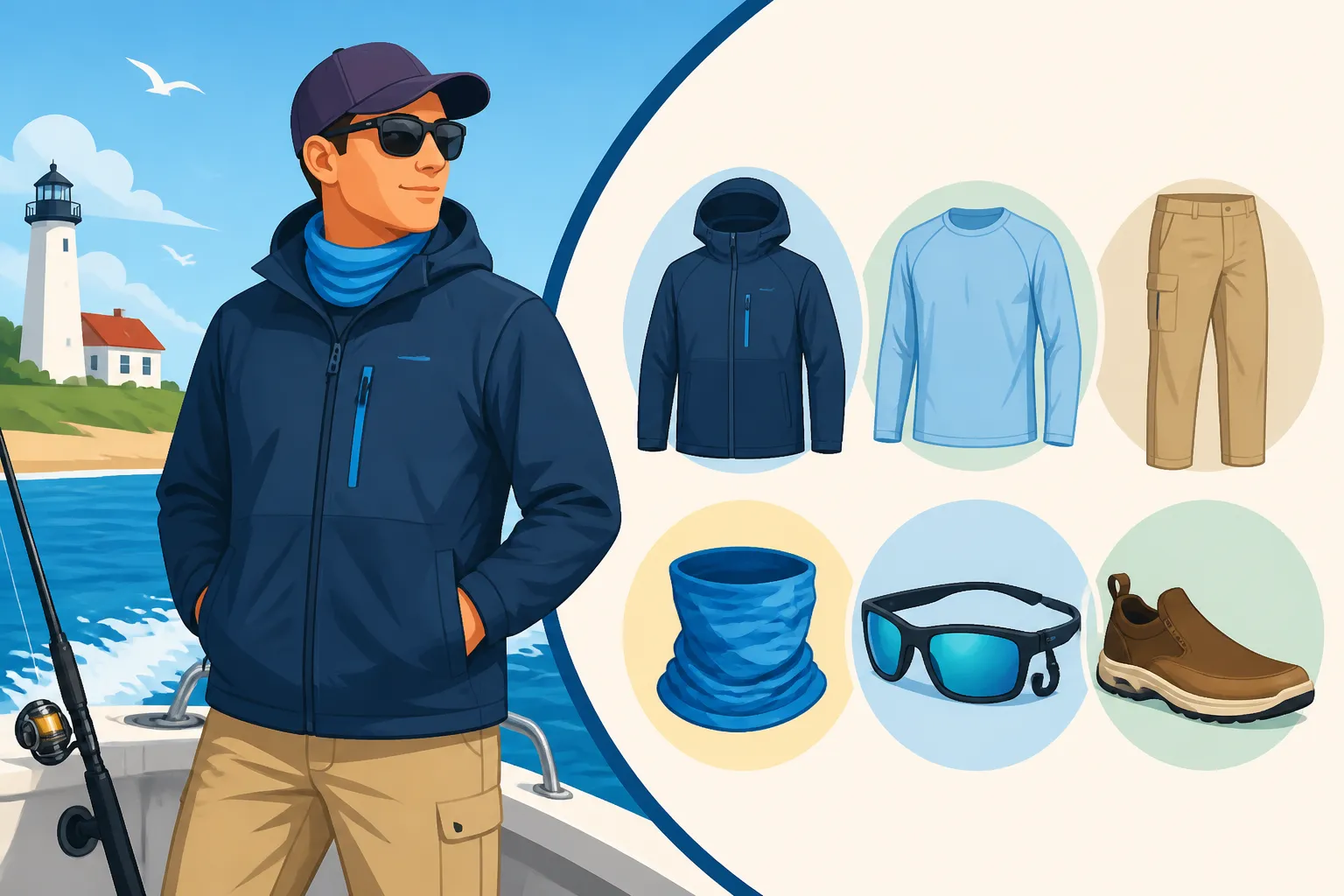
This is your shield against the elements, and arguably the most important layer for any serious angler on Cape Cod. A high-quality waterproof and windproof jacket and matching pants (often called "foul weather gear" or "rain gear") are non-negotiable. Even on a perfectly sunny forecast, being out on the ocean means you're exposed to spray from waves, sudden downpours, or persistent drizzle. The wind, especially when the boat is running at speed, can cut right through unprotected clothing, leading to hypothermia even on moderately cool days.
A good outer layer will not only keep you dry from rain and spray but will also block the wind completely. Look for materials with sealed seams and adjustable cuffs and hoods. Imagine an unexpected squall suddenly blowing in, or the boat hitting a chop that sends sheets of spray over the bow. Without proper foul weather gear, you'd be soaked to the bone and miserable in minutes, potentially cutting your trip short. This outer layer is especially critical during the cooler months, such as when planning Massachusetts Fishing Seasons Explained for fall.
Footwear and Headwear: Staying Dry and Protected
While layering your torso and limbs is crucial, don't overlook your extremities. Your feet and head are vital for regulating body temperature and protecting you from various hazards inherent to a fishing boat environment. Properly chosen footwear and headwear contribute significantly to your overall comfort and safety, allowing you to focus on the fishing action.
Essential Footwear for Deck Safety
When it comes to your feet, two words should be top of mind: non-slip and waterproof. The deck of a fishing charter can be a surprisingly hazardous place. It's often wet from spray, fish slime, bait, and water being splashed around. Hooks and fishing gear can be lying about. You need footwear that provides excellent traction to prevent slips and falls, which can be dangerous on a moving boat.
Rubber boots (like XTRATUFs or similar brands) are a popular choice for good reason. They are completely waterproof, keeping your feet dry no matter how much water ends up on the deck, and their soles are designed for superior grip on wet surfaces. If boots feel too much, consider closed-toe, waterproof deck shoes with non-marking soles. Absolutely avoid open-toed sandals or flip-flops; they offer zero protection from hooks, falling weights, or thrashing fish, and often lack adequate grip. Envision reeling in a heavy tuna or even a decent striped bass, and a sudden wave hits, sending water across the deck. You need to be able to keep your footing and stay dry to maintain control and enjoy the fight.
Head Protection from Sun, Wind, and Cold
Your head is a major point of heat loss and sun exposure, making appropriate headwear essential for any Cape Cod fishing charter. On bright, sunny days, a wide-brimmed hat or a cap with a neck flap will protect your face, ears, and neck from the intense sun reflecting off the water. Sunburn can sneak up on you out on the ocean, and a good hat is your first line of defense.
For cooler days, especially early mornings or late evenings, a warm beanie or wool hat will conserve body heat, keeping you much more comfortable. A neck gaiter or "buff" is also incredibly versatile; it can be worn around your neck for warmth, pulled up over your face for sun protection, or even used as a headband. Consider a brisk run out to the Best Saltwater Fishing Spots on Cape Cod, Massachusetts where the wind can feel much colder than the air temperature on land. A good hat and neck gaiter will make that ride much more bearable.
Accessories for Comfort and Practicality
Beyond your core clothing layers, a few key accessories can dramatically enhance your comfort and overall experience on a Cape Cod fishing charter. These aren't just "nice-to-haves"; many are practical necessities that can protect you from the elements, improve your fishing success, and safeguard your personal belongings. Thinking ahead about these smaller items can make a big difference in how much you enjoy your day.
Sun Protection: Eyes and Skin
The sun's glare on the open water can be incredibly intense, leading to eye strain and making it difficult to spot fish or follow your line. Polarized sunglasses are absolutely critical here. They don't just reduce glare; they eliminate it, allowing you to see into the water, which can be a huge advantage for spotting structure, baitfish, or even the fish you're targeting. Opt for a pair that offers 100% UV protection to safeguard your eyes from harmful rays.
Alongside sunglasses, don't forget high-SPF, water-resistant sunscreen. Apply it liberally to all exposed skin, including your face, neck, ears, and the backs of your hands. The sun's rays are amplified on the water, and even on cloudy days, you can get a severe sunburn. Reapply frequently, especially if you get wet or sweat a lot. Even if you're only on a Half-Day vs Full-Day Cape Cod Charters, sun protection remains paramount.
Gloves for Grip and Warmth
Fishing gloves might seem like a minor detail, but they offer multiple benefits. For warmer weather, fingerless fishing gloves provide excellent grip on wet rods, protect your hands from line cuts and minor abrasions when handling fish or bait, and even offer some sun protection. They still allow for the dexterity needed to tie knots or unhook fish.
For colder conditions, consider insulated, waterproof gloves. These will keep your hands warm and dry, which is essential for maintaining feeling and control of your rod and reel. Trying to fish with numb, frozen fingers is not only uncomfortable but can be downright difficult. Imagine an early spring or late fall trip when the air and water temperatures are low. Good gloves will be a game-changer, helping you stay comfortable enough to keep fishing when others might be retreating inside the cabin.
Small, Essential Gear to Carry Onboard
While your charter captain will provide most of the fishing gear, there are a few personal items you should absolutely bring. A small, waterproof bag (like a dry bag or a waterproof backpack) is invaluable for protecting your phone, wallet, keys, and any other personal electronics from spray, rain, or accidental splashes. Even a Ziploc bag for your phone can make a difference.
Don't forget to pack snacks and drinks, especially water. Staying hydrated is important for health and comfort on the water. While some charters might offer bottled water, it's always wise to bring your own, along with some easy-to-eat snacks like energy bars, sandwiches, or fruit. A general rule of thumb when looking for a charter on platforms like FishingBooker is to check the "What's Included" section for provisions. If snacks and drinks aren't listed, definitely bring your own. You'll thank yourself when hunger strikes during a hot bite or a long ride back to port. For a comprehensive list of items beyond clothing, be sure to check What to Bring on a Massachusetts Fishing Charter.
Seasonal Considerations and Specific Scenarios
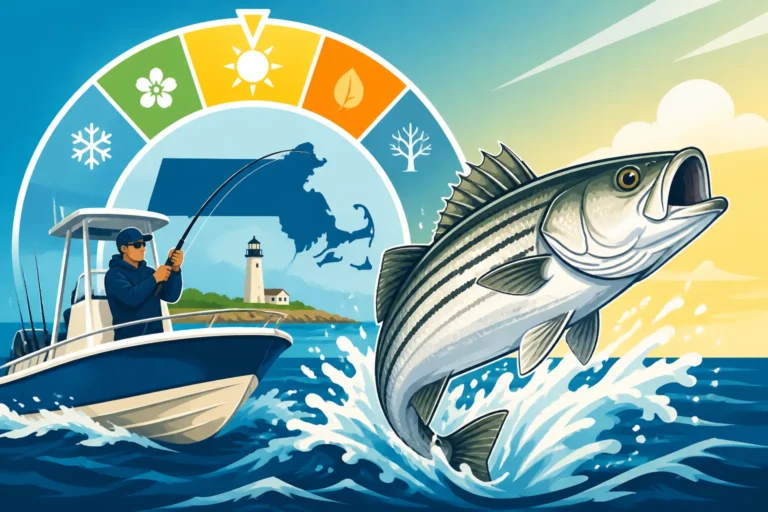
Cape Cod's fishing season stretches across multiple months, and what you wear in July will be vastly different from what you need in April or October. Understanding the specific challenges and average conditions for each season is crucial for packing appropriately and ensuring maximum comfort. The difference between a pleasant trip and a miserable one often boils down to how well you've prepared for the seasonal nuances.
Summer Charters: Beating the Heat While Staying Protected
During the peak summer months on Cape Cod (July and August), temperatures can soar, and the sun is at its strongest. However, even on the hottest days, the ocean breeze can still provide a significant cooling effect, and evening trips can get surprisingly chilly once the sun sets. Your primary focus here is light, breathable, and sun-protective clothing.
Opt for lightweight, long-sleeved shirts and pants made from moisture-wicking, quick-drying fabrics. Many brands offer specialized fishing apparel with UPF (Ultraviolet Protection Factor) ratings, which are excellent for blocking harmful UV rays without making you overheat. While it might seem counterintuitive to wear long sleeves in summer, it provides far better sun protection than sunscreen alone and often keeps you cooler by preventing direct sun exposure. Always have a lightweight, packable rain jacket handy, even if the forecast is clear, as pop-up showers are common, and boat spray is always a factor. For example, if you're spending a long day fishing Cape Cod Canal Fishing Guide for Massachusetts Anglers under the summer sun, preventing sunburn and staying hydrated is key.
Spring and Fall Charters: Navigating Temperature Swings
Spring (April-June) and Fall (September-November) on Cape Cod are characterized by highly variable weather. You can experience anything from warm, sunny days to cold, blustery, and rainy conditions, sometimes all within the same day. This is when the layering strategy becomes absolutely critical. The air temperature at dawn can be quite cool, especially when traveling offshore, but it can warm up considerably by late morning before a cool afternoon breeze sets in.
For these transitional seasons, a robust layering system is paramount. Start with a good moisture-wicking base layer, add an insulating mid-layer (like a fleece or puffy jacket), and top it off with your waterproof and windproof outer shell. Having extra layers is always better than not having enough, as you can always shed them. Warm socks are also a must, as cold feet can make your entire body feel cold. These seasons are often when the fishing is at its prime, offering opportunities for Massachusetts Striped Bass Charters and other species, so being comfortably dressed allows you to maximize your time on the water. When booking a trip through platforms like FishingBooker, checking the typical weather for your chosen month can give you a better idea of what to expect.
Winter/Early Spring Charters: Maximizing Warmth
While Cape Cod fishing charters are less common in the dead of winter, some captains do venture out for specific species, especially in the early spring (March) or late fall (December). These trips demand serious cold-weather gear. The air temperatures will be cold, often hovering around freezing, and the water is even colder. Exposure to wind and spray in these conditions can quickly lead to hypothermia.
For winter or very early spring charters, think extreme warmth. This means thermal underwear as your base layer, multiple heavy insulating mid-layers (e.g., a heavy fleece jacket over a wool sweater), and a top-of-the-line, insulated, waterproof, and windproof outer suit. Look for dedicated cold-weather fishing gear designed for marine environments. Waterproof boots with heavy wool socks are essential, as are heavy, insulated gloves and a warm hat that covers your ears. These conditions are not for the faint of heart, but with the right clothing, they can offer unique fishing opportunities. Make sure to communicate with your captain when you're Booking a Fishing Charter on Cape Cod for these colder months to understand their specific recommendations for attire.
Clothing Checklist for a Cape Cod Fishing Charter
To help you get organized, here's a quick checklist of recommended attire, broken down by general weather conditions. Remember, always lean towards bringing more layers than you think you'll need, as conditions on the water can be unpredictable.
| Item Type | Warm/Sunny Day (20-30°C / 70-85°F) | Mild/Overcast Day (10-20°C / 50-70°F) | Cold/Windy/Rainy Day (0-10°C / 30-50°F) |
|---|---|---|---|
| Base Layer | Lightweight, moisture-wicking shirt (long or short sleeve) & shorts/pants | Lightweight to mid-weight moisture-wicking shirt (long sleeve) & pants | Heavyweight thermal base layer (top & bottom) |
| Mid-Layer | None or light long-sleeve shirt for sun protection | Light fleece jacket or sweater | Heavy fleece jacket, insulated vest, or puffy jacket |
| Outer Layer | Light, waterproof, packable rain jacket (for spray/sudden rain) | Waterproof & windproof jacket and pants (foul weather gear) | Insulated, heavy-duty waterproof & windproof suit (jacket & bibs/pants) |
| Footwear | Non-slip, closed-toe deck shoes/sneakers or light rubber boots | Waterproof, non-slip rubber boots or deck shoes | Insulated, waterproof rubber boots with thick wool socks |
| Headwear | Wide-brimmed hat or baseball cap (for sun) | Baseball cap or light beanie (for wind/sun) | Warm, insulated beanie or wool hat that covers ears |
| Handwear | Fingerless sun gloves or light fishing gloves | Light fishing gloves for grip/protection | Insulated, waterproof gloves |
| Other Essentials | Polarized sunglasses, high-SPF sunscreen, neck gaiter, waterproof bag | Polarized sunglasses, high-SPF sunscreen, neck gaiter, waterproof bag | Polarized sunglasses, high-SPF sunscreen, neck gaiter, waterproof bag, hand warmers |
Remember, your charter captain is also a fantastic resource. Don't hesitate to ask them what they recommend you wear, especially if you're new to fishing in a particular season or for specific species. They know the local conditions best!
Disclaimer
This article is for general informational purposes only and does not constitute professional advice. Laws, prices and regulations vary by location and change over time. Consult a qualified professional for guidance on your specific situation.