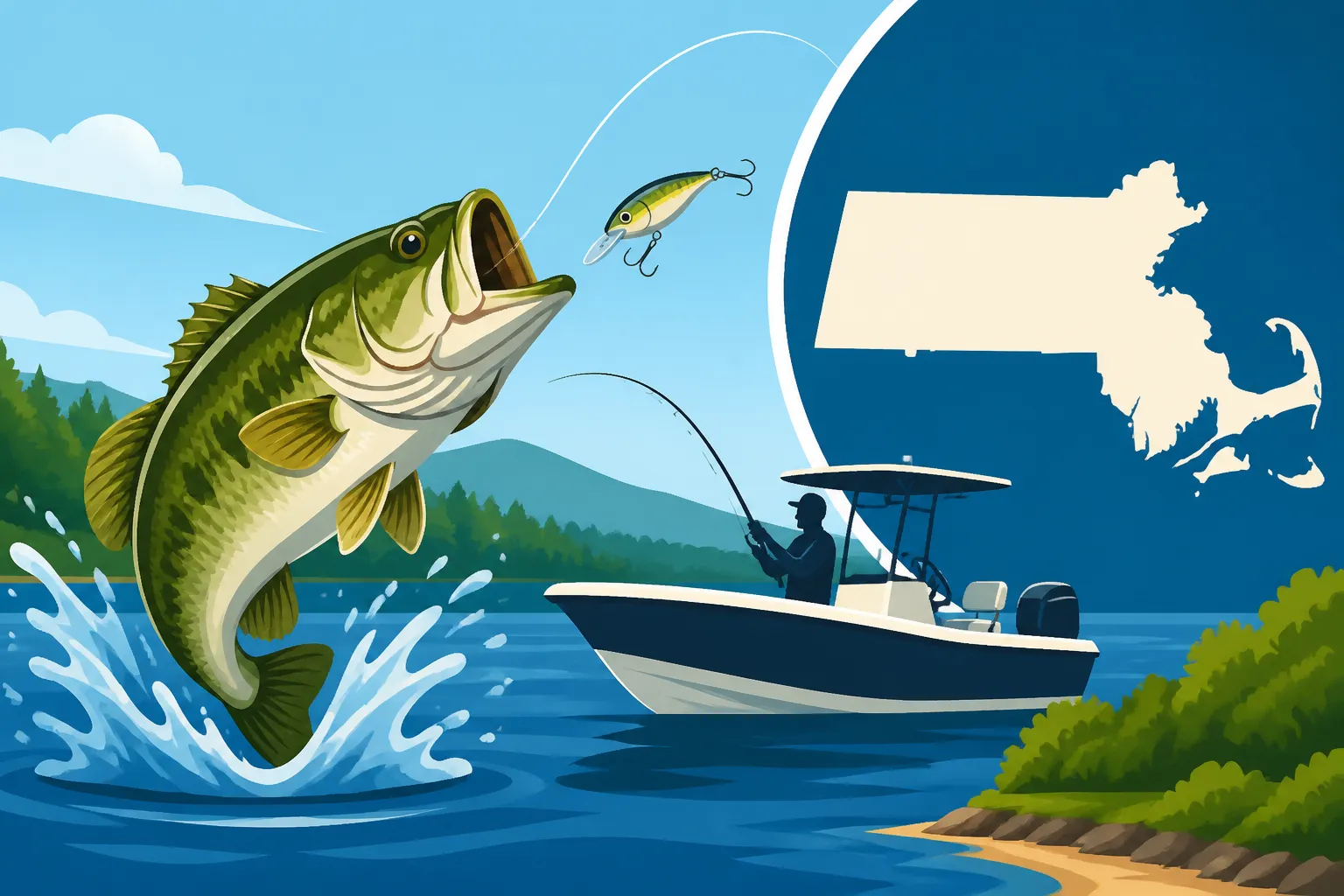
Whether you can charter a boat for freshwater bass fishing in Massachusetts
It's a common dream for anglers visiting or living in Massachusetts: hitting the water with a seasoned pro to chase down some chunky largemouth or feisty smallmouth bass. You might be envisioning a big charter boat, similar to those that head out for striped bass or tuna, but for freshwater. The truth is, finding what you might traditionally call a "charter boat" specifically for freshwater bass fishing in Massachusetts isn't quite as straightforward as booking a deep-sea trip. This guide will help you understand the landscape of guided freshwater bass fishing in the Bay State, clarify expectations, and point you toward finding the perfect expert to put you on the fish.
The Reality of Freshwater Bass Guiding in Massachusetts
When most people think of a "fishing charter," their minds often jump to saltwater trips – offshore tuna battles, inshore striped bass runs, or bottom fishing for tautog. These trips typically involve larger boats, multiple anglers, and a more structured, often half-day or full-day, commercial operation. Freshwater bass fishing, while incredibly popular, operates a little differently in the guided trip sector here in Massachusetts.
Why Freshwater Bass Charters Are Less Common
The primary reason you don't see "freshwater bass charters" advertised with the same frequency as saltwater trips boils down to a few key factors. First, the economics are different. Freshwater bass fishing, especially for largemouth and smallmouth, is often highly accessible from shore, smaller boats, kayaks, or canoes. Many dedicated bass anglers already own their own gear and vessels, reducing the demand for larger, multi-angler charter operations. A "charter" implies a certain scale, which isn't always necessary for freshwater bass.
Secondly, the nature of the fishing itself lends itself more to a personalized "guide" experience rather than a larger "charter." Freshwater bass fishing often involves precise casting, working specific structures, and moving around various spots on a lake or pond. A smaller boat, typically a bass boat or a shallow-draft jon boat, with one or two clients and a guide, is far more effective for this kind of tactical fishing than a larger vessel. This intimate setup allows for focused instruction, quick adjustments to fishing patterns, and stealthier approaches to prime bass habitat. Lastly, many freshwater lakes and ponds in Massachusetts have size and horsepower restrictions on boats, further limiting the feasibility of operating larger, traditional charter vessels.
The "Guide" Versus "Charter" Distinction
It's crucial to understand the difference in terminology when you're looking to hit the freshwater for bass in Massachusetts. While you might use the word "charter" colloquially, what you're generally looking for is a freshwater fishing guide.
A fishing guide in the freshwater realm typically operates a smaller boat, often a high-performance bass boat or a versatile skiff, designed to navigate shallower waters and get into tight spots. They usually take one to three anglers, focusing intensely on teaching techniques, finding fish, and providing a highly personalized experience. Their expertise is often hyper-local, focusing on specific ponds, lakes, or river stretches. Think of it less as a party boat and more as a private lesson or an exclusive fishing trip tailored to your skill level and target species. They might specialize in various techniques, from throwing frogs over lily pads for largemouth to drop-shotting deep structure for smallmouth. They often provide all the necessary tackle, bait, and local knowledge that makes the difference between a frustrating day and a fantastic one. Many guides also offer instruction on specific techniques like fly fishing for bass or advanced lure presentations.
In contrast, a charter often implies a larger vessel, a captain with a Coast Guard license (though many freshwater guides also have this, it's not universally required in the same way for smaller inland operations), and a trip that might accommodate more people, sometimes even fishing simultaneously in a less personalized manner. While a few larger lakes might have something resembling a charter for panfish or trout, for bass, the guide model is overwhelmingly dominant. When searching online, using terms like "Massachusetts bass fishing guide" or "freshwater fishing guide" will yield far more relevant results.
Finding a Freshwater Bass Guide in Massachusetts
So, you're ready to hit the water and learn from a local expert, even if it's not called a "charter" in the traditional sense. Great! Finding a reputable freshwater bass guide in Massachusetts is definitely possible, and often leads to a much more productive and enjoyable experience than trying to figure out a new body of water on your own.
Where to Look for Reputable Guides
The digital age has made connecting with guides much easier. Here are some of the best avenues:
- Online Booking Platforms: Websites like FishingBooker are excellent resources. They list numerous guides, often with detailed profiles, reviews from past clients, and clear information on what they offer. You can filter by location, target species (like largemouth bass or smallmouth bass), and even specific techniques. This makes it easy to compare options and read real-world feedback before committing. When searching on FishingBooker, make sure to specify "freshwater" and "bass" to narrow down your results.
- Local Tackle Shops: Don't underestimate the power of local knowledge! Your neighborhood bait and tackle shop is a hub for local anglers and often has business cards or recommendations for guides who frequent their waters. Shops like Red Top Sporting Goods on Cape Cod (though more known for saltwater, many have freshwater connections) or smaller, independent shops further inland are goldmines for referrals. They know who the serious guides are and can often give you an honest opinion based on local reputation.
- Fishing Clubs and Forums: Massachusetts has a vibrant community of bass fishing clubs. Many guides are active members or well-known within these circles. Online fishing forums dedicated to Massachusetts fishing are also great places to ask for recommendations. Anglers are often eager to share positive experiences with guides who put them on fish.
- Direct Search and Social Media: A simple Google search for "Massachusetts bass fishing guide" or "largemouth bass guide Massachusetts" will bring up websites for individual guides or smaller guiding operations. Many guides also maintain active social media pages (Facebook, Instagram) where they post recent catches, client testimonials, and availability. This allows you to see their recent work and get a feel for their style.
When you're sifting through options, pay attention to the guide's specialization. Some might focus on specific lakes, while others might be more versatile. Check their experience, the type of boat they run, and what they provide in terms of gear. A good guide will be transparent about their services and costs. Cost of a freshwater fishing guide in Massachusetts can vary significantly based on trip length, inclusions, and the guide's reputation.
What to Expect from a Guided Bass Trip
Once you've booked a freshwater bass guide, you can anticipate a focused and educational fishing experience. Here's what's typically involved:
- Personalized Instruction: Unlike a large charter, a guide provides hands-on coaching. They'll teach you proper casting techniques, how to present lures, read structure, and understand bass behavior. This is invaluable for both beginners and experienced anglers looking to refine their skills.
- Targeted Fishing: Your guide will take you to the best spots for largemouth and smallmouth bass, utilizing their intimate knowledge of the body of water. They'll know where the fish are hiding based on season, weather, and water conditions. Whether it's shallow weed beds, deep humps, or rocky points, they've got the intel. This is particularly helpful if you're interested in How to Catch Largemouth Bass in Massachusetts or How to Catch Smallmouth Bass in Massachusetts rivers.
- High-Quality Gear and Bait: Most guides provide all the necessary fishing rods, reels, lines, and an array of lures and live bait tailored to the conditions. This means you don't have to worry about bringing your own extensive tackle box, though you're welcome to bring a favorite rod if you prefer. They'll have a selection of topwater plugs, crankbaits, jigs, and soft plastics to cover all scenarios.
- Flexible Trip Lengths: While full-day (6-8 hour) trips are common, many guides also offer half-day (4-5 hour) options, which can be perfect for beginners, families, or those with limited time. This flexibility allows you to customize your experience.
- Learning the Water: A good guide won't just put you on fish; they'll explain why the fish are there and how to approach similar spots on your own. This educational aspect is a huge benefit, helping you become a more self-sufficient angler. Many will highlight areas found in guides like Best Freshwater Ponds and Lakes in Massachusetts and explain what makes them productive.
You should always discuss your expectations with your guide beforehand. Are you hoping to catch a trophy bass, learn a new technique, or simply enjoy a relaxing day on the water? Clear communication ensures everyone is on the same page.
Key Considerations Before Booking a Freshwater Bass Guide
Booking a freshwater bass guide is an investment in your fishing experience and education. To ensure you have the best possible trip, there are a few important things to consider before you commit.
Understanding Costs and Inclusions
The cost of a guided freshwater bass trip in Massachusetts can vary widely, typically ranging based on the guide's experience, the length of the trip, and what's included. Expect prices to be quoted per trip, not per person, up to a maximum number of anglers (usually two or three).
Here’s a general breakdown of what might influence the cost and what to expect:
- Trip Length: Half-day trips (4-5 hours) will naturally be less expensive than full-day trips (6-8 hours). If you're new to guided fishing or unsure about your endurance, a half-day trip is a great way to start.
- Inclusions: Most guides include high-quality rods, reels, tackle, and bait. Some might also provide bottled water or light snacks. Always confirm what is and isn't included. Don't assume lunch is provided unless explicitly stated.
- Additional Costs: Remember that you'll still need a valid Massachusetts Fishing License Guide to fish, and that cost is typically not included in the guide's fee. You'll also want to budget for a tip for your guide, as this is customary in the service industry. Fuel surcharges are rare for freshwater guides but always worth asking about if you're concerned.
- Comparison to Saltwater Charters: Freshwater bass guide trips are generally less expensive than comparable saltwater charters. This is due to lower operational costs (smaller boats, less fuel, no expensive offshore permits for the vessel) and the typically smaller group size. However, the value derived from personalized instruction and targeted fishing can be immense.
When comparing guides, look beyond just the price tag. A slightly more expensive guide with glowing reviews and a strong track record might offer a far superior experience and more consistent results. Don't hesitate to ask prospective guides for a detailed breakdown of their fees and what you can expect on the day of your trip.
| Feature | Freshwater Bass Guide | Saltwater Fishing Charter |
|---|---|---|
| Typical Boat Size | Smaller bass boat/skiff | Larger center console/cabin cruiser |
| Angler Capacity | 1-3 people | 4-6+ people |
| Focus | Personalized instruction, specific techniques, local knowledge | General fishing, catching fish, less individual coaching |
| Cost | Generally lower | Generally higher |
| License Required | Massachusetts Freshwater Fishing License | Massachusetts Saltwater Recreational Fishing Permit |
| Gear Provided | Usually included | Usually included |
| Target Species | Largemouth, Smallmouth Bass | Striped Bass, Tuna, Fluke, Tautog, etc. |
| Typical Duration | Half-day (4-5 hrs), Full-day (6-8 hrs) | Half-day (4-5 hrs), Full-day (8-12+ hrs) |
Licensing, Permits, and Regulations
Even with a professional guide, you, as the angler, are responsible for adhering to Massachusetts fishing regulations. This primarily means possessing the correct fishing license.
- Massachusetts Fishing License: Every angler aged 15 and older needs a valid Massachusetts Freshwater Fishing License Costs and Rules. Your guide will not provide this for you, so you must purchase it beforehand. You can typically do this online through the MassFishHunt system, at a local vendor, or at some bait shops. Be sure to understand Massachusetts Fishing License Requirements by Age.
- Guide's Credentials: While not always a USCG licensed captain like saltwater charters, reputable freshwater guides often carry commercial liability insurance and may have certifications in first aid and CPR. Don't be afraid to ask about their experience and credentials.
- Bag and Size Limits: Your guide will be well-versed in the current Massachusetts Freshwater Daily Catch Limits for bass and other species. They will ensure you adhere to these regulations, including any slot limits or minimum sizes. For bass, catch and release is very common, but if you plan to keep fish, communicate this with your guide.
- Conservation: A good guide will also emphasize responsible fishing practices, including proper fish handling, catch-and-release techniques, and respecting the environment. They are stewards of the resource and will expect you to be too.
Before your trip, take a moment to review the MassWildlife fishing regulations pamphlet. While your guide is an expert, being informed yourself is always a good idea. Knowing the rules in advance helps you focus on the fun part – catching fish!
Maximizing Your Freshwater Bass Guided Experience
You've done your homework, booked your guide, and secured your license. Now, how do you make the most of your time on the water chasing Massachusetts bass? A little preparation and clear communication can go a long way in ensuring a memorable and productive trip.
Communication and Expectations
The key to a successful guided trip, especially for freshwater bass, is open communication with your guide both before and during your outing. This isn't just about catching fish; it's about tailoring the experience to your goals.
- Discuss Your Goals: Before the trip, chat with your guide about what you hope to achieve. Are you aiming for a trophy-sized largemouth? Do you want to learn specific techniques like jigging or throwing frogs? Are you a seasoned angler looking to tackle a new body of water, or a complete beginner needing basic instruction? Your guide can then plan the day accordingly, selecting appropriate locations, baits, and teaching moments. If you have specific preferences, like only wanting to fish for Largemouth vs Smallmouth Bass in Massachusetts, make that clear.
- Be Honest About Your Skill Level: There's no shame in being a beginner! In fact, guides love teaching. Being upfront about your experience helps your guide pace the instruction and use methods that suit you. Don't pretend to be more skilled than you are; it just makes it harder for the guide to help you. Conversely, if you're highly experienced, let them know so they can focus on advanced tactics rather than basics.
- Ask Questions: This is your opportunity to learn! Ask about why the guide chose a particular spot, what lure they're using, how to work it effectively, or what the Massachusetts Fishing Seasons Explained mean for bass behavior. A good guide will be eager to share their knowledge. Don't be shy; you're paying for their expertise.
- Provide Feedback: If something isn't working for you – perhaps a lure is too difficult to cast, or you're getting tired – speak up. Guides want you to have a good time and are usually very adaptable. This also goes for comfort on the boat, whether you need a break, or if you're experiencing seasickness (though less common on freshwater, it can still happen on choppy days).
Remember, your guide is there to help you. The more information you share, the better they can customize the experience to your needs and ensure you walk away with new skills and great memories. Think of them as a partner in your fishing adventure, not just a boat driver.
What to Bring and Prepare
While your guide will provide most of the essential fishing gear, there are several personal items you should bring to ensure your comfort and safety on the water. A little preparation goes a long way. This list is especially helpful if you're wondering What to Bring on a Massachusetts Fishing Charter.
- Your Valid Massachusetts Fishing License: This is non-negotiable. Have it physically or digitally accessible, as wardens can and do check. Carrying Proof of Your Massachusetts Fishing License is essential.
- Appropriate Clothing: Dress in layers. Even on a warm day, mornings can be chilly on the water, and conditions can change quickly in Massachusetts. Bring a rain jacket, even if the forecast looks clear. Sun protection is key, so consider a wide-brimmed hat, sunglasses (polarized are a huge advantage for spotting fish and structure), and long-sleeved shirts.
- Sunscreen: Protect your skin from harmful UV rays. Reapply regularly, especially if you're splashing water or sweating.
- Food and Drinks: While some guides might offer water, it's always best to bring your own snacks and beverages. Pack enough to last the duration of your trip. A small cooler is often a good idea.
- Personal Medications: If you have any essential medications, make sure they're easily accessible. If you're prone to motion sickness, take preventative measures before the trip, even on a lake, especially if the water is choppy.
- Camera or Phone: You'll want to capture those trophy bass moments! Just be mindful of water and sun exposure for your electronics.
- Small Dry Bag: A small dry bag or waterproof pouch is invaluable for keeping your phone, wallet, and other essentials safe from splashes.
- Comfortable Shoes: Choose shoes with good grip that you don't mind getting wet.
By arriving prepared, you eliminate potential distractions and can focus entirely on the fishing. A comfortable angler is a happy and more successful angler!
Disclaimer
This article is for general informational purposes only and does not constitute professional advice. Laws, prices and regulations vary by location and change over time. Consult a qualified professional for guidance on your specific situation.