Are There Guided Largemouth Bass Trips in Massachusetts?
Picture this: you've been dreaming of wrestling a big, feisty largemouth bass from a lily pad-choked pond or a sprawling reservoir right here in Massachusetts, but you just don't know the local waters, or maybe you want to learn some new techniques. It can feel a bit daunting to venture out blind, wondering if you're even in the right spot or using the correct lure. This comprehensive guide is here to shed light on guided largemouth bass trips across the Bay State, explaining what they offer, how to find them, and what to expect, so you can land that bucket-list fish with confidence.
The Largemouth Bass Fishing Scene in Massachusetts
Massachusetts might be famous for its striped bass runs along the coast, but don't let that overshadow the incredible largemouth bass fishing opportunities nestled within its freshwater lakes, ponds, and reservoirs. From the Berkshires to the Cape, the Commonwealth boasts a diverse range of freshwater habitats that are absolutely teeming with largemouth, offering fantastic angling experiences for both seasoned pros and enthusiastic beginners.
Why Massachusetts is a Great Largemouth Destination
Massachusetts is a gem for freshwater anglers, and particularly for those who love chasing largemouth bass. We're blessed with an abundance of diverse water bodies, from relatively shallow, fertile ponds choked with vegetation to deeper, clearer lakes with plenty of structure. This variety means that no matter your preferred style of bass fishing – whether you love flipping jigs into heavy cover, cranking open water, or working topwater lures at dawn – you can find a spot that caters to it. Many of these waters are easily accessible, too, making a spontaneous trip or a planned outing relatively simple.
Beyond the sheer number of spots, the fish themselves are often healthy and robust. Thanks to dedicated conservation efforts by MassWildlife and local groups, the largemouth populations in many areas are thriving. You'll find plenty of respectable bass, and the chance to hook into a true "hawg" is always present, offering that thrilling battle that bass anglers live for. The fishing pressure can be a bit higher in some popular areas, but with so many options, finding your own productive slice of water is definitely doable.
Common Challenges for Anglers
Even with all these amazing opportunities, fishing for largemouth bass in Massachusetts can present its own set of challenges. One of the biggest hurdles for many anglers, especially those visiting from out of state or new to a particular region, is simply knowing where to go. Our lakes and ponds can be vast and complex, with hidden ledges, weed lines, and submerged timber that only locals truly understand. Without that crucial local knowledge, you could spend an entire day casting in unproductive waters, which is a real bummer when you're eager to get on some fish.
Another common frustration is figuring out the right techniques and presentations for the day. Bass are notoriously fickle creatures; what worked yesterday might not work today, and what works on one pond might fail spectacularly on another. Water temperature, clarity, time of year, barometric pressure, and even moon phase can all influence bass behavior. It's tough to keep up with all these variables, and many anglers find themselves struggling to "crack the code" when the fish are being particularly stubborn. This is exactly where a seasoned local guide can make all the difference, translating years of experience into immediate, actionable advice. If you're wondering about specific fish behavior, you might find valuable insights in How to Catch Largemouth Bass in Massachusetts.
Understanding Guided Largemouth Bass Trips
So, you've decided you want to shortcut the learning curve and get straight to the action. That's a smart move! Guided largemouth bass trips are designed precisely for this purpose. They offer a personalized experience where a local expert takes you out on the water, providing invaluable insight and hands-on coaching to improve your chances of success and your overall skills.
What a Guided Trip Offers
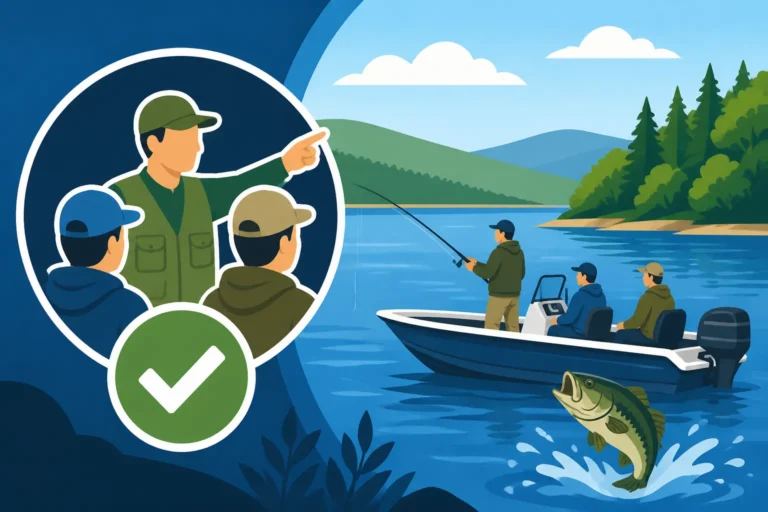
A guided trip is so much more than just a boat ride. First and foremost, you get access to a guide's extensive local knowledge. They know the lakes and ponds like the back of their hand—where the bass are likely to be hiding, what they're biting on, and the best times to fish specific areas. This means less time searching and more time fishing. They'll put you on the fish, often in spots you'd never find on your own. For a broader overview of freshwater opportunities, check out Freshwater Fish Species in Massachusetts or Best Freshwater Ponds and Lakes in Massachusetts.
Beyond location scouting, a good guide acts as a fantastic coach. They'll teach you effective techniques, explain lure selection, demonstrate proper casting methods, and help you understand fish behavior. Maybe you've always wanted to learn how to fish plastic worms or master topwater presentations; a guide can walk you through it step-by-step. They often provide all the necessary gear, too—rods, reels, lures, and even bait—so you don't have to worry about bringing your own extensive tackle box. It's a fantastic way to learn, improve, and enjoy a day on the water without the stress of planning every detail.
Typical Duration and Focus
Most guided largemouth bass trips typically fall into two categories: half-day or full-day excursions. A half-day trip usually lasts about 4-5 hours, which is perfect if you have other plans or just want to get a taste of the action. It's often enough time to target active fish during prime feeding windows, like early morning or late afternoon. Full-day trips, on the other hand, usually run for 7-8 hours or even longer, offering a more comprehensive experience. This allows the guide to explore more spots, adapt to changing conditions, and provide more in-depth instruction.
The focus of these trips can vary depending on your goals. Some anglers book a trip specifically to target trophy bass, hoping to land that one massive fish. Others might be more interested in learning a particular technique, like flipping jigs into dense cover or fishing frog lures over matted vegetation. Guides are usually adept at tailoring the trip to your preferences, whether you're a beginner needing fundamental instruction or an experienced angler looking to refine specific skills. Don't be shy about communicating your objectives when you book!
What to Expect from a Massachusetts Bass Guide
When you step onto a guide's boat in Massachusetts, you can generally expect a well-maintained, comfortable vessel equipped for bass fishing, often a bass boat designed for speed and stability. Your guide will be a licensed professional, not just an enthusiastic amateur, meaning they adhere to safety regulations and have the necessary credentials to operate a for-hire vessel. They'll also be intimately familiar with the specific waters you're fishing, whether it's Lake Quinsigamond near Worcester or a hidden pond in southeastern Massachusetts.
Beyond the logistics, expect a patient and knowledgeable teacher. A good guide isn't just there to catch fish for you; they're there to help you catch fish and to enhance your understanding of the sport. They'll explain why they're making certain decisions, what characteristics to look for in a promising spot, and how to read the water effectively. You'll likely learn about different lure choices, retrieve speeds, and presentation nuances that can make a huge difference. They'll share their insights into bass behavior, and you'll come away with a much deeper appreciation for the art and science of largemouth bass fishing.
Finding and Booking a Massachusetts Largemouth Bass Guide
So, you're convinced a guided trip is the way to go. Excellent! Now comes the crucial step: finding the right guide for your adventure. There are a few different avenues you can explore, and a bit of homework upfront will ensure you have the best possible experience.
Where to Look for Guides
The internet is probably your best friend when it comes to finding fishing guides. Many anglers start their search on platforms like FishingBooker, which aggregates guides from across the state, allowing you to filter by species (like largemouth bass), location, and even reviews. These sites often provide detailed profiles of guides, including their experience, target species, and photos of past catches. Another great resource is a simple Google search for "Massachusetts largemouth bass guide" or "bass fishing guide [specific town/lake]." Many independent guides have their own websites where you can learn about their services and contact them directly.
Beyond online searches, don't underestimate the power of local connections. Visit tackle shops near the lakes you're interested in; the folks behind the counter often know many local guides personally and can offer recommendations. Fishing clubs and online forums dedicated to Massachusetts fishing are also excellent places to ask for referrals and get firsthand accounts from other anglers. Sometimes, the best guides are the ones known through word-of-mouth in the local fishing community.
Key Questions to Ask Before Booking
Before you commit to a guide, it's really important to ask some key questions to ensure they're a good fit for your expectations and fishing style. Don't be afraid to be thorough!
Here are some essential questions:
- What are your rates, and what's included? Clarify if tackle, bait, drinks, snacks, or even a fishing license is included in the price. You can find more details on general costs in Cost of a guided bass fishing trip.
- What species do you primarily target? While many guides are versatile, some specialize in largemouth, while others might focus more on trout or smallmouth. Make sure their expertise aligns with your goals. You can also explore Largemouth vs Smallmouth Bass in Massachusetts to understand species differences.
- What's your typical approach to a largemouth trip? Do they focus on numbers, trophy fish, or teaching techniques? This helps set expectations.
- What is your cancellation policy? Especially important for weather-related cancellations.
- Do you provide all necessary gear, or should I bring my own? If you have a favorite rod, ask if you can bring it.
- How many anglers can you accommodate? Useful if you're planning a trip with friends or family.
- Are fishing licenses required for guests? In Massachusetts, most anglers need a freshwater fishing license. The guide usually doesn't provide this, so you'll need to sort it out beforehand. Find more information in Massachusetts Fishing License Guide.
- What are some recent successes or reports from your trips? While no guarantee, it gives an idea of current conditions and their effectiveness.
When you're comparing options, a site like FishingBooker often allows you to filter by target species like largemouth bass and view detailed guide profiles that answer many of these questions upfront, making your research a bit easier.
Factors Influencing Cost
The cost of a guided largemouth bass trip in Massachusetts can vary quite a bit, typically depending on several factors. The duration of the trip is a major one; a full-day trip will naturally cost more than a half-day excursion. The number of anglers in your party can also influence the price, with some guides charging a flat rate for a small group and others having an additional fee per extra person. For example, a single angler might pay one price, while a party of three pays a slightly higher but still economical rate.
The guide's experience and reputation also play a significant role. Highly sought-after guides with years of proven success and a strong following might command higher rates. Additionally, what's included in the trip can affect the price. A guide who provides premium rods, reels, and a vast array of high-quality lures, along with drinks and snacks, might have a higher base fee than one where you're expected to bring more of your own gear. Always ask for a clear breakdown of costs and inclusions before booking to avoid any surprises.
Maximizing Your Guided Bass Fishing Experience
You've done your research, booked your guide, and the date is set. Now it's time to ensure you get the absolute most out of your investment and your time on the water. A little preparation and the right mindset can turn a good trip into an unforgettable one.
Preparation is Key
Even though your guide will handle most of the logistics, a little preparation on your end goes a long way. First, make sure you have your Massachusetts Fishing License Guide in order. It's usually your responsibility, not the guide's, and you don't want to get caught without one. Dress appropriately for the weather; Massachusetts weather can be unpredictable, so layers are always a good idea, along with rain gear if there's any chance of showers. Sunscreen, a hat, and polarized sunglasses are absolute essentials for comfort and spotting fish, even on cloudy days.
Bring any personal items you might need, like medications, snacks, or specific drinks, though many guides provide basic refreshments. If you have a favorite lure or technique you want to try, or if you have specific physical limitations, communicate these with your guide beforehand. The more information they have, the better they can tailor the trip to your needs. This proactive communication ensures everyone is on the same page and helps create a smoother, more enjoyable day.
Here's a quick reference for typical expectations:
| Category | What Your Guide Likely Provides | What You Should Consider Bringing |
|---|---|---|
| Gear | Rods, Reels, Lures, Tackle | Favorite personal rod/reel (optional), your lucky lure |
| Essentials | Boat, Fuel, Safety Equipment | Fishing License (mandatory), Sunscreen, Hat, Polarized Sunglasses |
| Comfort | Basic drinks/water | Specific snacks, preferred beverages, medication |
| Clothing | Life jackets (required) | Layers, Rain Gear, Waterproof Shoes |
| After Fish | Net, Livewell, Cleaning options | Cooler to transport fillets home |
Learning from Your Guide
This is where the real value of a guided trip shines. Treat your guide as an instructor and a mentor. Don't be afraid to ask questions, even if you think they're silly. Ask why they chose a particular spot, why they're using a specific lure, or how they're retrieving it. Observe their casting techniques, how they work their rod, and how they detect subtle bites. A good guide will be happy to share their knowledge and insights. You might discover some new strategies that completely change your approach to bass fishing, like specific topwater presentations or ways to fish soft plastics for a better hook set. For example, if you're keen on honing your skills, ask about How to fish plastic worms for largemouth bass.
Be open to trying new things. Your guide knows these waters and these fish intimately. They might suggest a lure color or a retrieve method that feels counterintuitive to you, but trust their expertise. Sometimes, stepping out of your comfort zone is exactly what it takes to unlock a successful day on the water. The goal isn't just to catch fish, but to gain knowledge that you can apply to future trips, making you a more skilled and confident angler.
After the Trip: Practice and Reflect
Once your guided trip is over, the learning doesn't have to stop. Take some time to reflect on what you learned. What techniques did the guide emphasize? Which lures were most effective? How did they approach different types of structure or cover? Jot down notes if you can, especially about specific spots or patterns. Many anglers find it helpful to review their day mentally or in a journal to reinforce the lessons learned.
Then, put that knowledge into practice! Head back to some local ponds or lakes, maybe even the same ones you fished with your guide, and try out the new techniques and strategies. The more you practice, the more these lessons will become second nature. Don't just pick the first guide you see; take time to read reviews, often found on booking platforms such as FishingBooker or the guide's direct website, and choose someone whose teaching style and experience align with what you're hoping to achieve. A guided largemouth bass trip in Massachusetts is an investment in your fishing future, offering both immediate success and long-term skill development. Consider exploring other resources like How to Catch Largemouth Bass in Massachusetts Ponds for continued learning.
Disclaimer
This article is for general informational purposes only and does not constitute professional advice. Laws, prices and regulations vary by location and change over time. Consult a qualified professional for guidance on your specific situation.