Whether charter prices are negotiable in the off-season
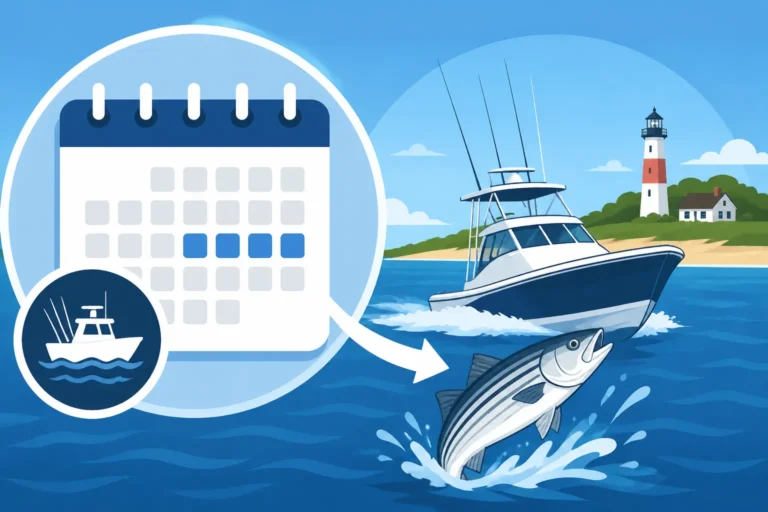
It's a common thought for many anglers, especially after a busy summer on the water: surely, charter boat captains are more flexible with their prices once the main fishing season winds down, right? You might envision getting a great deal on a fall or spring trip, imagining captains are just eager to fill their calendars. While it's true that the dynamics shift outside of peak summer, the reality of price negotiation for Massachusetts fishing charters in the off-season is a bit more nuanced than simply expecting a discount. This guide will explore what "off-season" truly means for charter fishing, the factors that influence pricing year-round, and how you might approach finding value during quieter times.
Understanding Massachusetts Fishing Seasons and Demand
When we talk about "off-season" for fishing in Massachusetts, it's not a single, universally defined period. It largely depends on what you're trying to catch and where, but generally, it refers to the periods outside the bustling summer months when tourism and fishing pressure are at their peak.
Peak Season vs. Off-Season Defined
For most recreational anglers in Massachusetts, the "peak season" usually runs from late spring through early fall, roughly Memorial Day to Columbus Day. This is when the weather is most predictable, school is out, vacationers flock to the coast, and highly sought-after species like striped bass are abundant inshore. Massachusetts Fishing Seasons Explained can give you a deeper dive into the specifics for different fish. During this time, demand for charters is incredibly high, and captains often have their schedules booked solid weeks or even months in advance. Their pricing reflects this high demand and the optimal fishing conditions.
The "off-season" or "shoulder seasons" then become the transitional periods: early spring (April-May) and late fall (October-November), as well as the deep winter months. In early spring, the water is still cold, but some freshwater fisheries might be active, and migratory species are just starting to return. Late fall sees many migratory species heading south, but often offers incredible opportunities for larger, more aggressive fish before they depart. Winter, of course, means ice fishing for freshwater anglers, but limited saltwater charter opportunities, usually targeting specific species or requiring specialized boats.
The Impact of Demand on Pricing
Think of it like any other travel industry: high demand equals higher prices. During the summer, a charter boat is a hot commodity. Captains are running trips almost daily, sometimes multiple times a day, to keep up. Their operational costs are constant, and they know their boat will be filled regardless of whether they offer a discount.
However, when demand naturally tapers off in the shoulder seasons, a captain might find themselves with more open dates on the calendar. This can create a window for some flexibility, but it's crucial to understand that "flexibility" doesn't always translate into a straight price cut. Instead, it might manifest in other ways, like a captain being more willing to customize a trip or add a little extra time if the fish are biting. The key is that the captain still needs to cover their fixed costs, which don't magically disappear with the cooler weather.
Factors Influencing Charter Price Flexibility
It's tempting to think that an empty boat means a desperate captain, but that's rarely the case. Charter captains run businesses with significant overhead, and their pricing reflects that, regardless of the calendar.
Types of Charters and Target Species
The type of fishing you want to do plays a huge role in pricing and potential for negotiation. For example, a specialized offshore bluefin tuna charter, like those you'd find in Massachusetts Bluefin Tuna Charters, often involves more fuel, specialized gear, longer trips, and a greater degree of risk and expertise. These trips inherently have higher fixed costs. It's less likely you'll find deep discounts on these, even in the shoulder seasons, because the costs remain high.
On the other hand, an inshore striped bass trip, perhaps a half-day outing closer to shore, might have slightly more room for negotiation if a captain has an open spot. However, even these trips have a baseline cost for fuel, bait, tackle, and the captain's time and experience. Remember, different species have different seasons, and a good captain will know the Best Time of Year to Fish in Massachusetts for what you're targeting.
Captain's Operating Costs and Overhead
Charter boats are expensive to operate and maintain. Consider all the costs a captain faces:
- Fuel: Even if diesel prices fluctuate, it's a major expense.
- Maintenance: Engines, electronics, safety gear – these need constant upkeep, regardless of whether the boat is fishing every day.
- Dockage and Storage: Mooring fees don't go away in winter.
- Insurance: A must-have, and it's not cheap for commercial vessels.
- Licenses and Permits: Annual renewals for the boat and the captain.
- Crew: If there's a mate, they need to be paid.
- Bait and Tackle: Fresh bait, lures, leader, hooks – it all adds up.
These are significant overheads that persist year-round. A captain typically has a minimum price they must charge to simply cover these costs and make a profit. Offering a deep discount below that threshold means they're losing money, which isn't sustainable. So, while they might have an open day, it doesn't mean they can afford to give the trip away for a fraction of the cost.
Last-Minute vs. Advance Booking in the Off-Season
During the peak season, booking well in advance is almost a necessity. For off-season trips, the dynamic can shift. Sometimes, a last-minute opening due to a cancellation or a sudden break in the weather might make a captain more amenable to a slightly reduced rate, especially if it means avoiding an empty day. However, this isn't a guarantee and relies heavily on luck and timing.
Conversely, some captains might be willing to offer a slight incentive for an early off-season booking to fill their calendar months out. It provides them with certainty and cash flow during slower times. Using platforms like FishingBooker can be a great way to see what's available and get a sense of typical pricing and booking windows for various charters. You can often see cancellation policies on these platforms as well, which is important to understand. Massachusetts Charter Fishing Cancellation Policies are something you should always review.
| Factor | Impact on Price Flexibility in Off-Season | Likelihood of Direct Price Cut | Alternative Value |
|---|---|---|---|
| Peak Season Dates | Very Low Demand | Extremely Low | Almost None |
| Shoulder Season Dates | Moderate Demand | Low to Moderate | More Flexibility, Extra Time, Customization |
| Deep Winter Dates | Very Low Demand, Limited Trips | Low to Moderate | Specialized Trips, Unique Opportunities |
| Offshore Tuna Charter | High Fixed Costs | Very Low | Rare, focus on availability, specific requests |
| Inshore Striped Bass | Lower Fixed Costs | Low to Moderate | More adaptable to shorter trips or specific times |
| Last-Minute Opening | Captain might consider to avoid empty day | Moderate (small discount) | Immediate availability |
| Advance Off-Season Book | Captain might offer small incentive | Low (small discount or perk) | Guaranteed booking, captain's appreciation |
Strategies for Negotiating Off-Season Charter Prices
So, how do you navigate this landscape? While outright price slashing is rare, there are ways to approach finding better value or a slightly more flexible rate in the off-season.
The Art of Polite Inquiry
The absolute best approach is to be polite and respectful of the captain's business. Instead of demanding a discount, frame your query as an inquiry about flexibility. For example, you might say, "Captain, I'm really keen to get out fishing in November, and I noticed you have some open dates. Is there any flexibility on the rate for a small group like ours, or perhaps any options you could offer for a slightly shorter trip?" This shows you understand their situation while gently opening the door.
Be prepared for a "no." A good captain sets their prices for a reason. If they can't offer a discount, don't push it. There might be other ways to add value. Remember, you're not just paying for a boat ride; you're paying for their expertise, their gear, and their local knowledge. Looking up How to read charter reviews before booking can also give you insights into a captain's service and value.
Offering Flexibility in Dates and Times
This is perhaps your strongest negotiation tool. If you can be flexible with your dates – opting for a mid-week trip instead of a weekend, or a slightly earlier or later start time – you're making it easier for the captain to fit you into their schedule around existing bookings or maintenance. For example, a captain might have a specific window of good weather mid-week in October that they'd love to fill. If you're available, you might get a slightly better deal or more fishing time.
Being open to fishing different species than your first choice, within reason, can also help. If the prime striper bite is slowing down, but tautog fishing is picking up, asking about a mixed bag trip might be more appealing to a captain with availability.
Group Size and Trip Duration
If you have a smaller group, sometimes offering to pay for an extra "phantom" person (e.g., you have 3 people but offer to pay for 4) might get you a slightly better overall rate than if you just pushed for a per-person discount. This ensures the captain meets a minimum revenue threshold.
Similarly, consider if you really need a full-day trip. A half-day or 3/4-day trip is less demanding on the captain's time and fuel, and they might be more inclined to offer a slight adjustment. On the flip side, some captains might be willing to extend a standard half-day trip to a slightly longer duration for a smaller, agreed-upon bump in price, giving you more time on the water for your investment. It's often about finding a win-win.
Exploring Other Value-Adds Instead of Price Cuts
If a direct price cut isn't on the table, think about what other value a captain might add that would enhance your trip.
- Extra Time: "If the fishing's hot, would you be able to squeeze in an extra hour if we agreed on a small additional fee?"
- Bait Upgrade: Perhaps they could include a premium bait that's usually an extra cost.
- Fish Cleaning: While many captains include this, some might charge extra for extensive filleting. You could ask if it could be included.
- Photography: Some captains are keen photographers and might offer to take extra photos of your catch.
- Future Booking Discount: Maybe they'd offer a small discount on a future booking if you come back during the next season.
These non-monetary "discounts" can often be more valuable than a small price reduction and show the captain you're looking for a good experience, not just the cheapest trip. Don't forget that tipping your captain and crew is customary, and it's a great way to show appreciation for their hard work, whether you got a deal or not. Massachusetts Charter Boat Tipping Etiquette is a good resource to review before your trip.
When "Off-Season" Offers the Best Value, Not Just Price Cuts
While direct price negotiation might be limited, the off-season still holds immense value for the savvy angler. Sometimes, the real "deal" isn't in the dollars saved, but in the enhanced experience itself.
Fewer Crowds, More Focus
One of the biggest advantages of fishing in the shoulder seasons is the significant reduction in crowds. Think about it: during peak summer, popular spots like the Cape Cod Canal can be shoulder-to-shoulder, and even offshore, there's more boat traffic. In the off-season, you'll often have the water largely to yourself.
This translates to a more peaceful and focused fishing experience. Your captain can dedicate more attention to your group, move to different spots without worrying about competition, and truly tailor the trip to your preferences. It's a more intimate experience, often leading to better catches because the fish are under less pressure. This can be especially true for certain species and locations, like those discussed in Best Places to Fish in Boston Harbor, Massachusetts during quieter months.
Unique Fishing Opportunities
The off-season isn't just about leftover fish; it often presents unique and incredibly rewarding fishing opportunities. For example, late fall can be phenomenal for trophy striped bass as they feed aggressively before their migration south. Or, consider freshwater fishing in early spring when trout are actively feeding after stocking. You might not find as many charter boats specializing in freshwater, but the opportunities for personal trips are prime. For saltwater, species like black sea bass can offer great action in certain shoulder periods.
These are times when you might target specific, often larger, fish with less competition. You're experiencing a different side of Massachusetts fishing that many fair-weather anglers miss out on. This unique experience often outweighs any minor savings you might get on a charter fee.
How to Research and Compare Options
Regardless of the season, thorough research is your best friend. Start by identifying the species you want to target and the general time frame. Then, use reputable online platforms, like FishingBooker, to browse captains and their offerings. These platforms often list their standard rates and availability.
- Compare standard rates: Get a baseline of what charters typically charge for the trip you want.
- Read reviews: Look for comments about flexibility, captain's attitude, and overall value, not just price.
- Contact captains directly: Once you have a shortlist, reach out directly. A personal conversation is the best way to gauge their willingness to accommodate requests or discuss value-adds. Don't be shy about asking specific questions, such as What's included in a full-day charter price or about specific target species.
By being informed, polite, and flexible, you stand a much better chance of securing a great fishing experience in the Massachusetts off-season, even if it's not always through a direct price reduction. The value is often there; you just need to know how to find it.
Disclaimer
This article is for general informational purposes only and does not constitute professional advice. Laws, prices and regulations vary by location and change over time. Consult a qualified professional for guidance on your specific situation.