Best month for a striped bass charter in Massachusetts
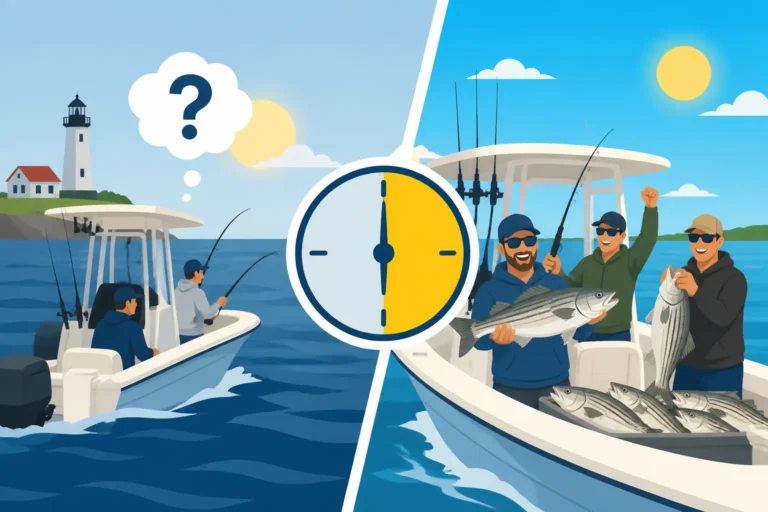
It's a question every angler dreams of answering: when is truly the best month to book a striped bass charter in Massachusetts? The truth is, there's no single perfect answer that applies to everyone, and trying to pin it down can feel like chasing a phantom. You've got limited vacation days, a budget to consider, and the ever-present hope of that trophy fish. This guide is here to cut through the guesswork, walking you through the ebb and flow of the Massachusetts striped bass season so you can confidently pick the month that aligns with your fishing dreams.
Understanding the Massachusetts Striped Bass Season
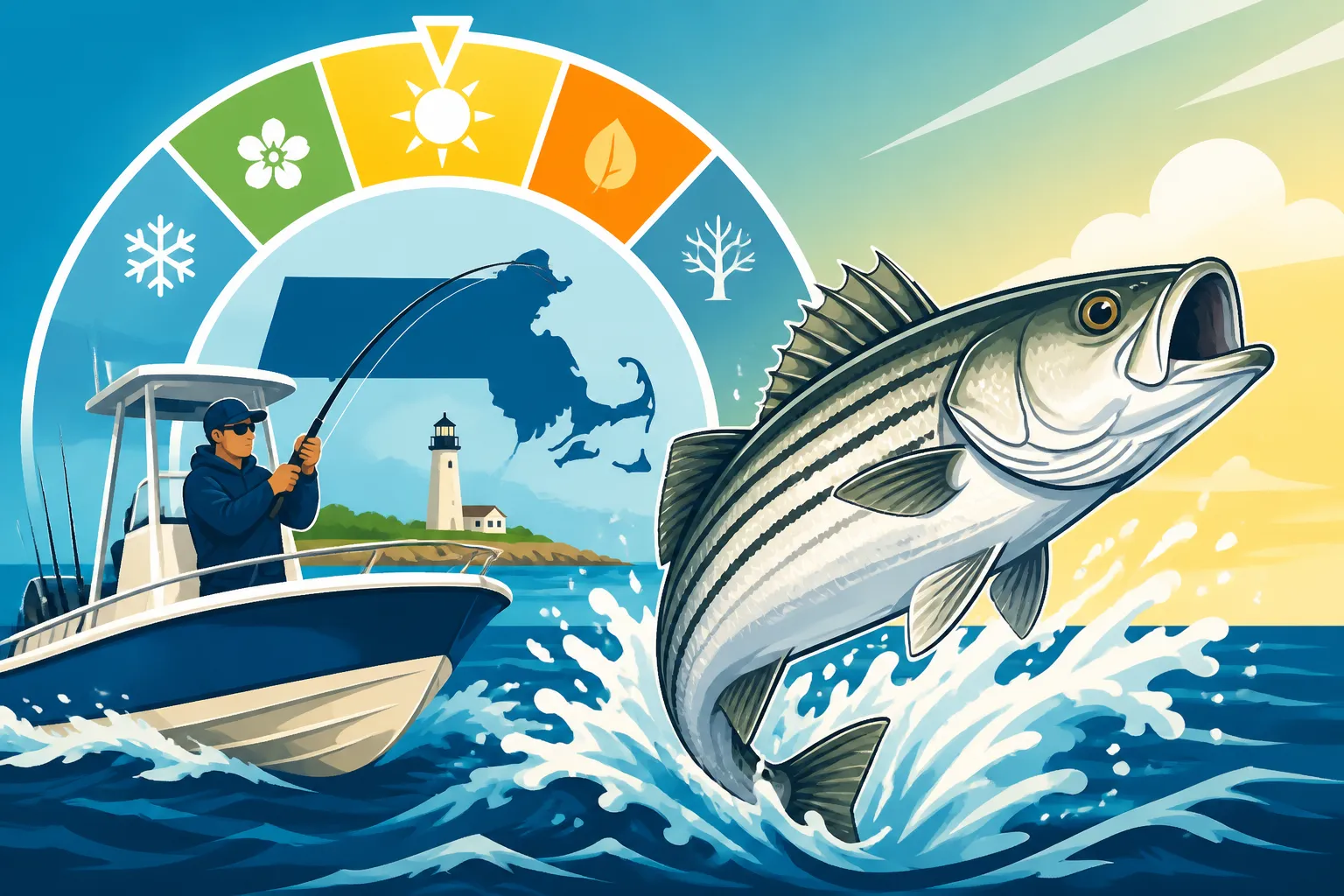
Massachusetts is renowned for its incredible striped bass fishery. These migratory powerhouses make their way into our waters each year, providing anglers with fantastic opportunities from spring through fall. However, the season isn't a static entity; it's a dynamic period influenced by water temperatures, baitfish movements, and the bass's own lifecycle. Knowing the general rhythm of their arrival, peak presence, and departure is key to planning a successful charter.
The Spring Migration and Early Action
The first signs of striped bass typically appear in Massachusetts waters in April, though consistent fishing usually kicks off in May. This is the period when the smaller, "schoolie" bass arrive, often followed by larger fish making their way north from their spawning grounds. Think of it as the awakening – the waters are still cool, and the bass are hungry after their long journey.
During these initial weeks, the fishing can be fantastic, especially in tidal rivers and estuaries where baitfish are abundant. You might not be battling the absolute giants of the fall run, but the sheer numbers of eager striped bass can make for an incredibly fun and action-packed trip. Charters in May often focus on light tackle action, offering plenty of strikes and a great way to shake off the winter rust. It's a fantastic time for anglers who prioritize consistent hook-ups and the joy of a bending rod, even if the fish aren't always massive. This is a time when understanding When striped bass season starts in Massachusetts can really pay off for early birds.
Peak Summer Action
As June rolls around, the striped bass population in Massachusetts waters swells, and by July and August, they are firmly established. This is what many consider the "prime time" for striped bass fishing. The waters are warmer, baitfish schools like mackerel, herring, and menhaden are plentiful, and the bass are actively feeding across a wider range of habitats, from shallow estuaries to offshore rips and structure.
During the summer months, you'll find charters employing a variety of techniques – from live baiting with mackerel to casting artificial lures and trolling. The opportunity to catch larger, "cow" bass is certainly present, especially in deeper waters and around current-swept areas like the Cape Cod Canal. However, summer also brings with it increased boat traffic and sometimes more challenging daytime conditions as the sun beats down. Early morning and late evening trips become particularly popular as bass can be more active in cooler light. For those wondering How to Catch Striped Bass in Massachusetts, the summer offers a full menu of techniques.
The Fall Run Frenzy
If you're chasing truly massive striped bass and don't mind cooler weather, the fall run in September and October is often the stuff of legend. As water temperatures begin to drop, striped bass sense the impending winter migration south and go on a feeding frenzy to build up reserves. This period sees huge schools of baitfish, often driven by predators, creating spectacular surface feeds known as "blitzes."
Charters during the fall run can be incredibly productive for trophy-sized fish. The bass are aggressive, powerful, and often gathered in dense schools. The sight of gulls diving and bass crashing on bait is an unforgettable experience. Weather can be more unpredictable in the fall, with crisp, clear days interspersed with brisk winds and cooler temperatures. However, for many seasoned anglers, the chance to tie into a monster striper makes it all worthwhile. This is a crucial time to pay attention to Massachusetts Recreational Fishing Rules and Bag Limits as you might find yourself with multiple opportunities to land a keeper.
Key Factors Influencing Your "Best" Month Choice
While the general flow of the striped bass season gives you a roadmap, several specific factors can weigh heavily on what makes a particular month "best" for your charter experience. It's not just about when the fish are here; it's about how they're here, who else is here, and what the conditions are like.
Water Temperature and Baitfish Availability
The life of a striped bass revolves around water temperature and the presence of their food source. Cooler waters in spring (May, early June) mean bass are often found in shallower, warming areas like harbors, rivers, and flats, feeding on smaller baitfish like sand eels, silversides, and river herring. As the water warms in summer (July, August), mackerel become a primary target, drawing bass out to deeper rips and offshore structures. The large schools of menhaden (pogies) also arrive, bringing with them some of the largest bass of the season, often close to shore.
The fall (September, October) sees the ultimate convergence. As baitfish like mackerel, menhaden, and even squid begin their own migrations, striped bass aggressively pursue them. This makes the fishing highly visual and explosive, particularly along the outer Cape and islands. A good charter captain will always be tracking these patterns, which is why platforms like FishingBooker often include captain notes about recent catches and bait conditions.
Weather Patterns and Sea Conditions
Massachusetts weather is famously fickle, and sea conditions can swing wildly within a short period. This is a significant consideration when booking a charter.
- Spring (May): Can be cool and damp, with occasional windy days. Seas are generally calmer in protected inshore waters.
- Early Summer (June): Often stable and pleasant. Less chance of intense heat or major storms. Can offer some of the most comfortable fishing conditions.
- Mid-Summer (July, August): Hot and humid days are common, but often with light winds in the morning. Afternoon thunderstorms can develop. Offshore trips can face larger swells, especially during and after frontal passages.
- Fall (September, October): Can be glorious with crisp, clear days, but also prone to strong nor'easters and rapidly changing conditions. Offshore swells can be significant. However, a calm fall day offers some of the most beautiful fishing scenery. Always check the marine forecast before your trip, and trust your captain's judgment on safety.
Angler Crowds and Charter Availability
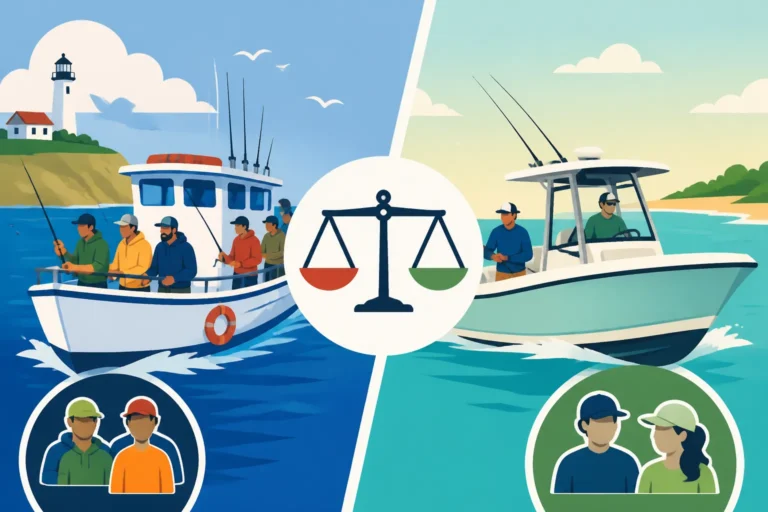
Let's be real: everyone wants to catch striped bass. This means certain times of the year, particularly summer weekends, can get crowded.
- May/Early June: Generally less crowded than peak summer. Charters might have more availability, and you'll share the water with fewer boats. This can lead to a more relaxed experience.
- July/August: Peak season, especially around popular destinations like Cape Cod, Boston Harbor, and the North Shore. Charters book up fast, often months in advance. Expect more competition at prime fishing spots. If you're looking for a specific captain or boat, booking early is absolutely essential.
- September/October: Crowds thin out significantly after Labor Day, making for a more peaceful experience even during the famed fall run. Weekends can still be busy, but weekdays are often much calmer.
If you hate crowds, leaning towards late spring or early fall might be your best bet. If you're set on a specific summer date, make sure to book your Cape Cod Fishing Charters Guide for Massachusetts Anglers well in advance, and don't forget to check out Massachusetts Fishing Charter Costs when comparing options.
A Month-by-Month Breakdown for Striped Bass Charters
To help you visualize your ideal trip, let's break down what each prime month typically offers for a Massachusetts striped bass charter.
| Month | Typical Conditions | Striped Bass Action | Pros | Cons |
|---|---|---|---|---|
| May | Cool to mild, water warming, less stable weather | Early arrivals, mostly schoolies, increasing numbers | Less crowded, active fish, light tackle fun | Smaller fish on average, cooler weather, fewer giants |
| June | Mild to warm, stable, increasing baitfish | Good numbers, larger fish appearing, diverse techniques | Excellent overall balance, comfortable weather | Can start to get crowded, fish dispersing |
| July | Warm to hot, good baitfish schools, consistent | Peak numbers, trophy fish possible, varied techniques | Consistent action, big fish opportunities | High crowds, hotter days, afternoon storm potential |
| August | Warm to hot, abundant baitfish, consistent | Strong action, often largest resident fish, good for live bait | Excellent for big fish, reliable bait supplies | Very crowded, very hot, can be slower midday |
| September | Mild to cool, fall run begins, baitfish schools | Aggressive feeding, excellent for trophy fish, blitzes | Trophy potential, less crowded post-Labor Day | Unpredictable weather, shorter days |
| October | Cool, fall run peaks, last chance for giants | Epic feeding frenzies, last chance at large migratory bass | Best chance for giants, very aggressive fish | Coldest weather, most unpredictable seas, short season |
May: The Awakening
May is for the eager beaver, the angler who can't wait to feel a striper pull. You'll find active schoolie bass, with increasing numbers of larger fish filtering in as the month progresses. The water is still cool, so the bass are often found in shallow estuaries and around river mouths, where the water warms faster and baitfish congregate. It’s a great month for consistent light-tackle action, with many fish in the 20-30 inch range.
Consider May if: You love the thrill of frequent hook-ups, prefer less crowded waters, and enjoy a more relaxed pace. It’s an excellent choice for a family outing or beginners, as the action can be steady. You might consider a Boston Fishing Charters Guide, Massachusetts trip focused on the harbor or inshore areas.
June: The Prime Time Build-Up
June offers a fantastic balance. The weather is generally beautiful and stable, the water is warming, and larger striped bass are moving in with conviction. Baitfish like mackerel start to become more prevalent, and charters can begin to target bigger fish using various methods. This is often when the fishing at places like the Cape Cod Canal really starts to heat up, making it a popular choice for those booking a Cape Cod Canal Fishing Guides in Massachusetts trip.
Consider June if: You want comfortable weather, a good shot at larger fish, and still want to avoid the absolute peak summer crowds. It’s a versatile month where you can experience a wide range of striper fishing techniques.
July & August: Summer Heat and Action
These are the peak summer months, and for good reason: the bass are here in force. While it can be hot and crowded, the fishing can be exceptionally good. Big schools of mackerel and menhaden draw in large striped bass, and charters often run multiple trips a day. This is the time when you have a strong chance at a true trophy fish, especially on live bait. Expect intense competition for prime spots, but also expect some incredible fishing stories. If you're heading out of Boston, you might be looking at Best Places to Fish in Boston Harbor, Massachusetts which can be bustling.
Consider July or August if: You're committed to chasing that monster striper, don't mind the heat, and are willing to deal with higher boat traffic. Booking well in advance is critical. Many anglers find the best fishing during these months in the early morning or late evening.
September & October: The Grand Finale
For many hardcore striper anglers, the fall run is the time. As mentioned, bass are aggressively feeding before their migration. September often brings stable weather and truly epic blitzes on baitfish. October can be more unpredictable with weather but offers the last chance at the biggest, fattest bass of the year. The crowds thin out after Labor Day, creating a more serene yet action-packed experience.
Consider September or October if: Your primary goal is a trophy striped bass, you appreciate cooler temperatures, and you don't mind potentially rougher seas on some days. This is a magical time to be on the water, especially if you can swing a weekday trip. For specific insights, check out Best Time of Year to Fish in Massachusetts for a broader perspective on all species.
Choosing Your Ideal Month: Balancing Expectations
Ultimately, the "best" month for your Massachusetts striped bass charter comes down to what you prioritize.
- For consistent action and fewer crowds: Aim for May or early June. You'll get plenty of bites, enjoyable weather, and a more relaxed atmosphere. It's fantastic for families or less experienced anglers.
- For the thrill of big fish and peak season buzz: Opt for July or August. Be prepared for warmer weather, more company on the water, and ensure you book early, potentially through a service like FishingBooker, to secure your spot.
- For trophy hunting and intense feeding frenzies: Target September or early October. This is when the largest bass are often most active and accessible, though you'll need to be flexible with weather and prepared for cooler conditions. This is the time when a dedicated Massachusetts Striped Bass Charters might really focus on the larger fish.
Tips for Booking a Striped Bass Charter
Once you've narrowed down your ideal month, here are a few practical tips to ensure a smooth booking process:
- Book Early, Especially for Peak Season: The best captains and boats fill their calendars quickly, particularly for summer weekends. Don't wait until the last minute! Using platforms like FishingBooker can help you see availability across multiple charters.
- Communicate Your Goals: When you contact a charter, be clear about what you hope to achieve. Are you looking for a trophy? Lots of action? A family-friendly experience? This helps the captain tailor the trip.
- Understand Inclusions and Exclusions: Most charters provide all necessary fishing gear, bait, and tackle. However, confirm what's included and what you might need to bring, such as food, drinks, sunscreen, or rain gear. This also applies to understanding if a Massachusetts Saltwater Recreational Fishing Permit Explained is included, or if you need to acquire it beforehand. Typically, charter passengers are covered under the boat's permit, but it's always good to confirm.
- Ask About Cancellation Policies: Massachusetts weather can be unpredictable. Understand the charter's policy regarding weather-related cancellations and rescheduling.
- Consider Weekdays: If your schedule allows, booking a weekday trip will almost always mean fewer crowds and potentially more availability with popular captains.
No matter which month you choose, fishing for striped bass in Massachusetts is an unforgettable experience. With a little planning and realistic expectations, you're sure to have a charter trip that's "best" in every way that matters to you.
Disclaimer
This article is for general informational purposes only and does not constitute professional advice. Laws, prices and regulations vary by location and change over time. Consult a qualified professional for guidance on your specific situation.