Massachusetts saltwater permit cost for anglers under 60
It can feel like a real puzzle trying to figure out all the different licenses and permits you need to go fishing in Massachusetts, especially when it comes to separating freshwater from saltwater, and then factoring in age and residency. Many anglers under 60 often find themselves wondering exactly what they're expected to pay for a saltwater permit. This guide is here to clear up all that confusion, giving you a comprehensive breakdown of the costs involved so you can hit the beautiful Massachusetts coastlines worry-free.
Understanding the Massachusetts Saltwater Recreational Fishing Permit
First things first, let's talk about what this permit actually is and why we even need it. It's not just another hoop to jump through; it's a vital part of keeping our rich marine ecosystems healthy and sustainable for generations to come.
Why the Saltwater Permit Exists
The Massachusetts saltwater recreational fishing permit, often just called the "saltwater permit," is more than just a piece of paper or a digital record. It's a tool for conservation. The fees collected from these permits directly support marine fisheries management, research, and conservation efforts here in Massachusetts. This includes things like monitoring fish populations, protecting crucial habitats, and enforcing regulations that ensure there are fish for everyone to catch in the future. Without these funds, the marine resources we all enjoy would quickly diminish. It also helps the state collect vital data on angler participation, which is crucial for federal reporting and managing our coastal fisheries effectively.
Who Needs a Saltwater Permit
This is where the "under 60" part really comes into play. In Massachusetts, all recreational anglers aged 16 and older need a saltwater fishing permit to fish in the marine waters of the Commonwealth, unless specifically exempted. The key exemption that often causes confusion is for senior anglers: Massachusetts residents aged 60 and over are exempt from paying the fee for the saltwater permit, though they still need to obtain one. So, if you're a resident or non-resident angler between the ages of 16 and 59, you absolutely need to purchase this permit to fish legally.
This requirement applies whether you're casting lines from a pier in Boston Harbor, fishing from a boat in Buzzards Bay, jigging for stripers from the beaches of Cape Cod, or exploring the Nantucket Sound and Martha's Vineyard Fishing Areas in Massachusetts. Even if you're just catch-and-release fishing, the permit is still mandatory. It’s all about participation and ensuring everyone contributes to the health of the fishery.
Freshwater vs. Saltwater: A Common Confusion
One of the biggest sources of confusion for anglers, especially those new to Massachusetts or transitioning between different types of fishing, is understanding the difference between freshwater and saltwater licenses. Many folks assume one covers both, or that if they have one, they don't need the other. Unfortunately, that's not the case here in the Commonwealth.
Massachusetts operates with two distinct licensing systems: one for freshwater fishing and one for saltwater recreational fishing. A Massachusetts Freshwater Fishing License Costs and Rules will only allow you to fish in inland ponds, lakes, and rivers like the Connecticut River or Walden Pond. It will not permit you to fish in the ocean, estuaries, or tidal rivers. Conversely, the Massachusetts Saltwater Recreational Fishing Permit Explained is strictly for marine waters. If your fishing plans include both environments, you'll need both permits. This distinction is crucial for understanding your total costs and ensuring you're compliant no matter where you cast your line.
Breaking Down the Costs for Anglers Under 60
Now that we've clarified who needs the permit, let's dive into the nitty-gritty of what you can expect to pay if you're an angler under the age of 60. The costs can vary slightly based on your residency status, and there are a couple of additional components beyond just the base permit fee that you'll need to factor in.
The Standard Resident Saltwater Permit Fee
For Massachusetts residents who are between the ages of 16 and 59, the cost for an annual saltwater recreational fishing permit is quite straightforward. As of recent information, the base fee for a resident saltwater permit is $10.00. This fee covers you for the entire calendar year, regardless of when you purchase it. It's important to remember that this permit typically expires on December 31st of the year it's purchased, so planning your Massachusetts Fishing License Renewal Guide accordingly is a good idea.
This fee is relatively modest, especially when you consider the extensive coastline and diverse marine fisheries Massachusetts offers, from catching striped bass in the Cape Cod Canal to fluke fishing off the South Shore. It represents your contribution to sustaining these valuable resources, ensuring that programs for stock assessment, habitat protection, and enforcement can continue to operate.
Nonresident Saltwater Permit Costs
If you're visiting Massachusetts from out-of-state and plan to enjoy our incredible saltwater fishing, you'll also need a permit. For nonresidents between the ages of 16 and 59, the cost for an annual saltwater permit is $10.00. Yes, that's right – the fee is the same as for residents! This is a refreshing change compared to some other states where nonresident fees can be significantly higher. This makes Massachusetts a very welcoming destination for out-of-state anglers.
Unfortunately, for saltwater fishing specifically, Massachusetts does not offer short-term or 3-day nonresident options. Unlike freshwater licenses where a Short-Term Massachusetts Fishing License Options might be available, the saltwater permit is an annual purchase for both residents and nonresidents. So, whether you're here for a weekend or the whole summer, the annual $10.00 permit is what you'll need. This simplifies things but can be a small point of frustration for visitors only planning a very short trip.
Additional Fees and the Wildlands Conservation Stamp
Beyond the base permit fee, there are a couple of other costs that often catch anglers by surprise, especially if they're not familiar with the Massachusetts licensing system. These are crucial to factor into your total expected expense.
Firstly, when purchasing your permit, particularly online or through many vendors, you'll encounter a processing fee. This fee typically covers the administrative costs associated with issuing and maintaining the licensing system. While not exorbitant, it's an added cost. For online purchases through the MassFishHunt system, this convenience fee is usually around $1.50 to $2.00. This is pretty standard for online transactions these days, and it helps keep the online purchasing portal running smoothly.
Secondly, and perhaps the most significant additional cost for many, is the Wildlands Conservation Stamp. This stamp is a mandatory purchase for most individuals aged 18 and older who are buying any Massachusetts fishing or hunting license or permit, including the saltwater permit. The Massachusetts Wildlands Conservation Stamp currently costs $5.00. This stamp is only purchased once per calendar year, regardless of how many licenses or permits you buy. So, if you're also getting a freshwater license, you only pay for the stamp once. The funds from this stamp directly benefit the Wildlands Fund, which is used to acquire and manage critical wildlife habitat and public access lands.
So, when you add it all up for an angler under 60:
- Resident Saltwater Permit: $10.00
- Nonresident Saltwater Permit: $10.00
- Wildlands Conservation Stamp (if applicable): $5.00
- Processing Fee: ~$1.50 – $2.00
This means a resident angler under 60 will typically pay around $16.50 – $17.00 for their annual saltwater permit, assuming they haven't already purchased a Wildlands Stamp with another license. A nonresident angler under 60 would pay a similar amount. It's a small price for the vast opportunities available for Massachusetts Fishing.
How and Where to Purchase Your Saltwater Permit
Once you know the costs, the next step is actually getting your hands on that permit. Thankfully, Massachusetts has made the process fairly accessible, with both online and in-person options. Choosing the right method often comes down to convenience and personal preference.
Buying Online Through MassFishHunt
For most anglers, the easiest and quickest way to purchase your Massachusetts saltwater permit is online through the MassFishHunt licensing system. This platform is managed by the Massachusetts Division of Fisheries and Wildlife (MassWildlife) and is incredibly user-friendly. You can access it 24/7 from the comfort of your own home, which is perfect for those last-minute fishing trip decisions.
To purchase your permit online, you'll need to visit the official MassFishHunt website. If you're a returning user, you can simply log in with your customer ID and date of birth. New users will need to create an account, which involves providing some basic personal information. The process for a MassFishHunt account setup guide is straightforward and walks you through each step. Once logged in, navigate to the "Buy Licenses and Permits" section, select the "Saltwater Recreational Fishing Permit," and proceed to checkout. The system will automatically add the Wildlands Conservation Stamp and any applicable processing fees if you haven't already purchased them for the current year. Payment is typically made via credit or debit card. This method also allows you to immediately print your permit at home or save a digital copy to your phone, which satisfies the requirement for Carrying Proof of Your Massachusetts Fishing License.
In-Person Vendor Locations
While online is often the most convenient, some anglers prefer the traditional method of buying their permit in person, or simply need to pick up some bait and tackle at the same time. Massachusetts offers numerous vendor locations across the state where you can purchase your saltwater permit.
These vendors typically include:
- Sporting Goods Stores: Larger retailers like Bass Pro Shops or local independent fishing tackle shops often sell permits. This is a great option because you can also stock up on gear, bait, and get some local tips.
- Town Clerks' Offices: In many towns and cities, the town clerk's office is authorized to issue fishing permits. It's a good idea to call ahead to confirm their hours and services.
- MassWildlife Offices: You can also visit one of the MassWildlife district offices during business hours to purchase a permit.
When purchasing in person, you'll need to bring a valid form of identification (like a driver's license) and be prepared to pay the exact fee, including the Wildlands Conservation Stamp and any local vendor fees. Many of these locations can instantly print your permit for you. For a complete list of places, check out the official MassWildlife website or search for Massachusetts Fishing License Vendor Locations near you.
What to Do After Purchase
Once you've successfully purchased your Massachusetts saltwater permit, whether online or in person, there are a few important things to keep in mind.
First and foremost, you need to carry proof of your permit whenever you are fishing. This means either a physical copy of the permit (printed from home or provided by a vendor) or a digital copy displayed on your smartphone. Enforcement officers routinely check for permits, and not having it on you can lead to penalties. I've heard stories of anglers who've had their permits but left them in the car, leading to unnecessary headaches. Don't let that be you!
Secondly, be aware of the expiration date. As mentioned, the annual saltwater permit generally expires on December 31st of the year it was issued, regardless of when you bought it. This means if you buy your permit in November, it will still expire at the end of December. There's no pro-rating. Keep an eye on the calendar, especially as the year winds down, to avoid inadvertently fishing without a valid permit in the new year. A quick search for When a Massachusetts saltwater permit expires each year can give you the current year's specifics.
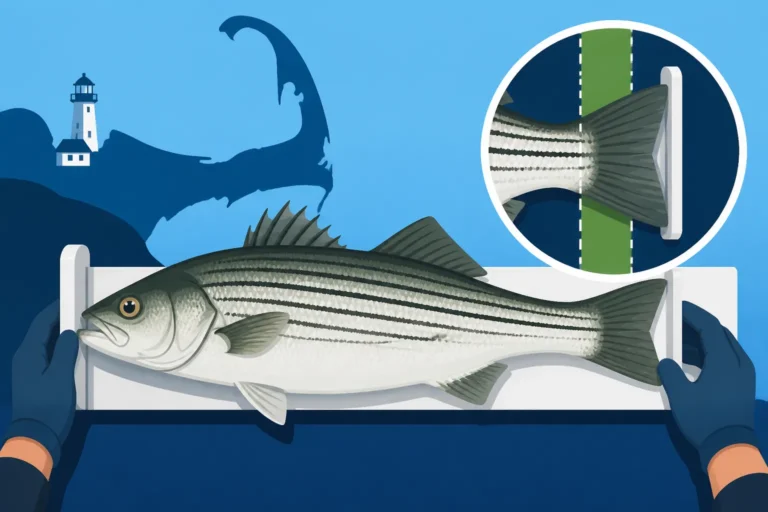
Lastly, familiarize yourself with the Massachusetts Recreational Fishing Rules and Bag Limits for the species you plan to target. Your permit allows you to fish, but there are still rules about what you can keep, how many, and minimum sizes. Being a responsible angler means understanding and following all regulations, not just having the right permit.
Common Questions and Misconceptions About Saltwater Permit Costs
It's natural to have questions, and the world of fishing regulations can often lead to misunderstandings. Let's tackle some of the most common queries and clear up any lingering confusion about Massachusetts saltwater permit costs for anglers under 60.
Are There Short-Term Saltwater Permit Options for Visitors?
This is a question that comes up frequently, especially for tourists or those visiting Massachusetts for a quick fishing getaway. Unfortunately, for saltwater recreational fishing, Massachusetts does not offer short-term permits (like 3-day or 7-day options) for either residents or nonresidents.
If you're an angler aged 16 to 59, whether you're a resident or from out-of-state, your only option is to purchase the annual saltwater permit, which costs $10.00 (plus the Wildlands Conservation Stamp and processing fees, if applicable). This can be a bit of a bummer for someone just planning to fish for a single weekend, as the cost is the same as for someone who fishes all year. However, the consistent pricing simplifies the system and still represents a good value given the extensive fishing opportunities available throughout the entire year. So, if you're a nonresident planning a trip, be prepared for the annual Massachusetts Fishing License for Nonresidents cost, even for a short stay.
What About Fishing Charters and Party Boats?
Another common misconception revolves around guided fishing trips. Many people assume that if they're on a licensed charter boat or a party boat, the captain's license covers everyone on board, meaning individual anglers don't need their own permit. This is generally not true for individual anglers.
In Massachusetts, if you are aged 16 to 59, you are required to have your own individual Massachusetts saltwater recreational fishing permit, even if you are fishing from a for-hire vessel like a charter boat or a head boat (party boat). The captain's license covers the vessel and its commercial operations, but it does not exempt individual anglers from their personal permit requirement. So, if you're planning a fun day out on a Cape Cod Fishing Charters Guide for Massachusetts Anglers or a party boat out of Gloucester, make sure you've purchased your own permit beforehand. Most reputable charter captains will remind their clients of this requirement, but ultimately, it's the angler's responsibility to be compliant.
Penalties for Fishing Without a Permit
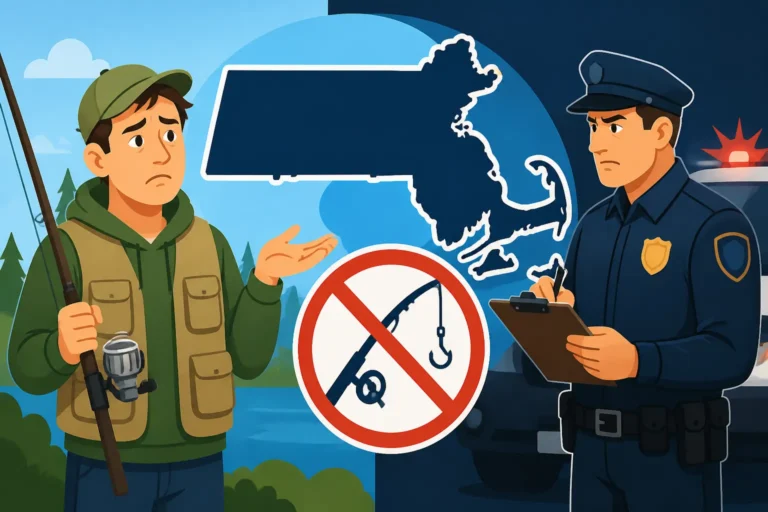
While this guide focuses on the cost of obtaining a permit, it's essential to briefly touch upon the repercussions of not having one. Anglers sometimes consider skipping the permit, especially for what seems like a low-stakes outing. However, the penalties for fishing without the required Massachusetts saltwater permit can be significant and are certainly more expensive than the permit itself.
Fishing without a valid permit is a violation of state law. If caught, you could face fines, which can range from a warning for a first offense up to several hundred dollars for repeat violations. Enforcement officers from the Massachusetts Environmental Police patrol coastal areas by land and sea, and they do check for permits. It's simply not worth the risk. Imagine being on a great fishing trip, only to have it ruined by a hefty fine. The small upfront cost of the permit is a far better investment than facing the Penalties for Fishing Without a License in Massachusetts. So, just get the permit! It's cheap, easy, and supports the very resources you love to fish.
Here's a quick summary table to help you visualize the typical costs:
| Permit Type | Angler Age | Residency | Base Cost | Wildlands Stamp (if needed) | Online Processing Fee (approx.) | Total Estimated Cost |
|---|---|---|---|---|---|---|
| Saltwater Recreational Fishing Permit | 16-59 | MA Resident | $10.00 | $5.00 | $1.50 – $2.00 | $16.50 – $17.00 |
| Saltwater Recreational Fishing Permit | 16-59 | Nonresident | $10.00 | $5.00 | $1.50 – $2.00 | $16.50 – $17.00 |
| Saltwater Recreational Fishing Permit | 60+ | MA Resident | $0.00 | $5.00 | $1.50 – $2.00 | $6.50 – $7.00 |
| Saltwater Recreational Fishing Permit | Under 16 | Any | $0.00 | $0.00 | $0.00 | $0.00 |
Remember, the Wildlands Conservation Stamp is a one-time annual purchase. If you already bought it with a freshwater license, you won't pay it again for your saltwater permit. Similarly, the processing fee might be slightly lower if bundled with other purchases, but it's generally applied per transaction. You can even find some useful fishing accessories or guides on Amazon if you're looking to prepare for your trip once your permit is secured!
Disclaimer
Please note that fishing regulations, including permit costs, can change. While every effort has been made to provide accurate and up-to-date information, it is always the angler's responsibility to verify the most current regulations with the Massachusetts Division of Fisheries and Wildlife (MassWildlife) before heading out.