Massachusetts recreational cod fishing rules
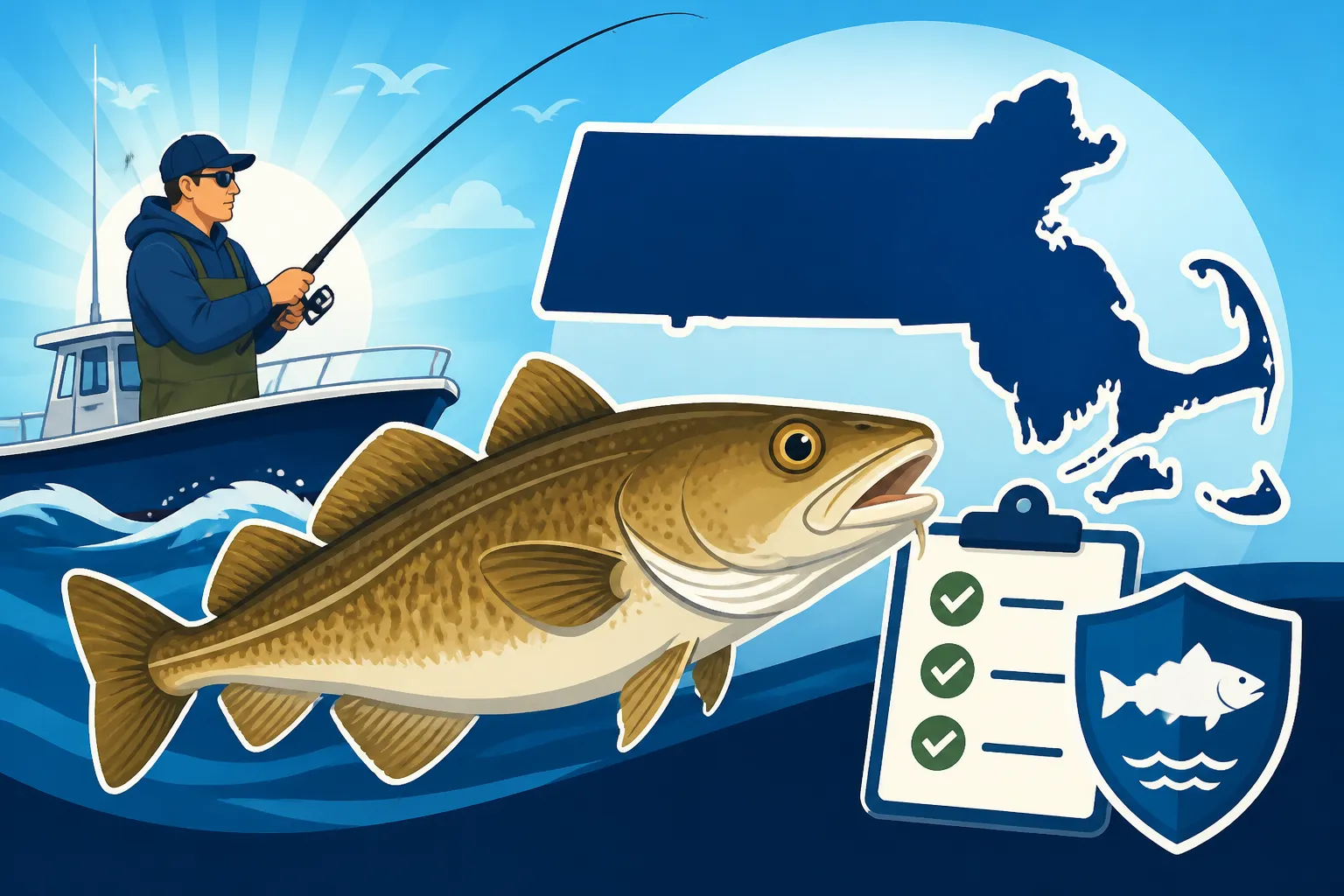
Catching cod in Massachusetts waters, especially in recent years, has become a real challenge for recreational anglers. It's not just about finding the fish anymore; it's about navigating a dense thicket of ever-changing rules, seasons that feel impossibly short, and bag limits that can be downright disheartening. If you've been scratching your head trying to figure out what's allowed and what's not, you're certainly not alone. This guide is here to break down the current Massachusetts recreational cod fishing rules, explain the reasons behind them, and help you understand how to stay compliant while still enjoying your time on the water.
Understanding the Current State of Massachusetts Cod Fisheries
For generations, Atlantic cod was a cornerstone of Massachusetts fishing, both commercially and recreationally. You could almost always count on catching a few for dinner. However, times have dramatically changed, and the cod populations, particularly in the Gulf of Maine, have faced a steep decline. This isn't just a minor blip; it's a serious conservation crisis that has led to some of the most stringent fishing regulations we've ever seen.
Historical Context and Decline
If you talk to any long-time New England angler, they'll tell you stories of abundant cod, easily caught from shore or boat. Codfish were so plentiful they shaped our coastal towns, fed our families, and formed the backbone of our maritime economy. Unfortunately, decades of overfishing, coupled with environmental changes, took a heavy toll. By the early 2000s, scientists were ringing alarm bells, indicating that cod stocks were dangerously low, especially in the Gulf of Maine.
This wasn't an easy pill to swallow for anyone who loves fishing. It meant tough choices had to be made by fisheries managers to try and give these iconic fish a chance to rebound. The science has been clear: without significant reductions in fishing pressure, the future of cod in our waters looked bleak. This historical context is vital for understanding why the regulations feel so restrictive today. It’s not just about making things difficult for anglers; it's a desperate measure to prevent the complete collapse of a once-thriving fishery.
The Need for Strict Regulations
The current regulations are a direct response to the critically low cod stock assessments. Fisheries scientists from institutions like NOAA Fisheries conduct extensive research to estimate fish populations. When those numbers show a species is "overfished" or "undergoing overfishing," management bodies are mandated to implement measures to rebuild the stock. For cod, this has translated into very short seasons, extremely low bag limits, and minimum size restrictions designed to protect spawning fish and allow younger fish to mature.
These rules apply to everyone, from the seasoned commercial trawler to the weekend recreational angler dropping a line off a pier. While it might seem unfair that a recreational angler's single fish contributes to a large-scale problem, every fish counts when a stock is in such dire straits. The goal is to reduce mortality across the board, giving cod the best possible chance to reproduce and increase their numbers for future generations. It’s a collective effort, and compliance from every angler is crucial for these conservation efforts to succeed.
Navigating Massachusetts Recreational Cod Fishing Regulations
Keeping up with Massachusetts fishing rules can feel like a full-time job. They change, sometimes annually, and often vary between species, gear types, and even types of vessels. When it comes to recreational cod fishing, the regulations are particularly strict and have specific windows of opportunity.
Mandatory Saltwater Permit
Before you even think about dropping a line for cod or any other saltwater species, you absolutely need a Massachusetts saltwater recreational fishing permit. This isn't optional, and it's your basic entry ticket to all the amazing coastal fishing opportunities our state offers. You can easily obtain this permit online through the MassFishHunt system, or you can visit a local vendor. Remember, this permit is separate from any freshwater licenses you might hold, and you'll want to ensure you always have proof of it on hand while fishing. It's a small fee that goes a long way towards funding fisheries management and conservation efforts in the Commonwealth. If you're wondering about the specifics, our guide on the Massachusetts Saltwater Recreational Fishing Permit Explained offers a comprehensive breakdown.
Recreational Bag and Size Limits
This is where things get very specific and, for many anglers, quite challenging. For private recreational anglers (those fishing from their own boats or from shore), the current regulations for Atlantic cod in Massachusetts are as follows:
- Season: Open only from September 1 through September 30. This is a very short window, just one month out of the year.
- Bag Limit: One (1) fish per person per day. Yes, you read that right – just one cod.
- Minimum Size Limit: 21 inches. Any cod you catch must measure at least 21 inches from the tip of its snout to the end of its tail (with the tail compressed) to be legally kept.
These limits are set to allow minimal take while providing some recreational opportunity. It’s a delicate balance. For those fishing on for-hire vessels (like charters and headboats), the season is slightly different, running from September 15 through October 7, but the bag limit and minimum size remain the same: one fish at 21 inches or larger. This distinction between private and for-hire vessels is important, so always confirm the rules for your specific fishing situation. It’s crucial to understand these rules, as penalties for violations can be significant. Our article on Massachusetts Recreational Fishing Rules and Bag Limits provides more general context on various species.
Here's a quick reference table for clarity:
| Category | Season | Bag Limit (per person/day) | Minimum Size Limit |
|---|---|---|---|
| Private Anglers | Sept 1 – Sept 30 | 1 cod | 21 inches |
| For-Hire Vessels | Sept 15 – Oct 7 | 1 cod | 21 inches |
Remember, these are the rules as of recent updates. Always consult the official Massachusetts Division of Marine Fisheries (DMF) website or their physical regulations pamphlet for the absolute latest information, as rules can change.
Seasonality and Open/Closed Areas
Beyond the specific one-month season for private recreational anglers and the slightly different window for for-hire vessels, there are generally no specific "closed areas" for recreational cod fishing in Massachusetts unless they are part of broader habitat protection or research closures that might temporarily affect all fishing. However, the very short season effectively creates a "closed period" for most of the year.
The brief September season is specifically designed to coincide with times when cod might be more available but before major spawning aggregations, while still keeping overall harvest very low. Anglers often find that cod show up more reliably in certain areas during different times of the year, but regardless of where or when you find the fish, you can only legally keep them within that very narrow September window. This makes targeting cod a real game of chance, requiring anglers to plan their trips meticulously to align with the open season. For more general seasonal information, you might want to check out our guide on Massachusetts Fishing Seasons Explained.
Essential Gear and Best Practices for Cod Anglers
Even with restrictive regulations, fishing for cod is still a rewarding experience, especially if you manage to land that elusive keeper. Having the right gear and adopting best practices can significantly improve your chances and ensure you're fishing responsibly.
Recommended Tackle and Bait
When you're out chasing cod, especially in deeper waters or areas with strong currents, you'll want robust gear. A medium-heavy to heavy conventional rod paired with a durable reel spooled with 30-50 lb braided line is a good starting point. Cod are often found near rocky bottoms and wrecks, so you'll need tackle that can handle potential snags and the powerful pull of a decent-sized fish.
For terminal tackle, jigs are a classic cod killer. Diamond jigs, flutter jigs, and heavy-duty Norwegian jigs ranging from 8 to 16 ounces (or even heavier depending on depth and current) are popular choices. You can often find a great selection of these on platforms like Amazon. Pair your jigs with a teaser fly or a baited hook above for added appeal. Bait fishing is also highly effective; fresh clams, squid, and mackerel strips are all excellent choices. You'll need appropriate sinkers (often 8-16 oz or more) to get your bait down to the bottom where cod typically feed. A quality fish finder can also be invaluable for locating underwater structure where cod congregate.
Ethical Angling and Conservation
Given the precarious state of cod stocks, ethical angling and conservation practices are paramount. Even though you might only be keeping one fish, every effort to minimize stress and injury to released fish makes a difference.
- Handle Fish Carefully: If you catch a cod that's undersized or you've already met your bag limit, handle it as little as possible. Use a dehooking tool to remove the hook quickly.
- Minimize Air Exposure: Keep the fish in the water as much as you can. If you need to bring it on board for a quick measurement, do so swiftly and return it gently to the water.
- Ventilation or Descending Devices: If you're fishing in deeper water and a cod shows signs of barotrauma (swollen stomach, bulging eyes from rapid pressure change), consider using a descending device to help it return to depth. Alternatively, some experienced anglers use a venting tool to carefully release gas from the swim bladder, though this should only be done by those who know how to do it correctly to avoid further injury.
- Know Your Limits: Don't just try to catch and release dozens of cod if you know they're stressed. Focus on the one keeper, and then perhaps switch to another species if the cod bite is hot.
These practices aren't just about following the rules; they're about being a responsible steward of our marine resources and contributing to the recovery of this vital species.
Planning Your Cod Fishing Trip
Even with the restrictions, a dedicated trip for cod can be incredibly rewarding. Planning ahead is key to maximizing your chances during the short open season.
Best Times and Locations
During the brief September season, you'll want to focus your efforts where cod are known to congregate. Historically, areas around Cape Ann, Stellwagen Bank, and deeper ledges and wrecks off Cape Cod have been prime cod habitat. Places like Jeffreys Ledge, east of Gloucester, or some of the deeper water out of Barnstable Harbor can hold fish. For anglers looking at shore opportunities, piers and jetties that provide access to deeper, rocky bottoms can sometimes yield cod, though boat fishing is generally more productive for this species. Our guide on Best Saltwater Fishing Spots on Cape Cod, Massachusetts offers insights into general areas, and specific offshore charts will pinpoint ledges and wrecks.
The "best time" is really whenever you can get out during that September window. However, many experienced cod anglers pay close attention to tides, often preferring slack tide or the beginning/end of a strong current when fish might be more actively feeding or less affected by the drift. Early mornings or late afternoons are often productive across many species, and cod are no exception. For specific strategies, our article on How to Catch Cod Off Massachusetts in Winter has relevant tips, though the season for recreational cod is now just in fall. Similarly, if you're targeting the North Shore, our article on the Best time of year for cod fishing near Gloucester can provide additional context.
Considering a Charter or Guide
Given the short season and the need for specific knowledge about cod locations and techniques, many recreational anglers opt for a for-hire vessel. Booking a spot on a headboat or a private charter can significantly increase your chances of landing that coveted single cod. These vessels have experienced captains who know the local waters, understand the regulations (including the specific for-hire season), and have the specialized gear needed to target cod effectively.
A charter captain or headboat crew will also take care of the permits and often help you with fish identification and proper handling. They are a fantastic resource for learning the ropes and accessing prime fishing grounds that might be out of reach for smaller private boats. Just remember to confirm the for-hire vessel's specific cod season (September 15 – October 7) when booking, and always be prepared to tip your hardworking crew! You can find more information on Massachusetts Fishing Charter Costs if you're considering this option.
Staying Informed and Respecting the Rules
The regulations are a living document, constantly reviewed and updated based on scientific data and stock assessments. What's true today might be slightly different next year, so staying current is an essential part of responsible angling.
Where to Find Official Regulation Updates
The most reliable source for up-to-date Massachusetts fishing regulations is the official website of the Massachusetts Division of Marine Fisheries (DMF). They publish annual guides, regulation summaries, and emergency closures or updates. You can also often pick up a physical copy of the Massachusetts Fishing Regulations Pamphlet, Explained at bait and tackle shops, town clerks' offices, or regional MassWildlife offices.
It’s a good habit to check the DMF website before every fishing season, or even before a specific trip if you haven't fished in a while. Social media channels and email newsletters from MassWildlife or DMF can also provide timely alerts. Don't rely solely on what you hear at the bait shop; always cross-reference with official sources.
Penalties for Non-Compliance
Fishing without the proper permit, keeping undersized fish, or exceeding bag limits isn't just a minor infraction; it can lead to serious consequences. Penalties for violating Massachusetts fishing regulations can include hefty fines, confiscation of gear (and even your catch!), and potentially the suspension of your fishing privileges. Enforcement officers from the Massachusetts Environmental Police patrol our waters diligently, and they are well-versed in the regulations.
Ignorance of the law is not an excuse. As anglers, we have a responsibility to know and follow the rules. These regulations are in place to protect our precious marine resources. By adhering to them, you're not just avoiding a fine; you're actively participating in the conservation efforts that will hopefully lead to a future where cod populations can rebound to their former glory. This is why understanding the Massachusetts Fishing License Guide and all related species-specific rules is so critical.
Disclaimer
Please note that fishing regulations, bag limits, and seasons are subject to change by the Massachusetts Division of Marine Fisheries (DMF) and other governing bodies. While every effort has been made to provide accurate and up-to-date information in this guide, it is the angler's responsibility to verify current regulations before heading out to fish. Always consult the official Mass.gov/MarineFisheries website or the latest printed regulations pamphlet for the most current and legally binding information.