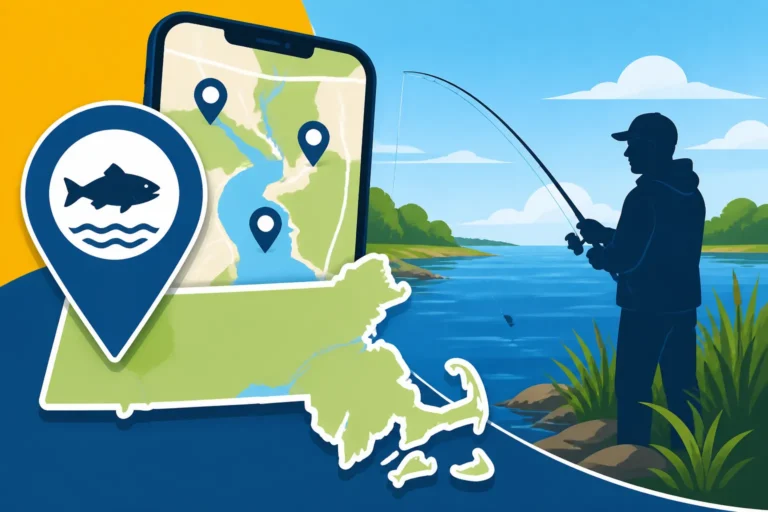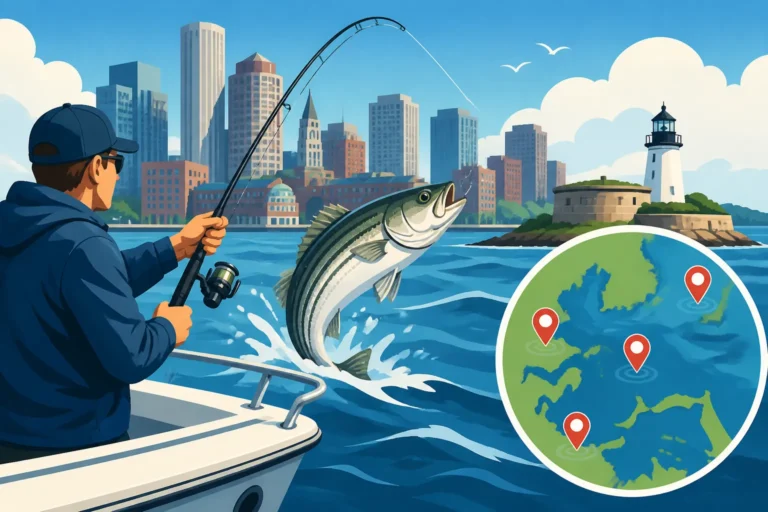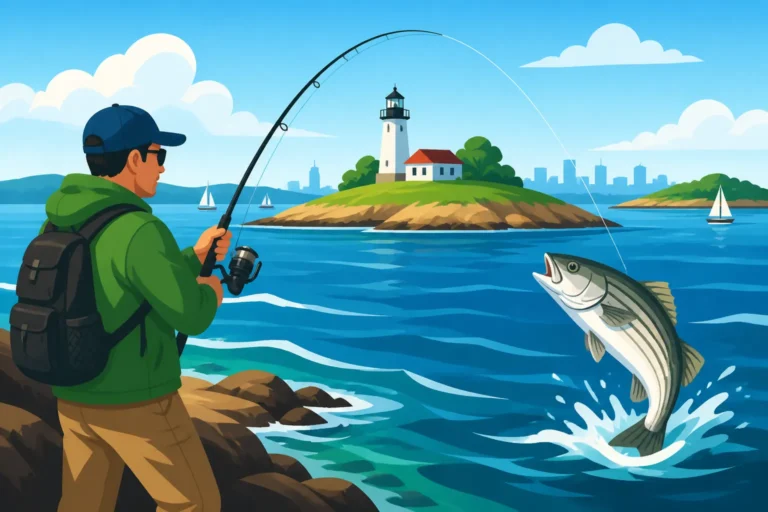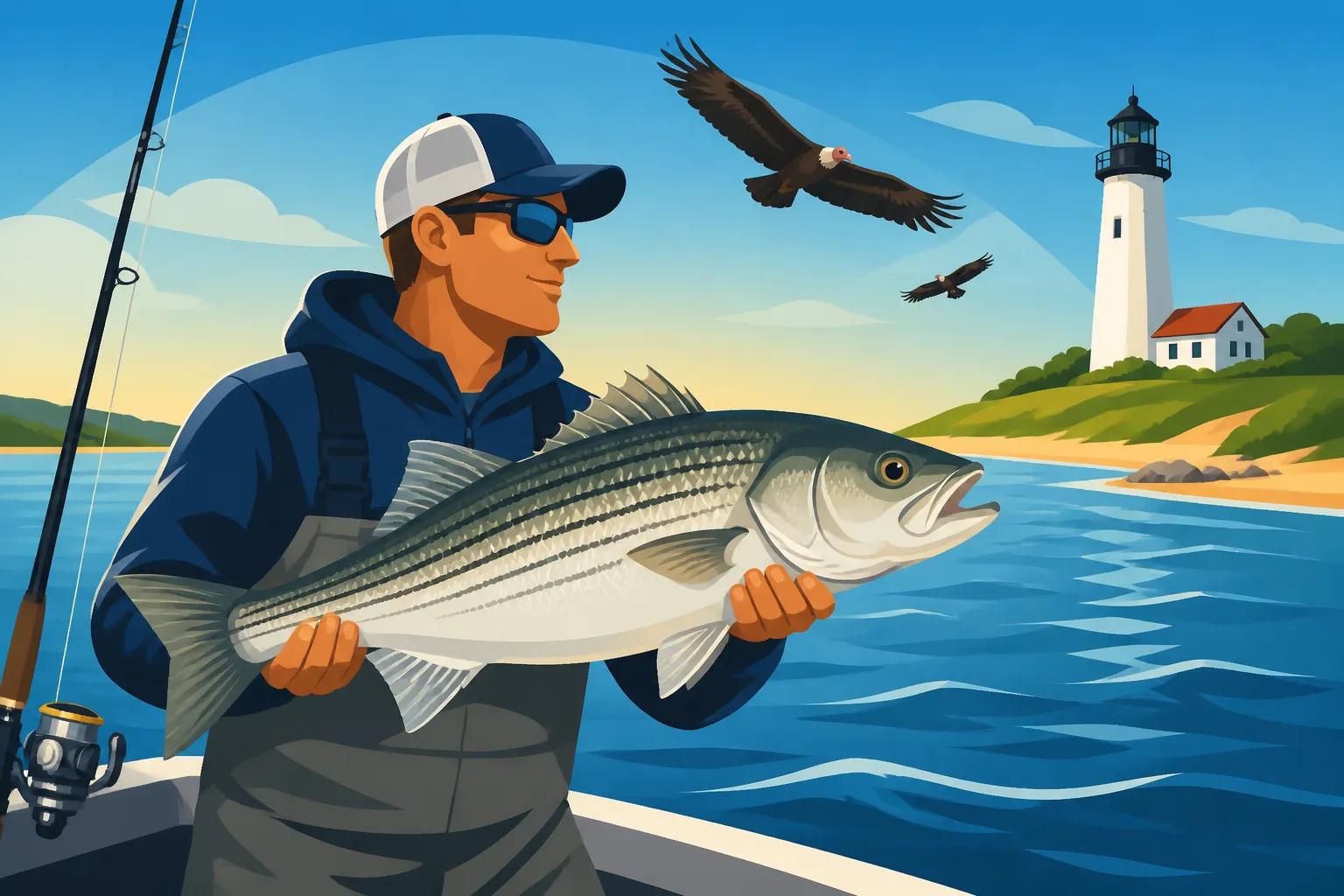
Buzzards Bay Fishing Guide, Massachusetts
Ah, Buzzards Bay! If you've ever stood on its shores or launched a boat into its waters, you know it's a body of water that's both beautiful and, frankly, a little intimidating in its vastness. Anglers often struggle with where to even begin, given the sheer variety of habitats and the constant movement of fish. But don't you worry, because this guide is going to peel back the layers of Buzzards Bay, helping you understand its unique quirks, the incredible fish it holds, and exactly how to tackle its waters with confidence.
Unpacking the Unique Appeal of Buzzards Bay for Anglers
Buzzards Bay isn't just another stretch of coastline; it's a dynamic, productive estuary system that truly stands out in Massachusetts. Its unique geography and ecological characteristics create an angler's paradise, offering a diverse array of fishing experiences that can challenge and reward even the most seasoned fisherperson. Understanding what makes this bay tick is the first step to unlocking its secrets.
A Diverse Estuary System
Imagine a vast, shallow basin connected to the powerful currents of the Atlantic Ocean and the Cape Cod Canal, yet dotted with countless rocky outcroppings, sandy beaches, and protected coves. That's Buzzards Bay for you. This incredibly diverse topography is precisely what makes it such a fishing hotspot. You have everything from muddy bottom flats, perfect for floundering, to deep-water channels that serve as migratory highways for powerful game fish. The intricate network of tidal creeks and rivers feeding into the bay also brings in a constant supply of nutrients, fueling the entire food web.
The dynamic nature of the tides here cannot be overstated. Unlike some calmer coastal areas, Buzzards Bay experiences significant tidal swings, which create strong currents, especially around bottlenecks and points. These currents are a double-edged sword: they can make fishing challenging, requiring heavier tackle and careful timing, but they also bring baitfish to predators, creating prime feeding opportunities. Knowing when the tide is ripping in or out, and how that affects specific spots, is absolutely crucial for success. Anglers often find themselves focusing on certain structures during the beginning or end of a tide cycle, as the fish use these currents to ambush their prey.
Environmental Health and Rich Biodiversity
One of the most encouraging aspects of Buzzards Bay is its ongoing environmental recovery. Decades of dedicated conservation efforts by organizations and local governments have led to significant improvements in water quality. This commitment to protecting the ecosystem means healthier habitats, which in turn support robust and diverse fish populations. It’s a real testament to what can be achieved when communities prioritize their natural resources. You can almost feel the vitality in the water when you're out there.
This improved health translates directly into a fantastic variety of fish. Buzzards Bay acts as a crossroads where warm-water species, often pushing up from the south, meet cooler-water inhabitants. You might be targeting a powerful striped bass in the morning and then switch to a feisty tautog or black sea bass in the afternoon. This blend of species ensures there’s almost always something biting, no matter the season. The rich baitfish populations—like herring, menhaden (pogies), and squid—are a major draw, attracting apex predators throughout much of the year, making it a truly productive fishing ground.
Key Fish Species to Target in Buzzards Bay
When you dip a line into Buzzards Bay, you're entering a realm teeming with a fantastic array of fish. From the iconic game fish that draw anglers from afar to the delicious bottom dwellers that make for a tasty dinner, the bay offers something for every preference. Knowing what's biting when and where is key to a successful trip.
The Reigning Striped Bass and Bluefish
There's no doubt about it: striped bass and bluefish are the rockstars of Buzzards Bay. These powerful, migratory species arrive in the spring, typically by May, and stick around through the fall, often into October or even November. Buzzards Bay serves as a critical feeding ground for them, thanks to its abundant baitfish, diverse structure, and proximity to the rich waters of the Atlantic. The entrance to the Cape Cod Canal on the Buzzards Bay side is an especially notorious hotspot for these species, where strong currents funnel bait and create prime ambush points.
When targeting stripers and blues, understanding their habits is crucial. Stripers often hug structure like rocky ledges, jetties, and mussel beds, ambushing prey. Bluefish, on the other hand, are often found patrolling open water in aggressive schools, tearing through baitfish with their razor-sharp teeth. For stripers, live-lining eels or menhaden is incredibly effective, as is casting large topwater plugs, soft plastics, or bucktail jigs, particularly during low light conditions or at night. Bluefish will smash almost anything shiny and fast-moving – poppers, metal lures, or even chunks of cut bait. Remember to always check the current Massachusetts Striped Bass Slot Limit Explained and Massachusetts Bluefish Bag Limit and Season before you head out, as these regulations are vital for conservation and change periodically.
Fluke, Tautog, and Black Sea Bass
While stripers and blues get a lot of glory, Buzzards Bay truly shines when it comes to its bottom-dwelling species. Fluke (summer flounder), tautog (blackfish), and black sea bass are highly sought after for their fighting spirit and delicious table fare. Each of these species has specific habitat preferences, making targeting them a fun challenge. Tautog, for instance, are structure-oriented fish, loving rocky bottoms, wrecks, and mussel beds. They’re notorious for their powerful bite and fight, often requiring stout tackle to pull them from their snags. Crabs, especially green crabs or fiddler crabs, are the absolute best bait for them, fished on a simple jig or a snelled hook rig. For a deeper dive, check out our guide on Tautog Fishing in Massachusetts.
Fluke, unlike tautog, prefer sandy or muddy bottoms, often found near channels, rips, and inlets where baitfish are swept past. They are ambush predators, lying in wait, camouflaged against the bottom. Drifting with a bucktail jig tipped with a strip of squid or Gulp! is a classic and highly effective method for fluke fishing. They're also commonly caught by those slow-trolling spoons or soft plastics. You can learn more about specific techniques in How to Catch Fluke in Massachusetts. Black sea bass are another fantastic bottom species, often found around deeper rock piles, wrecks, and reefs. They are aggressive eaters, readily hitting clam, squid, or mackerel baits fished on high-low rigs. Their season, which typically runs through warmer months, is always eagerly anticipated, so keep an eye on the Massachusetts Black Sea Bass Season Dates for current information.
Scup, Cod, and Other Coastal Catches
Beyond the main attractions, Buzzards Bay offers plenty of other exciting opportunities. Scup, also known as porgies, are incredibly abundant and a fantastic option for family fishing or when you just want consistent action. They are feisty fighters on light tackle and make for excellent eating. Scup are bottom feeders, found over rocky and sandy bottoms, and they’ll readily hit small pieces of clam, squid, or sea worms on simple bottom rigs. Their season is usually long and generous, making them a reliable target throughout the warmer months.
As the seasons change, especially in the cooler months, you might even encounter some cod, particularly in the deeper, colder sections of the bay or just outside its mouth. While not as prevalent as they once were, a persistent angler can still find them. Beyond these, late summer and early fall can bring exciting pelagic visitors like bonito and false albacore to the outer reaches of the bay. These speedsters offer incredible light tackle sport, often busting on schools of baitfish near the surface. Casting small metals or epoxy jigs into the feeding frenzies is the name of the game for these high-speed thrills.
Prime Fishing Locations and Public Access Points
Buzzards Bay is vast, stretching from the Cape Cod Canal all the way down to Sakonnet Point in Rhode Island, with numerous towns and shorelines in between. Pinpointing the best fishing spots can feel like searching for a needle in a haystack, but with a little local knowledge, you'll be putting your line in productive waters in no time.
Shore Fishing Hotspots
For those who prefer to keep their feet on solid ground, Buzzards Bay offers an impressive array of shore fishing opportunities. You don't always need a boat to connect with some fantastic fish! One of the perennial favorites is West Island State Reservation in Fairhaven. This spot provides diverse access, from sandy beaches where you can cast for stripers and bluefish, to rocky points that hold tautog and black sea bass. The protected coves also make for great clamming or crabbing if you're looking for different seaside activities. Parking is usually readily available, making it a convenient option.
Further south, Fort Phoenix Beach State Reservation in Fairhaven offers another excellent shoreline option. While a popular swimming beach, its jetties and surrounding waters can be very productive for stripers, especially during migratory runs or low-light conditions. The deep water access from the jetties can also put you in reach of bottom fish. Nearby, the shores along Brandt Island Road in Mattapoisett present numerous pull-offs and small public access points, allowing anglers to target shallow water species like fluke and scup, as well as cruising stripers. These spots often require a bit more exploration to find the perfect casting lane, but the effort can be well worth it. For those interested in Massachusetts Surf Fishing Techniques, these locations are perfect for practicing your long casts and reading the waves. Other popular shore spots include the town piers in Wareham and New Bedford, which offer easy, accessible fishing, often yielding scup, tautog, and smaller stripers, making them ideal for a relaxed outing or fishing with kids.
Boating and Kayaking Paradises
If you have access to a boat or kayak, Buzzards Bay truly opens up, revealing endless possibilities. The ability to reach various depths, structures, and remote areas significantly increases your chances of encountering a wider range of species. For powerboaters, the Elizabeth Islands chain (Cuttyhunk, Naushon, Nashawena, etc.) offers some of the most spectacular and productive fishing. The strong currents and deep waters around these islands create prime habitat for large striped bass, bluefish, and even some offshore species like bonito and false albacore in season. However, these waters can be challenging, and a good understanding of navigation and marine conditions is essential.
For kayakers and smaller boat anglers, the numerous harbors and protected coves within the bay are fantastic. Onset Bay in Wareham is a popular launch point and provides access to diverse waters, from shallow flats perfect for sight-fishing to deeper channels. Marion and Mattapoisett Harbors also offer excellent launches and access to protected waters that can be very productive for stripers, bluefish, fluke, and scup. These calmer areas are ideal for exploring by kayak, allowing you to quietly sneak into prime fishing zones. For those without their own vessel, consider exploring Cape Cod Fishing Charters Guide for Massachusetts Anglers or checking out FishingBooker, which lists numerous reputable captains operating out of various Buzzards Bay towns, ready to take you to the best fishing grounds. Just remember that launching a boat or kayak often requires checking local town regulations for permits or fees, especially during peak season.
Essential Techniques for Buzzards Bay Anglers
Buzzards Bay demands a versatile approach. Its diverse environments, from rocky shores to open channels, mean that no single technique will guarantee success. Mastering a few key methods and adapting them to the conditions and target species is what separates good anglers from great ones.
Casting and Jigging for Migratory Species
When it comes to the migratory powerhouse species like striped bass and bluefish, casting and jigging are often the most exhilarating and effective methods. For shore-bound anglers, surfcasting is a classic technique, employing long rods to launch lures or bait beyond the breaking waves. Topwater plugs, like poppers or walk-the-dog lures, are incredibly exciting to fish, drawing explosive strikes from aggressive stripers and bluefish, particularly during dawn and dusk. For deeper presentations, soft plastic swimbaits (like those from the popular brand Z-Man) rigged on jig heads, or metal lipped swimmers are excellent choices. They mimic baitfish struggling in the current and can be worked effectively around structure.
From a boat, casting remains paramount, especially when you find schools of stripers or bluefish blitzing on bait. Fast-retrieving metal lures or epoxy jigs can cut through the wind and reach distant boils, while larger soft plastics or bucktails are fantastic for working drop-offs and current seams. Jigging is also highly effective, particularly when fish are holding deeper or are less active on the surface. Vertical jigging with diamond jigs or flutter spoons can entice strikes from stripers, bluefish, and even some bottom fish. Understanding how to "read" the water—looking for bird activity, baitfish schools, or current rips—will greatly enhance your success, helping you put your lure right where the fish are feeding.
Bottom Fishing and Trolling Strategies
While casting covers the surface and mid-water column, Buzzards Bay's rich bottom structure calls for dedicated bottom fishing techniques. This is where you'll find those delicious tautog, fluke, black sea bass, and scup. For tautog and scup, a simple high-low rig with two hooks and a sinker on the bottom, baited with crabs, clams, or squid, is incredibly effective. The key is to fish right on the bottom, feeling for those subtle "taps" that indicate a bite. For tautog, you need to be quick on the hookset to prevent them from retreating into their rocky hideouts.
Drift fishing is a go-to method for fluke (summer flounder). Anglers often use a bucktail jig tipped with a strip of squid or a Gulp! soft plastic, allowing the boat's drift to present the bait naturally along the bottom. The motion of the boat drags the lure, covering ground and increasing your chances of crossing paths with these camouflaged flatfish. For covering larger areas and locating schools of fish, trolling can be highly effective, especially for stripers and bluefish. Using large diving plugs, tube-and-worm rigs, or umbrella rigs behind the boat can be a great way to explore different depths and find where the fish are holding. Varying your speed and depth is crucial to trigger strikes, and a good fishfinder is an invaluable tool for identifying promising structure or baitfish schools.
The Importance of Bait Selection and Tides
You can have the fanciest rod and reel, but if your bait isn't right or you're fishing at the wrong tide, you'll be out of luck. In Buzzards Bay, bait selection is paramount. For striped bass and bluefish, natural baits like live menhaden (pogies), mackerel, or eels are often irresistible. When live bait isn't an option, fresh chunks of bunker or mackerel can also be very productive. For bottom dwellers like tautog, crabs are king, while fluke and black sea bass readily take clam or squid strips. Having a variety of fresh bait on hand can significantly increase your success rate.
Even more critical than bait is understanding the tides. Buzzards Bay is heavily influenced by strong tidal flows, and these currents dictate when and where fish feed. For many species, the moving tide—especially the beginning or end of an incoming or outgoing tide—creates prime feeding windows as baitfish are swept past ambush points. Around the entrance to the Cape Cod Canal, the currents can be extreme, creating legendary rips where stripers feast. Knowing the tide charts for your specific fishing location in Buzzards Bay and planning your trip around the peak current times will exponentially improve your chances. It's often said that "no current, no fish" in these waters, and that certainly holds true for many species here.
Navigating Regulations and Planning Your Trip
Before you even think about casting a line into the beautiful waters of Buzzards Bay, it's absolutely essential to be prepared. This isn't just about having the right gear; it's about understanding the rules, knowing your options for getting on the water, and prioritizing safety and environmental responsibility.
Understanding Massachusetts Fishing Licenses and Rules
Let's get this out of the way first: if you're planning to fish in Buzzards Bay, which is entirely saltwater, you absolutely need a valid Massachusetts saltwater recreational fishing permit. This isn't just a suggestion; it's a legal requirement for most anglers. There are specific exemptions, of course, like for very young children or those fishing on a licensed for-hire vessel where the captain's permit covers everyone. But for the average recreational angler, a permit is a must. You can find comprehensive details on obtaining one in our Massachusetts Saltwater Recreational Fishing Permit Explained guide. It's also important to be aware of the Massachusetts Saltwater Permit Age Requirements, as these determine who needs to purchase a permit.
Beyond the permit itself, you must familiarize yourself with the current fishing regulations, which include minimum sizes, daily bag limits, and season dates for various species. These rules are in place to ensure the sustainability of our precious fish stocks, and they can change from year to year. For example, striped bass have a very specific slot limit, meaning you can only keep fish within a certain size range, not too small, and not too large. Black sea bass and tautog also have specific seasons and size limits that differ. Always consult the official Massachusetts Division of Marine Fisheries (DMF) website or their physical regulations pamphlet for the most up-to-date information. Our general guide on Massachusetts Recreational Fishing Rules and Bag Limits can also offer a helpful overview. Ignoring these rules can lead to hefty fines and penalties, so it's always best to be informed.
Hiring a Local Guide or Charter
For newcomers to Buzzards Bay, or even experienced anglers looking to learn specific techniques or target elusive species, hiring a local guide or charter captain can be an invaluable investment. These professionals spend countless hours on the water, tracking fish movements, understanding the nuances of tides and currents, and knowing exactly where the bite is hot. A good guide can significantly shorten the learning curve, put you on fish quickly, and teach you techniques tailored to the bay's unique conditions. They often provide all the necessary gear, bait, and tackle, making it a hassle-free experience.
When looking for a charter or guide, platforms like FishingBooker are excellent resources. You can browse various captains operating out of towns like Fairhaven, Mattapoisett, Wareham, and New Bedford, read reviews, compare prices, and see what species they specialize in. Whether you're chasing trophy stripers, looking for a family-friendly scup trip, or hoping to fill a cooler with fluke and sea bass, there's a captain out there for you. A half-day trip can run anywhere from $400-$800, while full-day excursions, especially for tuna or more distant grounds, can be considerably more, but the experience and knowledge gained are often priceless. Always confirm what's included in the price, such as licenses, bait, and fish cleaning, before booking.
Essential Gear and Safety Considerations
Having the right gear is crucial for enjoying your time on the water and successfully landing fish in Buzzards Bay. For general shore and boat fishing, a medium to medium-heavy spinning rod (7-9 feet) paired with a reliable saltwater reel spooled with 20-30 lb braided line is a versatile setup. You'll want an assortment of lures, including topwater plugs, soft plastic swimbaits, bucktail jigs, and some metal spoons. For bottom fishing, a heavier outfit might be necessary to handle the currents and pull fish from structure. Don't forget a variety of sinkers, hooks, and leader material (fluorocarbon is preferred for its abrasion resistance and low visibility). A good pair of pliers, a cutting tool, a measuring tape, and a cooler for your catch are also essential.
Safety on the water should always be your top priority. If you're on a boat, ensure you have enough U.S. Coast Guard-approved Personal Flotation Devices (PFDs) for everyone on board, and that they are easily accessible. A first-aid kit, a fully charged cell phone (in a waterproof case), a marine radio, and a GPS device are also highly recommended. Always check the weather forecast before heading out, as Buzzards Bay can get choppy quickly, especially with strong winds. Let someone know your float plan – where you're going and when you expect to return. Finally, practice catch-and-release responsibly, properly handling fish to minimize stress, and always pack out everything you pack in. Leaving no trace ensures Buzzards Bay remains beautiful and productive for generations to come.
| Species | Prime Season | Typical Bait/Lure | Preferred Habitat | Quick Regulation Check (Always Verify!) |
|---|---|---|---|---|
| Striped Bass | May – October | Live eels, menhaden, topwater plugs, soft plastics | Rocky points, rips, channels, jetties | Slot Limit (e.g., 28-31"), 1 fish/day |
| Bluefish | Late May – October | Metal lures, poppers, cut bait, soft plastics | Open water, baitfish schools, rips | Bag Limit (e.g., 3 fish/day) |
| Fluke (Summer Flounder) | June – September/October | Bucktail jigs (tipped), squid, spearing, Gulp! | Sandy bottoms, channels, inlets | Size/Bag Limits (varies boat/shore) |
| Tautog (Blackfish) | Spring (April-May), Fall (Sept-Dec) | Green crabs, fiddler crabs, clam | Rock piles, wrecks, mussel beds | Size/Bag Limits (seasonal changes) |
| Black Sea Bass | Mid-May – September/October | Squid, clam, mackerel, jigs | Deeper rock piles, reefs, wrecks | Size/Bag Limits (seasonal changes) |
| Scup (Porgies) | May – October | Clam, squid, sea worms | Rocky/sandy bottoms, piers, docks | Generous Bag Limits |
Disclaimer
Please be aware that fishing regulations, including licensing requirements, bag limits, and season dates, are subject to change. While we strive to provide accurate and up-to-date information, it is always the angler's responsibility to consult the official Massachusetts Division of Marine Fisheries (DMF) website or current regulations pamphlet before engaging in any fishing activity. This guide is for informational purposes only and should not be considered a substitute for official legal guidance.