Where to catch striped bass from shore on Cape Cod
The allure of catching striped bass from the rugged, beautiful shores of Cape Cod is a dream for many anglers, but knowing precisely where to cast your line can be incredibly daunting. With miles of diverse coastline, it’s easy to feel overwhelmed, wondering if you're even in the right spot. This comprehensive guide will strip away the guesswork, pinpointing prime locations and arming you with the knowledge to successfully target striped bass from the shore all across Cape Cod.
Understanding Cape Cod's Unique Shoreline for Stripers
Cape Cod isn't just one type of beach; it's a dynamic mosaic of coastlines, each offering distinct opportunities and challenges for the shore angler chasing striped bass. From the fast-moving waters of the Canal to the pounding surf of the Outer Cape, and the calmer, shallower bays, understanding these differences is key to finding your striper.
The Dynamic Nature of the Cape Cod Canal
When you talk about shore fishing on Cape Cod, the Canal almost always comes up first, and for good reason. This eight-mile-long man-made waterway connects Buzzards Bay with Cape Cod Bay, creating an incredibly rich feeding ground for striped bass. The currents here are some of the strongest on the East Coast, regularly exceeding 4 knots, which means fish are constantly on the move and actively feeding. They don't have to work hard to get their meal; they just need to position themselves correctly to ambush bait swept past them. This strong current demands specific techniques and heavy tackle, but the reward can be substantial, with many trophy-sized stripers caught from its banks every season.
Fishing the Cape Cod Canal is an experience unlike any other. It’s a place where sheer brute force of current dictates everything, from how fish feed to how anglers must present their offerings. The bottom here is a mix of rock and sand, with numerous eddies, ledges, and drop-offs that provide perfect ambush points for stripers. Access is generally excellent, with paved service roads running along both sides, offering countless spots to pull over and cast. However, be prepared for crowds, especially during prime tides and the height of the season, as its reputation as a striper factory draws anglers from far and wide.
The Windswept Beaches of the Outer Cape
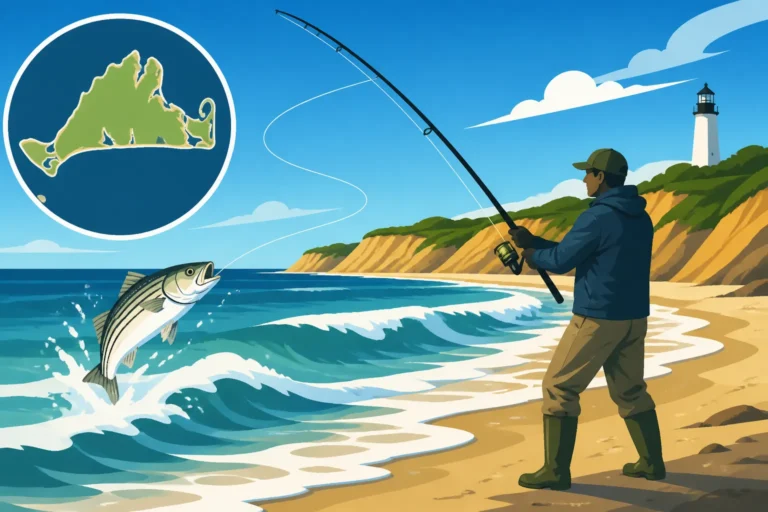
Moving eastward from the Canal, the Outer Cape presents a completely different fishing environment: vast, exposed beaches hammered by the Atlantic surf. Think of places like Nauset Beach in Orleans, Coast Guard Beach in Eastham, or the dramatic shores of Truro and Provincetown. Here, the challenge isn't just the fish; it's the conditions. You'll contend with powerful waves, shifting sandbars, and the unpredictable nature of the open ocean. Striped bass cruise these beaches, often in the turbulent wash close to shore, hunting baitfish like sand eels, herring, and mackerel.
Surfcasting on these beaches requires a different skill set and specialized gear. Long rods are essential for reaching distant sandbars and punching lures through the wind. Reading the beach, understanding where the rips, troughs, and cuts are, becomes paramount. These are the highways and feeding lanes for stripers. The beauty of the Outer Cape is its wildness and the sheer expanse of unpressured water compared to the Canal. You might walk for miles without seeing another soul, finding your own rhythm with the ocean and the stripers that patrol its edges.
Protected Waters of Cape Cod Bay and Buzzards Bay
On the more sheltered sides of Cape Cod, facing north into Cape Cod Bay and west into Buzzards Bay, you'll find calmer waters, often shallower depths, and a multitude of estuaries, harbors, and coves. These areas can be incredibly productive, especially during the spring and fall migrations, and often hold resident fish throughout the summer. The fishing here is less about heavy currents and massive waves, and more about stealth, understanding structure, and targeting specific bait movements.
In these bays, stripers will often hug rocky shorelines, patrol mussel beds, or lurk in the channels of salt marshes, ambushing smaller baitfish, crabs, and even worms. Places like Barnstable Harbor, Plymouth (though technically outside the Cape proper, it fishes similarly to the inner bay), or even the rocky shores of Buzzards Bay near Falmouth offer fantastic opportunities. This is where lighter tackle can often shine, and more subtle presentations with soft plastics or flies can be incredibly effective. The calmer conditions also make it more accessible for anglers who might not be up for the rigors of the Canal or the crashing surf.
Top Shoreline Striped Bass Hotspots on Cape Cod
Now that we've explored the different environments, let's dive into some specific, tried-and-true locations where you can realistically expect to encounter striped bass from the shore on Cape Cod. Remember, patience and persistence are your greatest allies.
Fishing the Cape Cod Canal from Shore
The Cape Cod Canal is, without a doubt, one of the premier shore fishing destinations for striped bass on the East Coast. Its reputation is built on consistent catches and the real possibility of landing a monster. Prime spots are often found where the current creates eddies or funnels bait, like at the East End (Scusset Beach State Reservation) and the West End (Sagamore Bridge area). These areas often feature powerful rips where baitfish get disoriented, making them easy targets for waiting stripers.
Another highly productive stretch is the middle part of the Canal, particularly around Herring Run and Bell Road on the mainland side (north side), or Sandwich Marina on the south side. Access roads run along both banks, providing plenty of parking and spots to fish. Just be mindful of private property and posted signs. For specific guidance, our article on Cape Cod Canal Striped Bass Fishing Spots offers detailed insights. Heavy jigs (like Gibbs bottle plugs or T-Man jigs), large poppers, and live eels are standard fare here. Understanding the tides is crucial; the fish tend to feed most actively during the beginning and end of the strong currents, or on a slowing current, often called the "slack tide before the turn." You can find more information on how to optimize your trip by checking out our guide on Fishing the Cape Cod Canal by Season.
Surfcasting the Beaches of Eastham, Orleans, and Truro
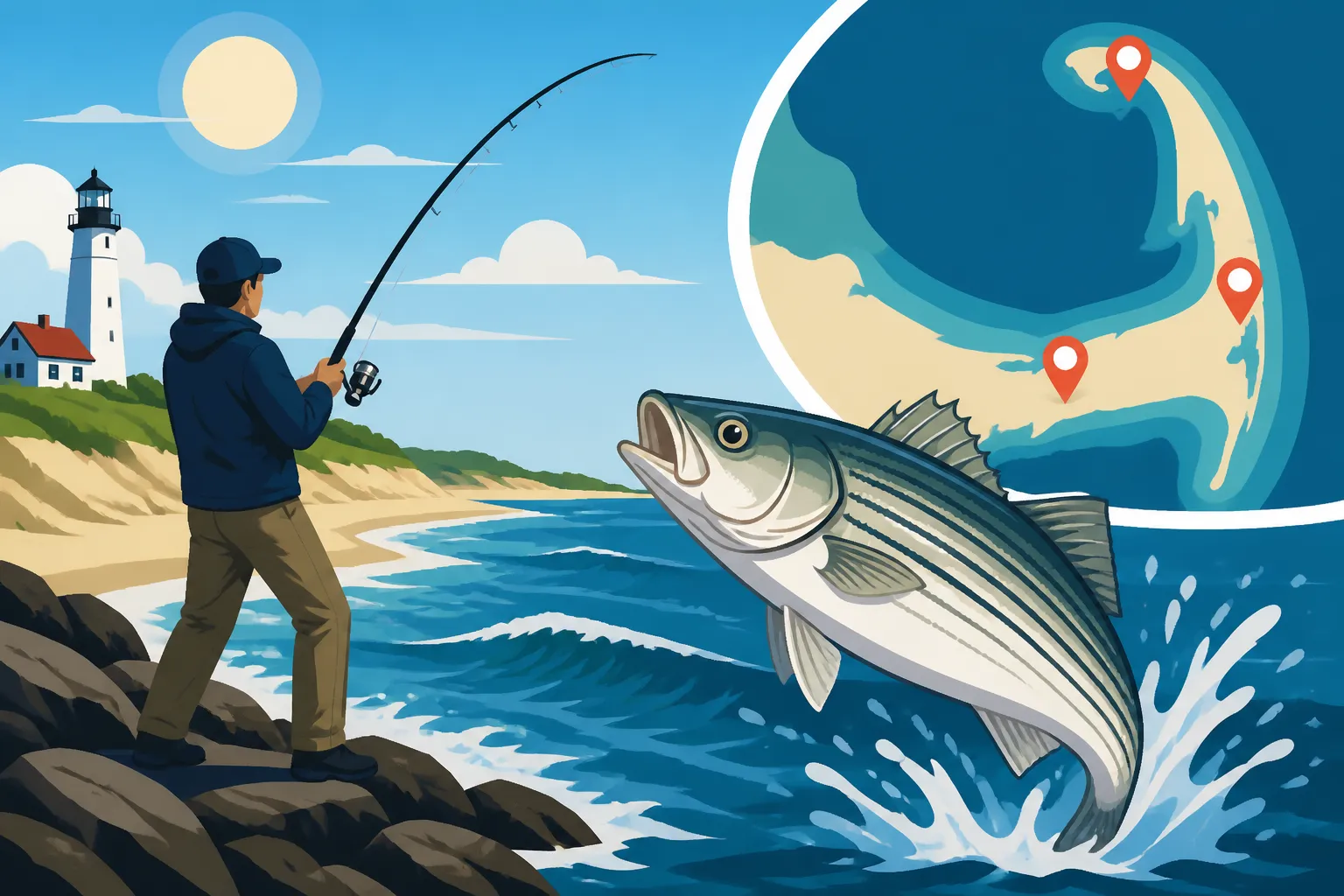
For those who love the feel of the open ocean and the thrill of the surf, the beaches of the Outer Cape offer unparalleled opportunities. Nauset Beach in Orleans is legendary for its fall run of stripers, when migrating fish stack up, often chasing schools of baitfish close to shore. Coast Guard Beach in Eastham and the adjacent Marconi Beach are also fantastic, especially in the early morning or late evening. Further north, the vast, undeveloped beaches of Truro and Provincetown, part of the Cape Cod National Seashore, provide endless stretches of sandbars, sloughs, and rips that stripers patrol.
When fishing these beaches, look for visible signs of bait activity, such as diving birds or nervous schools of bunker or sand eels. Focus your casts into troughs (deeper channels running parallel to the shore), rips (where currents converge or pull out to sea), and around prominent sandbars. Bucktail jigs, large swimming plugs like darters or bottle plugs, and poppers are very effective here. Many anglers also prefer natural baits like fresh chunks of mackerel or menhaden, fished on a fish-finder rig. To really hone your skills, our guide on Massachusetts Surf Fishing Techniques can give you an edge. These locations are particularly popular during the fall run, often from September through October, when the fishing can be truly exceptional. For more general advice on when to target these fish, check out Best Time of Year to Fish in Massachusetts.
Exploring Bays and Estuaries for Stripers
While the Canal and Outer Cape steal much of the spotlight, the calmer bays and estuaries often offer more consistent, if not always record-breaking, striper action, especially in the spring and early summer. Barnstable Harbor is a prime example, with its extensive flats and channels. Stripers move into the harbor with the incoming tide, chasing baitfish through the shallower water. Fishing around the inlets and tidal creeks with soft plastics, smaller swimming plugs, or even flies can be deadly here. Similarly, Wellfleet Harbor and Pleasant Bay (shared by Orleans, Chatham, and Harwich) offer similar opportunities, particularly around inlets and rocky points.
On the Buzzards Bay side, areas around Falmouth and Woods Hole have numerous rocky shorelines and inlets that hold stripers. Look for structure like jetties, rock piles, and points that create current breaks. Early morning and late evening, especially around high tide, are often the best times in these calmer waters. Small soft plastic paddletails (like those from Zoom or Keitech), bucktail jigs, and even small poppers can entice strikes. These spots are fantastic for anglers looking for a less intense experience than the Canal, or those wanting to target smaller, but still feisty, schoolie stripers. If you're looking to plan your trips around these more tranquil spots, consider using a resource like FishingBooker to scout local guides who specialize in these bay and estuary environments, often revealing hidden gems and patterns that are hard to discern otherwise.
Here's a quick comparison of some popular shore fishing areas:
| Location Type | Key Characteristics | Best Conditions | Typical Baits/Lures | Notes |
|---|---|---|---|---|
| Cape Cod Canal | Strong currents, deep water, rocky bottom | Strong tides (moving water) | Heavy jigs, poppers, live eels | Requires heavy tackle, can be crowded. Prime for big fish. |
| Outer Cape Beaches | Heavy surf, shifting sandbars, vast open water | Incoming/outgoing tide, calm winds | Plugs (bottles, darters), bucktails, bait (mackerel, bunker) | Requires long casting rods, good for reading the beach. Less crowded. |
| Bays & Estuaries | Calmer water, shallower, rocky shores, marsh creeks | High tide, low light conditions | Soft plastics, smaller plugs, flies, worms | More accessible, often holds schoolie stripers. Good for lighter tackle. |
Essential Techniques and Gear for Shore Fishing Success
Having the right spots is only half the battle. To consistently catch striped bass from the shore on Cape Cod, you need to employ effective techniques and be equipped with appropriate gear.
Timing Your Trip: Tides, Time of Day, and Seasons
Striped bass fishing, especially from shore, is profoundly influenced by external factors. Tides are arguably the most critical element, particularly in areas like the Cape Cod Canal, where strong currents dictate feeding windows. Generally, the last two hours of the incoming tide and the first two hours of the outgoing tide (or vice-versa, depending on the specific spot) are prime times, as the moving water disorients baitfish and creates ambush points. In the calmer bays and estuaries, high tide is often productive, allowing stripers to move into shallower feeding grounds. For the surf, moving tides around structure (like cuts and sandbars) are usually best.
Time of day also plays a huge role. Striped bass are often most active during low-light conditions: dawn, dusk, and throughout the night. This is when they feel safer venturing into shallower water and are less wary of anglers. Many of the largest stripers caught from shore come after dark. During the bright sun of midday, they tend to move to deeper, cooler water. Finally, seasons are paramount. The spring (late May through June) sees the first waves of migrating stripers arrive, with the fall (September through November) offering some of the most exciting and consistent action as fish migrate south. Understanding these patterns is key to maximizing your chances, and you can learn more about this in our When striped bass season starts in Massachusetts article.
Go-To Baits and Lures for Cape Cod Stripers
The choice of bait or lure depends heavily on the location and conditions, but some offerings are universally effective for shore-bound stripers. For the Canal, heavy jigs (like metal lip swimmers, pencil poppers, and bucktails) are essential for getting down in the current. During the night, live eels are kings of the Canal, fished on a simple single-hook rig. For the surf, large swimming plugs (like darters, bottle plugs, and poppers) that imitate local baitfish are excellent. Don't forget bucktail jigs tipped with a soft plastic trailer; they can imitate a wide range of forage. Natural baits such as fresh cut mackerel, bunker (menhaden), or squid fished on a surf rig can also be incredibly effective, especially when dead sticking at night.
In the bays and estuaries, where smaller baitfish and crustaceans are prevalent, soft plastic paddle tails or shads on a jig head are hard to beat. Fly anglers will find success with deceiver patterns or clouser minnows. Having a variety of lures in different sizes and colors is crucial, as what works one day might not work the next. It’s always a good idea to match the hatch – use lures that resemble the baitfish currently in the area. For a deeper dive into what to throw, check out our guide on the Best Lures for Striped Bass in Massachusetts.
Rods, Reels, and Rigging for the Shore Angler
Your tackle needs to match the environment. For the Cape Cod Canal, you'll need a stout setup capable of casting heavy lures and handling powerful fish in strong currents. This usually means a heavy-action surf rod, 10 to 11 feet long, paired with a large, durable spinning reel (size 6000-10000) spooled with 50-80 lb braided line. A good example might be a Penn Spinfisher or a Shimano Saragosa.
For surfcasting on the Outer Cape beaches, a similar setup is often used, though you might opt for a slightly lighter rod (9-10 feet) if you're primarily throwing plugs or lighter jigs. The emphasis here is on casting distance and durability against sand and salt. A reliable leader of 50-80 lb fluorocarbon or monofilament is essential to prevent break-offs from abrasive rocks and sharp teeth. In the calmer bays and estuaries, you can often scale down to a medium-heavy action rod (7-9 feet) and a 4000-5000 size spinning reel with 20-30 lb braid, which offers a more sporting fight. Always remember to carry a good set of pliers, a sharp knife, and a reliable headlamp for night fishing. When planning your Cape Cod fishing trip, remember that platforms like FishingBooker can connect you with guides who can provide all the necessary, specialized tackle for your chosen fishing style and location, taking the guesswork out of gear selection.
Local Insights and Regulations for a Rewarding Experience
A successful and enjoyable shore fishing experience on Cape Cod isn't just about catching fish; it's also about respecting the environment, understanding local rules, and ensuring you're fishing legally and safely.
Respecting the Environment and Fellow Anglers
Cape Cod's natural beauty is part of what makes it such a special place to fish. Always practice Leave No Trace principles: pack out everything you pack in, and perhaps even a little extra trash you find. Be especially mindful of discarded fishing line, which can be deadly to wildlife. Respect local vegetation and dunes by staying on marked paths. When fishing in crowded areas, especially the Canal, be courteous to other anglers. Don't crowd someone's casting space, and be aware of your surroundings. A simple "hello" and a respectful demeanor go a long way in fostering a positive atmosphere. It's a shared resource, and we all want to enjoy it.
Additionally, remember that many areas on Cape Cod, particularly within the Cape Cod National Seashore or town beaches, may have specific restrictions regarding vehicles on the beach, fire pits, or overnight camping. Always check local ordinances before heading out to avoid any unpleasant surprises. This commitment to responsible angling ensures that these incredible fishing spots remain pristine and accessible for generations to come.
Navigating Access Points and Parking
One of the biggest hurdles for shore anglers on Cape Cod can be finding legitimate access and parking, especially during peak season. Many prime spots have limited parking or require a town beach sticker, which can be expensive for non-residents. The Cape Cod National Seashore areas, such as Coast Guard Beach or Nauset Beach, often have large parking lots and shuttle services during summer, but these can fill up quickly. Arriving well before dawn is often the best strategy. The Cape Cod Canal service roads generally offer ample parking, but again, during the busiest times, you might need to park a bit further away and walk.
For some of the quieter spots, a bit of online research or consulting local bait and tackle shops can reveal lesser-known public access points. Google Maps with satellite view can be a powerful tool for scouting out potential walking trails or parking areas near promising stretches of shoreline. Always double-check signage for parking restrictions or permit requirements. Ignoring these can lead to tickets or even towing, quickly ruining a fishing trip. You can find more specific advice on where to park for fishing at many of these locales by looking up Best beaches for surfcasting on Cape Cod.
Understanding Massachusetts Striped Bass Regulations
Before you even make your first cast, it's absolutely critical to be aware of and comply with Massachusetts fishing regulations. This includes possessing the correct licenses and adhering to bag and size limits. For saltwater fishing in Massachusetts, most anglers will need a Massachusetts Saltwater Recreational Fishing Permit Explained if they are 16 years or older. This permit is relatively inexpensive and can be purchased online through the MassFishHunt system.
Furthermore, striped bass have strict regulations regarding size and bag limits, which are subject to change annually to help conserve the species. Currently, there's a specific Massachusetts Striped Bass Slot Limit Explained meaning you can only keep fish within a certain size range (e.g., 28 to 31 inches, but always verify current regulations as they change). Typically, the bag limit is one fish per angler per day. Ignoring these rules can result in significant fines and penalties, as outlined in guides like What happens if you fish without a license in Massachusetts. Always check the Massachusetts Division of Marine Fisheries (MassDMF) website for the most up-to-date information before heading out. Being a responsible angler means not only enjoying the resource but also protecting it for the future.
Disclaimer
Please note that fishing conditions, regulations, and access points can change frequently. Always consult the latest rules and guidelines from the Massachusetts Division of Marine Fisheries (MassDMF) and local authorities before planning your trip. Fishing inherently carries risks; always prioritize safety.