Where to catch tautog near New Bedford
Finding those notoriously finicky tautog, or 'blackfish' as many of us call them, around the New Bedford area can feel like trying to solve a puzzle. They're masters of structure and notorious for their subtle bites, leading to endless frustration for anglers who don't know where to look. This guide is here to cut through the guesswork, offering you a comprehensive look at the best spots and strategies to successfully target tautog in the rich waters near New Bedford, Massachusetts.
Understanding Tautog and Their Habitat Preferences
Tautog are a beloved, if challenging, species for many Massachusetts anglers. They’re known for their delicious white meat and their incredible fighting power, especially when you hook into a big one. But to catch them consistently, you first need to understand what makes them tick and where they like to hang out.
Tautog Preferences and Behavior
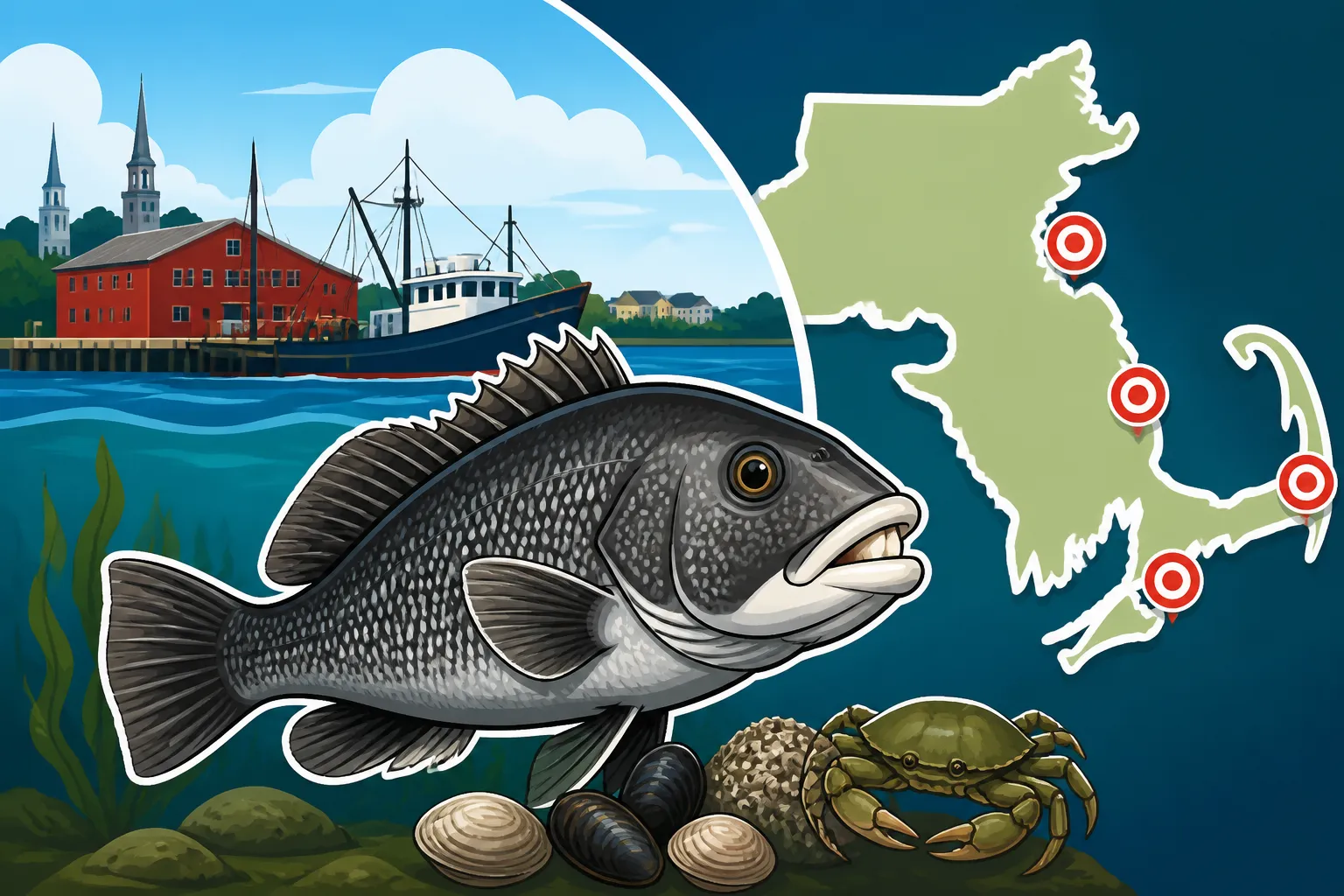
Tautog are creatures of structure. They absolutely thrive in rocky areas, around mussel beds, submerged wrecks, bridge pilings, jetties, and pretty much any hard-bottomed environment that offers them both shelter and a buffet of their favorite foods. Unlike many fish that chase down their prey in open water, tautog are ambush predators that rely on crushing power. Their strong, protruding teeth are perfectly designed for cracking open the shells of crabs, mussels, and other crustaceans, which form the bulk of their diet. This means if you're fishing sandy flats or open mud bottoms, you're probably barking up the wrong tree. Look for areas with significant underwater relief – ledges, boulders, or man-made structures. They’re also fairly territorial, so once you find a good spot, chances are there will be more tautog there, year after year, if the habitat remains intact. They don't typically travel far from their chosen homes.
Best Times to Target Tautog Near New Bedford
Timing is everything when it comes to tautog, and near New Bedford, this usually means focusing on the spring and fall. The water temperature plays a crucial role in their activity levels. In the spring, usually from April into June, as the water warms up after the long winter, tautog become active and move into shallower waters for spawning. This can be a fantastic time to catch them, especially in depths ranging from 10 to 40 feet. As summer progresses and water temperatures peak, they tend to move to deeper, cooler waters, making them harder to access for many shore anglers. The real prime time, however, is the fall run, from September through November, sometimes even into December if the weather holds. During this period, tautog feed aggressively to bulk up for winter, often moving into a variety of depths from shallow rock piles to deeper offshore wrecks. Many anglers find October to be particularly productive. Understanding the tides is also critical; tautog often feed most actively during moving tides, especially the hour or two leading up to and after slack tide, both high and low. This current helps dislodge their food from the structure.
Top Tautog Fishing Spots Around New Bedford
The New Bedford area, being nestled within Buzzards Bay and close to the Elizabeth Islands, offers a wealth of excellent tautog habitat. Whether you prefer fishing from shore or have access to a boat, there are plenty of promising spots to explore.
Inner Harbor and Buzzards Bay Shoreline Access Points
Even if you don't have a boat, there are some fantastic shore fishing opportunities around New Bedford for tautog, particularly in the spring and fall. The key is to find public access points near rocky structure or man-made features.
One of the most popular and accessible spots is Fort Taber Park in New Bedford. This historic park offers plenty of shoreline access with numerous rocky jetties, seawalls, and submerged boulders. You can cast from various points along the shore or venture out onto the rock structures, exercising extreme caution, of course. The rock piles here provide excellent ambush points for tautog. Another area worth exploring is along the New Bedford Harbor Guide itself, where various piers and seawalls exist. Look for any areas where the bottom drops off quickly or where there's visible rock structure. Just remember to check for public access and obey all local postings. Many local anglers find success bouncing jigs or dropping crab baits right alongside these structures. The waters closer to the hurricane barrier can also be productive, as the barrier itself creates significant structure.
Nearshore Structures and Islands
For those with a boat, the possibilities for tautog fishing expand dramatically. Buzzards Bay is practically tailor-made for blackfish, with its rocky shoreline, numerous ledges, and offshore islands.
The Elizabeth Islands, particularly Cuttyhunk Island and Penikese Island, are legendary for their tautog fishing. These islands are surrounded by incredibly diverse rocky bottoms, submerged reefs, and kelp beds that tautog adore. Around Cuttyhunk, look for the numerous rocky ledges and shoals, especially on the leeward side during strong winds. The rocky shores of Penikese also hold excellent populations. These spots are often best fished by anchoring upcurrent from a piece of structure and allowing your bait to drift naturally into the tautog's feeding zone. Depths here can range from shallow rocky areas in 15-20 feet to deeper ledges in 40-60 feet. Another prime area is the string of rocks and ledges that run from the outer reaches of New Bedford Harbor into Buzzards Bay, often marked on nautical charts as "rocky bottom" or with depth changes. Areas around Westport's Gooseberry Island and the entrance to Padanaram Harbor also have good rocky formations that attract tautog. If you’re planning a boat trip, consider using a tool like FishingBooker to explore local charters that specialize in tautog fishing, as their captains will know the most productive and safest spots around these islands.
Artificial Reefs and Wrecks
Beyond natural structure, artificial reefs and wrecks offer fantastic habitat for tautog and other bottom-dwelling species. While specific GPS coordinates for these spots are often closely guarded secrets by local captains, understanding their presence is key to effective tautog fishing.
Buzzards Bay is home to several deliberately placed artificial reefs designed to enhance marine habitat. These can be anything from piles of concrete to sunken vessels. Tautog quickly colonize these structures, finding ample food and shelter. Similarly, numerous historical wrecks dot the bottom of Buzzards Bay and offshore waters. These sunken ships become magnets for marine life, and tautog are no exception. They’ll often hold tight to the wreckage, making them challenging but rewarding targets. Fishing these spots often requires precise boat positioning and stout tackle to avoid getting snagged in the structure. It’s not uncommon for a good tautog captain to have a roster of lesser-known ledges and small wrecks that aren't widely publicized but consistently hold fish. When looking for a charter, ask if they target "reef and wreck" species; that's a good indicator they know these productive spots. If you're out on your own boat, a good fishfinder and a keen eye for subtle depth changes and hard returns on your sonar are your best friends in locating these hidden gems.
Essential Gear and Techniques for New Bedford Tautog
Tautog fishing demands a specific approach when it comes to gear and technique. Their powerful bite, tough mouths, and preference for rugged terrain mean you can't just show up with any old setup.
Rod, Reel, and Line Setup
For targeting tautog, you need a rod and reel combo that's powerful enough to pull a strong fish out of heavy cover, yet sensitive enough to detect their notoriously subtle bite. A medium-heavy to heavy action rod, typically 7 to 8 feet long, with a fast tip, is ideal. This combination gives you the backbone to turn a big fish and the sensitivity to feel those light taps. Ugly Stik rods are popular choices for their durability, while many anglers also opt for specialized jigging rods. Pair this with a conventional reel, like a Penn Squall or a Shimano Tekota, that has a good drag system and plenty of cranking power. A baitcasting reel with a star drag is often preferred over a spinning reel because it allows for more direct control when dropping baits and fighting fish.
For line, braided line is almost a necessity. Its lack of stretch provides superior sensitivity, allowing you to feel every little peck. Use 30-50 lb test braid as your main line, which is strong enough to handle big fish and the inevitable snags. Because braid is so visible and tautog can be line-shy, you'll want to add a fluorocarbon leader. A 20-40 lb test fluorocarbon leader, typically 2-4 feet long, will provide abrasion resistance against the rocks and offer a stealthier presentation. Knowing your Massachusetts Tautog Size and Bag Limit by Season will help you plan your fishing trip, as larger fish might require heavier tackle.
Baits and Rigs
When it comes to tautog, bait selection is paramount. They are crustacean lovers, and nothing beats fresh crabs. Green crabs are the most widely used and effective bait. You can buy them at most local bait shops around New Bedford or collect them yourself under rocks at low tide. For larger tautog, fiddler crabs, hermit crabs, or even pieces of Jonah crabs can be deadly. Some anglers also have success with clams or mussels, especially if the tautog are feeding on mussel beds.
There are two primary rigging methods for tautog:
-
Sinker Rig (Hi-Lo Rig): This is a classic bait rig. You'll typically use a three-way swivel, tying your main line to one eye, a leader to your hook from another, and a dropper line to your sinker from the third. Many prefer a simple snell rig or a single-hook bottom rig. The key is to keep the hook and bait close to the bottom. Use a stout Octopus hook, often a 2/0 to 5/0, depending on the size of your bait and the fish you expect. The sinker should be just heavy enough to hold bottom in the current – typically 2-6 ounces. When fishing with bait, make sure to read up on the Best Bait for Tautog Fishing in Massachusetts for more specific advice.
-
Jigging: Tautog jigs, like those from Tidal Tails or Jeck's, have gained immense popularity. These jigs are designed with a heavy, compact head and a strong, sharp hook. You can tip them with a whole or half green crab, or even a piece of clam. Jigging offers a more active style of fishing and can be incredibly effective when tautog are aggressive. It allows for better feel of the bite and helps reduce snags compared to a traditional sinker rig in some situations.
Tautog Fishing Strategies
Successful tautog fishing is a delicate dance of finesse and brute force. Here's how to approach it:
First, positioning is everything. Whether from shore or boat, you need to get your bait directly into the structure where tautog are hiding. If boating, anchor carefully so your boat is positioned upcurrent, allowing your bait to drift naturally into the desired spot. If fishing from a jetty, cast as close to the rocks as possible.
Second, feel for the bite. Tautog bites are famously subtle. They'll often pick at the bait with a series of light taps before committing. It's crucial not to set the hook too early. Wait for that distinct thump or the feeling of steady weight before you strike. This can take practice! You're essentially letting them take the bait fully into their mouth before setting the hook. This is where the sensitivity of braided line and a fast-tip rod really shine.
Third, set the hook hard and reel fast. Once you feel that solid bite, set the hook with a strong upward sweep of the rod. Then, immediately start reeling as fast as you can. Tautog will try to dive back into the structure the second they feel the hook, and if they make it, you're usually snagged and lose your fish. This is where the heavy rod and strong drag system come into play; you need to winch them away from the rocks. This aggressive Bottom Fishing for Tautog in Massachusetts technique is vital for success.
Finally, Patience is a virtue. Tautog fishing can be slow at times, but persistent angling in the right spots will eventually pay off. Don't be afraid to move around if a spot isn't producing, even if it's just shifting your anchor a few feet or moving along a jetty.
Navigating Regulations and Responsible Fishing
Fishing in Massachusetts, especially for popular species like tautog, comes with specific rules and a responsibility to protect our marine resources. Knowing the regulations before you head out is not just good practice, it's the law.
Massachusetts Tautog Regulations
The Massachusetts Division of Marine Fisheries (DMF) sets specific regulations for recreational tautog fishing, which can change based on scientific assessments of the stock. It's absolutely critical to stay current on these rules. Generally, tautog season has specific open periods and varying bag limits depending on the month. For instance, the Daily tautog limit in October often differs from other months, usually allowing for a more generous catch during the peak fall bite. There are also minimum size limits that anglers must adhere to; any fish caught under the legal size must be immediately released unharmed.
You'll also need a valid Massachusetts saltwater recreational fishing permit to target tautog. This is separate from a freshwater license. Make sure you understand the Massachusetts Saltwater Recreational Fishing Permit Explained before casting your line. You can typically purchase or renew your permit through the MassFishHunt system online. Always consult the most current Massachusetts Marine Fisheries Recreational Regulations pamphlet, available on the Mass.gov website, for the latest information on Massachusetts Recreational Fishing Rules and Bag Limits and all other pertinent details, including species-specific rules for other fish you might encounter while bottom fishing.
Respecting the Environment and Sustainable Practices
Responsible fishing goes beyond just following the regulations; it’s about ensuring healthy fisheries for future generations. When targeting tautog, practice catch and release for any fish you don't intend to keep or that are undersized. Handle released fish gently, minimizing their time out of water. If a fish is deeply hooked, cut the line as close to the hook as possible rather than attempting to rip the hook out, which can cause internal damage.
Consider using circle hooks when bait fishing, as they are designed to hook fish in the corner of the mouth, reducing gut-hooking and improving survival rates for released fish. Also, be mindful of your impact on the environment. Avoid leaving behind trash, discarded fishing line, or any other pollutants. Many of the best tautog spots are beautiful, natural areas, and it's our collective responsibility to keep them that way. Understanding the broader Massachusetts Fishing License Guide requirements supports these conservation efforts through license fees.
Here's a handy table summarizing some key aspects for tautog fishing near New Bedford:
| Location Type | Specific Examples/Areas | Access | Best Season | Key Considerations |
|---|---|---|---|---|
| Shoreline/Jetties | Fort Taber Park, New Bedford Seawalls, Hurricane Barrier | Public Access | Spring/Fall | Rocky bottom, precise casting, watch for snags |
| Nearshore Islands | Cuttyhunk Island, Penikese Island | Boat Required | Spring/Fall | Ledges, shoals, requires precise anchoring |
| Buzzards Bay Ledges | Various marked and unmarked rocky ledges in Buzzards Bay | Boat Required | Spring/Fall | Navigate by chart, use fishfinder, can be deeper |
| Artificial Reefs/Wrecks | Various throughout Buzzards Bay | Boat Required | Fall | Often deeper, requires precise boat control, snag risk high |
Disclaimer
Please note that fishing conditions, regulations, and access can change. Always consult the official Massachusetts Division of Marine Fisheries (DMF) website or current regulations pamphlet before heading out. Safety should always be your top priority when fishing, especially around slippery rocks or on the open water.