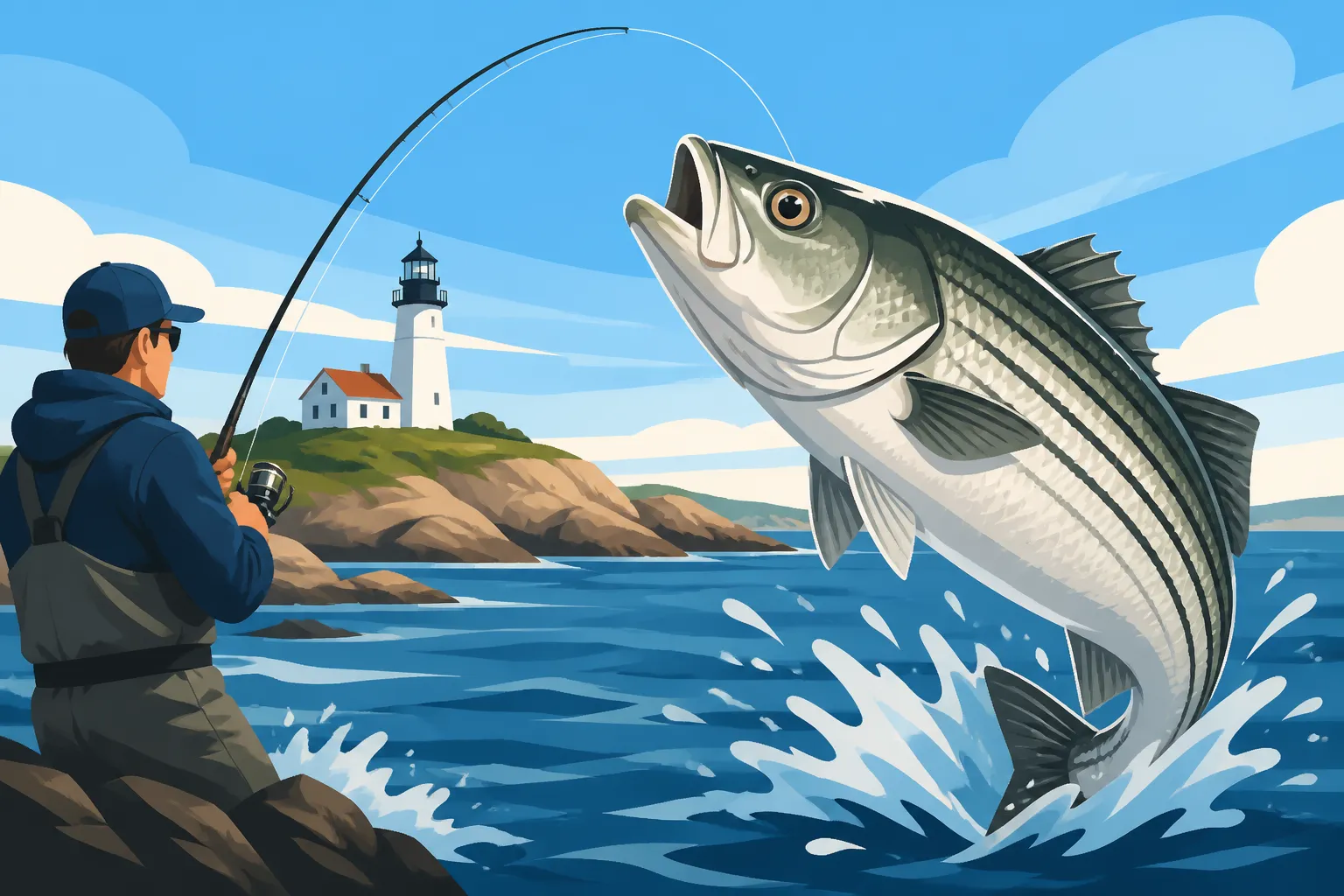
Best spots in Cape Ann for striped bass
Oh, the allure of casting a line on Cape Ann, especially when you're dreaming of a massive striped bass tugging back! Finding those prime striper spots can feel like a secret handshake sometimes, especially with such a diverse and rugged coastline. But don't you worry, because this guide is all about peeling back the layers and showing you exactly where to focus your efforts, whether you're fishing from shore or heading out on the water, to maximize your chances of hooking into some glorious Massachusetts striped bass.
Understanding Cape Ann's Allure for Striped Bass
Cape Ann, with its granite shores, bustling harbors, and expansive bays, is a genuine treasure trove for striped bass enthusiasts. It's a region where the wildness of the North Atlantic meets varied underwater topography, creating a dynamic environment that stripers simply can't resist. You'll find everything from shallow, rocky coves to deep channels and offshore ledges, all contributing to its reputation as a top-tier fishing destination.
Why Striped Bass Love Cape Ann's Waters
Striped bass are opportunistic predators, and what makes Cape Ann so appealing to them is the sheer abundance and variety of their preferred food sources, coupled with perfect ambush points. The area is teeming with baitfish like mackerel, herring, sand eels, and even squid, especially during their migratory periods. These baitfish get funneled into inlets and against rocky structures by strong tidal currents, creating easy pickings for hungry stripers. The rugged coastline, characterized by dramatic granite outcroppings, submerged rocks, and sandy coves, provides ideal habitat for stripers to hide, rest, and ambush prey. These natural features create current breaks and eddies where baitfish congregate, and where stripers instinctively know they can find a meal without expending too much energy.
Seasonal Movements and Best Times to Fish
Just like us, striped bass are creatures of habit, and their movements around Cape Ann are heavily dictated by the seasons and water temperature. Knowing when and where they're likely to be can make all the difference between a slow day and a banner one.
In spring, typically from late April to early June, the first waves of migratory stripers arrive. These are often smaller "schoolie" stripers, following the warming waters and the first runs of baitfish, like river herring, into the shallower bays and estuaries. They're usually quite aggressive after their long migration and can be found close to shore, especially around river mouths and protected coves. This is a fantastic time for light tackle and flies.
As summer progresses (June through August), the larger "cow" stripers move into the area. They'll often push offshore to cooler, deeper waters during the day, especially when the sun is high and the inshore waters warm up significantly. You'll find them concentrating around deeper ledges, rips, and structures where they can find cooler water and dense schools of mackerel or bunker. However, they'll often venture back into the shallower areas and beaches during low light conditions – dawn, dusk, and especially at night – to feed on sand eels, crabs, and other inshore forage. Fishing the cooler waters of the Massachusetts striped bass fishing seasons can definitely pay off.
The fall run (September through November) is arguably the most exciting time to fish for striped bass on Cape Ann. As water temperatures begin to drop, stripers engage in a massive feeding frenzy, gorging themselves before their southward migration. This is when you can encounter incredible blitzes, with stripers of all sizes pushing massive schools of baitfish to the surface. They'll be found both inshore and offshore, often moving through the harbors and along the beaches. Keep an eye on bird activity, as diving gulls often signal a striper blitz below. This is prime time to target trophy fish.
Top Shore Fishing Hotspots on Cape Ann
For many anglers, the thrill of walking the shore, feeling the salty air, and casting into the unknown is what fishing is all about. Cape Ann offers a plethora of fantastic spots for shore-bound striped bass enthusiasts, each with its own character and challenges.
Gloucester Harbor and Its Outskirts
Gloucester Harbor isn't just a picturesque working port; it's a fantastic place to target striped bass right from the land. The mix of man-made structures and natural features creates a diverse environment that stripers love.
The State Fish Pier is a readily accessible spot that often holds fish. Stripers will cruise along the pier pilings, especially during incoming and outgoing tides, looking for baitfish that congregate in the currents. It's a great place for soaking bait like mackerel or clams, or for casting bucktail jigs or soft plastics. Early mornings and evenings tend to be the most productive. The surrounding areas, including the rocky shores just outside the main harbor, can also be quite fruitful, offering more secluded spots for those who prefer to avoid the crowds. You might also find stripers hanging around any commercial fishing boats that are offloading, as scraps often attract smaller baitfish, and thus, larger predators.
Another iconic spot is the Dogbar Breakwater, extending out from East Main Street. This granite breakwater is a classic surfcasting location, providing access to deeper water and strong currents that funnel baitfish right along its edge. Stripers can be found here throughout the season, but it truly shines during the spring and fall migrations. Live lining mackerel or casting large plugs like darters or pencil poppers can be very effective, especially at dawn, dusk, or under the cover of darkness. Be mindful of slippery rocks and changing tides when fishing here. Further along the coastline, beaches like Half Moon Beach or Niles Beach can also hold fish, particularly at night or during the spring and fall runs when stripers are less wary of shallow waters. They'll often feed on sand eels in the wash, making artificials that imitate these slender baitfish very effective.
Rockport's Rocky Coastline and Coves
Rockport is famous for its charming Motif No. 1, but its rugged coastline is a hidden gem for striped bass. This area is less about sandy beaches and more about navigating granite ledges and deep-water access.
Rockport Harbor itself, especially around the outer edges and near the jetties, can be surprisingly productive. Stripers will move in and out of the harbor with the tides, hunting for bait. Casting around the mooring fields or near the entrance can yield results, particularly during low light. However, the true gems here are often the more challenging-to-access rocky points and coves further up the coast. Areas like Bearskin Neck offer excellent casting opportunities into deeper water, but require careful footing. The sheer amount of structure provides endless ambush points for stripers, and casting artificials that imitate baitfish or crabs is the way to go here.
Perhaps the most renowned spot in Rockport is Halibut Point State Park. This stunning park offers incredible views and, for the adventurous angler, some fantastic rock fishing. The granite quarry and surrounding ledges provide deep water access right from shore, with strong currents and plenty of structure. This is a place for sturdy surfcasting gear and a willingness to explore. Live eels, large plugs, or heavy jigs can all entice a big striper here. Always prioritize safety at Halibut Point; waves can be unpredictable, and the rocks are extremely slippery, especially at high tide or after rain. These challenging spots are often less crowded than typical beach accesses, rewarding those willing to put in the effort.
Ipswich Bay and Plum Island Approaches
While Plum Island itself is a separate fishing mecca, the Cape Ann side of Ipswich Bay offers distinct and equally productive opportunities for shore anglers. These areas are characterized by a mix of sandy beaches, salt marsh estuaries, and deeper channels.
The mouth of the Annisquam River, where it meets Ipswich Bay, is a classic striper hotspot. The strong tidal currents pushing in and out of the river create excellent feeding conditions. Stripers will stack up in the channels and rips, ambushing baitfish moving with the flow. Shore access can be found around the Annisquam lighthouse area or along various points within the estuary, though some spots require local knowledge or a bit of a hike. Live mackerel or chunks of bunker fished on a fish-finder rig can be deadly here, as can soft plastic paddletails jigged along the bottom. This area can be particularly productive during the spring and fall migrations.
Wingaersheek Beach, a beautiful sandy expanse, might not scream "striper hotspot" at first glance, but it can be very productive, especially during the low light hours or at night. The outgoing tide often pulls baitfish from the Ipswich Bay estuaries, and stripers will patrol the drop-offs and sandbars just beyond the breaking waves. Casting metal-lip swimmers, needlefish plugs, or even large bucktail jigs can be effective here. Look for areas with slightly deeper water or subtle changes in bottom contour. The beach also has some rocky outcroppings on its eastern end, which can provide additional structure and ambush points for migrating fish. Remember that access and parking at Wingaersheek can be challenging during peak season, so plan accordingly for early morning or late evening trips.
Prime Boat Fishing Locations Around Cape Ann
For those with access to a boat, Cape Ann truly opens up, offering unparalleled opportunities to chase striped bass in a variety of environments, from the protected waters of its harbors to the open ocean ledges.
Inner and Outer Gloucester Harbor
Gloucester Harbor provides an excellent starting point for boat anglers. The inner harbor offers protected waters that can hold surprisingly large fish, while the outer harbor transitions into more open, yet still productive, areas.
Within the inner harbor, look for structures like the State Fish Pier, docks, and moored boats. Stripers will often hold close to these features, especially if there are baitfish around. Trolling small plugs or soft plastics can be effective, as can casting jigs into deeper holes. The currents around the harbor entrance are key, as they sweep baitfish in and out. The area around Ten Pound Island, situated at the entrance to the inner harbor, is a known hot spot. The currents create rips around the island, and stripers will lie in wait there. Live lining mackerel or chunking fresh bait can be very productive around these current seams.
Moving into the outer harbor, the depth increases, and you'll find more pronounced bottom structure. Look for contour changes, submerged rocks, and humps on your fish finder. These areas are ideal for drifting with live mackerel or trolling larger plugs. The mouth of the harbor, where it opens up to the vastness of the Atlantic, is a critical transition zone. This is where large schools of mackerel and herring often pass, drawing in bigger stripers. Keep an eye on your sonar for bait balls and any signs of predators. Trolling tube and worm rigs or deep-diving plugs is a time-tested method in these areas, especially along the deeper channels and edges.
Nearshore Reefs and Ledges
Beyond the immediate protection of the harbors, Cape Ann boasts an incredible array of nearshore reefs and ledges that are absolute magnets for large striped bass. These areas are where you'll often find the biggest fish holding, especially during the summer months.
Thatcher's Island, with its iconic twin lighthouses off Rockport, is not just a landmark; it's a prime fishing destination. The waters around Thatcher's are rich with structure, current, and bait. Stripers school up around the ledges and rocky outcrops, particularly on both sides of the island where the current creates strong rips. Live lining mackerel or trolling large bunker spoons are popular and highly effective methods here. Jigging with heavy diamond jigs or vertical jigs can also work when stripers are holding deep. The visibility of the lighthouses also makes this area easy to navigate for new anglers, though boat traffic can be heavy on good weather days.
Further offshore, but still within easy reach, are countless unnamed ledges, humps, and rocky bottom formations. Places like Dry Salvages (a notorious rocky area) or Straitsmouth Island offer similar productive grounds. These spots are best explored with a good chartplotter and fish finder. When you mark bait or stripers, be prepared to deploy live bait, cast heavy topwater plugs (if they're busting), or jig with soft plastics. The key to these offshore spots is often the tide; fishing the moving water, especially the beginning or end of a strong current, can trigger a feeding frenzy. For those looking to explore with a seasoned captain, platforms like FishingBooker list numerous local charters that specialize in these productive offshore spots, saving you the guesswork and equipping you with the right gear and knowledge.
Ipswich Bay's Productive Flats and Channels
Ipswich Bay, while shallower in many areas than the open ocean, offers expansive and highly productive grounds for boat anglers, especially where its sandy flats meet deeper channels and estuaries.
The main channels and deep spots within Ipswich Bay are critical for targeting stripers. These channels, often carved out by tidal flow, act as highways for migrating baitfish and, consequently, for striped bass. Look for areas where the depth changes abruptly or where a channel winds close to a sandbar or rocky point. Trolling live mackerel or artificials like tube-and-worm rigs along these channel edges is a classic and effective technique. The shallower flats bordering these channels, particularly during high tide, can also hold stripers that move in to feed on crabs and other crustaceans. This is a great area for casting soft plastic swimbaits or weighted flies.
Estuaries feeding into Ipswich Bay, such as the Essex River or the Parker River, are also fantastic areas to explore by boat, especially during the spring and fall runs. Stripers will push deep into these estuaries, chasing herring and other bait. Navigate carefully, as these areas can be shallow, but the rewards can be substantial. Casting soft plastics, smaller plugs, or even fly fishing can be highly effective in these estuarine environments. Utilizing a local charter from a platform like FishingBooker can provide invaluable insight into navigating these complex waters and pinpointing the most productive zones, ensuring a safe and successful trip.
Essential Techniques and Gear for Cape Ann Stripers
Successfully targeting striped bass on Cape Ann requires more than just knowing where to go; it also demands an understanding of effective techniques and the right tackle for the job. The varied environments, from heavy surf to deep offshore ledges, necessitate a versatile approach.
Effective Lures and Baits
When it comes to enticing striped bass, having a diverse arsenal of lures and baits is key. Stripers can be finicky, and what works one day might not work the next.
For artificial lures, you can't go wrong with a selection of classic and modern favorites.
- Plugs: Topwater plugs like pencil poppers or walking baits are thrilling when stripers are actively feeding on the surface during a blitz. Metal-lip swimmers or divers (like those from the popular Rebel or Rapala brands) are excellent for imitating baitfish just under the surface or at mid-depth. Darters are fantastic for imitating fleeing baitfish in turbulent water, especially around jetties and rocky points.
- Soft Plastics: These are incredibly versatile. Paddle tail swimbaits (like those from Tsunami or Hogy) rigged on a jig head can be deadly, mimicking a wide range of baitfish. Soft plastic stick baits (like the ever-popular Slug-Go) can be fished weightless for a slow, erratic retrieve that stripers can't resist, or on a weighted hook for deeper presentations.
- Jigs: Bucktail jigs are a timeless classic, effective in nearly all conditions, especially when tipped with a pork rind or soft plastic trailer. Diamond jigs are great for deep water jigging when stripers are holding near the bottom or for casting into fast currents.
For natural baits, nothing beats fresh.
- Mackerel: Live mackerel is probably the king of striped bass baits in this region. Whether live-lined, slow-trolled, or chunked, fresh mackerel is irresistible to stripers. You can often catch your own mackerel in the area before targeting stripers.
- Eels: Live eels are deadly, especially at night around rocky structure. Stripers love them, and they're often the go-to bait for targeting larger fish after dark.
- Clams: Clams, especially fresh sea clams, are excellent for bottom fishing in sandy areas, particularly in the spring.
- Bunker (Menhaden): While more prevalent south of Cape Ann, bunker can occasionally show up, and chunked bunker is a highly effective bait when available. For more details on bait selection, check out Best Bait for Trout Fishing in Massachusetts.
Tackle Recommendations for Shore and Boat
Having the right rod and reel setup is crucial for both casting distance and fighting power.
For shore fishing, especially surfcasting from beaches or jetties, a medium-heavy to heavy power surf rod, typically 9 to 11 feet long, paired with a reliable spinning reel in the 6000-8000 size range, is ideal. This setup allows you to cast heavy lures or baits a long distance and handle powerful fish in strong currents. Spool your reel with 30-50 lb braided line, which offers superior casting distance and sensitivity, and use a 30-50 lb fluorocarbon leader for abrasion resistance against rocks and sharp striper mouths. A good quality pair of surf spikes for your rod and a headlamp are also essential for night fishing.
For boat fishing, a slightly shorter and lighter setup is usually preferred for greater maneuverability. A medium-heavy conventional or spinning rod, 6 to 7.5 feet long, paired with a reel in the 5000-6000 size range, spooled with 30-40 lb braid, works well for jigging, live lining, and light trolling. If you plan on heavier trolling with larger plugs or tube and worm rigs, a dedicated trolling rod with a conventional reel might be beneficial. Always have a good landing net or a BogaGrip-style tool for safely landing and releasing fish. Don't forget a sharp pair of pliers for hook removal and a measuring tape to ensure your catch meets the Massachusetts Striped Bass Size and Bag Limit regulations.
Reading the Tides and Currents
Understanding the tides and currents is perhaps the most critical skill for consistent striped bass success on Cape Ann. The diverse geology of the region means that tidal flows can be highly localized and create unique feeding opportunities.
Stripers are often most active during moving tides, particularly the last two hours of the incoming tide and the first two hours of the outgoing tide. These periods concentrate baitfish and create current rips where stripers lie in wait.
- Incoming Tide: As the tide rises, stripers will move into shallower areas, coves, and estuaries, following baitfish that are pushed in by the rising water. This is a great time to fish sandy beaches, river mouths, and the edges of salt marshes.
- Outgoing Tide: As the tide falls, baitfish are flushed out of estuaries and off the flats, creating an easy meal for stripers waiting in deeper channels, at the mouths of rivers, or around points and jetties. This is often a prime time for fishing areas like the Annisquam River mouth or the edges of Ipswich Bay.
The specific "best" tide can vary dramatically by location, so observation is key. If you're fishing a specific rocky point, a strong outgoing current might be best for carrying bait past the point, while a protected cove might fish better on an incoming tide. Pay attention to how the current interacts with structure – ledges, rocks, jetties, and even changes in bottom contour create eddies and current breaks where stripers conserve energy while waiting for prey. Learning to "read the water" and understand these micro-currents will significantly improve your catch rates. Always consult a local tide chart before heading out, and consider how wind direction might interact with the tide to create additional current or calm spots.
Booking a Cape Ann Striped Bass Charter
While shore fishing and boating on your own can be incredibly rewarding, sometimes you just want to fast-track your success, learn from the best, and get right to the fish. That's where a Cape Ann striped bass charter comes in.
Benefits of a Guided Trip
Booking a guided fishing trip offers a ton of advantages, especially if you're new to the area, don't have a boat, or simply want to maximize your chances of catching a trophy fish. Local captains are on the water almost daily and possess an intimate knowledge of the best fishing spots in Cape Ann for striped bass. They know the current patterns, bait movements, and striper behavior in real-time, which can be invaluable.
Imagine stepping onto a boat fully equipped with top-of-the-line rods, reels, and a vast array of lures and live bait – all included in the price. You don't have to worry about bringing your own gear or figuring out the best setup for the day. Furthermore, charter captains are experts at everything from knot tying to reading electronics to safely handling fish. They'll teach you effective techniques, help you improve your casting, and ensure you're using the right presentation for the conditions. This hands-on guidance can drastically accelerate your learning curve and make you a more confident angler. Plus, they handle all the safety aspects, navigation, and even the necessary Massachusetts Fishing License Guide for their passengers, making your trip truly hassle-free.
Choosing the Right Charter
With several excellent charter operations running out of Gloucester and Rockport, choosing the right one for your striped bass adventure is important. Consider what kind of trip you're looking for. Do you want a fast-paced live lining trip for big cows offshore? Or a more relaxed inshore trip where you might cast artificials or soak bait?
When looking for a charter, always check their specialization. Some boats focus heavily on tuna or cod, while others are truly dedicated to striped bass. Read reviews, look at photos of their catches, and don't hesitate to call the captain to discuss your expectations. You'll want to ensure the boat is well-maintained and the captain is licensed and insured. Platforms like FishingBooker are excellent resources for finding reputable Cape Ann fishing charters. You can browse various boats, compare prices, check availability, and read authentic reviews from previous clients, all in one place. They make it incredibly easy to see what kind of trips are offered, from half-day excursions to full-day adventures targeting those elusive trophy stripers. Don't be afraid to ask about their preferred methods – some excel at trolling, others at live bait, and many are proficient in all techniques. By taking a little time to research on a platform like FishingBooker, you can ensure your Cape Ann striper trip is everything you dreamed of and more.
| Spot Name | Primary Access | Best Techniques | Target Tides | Key Features |
|---|---|---|---|---|
| Dogbar Breakwater | Shore (Gloucester) | Surfcasting (plugs, eels) | Moving | Deep water, strong currents, excellent night fishing |
| Halibut Point State Park | Shore (Rockport) | Rock fishing (jigs, plugs, eels) | Moving | Deep ledges, rugged terrain, challenging access |
| Annisquam River Mouth | Shore/Boat (Gloucester) | Live bait, soft plastics, jigging | Outgoing | Strong currents, estuary runoff, baitfish congregation |
| Inner Gloucester Harbor | Boat (Gloucester) | Trolling, jigging, live bait | All | Structures (piers, docks), protected waters, Ten Pound Island |
| Thatcher's Island Ledges | Boat (Rockport) | Live lining mackerel, trolling, jigging | Moving | Offshore reefs, rips, abundant baitfish, large stripers |
| Wingaersheek Beach | Shore (Gloucester) | Surfcasting (swimmers, needlefish) | Low light, outgoing | Sandy beach, sandbars, good for spring/fall, night fishing |
Disclaimer
Please note that fishing conditions, regulations, and fish populations can change. Always consult the latest Massachusetts Division of Marine Fisheries (MassDMF) regulations before heading out. Safety on the water is paramount; be aware of weather conditions, wear appropriate safety gear, and always fish responsibly.