Best pond fishing near Plymouth
It's a familiar scenario for so many of us in Massachusetts: you’re itching to cast a line, you know the Plymouth area is bursting with beautiful water bodies, but figuring out which pond is actually worth your time can feel like a daunting task. Between endless online lists and conflicting advice, finding that perfect freshwater fishing spot where the fish are biting and the scenery is just right can be a real challenge. This guide is here to cut through the noise, offering up the best pond fishing near Plymouth, Massachusetts, complete with insider tips to ensure your next outing is a memorable one.
Why Plymouth is a Freshwater Angler's Dream (and Challenge)
Plymouth, Massachusetts, isn't just about historic rocks and stunning coastline. Venture inland a bit, and you'll discover a freshwater angler's paradise, dotted with an incredible array of ponds and lakes. These aren't just puddles; many are deep, ancient kettle ponds carved out by glaciers, offering diverse ecosystems and robust fish populations. But with so many options, from sprawling lakes to hidden gems, it's easy to feel overwhelmed when trying to pick "the spot."
The Allure of Plymouth's Ponds
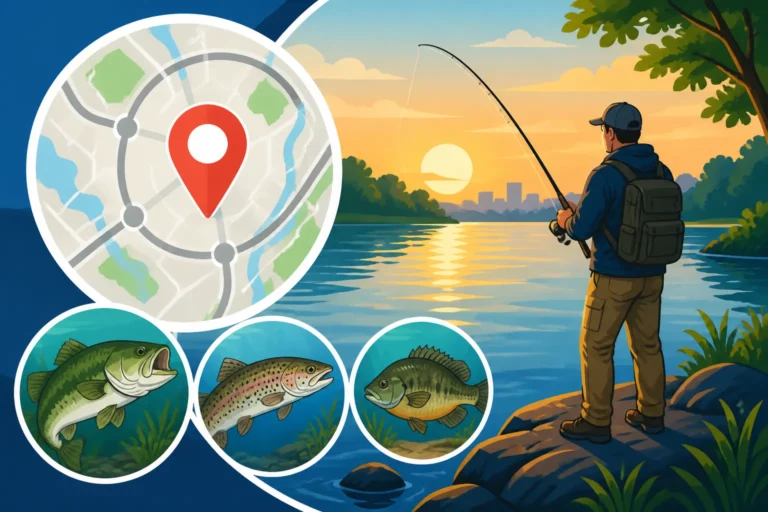
There's a special kind of peace that comes with pond fishing. Away from the crashing waves and saltwater spray, these tranquil waters offer a different rhythm. For families, ponds are often ideal – calmer waters, easier access, and a better chance for kids to hook into panfish, keeping their excitement high. Plus, the sheer variety of species you can target in Plymouth’s ponds is fantastic. You're not just limited to one or two types of fish; you can often find largemouth bass, smallmouth bass, chain pickerel, various panfish like yellow perch and bluegill, and even stocked trout in many locations. This diversity keeps things interesting, allowing you to switch up your techniques and try for different species throughout the day.
What makes Plymouth particularly special is its unique geography. The area's glacial history has left behind countless "kettle ponds" – deep, clear, often spring-fed bodies of water that support healthy aquatic life. These ponds often boast excellent water quality, which translates to vibrant fish populations. However, the sheer number of these ponds can be a double-edged sword. While it means endless possibilities, it also means a lot of guesswork if you don't have local knowledge or a solid recommendation. We've all driven to a promising-looking pond only to find limited access or no signs of life, haven't we? It's frustrating when you just want to get your line wet.
Understanding Local Dynamics and Regulations
Before you even think about packing your tackle box, there's one non-negotiable step: getting your Massachusetts fishing license. It's not just a formality; it's a vital contribution to the conservation efforts that keep these beautiful ponds stocked and healthy for future generations. For a comprehensive overview, check out our Massachusetts Fishing License Guide. Remember, regulations can change, so it's always smart to verify the latest rules from the Massachusetts Division of Fisheries and Wildlife (MassWildlife) website. This includes understanding bag limits, minimum sizes, and any catch-and-release requirements for specific species or ponds.
Beyond the general license, some specific ponds might have unique rules, especially those managed for trout stocking or particularly sensitive ecosystems. For instance, while most ponds are fairly straightforward, larger reservoirs or certain protected areas might have restrictions on boat types, motor sizes, or even access points. It's always worth a quick check on the MassWildlife site for the specific pond you plan to visit. Understanding these local dynamics and regulations ensures you’re not only fishing legally but also contributing to the sustainable enjoyment of these precious natural resources. No one wants to accidentally break a rule and risk a fine, especially when you're just out there trying to relax!
Top Pond Fishing Spots Near Plymouth, Massachusetts
When it comes to freshwater fishing around Plymouth, you're spoiled for choice. However, some ponds consistently stand out for their accessibility, fish populations, and overall angling experience. These are the spots where you’re most likely to have a successful and enjoyable day, whether you're chasing trophy bass or simply enjoying a relaxing afternoon with a bobber and worm.
Long Pond (Lakeville/Freetown/Rochester)
While not directly in Plymouth, Long Pond is close enough and significant enough to be an absolute must-mention for anyone serious about pond fishing in Southeastern Massachusetts. Spanning over 1,700 acres and stretching across three towns (Lakeville, Freetown, and Rochester), it’s one of the largest natural bodies of water in the state, offering an incredible diversity of fishing opportunities. This isn't just a pond; it's a full-fledged lake experience.
Long Pond is renowned for its robust populations of largemouth and smallmouth bass. Anglers regularly pull out lunker largemouths, especially around the abundant submerged structure, weed lines, and lily pads that dot its shores. Smallmouth bass can be found in deeper, rockier areas, particularly offshore humps and drop-offs. Beyond bass, Long Pond is a fantastic trout fishery, with MassWildlife stocking it annually with rainbow, brown, and brook trout. You can also expect to encounter chain pickerel, yellow perch, white perch, and even a decent number of crappie and sunfish, making it a truly multi-species destination. Access is excellent, with multiple public boat ramps allowing for easy launch of powerboats, kayaks, and canoes. There are also several areas with shore access, though these might require a bit more searching. For more in-depth information on this gem, consult our guide on Long Pond Fishing in Southeastern Massachusetts.
Fearing Pond (Plymouth)
Right in Plymouth, Fearing Pond is a smaller, charming kettle pond that offers a more intimate fishing experience. At about 100 acres, it's considerably more manageable than Long Pond, making it a favorite for those looking for a quieter outing or families with younger anglers. Don't let its size fool you, though; Fearing Pond is a highly productive fishery.
This pond is particularly known for its trout fishing, as MassWildlife regularly stocks it with rainbow trout, especially in the spring and fall. These fresh stockings provide fantastic opportunities for anglers using everything from PowerBait and worms to small spoons and spinners. Beyond trout, Fearing Pond also holds a healthy population of largemouth bass, which often hang around the edges of the pond where there's submerged cover. You'll also find plenty of panfish, including yellow perch and sunfish, making it a great spot for kids to get consistent bites. Shore access is quite good, with several open areas along the perimeter, and it's also perfect for hand-carry boats like kayaks and canoes. Because of its stocking program, it’s a great idea to check the Massachusetts Trout Stocking Schedule to time your visit for optimal trout action.
South Pond (Plymouth)
Another fantastic option within Plymouth's borders is South Pond. This approximately 170-acre pond is part of a larger chain of interconnected ponds, which often means good water flow and a dynamic ecosystem. It's a popular spot, particularly among local bass anglers, and for good reason.
South Pond consistently produces quality largemouth bass, with anglers reporting good numbers and decent sizes. The pond features a varied bottom contour with submerged vegetation, fallen trees, and rocky areas, all of which provide excellent habitat for bass. Chain pickerel are also abundant here, offering an exciting fight on light tackle. For those looking for panfish, yellow perch and sunfish are plentiful. There's a public boat ramp available, making it easy to launch larger boats, but kayak and canoe anglers will also find plenty of water to explore along its irregular shoreline. If you're targeting bass, focus on fishing the edges of weed beds and submerged structures, especially during the early morning or late evening hours.
Little Pond (Plymouth)
For those who prefer a more secluded and perhaps less pressured fishing experience, Little Pond in Plymouth can be a hidden gem. While smaller, around 50 acres, it often gets overlooked in favor of its larger neighbors, which can work to your advantage. It provides a peaceful retreat and solid fishing for its size.
Little Pond is primarily a bass and panfish haven. Largemouth bass find plenty of cover in the pond's aquatic vegetation and fallen timber, and they can be quite active, especially on warmer days. Sunfish and yellow perch are abundant, making it an excellent spot for casual angling or introducing new anglers to the sport. Access here is a bit more limited compared to the larger ponds, but it's perfect for those who enjoy fishing from a kayak, canoe, or even a paddleboard. You might need to explore a bit to find the best shore fishing spots, but the reward is a tranquil environment and cooperative fish. This is the kind of spot where you can truly unwind, listen to the sounds of nature, and enjoy the simple pleasure of fishing without much competition.
Billington Sea (Plymouth)
Billington Sea, despite its misleading name, is a large, freshwater lake located just outside of downtown Plymouth, covering nearly 270 acres. This historic body of water is not only picturesque but also offers a diverse and productive fishery. It's a fantastic option that combines convenient access with excellent angling opportunities.
This impressive pond is a prime location for largemouth bass and chain pickerel. Anglers frequently land quality bass, especially by targeting the numerous weed lines, submerged logs, and docks that line its shores. The pickerel here are often aggressive and can provide exciting action. Billington Sea is also regularly stocked with trout, adding another dimension to its fishery, particularly in the cooler months. Yellow perch and other panfish are also readily available, making it a great spot for various fishing styles. A public boat ramp provides easy access for all types of watercraft, from small Jon boats to larger fishing vessels. Shore access is also decent in several areas, offering options for those without boats. Its varied depths and structures mean there's always something new to explore, making Billington Sea a consistently popular choice for locals and visitors alike.
Essential Gear and Techniques for Plymouth Pond Fishing
Successfully fishing in Plymouth's ponds isn't just about knowing where to go; it's also about having the right tools and knowing how to use them. You don't need a boatload of expensive gear, but a thoughtful selection can make all the difference between a frustrating day and a fantastic one.
Rods, Reels, and Lines
For most pond fishing scenarios in Massachusetts, versatility is key. A medium-light to medium-action spinning rod, around 6 to 7 feet long, paired with a matching spinning reel, is a fantastic all-around setup. This combination is sensitive enough to detect subtle bites from panfish but has enough backbone to handle a feisty largemouth bass or a strong trout. For your line, 6 to 10-pound test monofilament is a reliable choice for its castability and knot strength, especially if you're targeting a mix of species. However, if you plan on throwing heavier lures or fishing in dense cover for bass, a braided line of 15-20 pound test with a fluorocarbon leader can offer superior strength and sensitivity.
Think about the primary species you're chasing. If you're focused on smaller panfish with the kids, a lighter, more flexible rod will make even small fish feel exciting. If you're a serious bass angler, a slightly heavier action rod will give you more control when setting the hook and muscling fish out of cover. Having a couple of different setups can be beneficial if you plan on targeting a wide range of fish or switching between bait types. For instance, a dedicated ultra-light setup for panfish can be incredibly fun and sensitive.
Baits and Lures That Get Bites
The beauty of pond fishing is the sheer variety of baits and lures that can be effective. For reliable action, especially if you have kids along, live bait is often unbeatable. Worms (nightcrawlers, red worms), mealworms, and small shiners are perennial favorites that appeal to almost all freshwater species, from sunfish and perch to bass and trout. Just make sure to check local regulations for any restrictions on using live bait or possessing certain species as baitfish.
When it comes to artificial lures, the possibilities are endless. For largemouth bass, soft plastic worms, creature baits, and jigs are incredibly effective when fished slowly around cover. Crankbaits and spinnerbaits can cover water quickly and entice aggressive strikes. If you're looking to target bass with topwater action, particularly in the summer mornings or evenings, poppers, walk-the-dog lures, and hollow-body frogs can be exhilarating. Trout respond well to small spoons (like Kastmasters or Phoebe spoons), inline spinners (such as Rooster Tails or Mepps), and PowerBait or small pieces of corn. For panfish, tiny jigs tipped with a grub or a small piece of worm, or even just a bare hook with a kernel of corn under a bobber, will usually do the trick. If you're specifically targeting bigger bass, our guide on the Best Lures for Largemouth Bass in Massachusetts offers some excellent advice.
Navigating Access and Watercraft
How you access a pond can significantly impact your fishing experience. Shore fishing is often the easiest and most accessible option, perfect for casual outings or when you don't have a boat. Most of the ponds near Plymouth have at least some public shore access, but it might involve walking trails or finding discrete spots. The downside is that you're limited to casting distance from the bank, which might mean missing out on deeper holes or offshore structure.
For a more comprehensive approach, a small watercraft can be a game-changer. Kayaks and canoes are ideal for smaller ponds like Little Pond or Fearing Pond. They allow you to quietly explore coves, get into tighter spots, and reach areas that shore anglers can't. Plus, they offer a wonderful sense of peace on the water. Larger ponds like Long Pond and Billington Sea are big enough to warrant powerboats, especially if you want to cover a lot of water or troll for trout. However, remember that some ponds might have motor restrictions, so always check before launching. If you're considering a kayak, you might be interested in whether Do You Need a Boat Registration to Kayak Fish in Massachusetts?. No matter your choice of watercraft, always prioritize safety: wear a life jacket, especially if you're alone or unfamiliar with the water.
Planning Your Plymouth Fishing Adventure
A successful fishing trip often comes down to good planning. By considering the seasons, staying informed about regulations, and seeking out local knowledge, you can dramatically improve your chances of a great day on the water in Plymouth.
Best Times to Fish
Understanding the seasonal patterns and daily rhythms can make a huge difference in your catch rates. Spring is often considered prime time for pond fishing in Massachusetts. As ice melts and water temperatures rise, fish become more active, feeding aggressively after a long winter. This is especially true for stocked trout, which are abundant in the spring following MassWildlife's stocking efforts. Bass also move into shallower waters to spawn, making them more accessible.
Summer fishing can be excellent, particularly during the early morning hours or late in the evening as the sun begins to set. During the heat of the day, fish often retreat to deeper, cooler waters or dense cover. Fall offers another fantastic window, especially for trophy bass and aggressive pickerel as they feed heavily in preparation for winter. The cooler water temperatures also make trout more active. Winter, for the adventurous, means ice fishing, which can be incredibly productive for panfish, pickerel, and even some bass. Generally, low light conditions – dawn and dusk – are almost always the best times to fish, regardless of the season. To truly maximize your efforts, understanding the Best Time of Year to Fish in Massachusetts will give you an edge.
Checking Regulations and Local Knowledge
I can't stress this enough: always double-check the latest fishing regulations before you head out. MassWildlife's website is the authoritative source for all rules, including specific daily bag limits and size restrictions for different species. Regulations can and do change, sometimes even mid-season, so a quick visit to the website ensures you’re always compliant. A good read is our general overview, Massachusetts Recreational Fishing Rules and Bag Limits. Nobody wants a surprise run-in with an Environmental Police Officer.
Beyond official regulations, tapping into local knowledge can be invaluable. Your local bait and tackle shops are treasure troves of information. The folks working there live and breathe local fishing, and they often know what's biting, what baits are working, and any recent changes in the ponds. They can tell you about specific hotspots, recent stocking events, or even tricky access points. Don't be shy about striking up a conversation! Online fishing forums or local Facebook groups for Massachusetts anglers can also provide real-time updates and tips from fellow enthusiasts. Sometimes, a quick post asking for recent conditions can save you a lot of time and guesswork.
Maximizing Your Catch and Experience
Beyond the gear and the spots, consider how you approach your fishing. Practicing catch-and-release, especially for larger breeding fish, helps sustain healthy fish populations. If you plan to keep fish, be mindful of the Massachusetts Freshwater Daily Catch Limits and only take what you'll realistically eat. Always follow "Leave No Trace" principles by packing out everything you pack in, and perhaps even picking up a bit of trash you find along the way. Our natural spaces are a shared resource, and it’s up to all of us to keep them beautiful.
If you’re feeling a bit stuck, or perhaps you want to learn specific techniques like how to effectively use soft plastics for bass, or even just find the absolute best spots without the guesswork, consider hiring a local freshwater fishing guide. These professionals spend countless hours on the water and can put you on fish quickly, while also teaching you invaluable skills. A quick search on platforms like FishingBooker can help you find experienced guides in the Plymouth area who specialize in freshwater ponds. They can provide all the necessary gear, expertise, and local insights, making your trip incredibly productive and educational. Whether you're a seasoned angler looking to refine your skills or a beginner needing a jumpstart, a guide can transform your experience. You can find more information on this option in our guide to Freshwater Fishing Guides in Massachusetts. Another excellent resource to brush up on specific techniques for one of the most popular species is our Largemouth Bass Fishing in Massachusetts article.
| Pond Name | Primary Fish Species | Best Access Type | Suitability for Families | Key Features |
|---|---|---|---|---|
| Long Pond | Largemouth Bass, Smallmouth Bass, Trout | Boat Ramps, some Shore Access | Good | Very large, deep, diverse fishery, multiple boat ramps. |
| Fearing Pond | Trout (stocked), Largemouth Bass, Panfish | Shore Access, Hand-Carry Boats | Excellent | Smaller, quiet, regularly stocked with trout, family-friendly. |
| South Pond | Largemouth Bass, Chain Pickerel, Panfish | Boat Ramp, some Shore Access | Good | Part of interconnected system, good bass structure. |
| Little Pond | Largemouth Bass, Sunfish, Perch | Limited Shore, Kayak/Canoe | Good (quiet) | Secluded, less pressure, ideal for quiet paddle craft. |
| Billington Sea | Largemouth Bass, Chain Pickerel, Trout, Perch | Boat Ramp, good Shore Access | Good | Historic, large pond, diverse fishery, scenic. |
Disclaimer
The information provided in this guide is for general informational purposes only. Fishing regulations, conditions, and fish populations can change frequently. Always consult the official Massachusetts Division of Fisheries and Wildlife (MassWildlife) website for the most current regulations and advisories before planning your fishing trip. The author and publisher are not responsible for any incidents, accidents, or regulatory violations that may occur. Please fish responsibly and safely.