When striped bass leave Massachusetts in the fall
That peculiar mix of excitement and melancholia hits every Massachusetts angler as the cooler air sweeps in and the leaves begin their vibrant transformation. We cherish those final warm days, but in the back of our minds, a question always lingers: when, exactly, are those magnificent striped bass going to pack up and bid farewell to our waters for the season? It’s a natural worry, a race against the calendar to squeeze in those last few thrilling encounters. This guide is all about demystifying the fall departure of striped bass, helping you understand the cues and maximize your chances before they're truly gone.
The Grand Autumn Migration: Understanding the Striped Bass Fall Run
The idea of striped bass "leaving" Massachusetts in the fall isn't a sudden, synchronized mass exodus, but rather a grand, instinct-driven migration. Think of it less as a clear-cut departure date and more as a dynamic "fall run" where fish, in varying sizes and numbers, begin their journey south to warmer wintering grounds. This migration is a crucial part of their life cycle, ensuring their survival through the colder months when food becomes scarce in northern waters. For anglers, it’s a period of intense activity, often yielding some of the most memorable catches of the year before the season truly winds down.
The Why Behind the Goodbye
Striped bass, being ectothermic creatures, are highly sensitive to water temperature. As the Massachusetts waters steadily cool down from their summer highs, a biological trigger compels these fish to move. Their comfort zone, and indeed their survival zone for feeding and metabolism, generally shifts with the temperature. Once water temperatures consistently drop below the optimal feeding range—typically below 50-55°F—their instinct to migrate south becomes paramount. This southward journey isn't just about escaping the cold; it's also about following their primary food sources. Schools of baitfish like mackerel, menhaden (bunker), and various herring species also begin their own migrations out of bays and coastal areas, heading towards deeper, warmer ocean waters. The stripers are simply following their dinner, fueling up for the long journey ahead. If you're serious about targeting these fish, understanding the "why" behind their movement is key to successful Massachusetts Striped Bass Fishing It helps you anticipate where they'll be and what they'll be doing.
General Timeline and Peak Activity
While the exact timing can fluctuate year to year, the striped bass fall run in Massachusetts generally kicks into high gear from late September through November. You'll usually see the first signs of the southbound migration in earnest around mid-September when cooler nights start to bring ocean temperatures down a notch. The peak of the activity often occurs from mid-October to early November. During this time, larger schools of bass, often including some of the biggest cows of the season, can be found aggressively feeding along the coast.
Areas like the Cape Cod Canal, the outer beaches of Cape Cod, and the South Shore become hotbeds of activity as waves of fish move through. The Cape Cod Canal, in particular, acts as a funnel for migratory fish, offering spectacular, albeit crowded, fishing opportunities. As November progresses, the numbers typically thin out, with only stragglers or resident fish remaining in more sheltered areas until the bitter cold sets in. By early to mid-December, most of the migratory striped bass have typically departed, leaving behind a few hardy locals and the promise of their return in the spring. If you want to know When striped bass season starts in Massachusetts, you'll see how it perfectly mirrors this migration pattern, beginning as they arrive in spring and ending as they leave in winter.
Factors Influencing the Departure Timeline
It would be too easy if the stripers packed up their bags on the exact same date every year. The reality is far more nuanced, with several environmental factors playing a significant role in accelerating or delaying their final departure from Massachusetts waters. This variability is what keeps us anglers on our toes, constantly checking forecasts and water temperatures.
Water Temperature as the Key Driver
Hands down, water temperature is the single most critical factor dictating when striped bass decide to leave. Their metabolic rate, feeding patterns, and migratory urges are all directly tied to the temperature of the water they inhabit. As the mercury drops, their activity slows, and the push south becomes undeniable. Generally, once sustained water temperatures consistently fall below 50-55°F, you'll see a significant drop-off in activity and numbers. By the time water temperatures hit the low 40s, most migratory bass will have exited Massachusetts waters. A sudden cold snap in late fall can trigger an almost immediate mass movement, clearing out fish that might have otherwise lingered for another week or two. Conversely, a prolonged Indian summer with unseasonably warm waters can extend the run well into late November or even early December in some years. This is why keeping an eye on marine forecasts and having a reliable water thermometer can be invaluable tools for the late-season angler.
To illustrate how critical water temperature is, consider this general guide:
| Water Temperature Range | Striped Bass Behavior | Angling Implication |
|---|---|---|
| 60-70°F (Summer Peak) | Active feeding, widespread | Excellent fishing, but can be sluggish midday |
| 55-60°F (Early Fall) | Aggressive feeding, preparing for migration | Prime fall run, fish fattening up |
| 50-55°F (Mid-Late Fall) | Strong migratory urge, last big feeds | Peak departure, often large schools |
| 45-50°F (Late Fall) | Slowing down, scattered fish | Only stragglers or resident fish, tough bite |
| Below 45°F (Early Winter) | Dormant or gone | Migratory fish gone, very rare catches |
Knowing these temperature ranges is crucial for anglers trying to time their trips, as covered in topics like Best Time of Year to Fish in Massachusetts.
Baitfish Abundance and Movement
You've heard the saying, "Find the bait, find the bass," and this holds especially true during the fall migration. Striped bass are opportunistic predators, and their southward journey often mirrors the migration of their primary food sources. If large schools of bunker (menhaden) are still present in bays and estuaries, or if mackerel are lingering off the coast, the striped bass will often stay close by, gorging themselves to build up fat reserves for the long trip.
However, once these baitfish schools start their own mass exodus, the stripers won't be far behind. A sudden scarcity of bait can push fish out of an area much faster than just falling water temperatures alone. Anglers who actively scout for bait—looking for nervous water, diving birds, or even relying on sonar—often have the most success during the fall run. It’s a dynamic interplay: water temperature dictates the general timing, but bait availability often fine-tunes the exact schedule of departure. Keeping an eye on what bait is around and where it’s moving is a vital piece of the puzzle, influencing How to Catch Striped Bass in Massachusetts.
Weather Patterns and Storms
Beyond just ambient air temperature, specific weather events can dramatically impact the striped bass migration. Strong nor'easters, those powerful coastal storms that frequent New England in the fall, can act as a catalyst for departure. The sudden drop in air and water temperatures, combined with heavy seas and strong currents, can effectively push schools of bass out of an area quickly. A prolonged period of cold, windy weather following a storm can cement their decision to move south, sometimes clearing out entire stretches of coastline in a matter of days.
Conversely, a mild, calm autumn with extended periods of warm, sunny weather can prolong the fishing season. An "Indian summer" can keep water temperatures stable and baitfish around longer, encouraging stripers to linger. It's not uncommon in such years to find good striped bass fishing well into mid-November, particularly in sheltered harbors or areas with deeper water that cools more slowly. Always check the long-range forecast when planning those late-season trips; it can give you a crucial edge in predicting the end of the bite.
Spotting the Last Stripers of the Season
Even as the migratory urge intensifies, there's always a chance to connect with stripers in Massachusetts before they completely disappear. These late-season opportunities often require a bit more effort and a keen understanding of where these fish might make their last stand. Don't give up too early; sometimes, the best fish of the year are caught in the final throws of the run!
Prime Locations for Late-Season Action
When the main schools begin their departure, some areas tend to hold fish longer than others. Look for locations that offer warmer water, deeper channels, or an abundance of lingering bait.
- River Mouths and Estuaries: Rivers and estuaries often retain warmer water temperatures longer than open coastal beaches, especially during sunny days. These areas can act as staging grounds for bass before they head out to sea. Fish will often follow the outgoing tides, presenting excellent opportunities for anglers.
- Protected Bays and Harbors: Docks, jetties, and sheltered coves in larger bays (like Buzzards Bay or Boston Harbor) can offer refuge from the cooling open ocean. These spots can hold "resident" stripers or stragglers well into late fall.
- Deeper Channels and Structure: Areas with significant depth changes or underwater structure, like rocky reefs or mussel beds, can concentrate baitfish and, consequently, striped bass. The deeper water provides a more stable temperature, allowing fish to hold longer.
- The Cape Cod Canal: While it's a funnel for the main migration, the Canal can also hold late-season fish, especially when a significant amount of bait (like herring) is moving through. Fishing the Canal by Season can offer insights into these late-season patterns.
- Power Plant Discharges: In some areas, the warmer water discharged from power plants can create a localized thermal refuge, attracting both bait and stripers long after other areas have cooled. Always check local regulations before fishing these spots.
It's all about finding those thermal breaks and food sources that encourage them to stay just a little bit longer.
Tactics for the Fading Run
As the water cools, striped bass generally become less energetic. This means your tactics need to adapt. Gone are the days of fast-moving topwater plugs that dominated summer mornings.
- Slower Retrieves: Bass are less likely to chase down fast-moving baits. Slow your retrieve way down, giving them ample time to inspect and commit. Think deliberate, slow presentations.
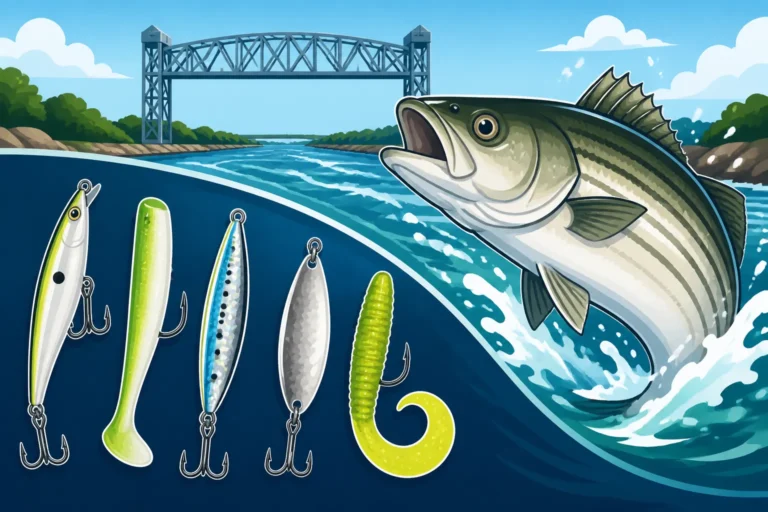
- Larger Profile Baits: As fish fatten up for migration, they often prefer a bigger meal. Large soft plastics, substantial swimbaits, or big darters can be highly effective. If you're looking to stock up on these, you can often find a great selection of Best Lures for Striped Bass in Massachusetts, including larger fall run favorites, on Amazon.
- Live Bait: If legal and available, live bait such as eels, pogies, or herring can be absolutely deadly. Presenting a slow-moving, natural offering is often irresistible to a lethargic striper.
- Jigging and Bottom Fishing: If fish are holding in deeper channels or around structure, vertical jigging with metal jigs or fishing bait on the bottom can be very productive.
- Night Fishing: As daylight hours shorten and water cools, stripers often become more active at night. Darker lures and slow presentations can pay off.
Remember, patience is key. The bites might be fewer and farther between, but the fish you do connect with are often well worth the effort. Always pay attention to the Massachusetts Striped Bass Size and Bag Limit, even in the excitement of the fall run.
Observing Local Conditions
Beyond just general patterns, paying close attention to hyper-local conditions is paramount for late-season success.
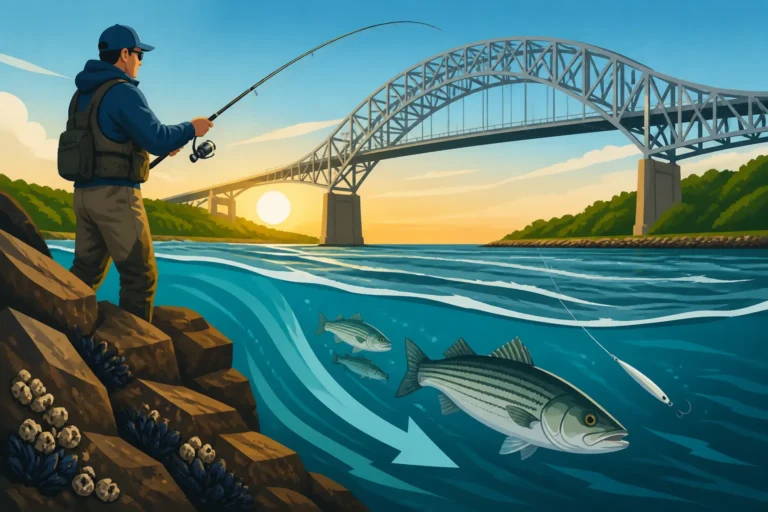
- Tides: Understanding tidal movements, particularly the effect of a How to fish a falling tide at the Cape Cod Canal, can be crucial. Bass often position themselves to ambush bait flowing out with the tide, especially near river mouths or current breaks.
- Water Clarity: Clearer water can make bass more wary, requiring longer casts and more subtle presentations.
- Surface Activity: Even if birds aren't diving, look for subtle signs of baitfish on the surface, or even a single nervous ripple that might indicate a striper below.
- Local Reports: Engage with other anglers, check local bait shops, and browse online fishing forums. These communities often share invaluable real-time information about where the last fish are being caught. Don't be afraid to ask around – most anglers are happy to share their knowledge, especially when the season is winding down.
This observational approach is a hallmark of truly skilled anglers and will significantly improve your chances of success during the challenging but rewarding late fall fishing.
Extending Your Season and Planning Ahead
The departure of the striped bass doesn't have to mean the end of your fishing season, or even the end of your fishing preparations. There's always something to do, whether it's chasing other species or getting ready for the next spring run.
Don't Miss the Final Flurry
It's tempting to hang up the rods once the cold truly sets in, but experienced anglers know that the absolute last few weeks of the fall run can sometimes produce some of the most memorable fishing. These "final flurries" often involve large, mature bass aggressively feeding on whatever remaining bait they can find. The crowds have thinned out, the air is crisp, and the satisfaction of hooking into a big striper when most others have given up is immense. So, resist the urge to winterize your gear too early! Keep an eye on those weather patterns and water temperatures. Sometimes, just one last warm spell can bring the fish back into play for a short, intense feeding window. Dressing warmly, perhaps with some good thermals and waterproof gear you picked up from Amazon, can make all the difference in comfort during these colder excursions.
Preparing for Next Year
Once the stripers have truly departed, it’s a perfect time for reflection and preparation. The off-season isn't just a waiting game; it's an opportunity to ensure you're ready for their return.
- Gear Maintenance: Take the time to properly clean, lubricate, and store your reels. Inspect rods for any damage, especially guides. Clean and sharpen hooks, or simply replace any that are showing signs of rust or dullness. This meticulous attention to detail prevents headaches when the spring run begins.
- Tackle Inventory: Go through your tackle boxes. What lures worked well? What didn't? What do you need to replace or add for next season? The winter months are a great time to research new techniques or lures, and you can often find great deals on new tackle, including specialized jigs or soft plastics, on Amazon.
- Study and Learn: Use the quieter months to deepen your knowledge. Read books, watch instructional videos, or explore articles on topics like Massachusetts Recreational Fishing Rules and Bag Limits. Understanding the regulations, or even just refreshing your memory, is always a good idea. You could also learn more about the overall Massachusetts Fishing Seasons Explained, giving you a broader picture of the year.
- Mapping and Scouting: Review maps of your favorite fishing spots. Did you notice any new structures or changes during the season? Consider new areas you might want to explore next year.
This proactive approach ensures that when the striped bass return in the spring, you're not just ready, you're ahead of the game.
Exploring Other Opportunities
While the absence of migratory striped bass can feel like the end of the world for some, Massachusetts waters still offer fantastic fishing opportunities throughout the late fall and into winter.
- Tautog (Blackfish): These incredibly strong, structure-oriented fish are a fall favorite, offering a challenging fight and delicious table fare. Their season often extends well into November and December, depending on specific regulations.
- Black Sea Bass: While many migrate south, some black sea bass can linger in deeper offshore waters through the fall.
- Freshwater Fishing: Don't forget our excellent freshwater fisheries! Fall can be prime time for targeting trout, particularly with the fall stocking schedule, or pursuing robust largemouth and smallmouth bass in lakes and ponds before ice-over. This can be a great way to scratch that fishing itch when the saltwater stripers are gone.
So, while saying goodbye to the striped bass for the fall is bittersweet, it opens doors to other angling adventures and the quiet anticipation of their triumphant return next spring.
Disclaimer
Please note: Fishing regulations, including seasons, bag limits, and size limits, are subject to change. Always consult the latest official Massachusetts Division of Marine Fisheries (MassDMF) or MassWildlife regulations before heading out on the water. This guide is for informational purposes only and does not constitute legal advice or an exhaustive list of all regulations.