Best time to fish after a storm on Cape Cod
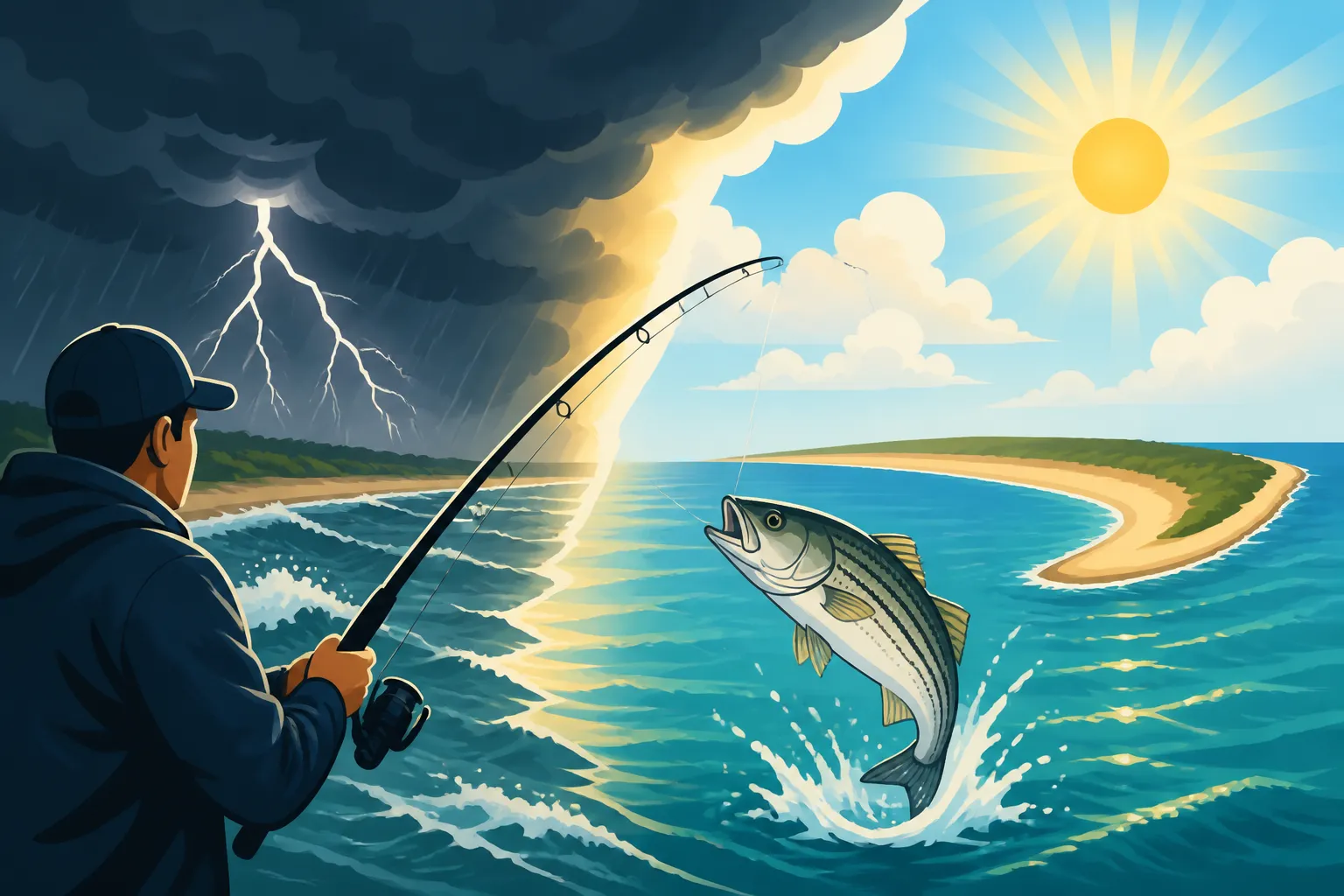
Oh, the sheer disappointment when you've finally carved out some time for fishing on glorious Cape Cod, only for the skies to open up or the winds to howl! It's enough to make any angler want to throw in the towel. But here's a secret that many seasoned Massachusetts fishermen know: a storm isn't always the end of a good fishing day; often, it's just the beginning of a different kind of opportunity. This guide is all about helping you understand the subtle art and science of fishing Cape Cod after a storm, arming you with the knowledge to turn post-weather chaos into angling triumph.
Understanding How Storms Affect Cape Cod Fishing
Before you even think about casting a line, it’s really important to understand what happens beneath the surface when a storm barrels through. It’s not just about the rain and wind; storms fundamentally alter the marine and freshwater environments, and knowing these changes is your first step to success. Think of it like reading the weather map, but for the fish.
The Immediate Aftermath: Rough Seas and Disrupted Waters
When a storm hits Cape Cod, especially a strong nor'easter or even a powerful summer thunderstorm, the immediate impact is obvious: churning waves, strong currents, and often a lot of debris in the water. For saltwater anglers, this means the ocean can be a real washing machine. Bottom sediments get stirred up, and clarity goes right out the window. This isn't just an inconvenience for us; it directly impacts fish behavior. Many species will hunker down, seeking shelter from the violent motion. Their feeding patterns are disrupted, and they might move to deeper, calmer waters or tighter to structure.
For freshwater fishing in ponds and rivers across the Cape, heavy rainfall causes water levels to rise rapidly and current speeds to increase. This influx of freshwater can dramatically change the existing water chemistry and temperature. Fish might initially seek refuge in slower moving areas, away from the main current, or hide in submerged vegetation. The initial surge of dirty water can be intimidating, but it's often a temporary phase, and understanding that fish are reacting to these changes, not just disappearing, is key.
Water Temperature and Clarity Changes
One of the most significant impacts of a storm is on water temperature and clarity. Heavy rains, particularly in warmer months, can introduce a rush of cooler freshwater into coastal areas and inland ponds. This temperature shift can be a shock to cold-blooded fish, potentially triggering them to become more active or, conversely, to seek more stable thermal zones. For species like striped bass that thrive in specific temperature ranges, a sudden drop could push them to seek warmer pockets, while for trout in a stream, it might be a welcome relief.
Clarity is another huge factor. Storms often churn up sediment from the bottom, especially in shallower areas, and runoff from land carries silt, debris, and nutrients, turning clear water murky or even muddy. This low visibility can be a challenge for sight-feeding predators, but it can also provide cover for ambush hunters. When the water is opaque, fish rely more on their lateral lines to detect vibrations and their sense of smell. This means your lure choice and presentation will need to adapt significantly. It's often during this murky period that a Massachusetts Surf Fishing Techniques guide might suggest adapting your approach.
Baitfish Movement and Forage Availability
Storms are like giant reset buttons for the underwater food chain. The violent motion and changed water conditions can disorient baitfish, scattering them from their usual haunts or pushing them into new areas. Strong currents can wash smaller baitfish, crustaceans, and even worms out of estuaries and into open water, creating a sudden buffet for larger predatory fish. Think about all those delicious morsels getting dislodged from their hiding spots and becoming easy pickings!
This disruption in forage availability is a huge driver of post-storm fishing success. Predator fish, which might have been lethargic during the storm itself, become highly opportunistic once the immediate danger passes and food is abundant. They’re no longer expending energy fighting the current or hiding; they’re actively hunting. Learning How to Catch Striped Bass in Massachusetts often involves understanding these feeding windows. You might find a whole school of bait pushed into a sheltered cove or against a jetty, with larger fish hot on their heels, creating a truly spectacular feeding frenzy.
Timing Your Return to the Water: When is "Best"?
This is the million-dollar question, isn't it? Knowing when to go after the storm has passed can make all the difference between a frustrating skunk and a memorable day on the water. It’s not as simple as waiting for the sun to shine; there are specific windows of opportunity that the most successful anglers learn to spot.
The "Sweet Spot" After a Storm Passes
Generally, the "sweet spot" for fishing after a storm on Cape Cod is right as the weather begins to stabilize and the immediate chaos subsides, but before the water fully clears or settles back to its pre-storm state. This usually means waiting until the heaviest rain has stopped, the strong winds have died down to a manageable breeze, and the largest waves have begun to lay down. For a major storm, this could be anywhere from a few hours to a day or two after the storm's direct impact has passed.
Why is this the sweet spot? Because the fish are still feeling the effects of the storm – either disoriented, newly exposed to an abundance of food, or actively moving into new, more comfortable zones. They haven't had time to completely readjust to normal conditions, making them more predictable in their reactions to the changed environment. This is often when you'll find them concentrating in particular areas, such as the lee side of an island, behind a major jetty, or in the calmer waters of a protected bay, gorging themselves on dislodged bait. For those chasing game fish, understanding these patterns is crucial for consistent catches.
Tidal Influences and Storm Runoff
Tides always play a huge role in Cape Cod fishing, but after a storm, their influence becomes even more pronounced. Heavy rainfall leads to significant freshwater runoff, especially into estuaries, rivers, and even onto beaches. This freshwater plume, often carrying nutrients and dislodged food, can create distinct "edges" where it meets the saltwater. These edges are often prime feeding zones for species like striped bass, bluefish, and even some freshwater species moving downstream. You might want to refer to a Massachusetts Freshwater Fishing License Costs and Rules guide if you are venturing into new areas where freshwater and saltwater meet.
The moving tide helps to disperse this runoff and clean the water, but it also dictates where these productive edges will form and move. Fishing the outgoing tide after heavy rain can be incredibly productive as it flushes bait and nutrients out of rivers and coves. Conversely, an incoming tide might push clearer, more oxygenated ocean water back into these areas, drawing in different fish. Pay close attention to your local tide charts and observe how the runoff is interacting with the tidal flow at your chosen spot.
Different Storm Types, Different Recovery Times
Not all storms are created equal, and their impact on fishing varies widely. A quick summer thunderstorm, for instance, might just bring a burst of rain, briefly cool the surface water, and stir up some sediment. The fishing might get tough for an hour or two during the downpour, but often rebounds quickly, sometimes even improving as the fish become more active in cooler water.
A prolonged nor'easter, however, with days of heavy rain, high winds, and massive waves, will have a much more significant and lasting effect. The recovery time will be longer, perhaps several days, as the ocean slowly calms, and the turbid waters begin to clear. Coastal currents are massively affected, and baitfish might be pushed far offshore or into deep, protected channels. Hurricane-level events have the most dramatic impact, often changing bottom structures and carving new channels, requiring a much longer period for the environment and fishing patterns to normalize.
Here's a quick overview of how different storm types generally affect fishing recovery:
| Storm Type | Typical Impact on Water | General Recovery Time for Fishing | Key Fishing Strategy Adaptations |
|---|---|---|---|
| Summer Thunderstorm | Brief murkiness, slight temp drop | 1-4 hours after passing | Focus on runoff areas, faster retrieve for active fish, darker lures. |
| Nor'easter (Moderate) | Prolonged murkiness, increased swell, debris | 12-36 hours after passing | Target sheltered areas, slower retrieves, strong scent baits. |
| Nor'easter (Severe) | Extensive murkiness, heavy swell, major disruption | 2-4 days after passing | Seek deep holes, protected harbors, larger baits, heavy tackle. |
| Tropical Storm/Hurricane | Massive disruption, significant temp/salinity shifts | 4-7+ days, potentially long-term | Check for new structure, focus on larger predatory fish in clearer zones. |
Adjusting Your Strategy: Techniques and Gear for Post-Storm Conditions
Once you’ve got a handle on when to go, the next step is adapting how you fish. Your usual techniques and gear might not cut it in the altered post-storm environment. This is where experience and a willingness to experiment truly pay off.
Lure and Bait Choices in Murky Water
When the water is murky, fish can't rely on sight as much, so you need to appeal to their other senses. This means ditching your subtle, natural-colored lures for something with more presence. Darker colors like black, purple, or dark blue create a strong silhouette against the dim, cloudy water, making them easier for fish to detect. Lures with contrasting patterns, like black and chartreuse, can also be very effective. Many anglers swear by a white lure in dirty water, as it can mimic the flash of a distressed baitfish.
Beyond color, vibration and scent become paramount. Soft plastics with paddle tails or grub tails create significant movement and vibration in the water, sending irresistible signals to hungry predators. Rattling plugs or lipped crankbaits that displace a lot of water are also excellent choices. And don't underestimate the power of natural bait! Chunks of bunker, mackerel, or even bloodworms will release a strong scent trail that fish can follow even in zero-visibility conditions. You can often find a good selection of these specialized lures and scent attractants on Amazon, ready for your next outing.
Finding Structure and Current Breaks
After a storm, fish often congregate around areas that offer shelter from strong currents or where food might be funneled. This means focusing your efforts on structure and current breaks. Think about the lee side of jetties, rock piles, bridge pilings, or even submerged wrecks. These spots provide a calm zone where fish can rest without expending too much energy fighting the current, and they also create ambush points for predators to pick off disoriented baitfish being swept past.
River mouths and estuary entrances are phenomenal post-storm spots on Cape Cod. The outflow of freshwater creates a distinct current seam, and the rushing water often brings down a bounty of food. Fishing the seams where the fast-moving water meets the slower water, or targeting eddies behind points of land, can be incredibly productive. Similarly, protected harbors and bays, like those found in areas covered by a Best Saltwater Fishing Spots on Cape Cod, Massachusetts guide, often become havens for baitfish and predators seeking calmer waters. These are the spots where you might find fish aggressively feeding before moving back to more open waters as conditions normalize.
Safety First: Assessing Conditions Before You Go
While the urge to hit the water after a storm is strong, safety should always be your absolute top priority. Storms can leave behind significant hazards that weren't there before. Check local weather reports and marine forecasts carefully. Even if the storm has passed, residual swells or strong currents might still make conditions unsafe, especially for smaller boats or surfcasters. Talk to locals, check online fishing forums, or call local bait and tackle shops for up-to-the-minute conditions.
Beyond the water itself, be mindful of your surroundings. Shorelines might be littered with debris, unstable, or even eroded. If you're fishing from a pier or bridge, inspect it for damage. Always wear appropriate safety gear, including a life jacket if you're on a boat or fishing near heavy currents. And perhaps most importantly, if it doesn't feel safe, it isn't. There will always be another fishing day on Cape Cod. Your well-being is worth more than any catch.
Top Post-Storm Fishing Spots on Cape Cod
Cape Cod offers an incredible diversity of fishing environments, and certain types of locations really shine after a storm due to their natural characteristics. Knowing these go-to spots can save you a lot of time and increase your chances of finding actively feeding fish.
Sheltered Bays and Harbors
When the open ocean is still a washing machine, sheltered bays and harbors on Cape Cod become invaluable. Places like Barnstable Harbor, Pleasant Bay, and the various protected coves within Buzzards Bay offer refuge from the direct force of ocean swells and strong winds. Baitfish often get pushed into these areas, and the calmer waters allow predatory fish to settle and feed without having to fight a heavy current.
Fishing these spots with light tackle can be incredibly effective. Consider tossing soft plastics, small swimming plugs, or even live bait under bobbers. The water might still be murky, so remember to focus on baits with strong scent or vibration. Creek mouths, docks, and any man-made structures within these harbors can hold a surprising number of fish. Even after a significant storm, you might find that these areas clear up faster than the open coast, providing an earlier opportunity to fish.
River Mouths and Estuaries
Cape Cod is crisscrossed with numerous rivers and estuaries that feed into its bays and the ocean, and these locations are magnets for fish after a storm. The runoff from land pushes a wealth of nutrients, insects, and dislodged baitfish out into the larger bodies of water, creating a smorgasbord for opportunistic predators. The outflow also creates distinct current seams and temperature gradients that fish love to exploit.
Think about the rivers feeding into the Cape Cod Canal Fishing Guide for Massachusetts Anglers or the smaller estuaries dotting the coastline. The confluence of freshwater and saltwater is a key area. An outgoing tide after a heavy rain can be absolutely phenomenal as it flushes everything out. Target the edges of the current, eddies, and any submerged structure where fish might be waiting to ambush. This is a perfect scenario for using natural baits that mimic what's being washed out, or soft plastics that create strong vibrations.
Beaches and Jetties After the Swell Settles
While the open beaches and jetties might be unfishable during the height of a storm due to dangerous surf and powerful currents, they often become prime real estate once the swell begins to lay down. The crashing waves dislodge all sorts of marine life – crabs, worms, clams – that become easy targets for hungry fish. As the water settles, these areas can concentrate baitfish that were pushed around by the storm.
For surfcasters, the period after a storm, as the waves transition from chaotic to a more organized "post-storm swell," can be fantastic. Look for deeper cuts, troughs, and areas around jetties where bait might be trapped. Use heavier lures that can cast a long distance and get down through any remaining turbulence. Large bucktail jigs, big swim shads, or even chunks of fresh bait can be highly effective. Just be patient; it takes time for the ocean to truly settle, and waiting for that sweet spot when the water clarity begins to improve but the food chain is still stirred up is crucial for success when trying to Catch Striped Bass From the Surf in Massachusetts. Don't forget your Massachusetts Saltwater Recreational Fishing Permit Explained before heading out!
Disclaimer
This article is for general informational purposes only and does not constitute professional advice. Laws, prices and regulations vary by location and change over time. Consult a qualified professional for guidance on your specific situation.