Does Bluefish Season Ever Close in Massachusetts?
It's a common worry for anglers, especially those new to saltwater fishing in Massachusetts: will the season suddenly close on your favorite species? You've got your gear ready, the bite is on, and then a whisper goes around that the season is shutting down. It can be incredibly frustrating to plan a fishing trip, only to find out regulations have changed or a species you love to target is suddenly off-limits. This guide is here to clear up any confusion you might have about bluefish fishing in Massachusetts, specifically whether their season ever truly closes, so you can fish with confidence and plan your trips effectively.
Understanding Bluefish Regulations in Massachusetts
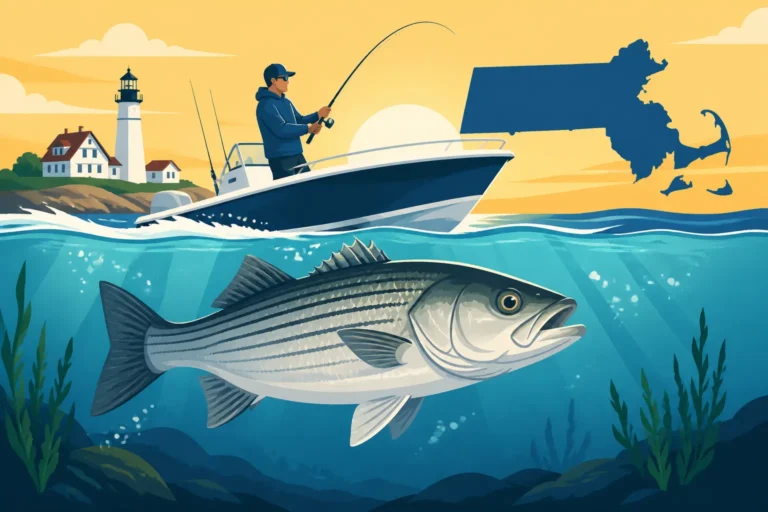
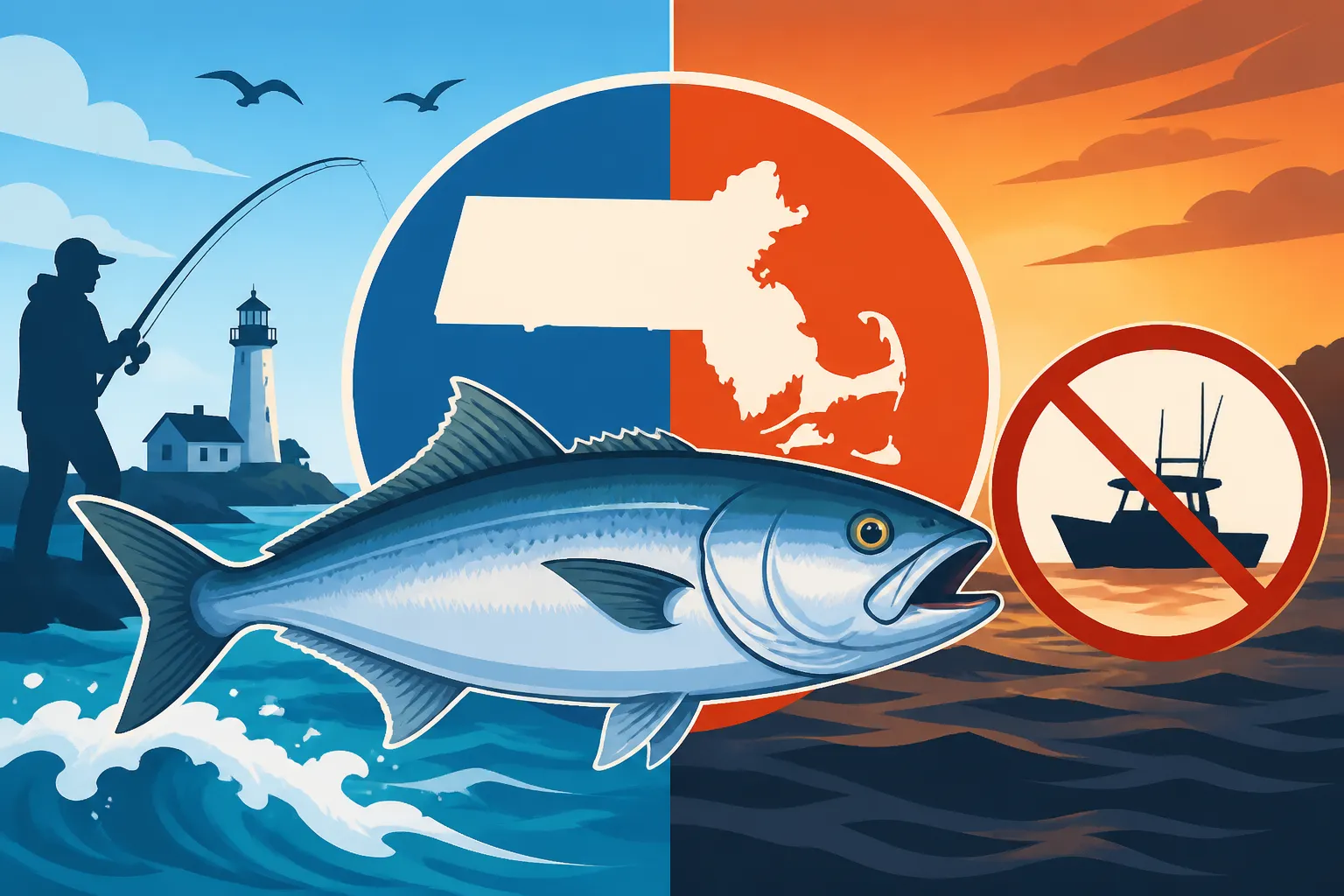
Let's get right to it: does bluefish season ever close in Massachusetts? The simple answer, in the traditional sense of a "closed season" like you might see for certain deer hunting periods or specific groundfish like cod, is generally no. For recreational anglers, bluefish do not have a hard-and-fast closed season date where you are prohibited from targeting or keeping them. However, that doesn't mean you can fish for them year-round. Their presence in Massachusetts waters is entirely migratory, dictated by water temperature and food availability.
While there isn't a defined "closed season," bluefish are simply not present in Massachusetts' colder waters during the late fall, winter, and early spring. They migrate south to warmer climes when our coastal waters cool down, typically departing around October or November and not returning until late spring, usually May or June, when the water temperatures climb back into their preferred range. So, while the regulations don't prohibit you from fishing for them, nature effectively closes the season for us during the colder months.
The regulations you do need to pay close attention to for bluefish in Massachusetts revolve around their bag limits and minimum size requirements. These are crucial for ensuring the health of the bluefish population and compliance with state rules. Currently, recreational anglers are allowed a daily bag limit of 10 bluefish per person per day, with a minimum size of 12 inches measured from the tip of the snout to the end of the tail (total length). For those on for-hire vessels, like charters or head boats, the daily bag limit is more restrictive at 5 bluefish per person per day, maintaining the 12-inch minimum size. These limits are subject to change, so always double-check the latest Massachusetts Recreational Fishing Rules and Bag Limits before heading out.
Daily Bag Limits and Minimum Size Requirements
The daily bag limit for bluefish is a critical piece of the puzzle. Imagine you're out on the water, having a fantastic day with a school of choppers, and you're just reeling them in one after another. It's easy to get caught up in the excitement! But it's essential to keep a mental tally of your catch to avoid exceeding the limit. This isn't just a suggestion; it's a rule designed to manage fish stocks, and breaking it can lead to penalties. The 10-fish limit for recreational anglers is quite generous, allowing for a good haul for dinner or to share with friends and family.
The minimum size requirement of 12 inches is another non-negotiable rule. Sometimes you'll hook into smaller "snappers" or "cocktail bluefish" that are under the legal length. While it can be disappointing to release a fish you’ve worked hard to catch, it’s vital for the species' sustainability. Those smaller fish need to grow up and reproduce, contributing to future generations of bluefish. Make sure you have a reliable measuring device on board or at the shoreline, and if a fish is undersized, handle it gently for a quick release back into the water. This careful management, outlined in the Massachusetts Saltwater Bag Limits by Species, helps maintain a robust fishery.
Understanding Bluefish Migratory Patterns
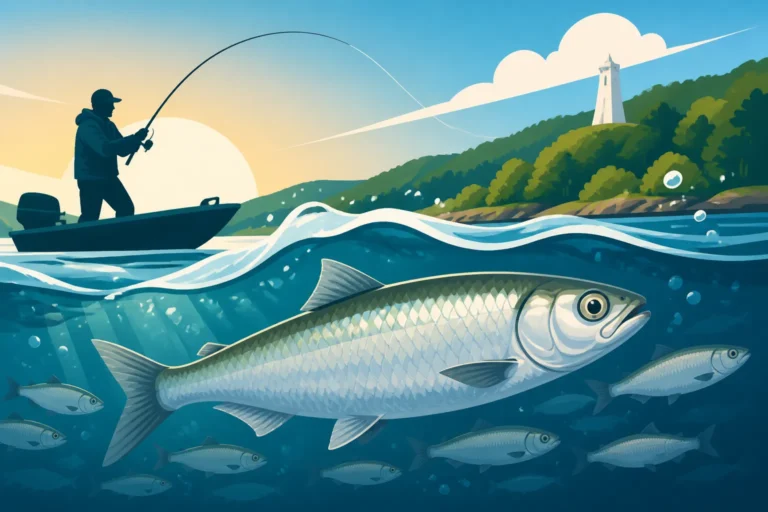
Bluefish are true nomads of the ocean. Their annual journey brings them to our shores as the waters warm, typically in late spring or early summer. You'll start to see them show up in significant numbers, often herding baitfish like mackerel, menhaden, and even juvenile herring close to shore. This is when the action really heats up, especially in places like the Cape Cod Canal or along the South Shore beaches. As summer progresses, they become a staple target for anglers across the state, from the outermost reaches of Cape Cod to the inner harbors of Boston.
Their departure is just as predictable as their arrival. As the days shorten and the water temperatures begin to drop in the fall, bluefish start their migration south, seeking warmer waters off the Mid-Atlantic and southern states. By late October or early November, most of the larger schools have moved on, making it increasingly difficult to find them in Massachusetts waters. So, while no regulation closes the season, the natural cycle of migration ensures that bluefish are only a seasonal catch here. Understanding these patterns is key to knowing the Best Time of Year to Fish in Massachusetts for these feisty predators.
Why Bluefish Regulations Differ from Other Species
You might be wondering why bluefish regulations seem a bit more straightforward compared to, say, striped bass, cod, or tautog, which often have more complex slot limits, seasonal closures, or varying bag limits throughout the year. The reasons are multifaceted and rooted in the biology and abundance of the bluefish species, as well as their historical management.
Bluefish are known for their incredible fecundity (ability to reproduce) and their robust population size across their range. They are highly migratory, as we've discussed, and can cover vast distances, making them less susceptible to localized fishing pressure. Their aggressive nature and tendency to school in large numbers also contribute to their reputation as a hardy species, often rebounding quickly even after periods of intense fishing. This biological resilience allows for simpler, often year-round (seasonally present) recreational fishing opportunities compared to species that are more vulnerable or slower to reproduce.
Abundance and Population Health
Historically, bluefish populations have generally been quite healthy and resilient. Unlike some other popular species that have faced significant conservation concerns due to overfishing or habitat loss, bluefish have maintained strong numbers. This isn't to say they are immune to pressure, but their life history characteristics – rapid growth, early maturity, and high reproductive capacity – make them less prone to the kind of severe population declines that necessitate more stringent, complex regulations like strict closed seasons or intricate slot limits.
This robust health means that management efforts can focus primarily on setting reasonable daily bag and minimum size limits, rather than implementing widespread closures. The aim is to ensure a sustainable harvest without unduly restricting recreational anglers. It's a testament to the species' vigor that we can enjoy such consistent fishing opportunities for them, often needing only a general Massachusetts fishing license guide to get started.
Management Strategies Compared to Other Fish
When you compare bluefish to other popular Massachusetts sportfish, the differences in management become clear. Take striped bass, for example. Striped bass management often involves complex slot limits, like the 28-31 inch range for recreational anglers, which aims to protect both juvenile fish and the large, important breeding stock. These regulations are a direct response to historical overfishing and the slower recovery rates of striped bass populations.
Similarly, species like tautog have highly restrictive seasonal closures and varying bag limits depending on the time of year, directly reflecting their slower growth rates, vulnerability to fishing pressure, and localized populations. Black sea bass also have specific size and bag limits that can change annually based on stock assessments. These more intricate rules highlight the different challenges and conservation needs across various species. For bluefish, the combination of their migratory nature and strong population health has historically allowed for a simpler, primarily bag-and-size-limit-based approach to management, ensuring anglers can learn How to Catch Bluefish in Massachusetts without excessive regulatory hurdles.
Prime Times and Techniques for Massachusetts Bluefish
Since there's no true "closed season" by regulation, knowing when and how to target bluefish effectively revolves around understanding their natural cycles and preferred behaviors. Bluefish are a blast to catch – fierce fighters with a reputation for aggressive strikes and sharp teeth! They provide thrilling action for anglers of all skill levels, but a little knowledge about their habits goes a long way.
Generally, the prime time to target bluefish in Massachusetts is from late May or early June through September and into October. This period aligns perfectly with their migration into our warmer coastal waters. The absolute peak often occurs in mid-summer, typically July and August, when baitfish are abundant and bluefish are actively feeding. You'll find them almost anywhere there's moving water and food – estuaries, harbors, open ocean, and especially along beaches and rips where bait is concentrated.
Seasonal Presence and Peak Activity
As the spring progresses, typically starting in May, you'll hear the first reports of bluefish showing up, usually in the southern waters of Massachusetts, like Buzzards Bay and Nantucket Sound. By June, they become more widespread, pushing into Cape Cod Bay, Boston Harbor, and up the North Shore. The summer months, particularly July and August, are when bluefish are at their most abundant and active. The water is warm, bait is plentiful, and the bluefish are in a feeding frenzy, often creating visible surface disturbances as they chase schools of prey.
As we move into September and October, the bluefish activity remains strong, often with some of the largest "gators" of the season being caught as they feed heavily before their southward migration. However, by late October and into November, their numbers thin out rapidly as water temperatures drop, signaling their departure. So, while technically open, the window of opportunity is defined by their presence, usually lasting about five to six months. You can often track their movements in tandem with other migratory species, getting a sense of When striped bass season starts in Massachusetts, as both species often follow similar baitfish migrations.
Effective Lures and Baits
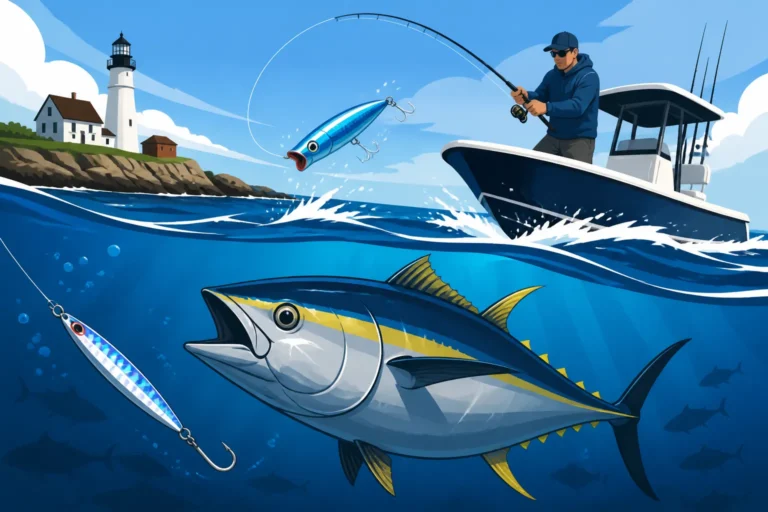
Bluefish are not picky eaters, and their aggressive nature means they'll strike a wide variety of lures and baits. The key is to present something that mimics their natural prey or simply triggers their predatory instinct. For lures, metal jigs like diamond jigs or casting spoons are incredibly effective, especially when cast into a feeding frenzy or trolled behind a boat. Topwater poppers create a lot of commotion, leading to explosive strikes that are exhilarating to witness. Surface plugs and swimming plugs in baitfish patterns also work wonders, especially in rips and current. You can find a fantastic selection of these on Amazon, ensuring you're stocked up for any scenario.
When it comes to bait, fresh bait is always best. Chunks of mackerel, menhaden (pogies), or even squid can be deadly. Many anglers will also try live-lining these baitfish, which is often irresistible to a hungry bluefish. If you're using bait, consider a wire leader to prevent their razor-sharp teeth from cutting your line. Whether you're casting, trolling, or still-fishing with bait, understanding the Best Lures for Bluefish and bait choices will significantly increase your chances of success.
Fishing Techniques for Bluefish
Bluefish fishing often involves fast-paced action. If you're casting lures from shore or a boat, a rapid retrieve can often trigger a strike. Bluefish are ambush predators and will often chase down fast-moving prey. When you see birds diving or baitfish scattering, cast directly into the commotion – chances are, bluefish are underneath. Trolling is another highly effective method, especially for covering large areas of water. Using diving plugs or swimming spoons at various depths can entice strikes, particularly if you're targeting schools that aren't actively feeding on the surface.
For those who prefer bait fishing, techniques like chumming for bluefish and striped bass can be incredibly effective. A consistent slick of ground bait can draw bluefish right to your boat or shore casting spot. Once they're in the chum slick, deploying a chunk of bait or a live baitfish on a strong hook and leader can lead to immediate action. Just remember to use sturdy gear – bluefish are powerful and their sharp teeth demand durable tackle. A good pair of pliers is also essential for safely unhooking these toothy critters.
Gear and Tackle Essentials for Bluefish Anglers
To tackle bluefish effectively and safely, having the right gear is paramount. Their strength, aggressive nature, and razor-sharp teeth mean that standard light tackle might not always cut it. You want equipment that can withstand powerful runs and prevent frustrating bite-offs. Investing in robust rods, reels, and terminal tackle will not only improve your success rate but also ensure a more enjoyable and less gear-intensive fishing experience.
Don't skimp on quality when it comes to bluefish tackle. A broken rod or a stripped reel drag can quickly turn a fantastic fishing day into a frustrating one. The good news is that much of the necessary gear is versatile enough for other saltwater species too, making your investment worthwhile. From a dependable rod and reel combo to specialized leaders and a variety of lures, having your tackle box well-stocked will prepare you for the aggressive strikes that bluefish are famous for delivering. Many reliable and affordable options are available on Amazon, making it easy to prepare for your next trip.
Rods, Reels, and Line
For bluefish, you'll want a medium-heavy to heavy action spinning or conventional rod, typically in the 7 to 9-foot range for shore casting, or a shorter, sturdier boat rod. This power allows you to cast heavy lures and handle the strong fights. Paired with this, a durable reel with a smooth, powerful drag system is essential. Saltwater specific reels are highly recommended as they're built to withstand the corrosive marine environment. Brands like Penn and Shimano offer excellent options that stand up to the challenge.
When it comes to line, 20-30 lb braided line is a popular choice due to its strength, thin diameter, and sensitivity. Braid allows for longer casts and better feel, which is great for detecting subtle bites (though bluefish bites are rarely subtle!). You'll want to connect your braided mainline to a monofilament or fluorocarbon leader, usually 30-50 lb test, and then, crucially, to a short section of wire leader. Bluefish teeth can slice through mono or fluoro like butter, so a few inches of steel wire between your leader and lure/hook is almost mandatory to prevent bite-offs. You can easily find wire leader material and all these line types on Amazon.
Essential Terminal Tackle and Tools
Beyond your rod, reel, and line, a few pieces of terminal tackle and tools are absolutely critical for bluefish fishing. First and foremost, a selection of strong hooks is necessary, whether you're using J-hooks or circle hooks for bait fishing. Ensure they are stout enough not to bend out under pressure. Swivels and snap swivels (barrel swivels or ball bearing swivels) are useful for preventing line twist, especially when casting or trolling lures.
Perhaps the most important tools for bluefish anglers are a good pair of long-nosed pliers or a dehooking tool, and a fish gripper or rag. These fish have incredibly sharp teeth, and reaching in with bare hands to remove a hook is a recipe for injury. The pliers allow for safe hook removal, while a fish gripper provides a secure way to hold the fish without putting your fingers near its mouth. Lastly, a measuring tape is essential to ensure your catch meets the 12-inch Massachusetts bluefish minimum size.
What to Do with Your Bluefish Catch
So you’ve successfully landed some bluefish – congratulations! Now comes the next step: what do you do with them? Bluefish are known for their strong, oily flavor, which some anglers love and others find a bit challenging. With proper handling and preparation, however, bluefish can be a delicious and rewarding part of your table fare. Knowing how to care for your catch from the moment it hits the deck can significantly impact its quality.
Many anglers initially shy away from keeping bluefish due to their reputation, but don't let that deter you! Their unique taste is fantastic when prepared correctly, and they're incredibly abundant, making them a sustainable choice for your dinner plate. Plus, the fight they put up makes them an exciting target, offering not just a challenge but a meal as well.
Handling Your Catch for Best Flavor
The key to enjoying bluefish is proper handling immediately after capture. Bluefish, like many oily fish, can spoil quickly and develop a strong "fishy" taste if not cared for. The absolute best thing you can do is bleed the fish immediately. To do this, simply make a cut across the gills or sever the artery just behind the pectoral fin. This process removes much of the blood, which contributes to that strong flavor.
Once bled, get your bluefish on ice as quickly as possible. A cooler filled with ice is your best friend. The colder you keep the fish, the slower the degradation process, and the fresher it will taste. Some anglers will even make a saltwater ice slurry in their cooler for even more rapid cooling. Fillet your fish as soon as you can, preferably once you get home, and either cook it fresh that day or freeze it promptly. Remember the question "Are Bluefish Good to Eat?" The answer is a resounding "yes" with proper care!
Culinary Uses for Bluefish
Bluefish, with its distinct, robust flavor, lends itself well to several cooking methods. Grilling is a very popular option, as the high heat helps to crisp the skin and can be paired with marinades to complement or cut through its oiliness. Lemon, garlic, herbs like rosemary and thyme, and even a touch of white wine or soy sauce can elevate the flavor. Baking or broiling with a crumb topping or savory sauce is another excellent way to prepare them.
Many enthusiasts also enjoy smoking bluefish. The rich, oily flesh holds up beautifully to the smoking process, resulting in a flaky, intensely flavorful product that can be enjoyed on crackers, in dips, or as a standalone snack. If you’re not planning to eat them fresh, consider smoking a batch. Bluefish also makes surprisingly good fish cakes or tacos, where the strong flavor can be balanced with fresh salsas and condiments. Just be mindful of the Massachusetts Bluefish Bag Limit and Season, so you're only keeping what you can use.
Bluefish Management Summary
To reiterate, bluefish in Massachusetts do not have a hard closed season. Their presence is dictated by their natural migration patterns, making them a seasonal target from late spring through fall. Key regulations focus on daily bag limits and a minimum size. Here’s a quick summary of the current recreational rules:
| Regulation Type | Details |
|---|---|
| Closed Season | None (presence dictated by migration) |
| Open Season | Approximately May/June through October/November |
| Daily Bag Limit | 10 fish per person per day (recreational shore/private boat) |
| 5 fish per person per day (for-hire vessels) | |
| Minimum Size | 12 inches total length (snout to tail tip) for all recreational anglers |
Remember, always consult the most current regulations from the Massachusetts Division of Marine Fisheries or the MassFishHunt website before you head out, as rules can sometimes change.
Disclaimer
Please note that fishing regulations are subject to change. Always verify the most current rules and requirements with the Massachusetts Division of Marine Fisheries (DMF) or the official MassFishHunt website before engaging in any fishing activities. This guide is for informational purposes only and should not be considered legal advice.