Best lure color for stocked rainbow trout
Ever stared at a tackle box overflowing with lures, each promising to be the "one," only to feel utterly bewildered about which tiny splash of color might actually tempt a savvy stocked rainbow trout in Massachusetts? You’re not alone. It's a common frustration for anglers, young and old, trying to crack the code of what these finicky fish prefer. This guide will take a deep dive into the fascinating world of lure colors for stocked rainbow trout, explaining not just what works, but why certain hues are more effective under specific conditions in our local ponds and streams.
The Science Behind Trout and Lure Color: Why It Matters
Choosing the right lure color isn't just guesswork; there's a good bit of science and observation behind it. Stocked rainbow trout, while often less wary than wild fish initially, quickly become accustomed to fishing pressure and can be surprisingly selective. Understanding how they perceive color and how various environmental factors play a role can dramatically increase your success rate. It's about more than just grabbing the brightest thing you see; it's about making an informed decision.
Trout Vision and How Light Affects It
Trout, like many fish, have excellent vision, but their underwater world is very different from ours. They possess a sophisticated visual system, including cones that allow them to see a spectrum of colors, notably in the green and blue wavelengths, and even into the UV range. However, this perception is heavily influenced by how light penetrates the water. In shallow, clear water with bright sunlight, all colors are highly visible. As you go deeper or as the water becomes stained, certain colors disappear from the visible spectrum first. Red, for example, is often the first to vanish, followed by orange and yellow, leaving green and blue as the most persistent colors at depth.
Consider a sunny afternoon at a clear pond like Long Pond or a stretch of the Deerfield River after a fresh trout stocking. In these conditions, a trout can easily discern the subtle differences between a natural green worm and a bright chartreuse spinner. On an overcast day, or in a deeper, tannic-stained pond in southeastern Massachusetts, the available light is drastically reduced, making it harder for trout to pick up on subtle hues. This means the contrast and intensity of your lure's color become even more critical to grab their attention from a distance.
Matching the Hatch vs. Triggering a Strike
When selecting a lure color, anglers often grapple with two main philosophies: "matching the hatch" or using "attractor" patterns. Matching the hatch involves using colors that mimic the natural forage in the trout's environment – think olive green for aquatic insects, brown for worms or leeches, or silver for small baitfish. This approach banks on the trout's instinct to feed on what's readily available and natural to their diet. It's particularly effective when trout are being finicky or have seen a lot of fishing pressure and are wary of anything unnatural.
On the other hand, attractor patterns use vibrant, unnatural colors like fluorescent chartreuse, hot pink, or bright orange. These colors aren't meant to imitate anything specific but rather to grab the trout's attention through sheer visibility and novelty. They trigger an aggressive, instinctual strike, often out of curiosity, irritation, or pure reaction, especially when the fish are newly stocked and still very active, or in turbid water where high contrast is necessary. Knowing when to lean into nature's palette and when to go bold is key to consistent success on Massachusetts waters.
Top Performing Lure Colors for Massachusetts Rainbow Trout
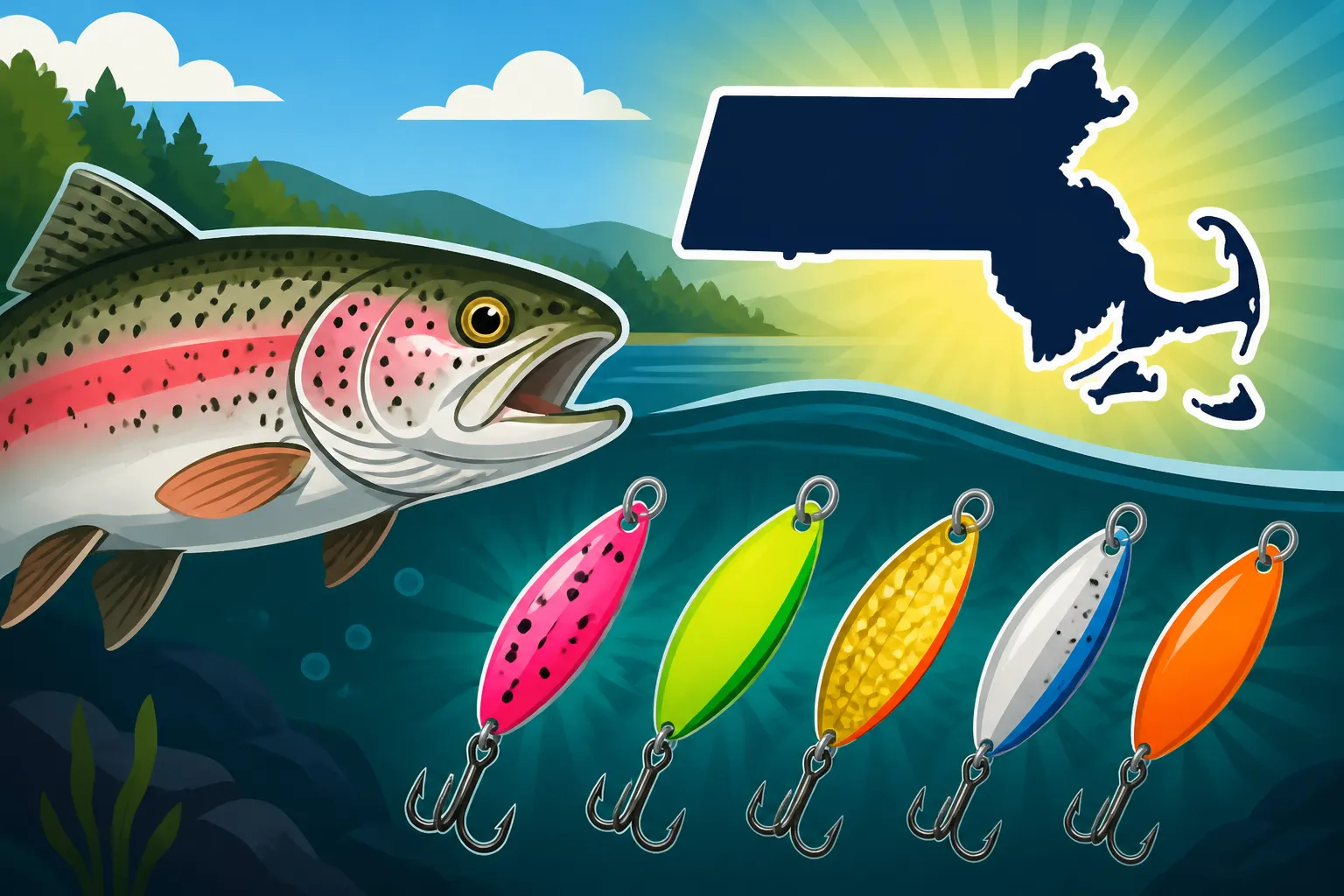
While there's no single "magic" color that works every time, a handful of hues consistently prove effective for stocked rainbow trout across Massachusetts. Having a variety of these colors in your tackle box will prepare you for almost any condition you might encounter, whether you're casting into a pond in the Berkshires or a river in Eastern Massachusetts. Many anglers swear by having a diverse selection, often easily found through online retailers like Amazon, to adapt quickly to changing fishing conditions.
Natural Tones: Green, Brown, and Black
These subtle, earthy tones are often underestimated but are incredibly effective, especially as stocked trout become more acclimated or when fishing in clear water.
- Green: Various shades of green are staples for trout fishing. Think of olive greens, moss greens, and even chartreuse-tinged greens. These colors often mimic common aquatic vegetation, insect larvae, or even the subtle coloration of small baitfish. A PowerBait dough in a natural green, or a small green soft plastic worm, can be deadly in clear streams or ponds where trout might be more wary. Many successful anglers targeting trout in Massachusetts ponds, especially after the initial stocking frenzy, find great success with these natural green hues.
- Brown: Brown is another fantastic natural color. It imitates worms, leeches, or even some terrestrial insects that might fall into the water. Small brown jigs, brown trout worms, or even PowerBait in a natural brown or "trout scent" color can be irresistible. Brown works exceptionally well in waters that have a slightly tannic tint or where the bottom sediment is darker, allowing the lure to blend in naturally while still offering a subtle profile. These are often great choices for a more natural presentation, especially if you're trying to fool a bigger, more experienced holdover trout.
- Black: Don't overlook black. In many situations, especially in low light conditions (dawn, dusk, or heavily overcast days) or in deeper, darker pools, a black lure creates a strong silhouette that trout can easily spot against the lighter sky or water surface. Small black jigs, black Woolly Bugger flies, or even black micro-spinners can be incredibly effective. Sometimes, it's not about the color itself, but the contrast it creates, and black does this brilliantly. You can find a huge selection of these specific colors, from PowerBait dough to various spinners, on Amazon, making it easy to stock up for your next outing.
Fluorescent Favorites: Chartreuse, Orange, and Pink
When you need to grab a trout's attention, especially newly stocked fish or those in murky water, these vibrant, fluorescent colors are your best friends. They stand out dramatically and can trigger aggressive reaction strikes.
- Chartreuse: This bright, almost neon yellow-green is a universal fish attractor, and rainbow trout are no exception. Chartreuse spinners (like a Rooster Tail or Mepps), jigs, or even PowerBait in chartreuse are often the first thing anglers reach for, especially after a fresh stocking when trout are still very active and less selective. Its high visibility makes it easy for trout to spot, even in stained or slightly off-color water. Many anglers swear by chartreuse in the spring when the water might still be a bit murky from snowmelt or rain.
- Orange: Reminiscent of salmon eggs, which are a natural food source for many trout species, orange is a highly effective color. Bright orange PowerBait, small orange soft plastic egg imitations, or even orange-tipped spinners can entice strikes. This color is particularly strong in colder water or when trout are keying in on egg patterns. It provides excellent contrast and visibility, much like chartreuse, making it a go-to for many anglers looking for a quick bite from a freshly stocked trout.
- Pink: Hot pink is another color that defies natural logic but consistently produces results for rainbow trout. Often used in PowerBait formulas, small pink trout worms, or even tiny pink jigs, this color seems to trigger an aggressive response. Some theories suggest its novelty and high visibility make it irresistible, especially to less-pressured stocked fish. When the bite is slow on more traditional colors, don't be afraid to switch to pink; you might be surprised by the results. Keeping a variety of these bright, eye-catching options, perhaps in a multi-pack from Amazon, can be a game-changer.
The Power of Flash: Silver and Gold Metallics
Sometimes, it's not just the color, but the shimmer and flash that make a difference. Metallic lures, typically spoons or spinners, excel at imitating small, panicked baitfish.
- Silver: A classic for a reason, silver lures, whether a shiny spoon like a Kastmaster or a silver-bladed spinner, perfectly mimic the flash of small forage fish suchusetts as shiners or smelt. This is particularly effective in clear water under sunny conditions, where the sun reflects off the lure, sending out irresistible glints and flashes. Many anglers fishing larger ponds or lakes, or even the wider stretches of rivers like the Connecticut River for bigger trout, find silver to be highly effective.
- Gold: Gold-colored spoons or spinners offer a different kind of flash. While silver might imitate a shiner, gold can mimic the warmer tones of certain baitfish or even create a striking contrast in stained water. In tannin-stained waters or on overcast days, gold can often outperform silver by reflecting less harsh light and providing a more subtle, yet still highly visible, shimmer. It adds a bit of warmth to the presentation, which can sometimes be the key to triggering a bite.
| Lure Color Category | Specific Colors | Best Conditions | Why It Works | Example Lure Types |
|---|---|---|---|---|
| Natural Tones | Green, Brown, Black | Clear water, wary fish, low light, pressured trout | Mimics natural forage, subtle profile, strong silhouette | PowerBait, soft plastic worms, small jigs, Woolly Buggers |
| Fluorescent | Chartreuse, Orange, Pink | Murky/stained water, newly stocked, aggressive fish | High visibility, triggers reaction strikes, novelty | PowerBait, spinners, small jigs, egg imitations |
| Metallic | Silver, Gold | Sunny days, clear water, deeper water | Imitates flashing baitfish, creates attention-grabbing shimmer | Spoons (Kastmaster), spinners (Mepps, Rooster Tail) |
Beyond Just Color: Lure Type, Size, and Presentation
While lure color is undeniably important, it's just one piece of the puzzle when it comes to successful trout fishing. The type of lure, its size, and perhaps most critically, how you present it, all play significant roles in whether a trout decides to strike. Think of it as a symphony where color is one instrument, but the whole orchestra needs to be in tune. This is especially true when fishing in diverse Massachusetts waters, from small streams to the vast Quabbin Reservoir.
Spinners, Spoons, and Jigs: What Works When
Different lure types offer distinct actions and profiles, and combining them with the right color can be lethal.
- Spinners: Lures like Mepps Aglia or Rooster Tail spinners are perennial favorites for trout. Their rotating blade creates flash and vibration, mimicking a small baitfish or insect. The color of the blade (silver, gold, copper) and the dressing (chartreuse, orange, black, white) can be customized. Spinners are excellent for covering water quickly in rivers and streams, or for targeting active trout in ponds.
- Spoons: Classic spoons like the Acme Kastmaster or Little Cleo have a wobbling action that perfectly imitates an injured baitfish. They cast a mile and sink relatively quickly, making them great for reaching deeper holding areas or covering long distances from shore. Silver, gold, or even brightly painted spoons (like orange or chartreuse) are all effective depending on light and water clarity. Many anglers find success with a small Kastmaster in gold or silver when fishing the deeper sections of lakes after the initial trout stocking.
- Jigs: Small jigs, typically 1/32 to 1/8 ounce, tipped with soft plastics or even a small piece of bait, are incredibly versatile. They can be bounced along the bottom, retrieved with a twitching motion, or suspended under a bobber. The color of the jig head and body (white, black, olive, chartreuse, pink) can be critical. Jigs offer a more subtle presentation, often deadly when trout are wary or when fishing in smaller, more intimate streams where a finesse approach is needed.
Soft Plastics and Dough Baits: Subtle Appeal
Sometimes, trout want something that looks and feels like real food, and that's where soft plastics and dough baits shine.
- Soft Plastics: Tiny soft plastic grubs, worms, or insect imitations can be rigged on small jig heads or even fished weightless under a float. Colors range from hyper-realistic (brown, green, black) to vibrant attractors (chartreuse, pink, orange). Their subtle movement and realistic texture can be incredibly appealing to hesitant trout. Many manufacturers now produce trout-specific soft plastics that are infused with scent, adding another layer of attraction.
- Dough Baits: PowerBait is the quintessential dough bait for stocked trout, and for good reason. Its scent, texture, and buoyant nature (allowing it to float off the bottom, presenting perfectly) make it highly effective. While natural colors like "Trout Nibbler" or "Natural Scent" are popular, don't shy away from vibrant options like "Fluorescent Orange," "Atomic Sunrise," or "Bubblegum Pink." These are often irresistible to freshly stocked fish. Whether you're using a single hook setup or a small treble hook, these dough baits, often purchased in bulk from Amazon, are a must-have. When you're fishing heavily pressured waters, combining a subtle presentation with a potent scent can make all the difference. For more details on bait options, you might want to check out our guide on Best Bait for Trout Fishing in Massachusetts.
Applying Color Theory to Massachusetts Fishing Conditions
The real artistry in trout fishing comes from adapting your tactics to the specific conditions you encounter. A color that was hot yesterday might be a dud today, simply because the light changed, the water muddied up, or the fish got smart. Being flexible and observant is key, especially given the varied environments for Trout Fishing in Massachusetts.
Recently Stocked Waters and High-Pressure Scenarios
When MassWildlife announces its Massachusetts Trout Stocking Schedule, excitement builds. Newly stocked rainbow trout are often aggressive and less wary, having just been released into a new environment. This is when bright, attractor colors like chartreuse, orange, and hot pink often shine. Spinners with bright blades or PowerBait in vivid hues can provoke an immediate reaction strike. These fish are usually competing heavily for food and are not yet educated on anglers' tricks. It's often the Best Time of Day to Catch Stocked Trout in Massachusetts.
However, within a few days or weeks, especially in popular spots, these fish become "educated." They’ve seen countless lures, felt hooks, and become much more cautious. In these high-pressure scenarios, a switch to more natural, subtle colors like olive green, brown, or black becomes essential. Smaller lures, slower retrieves, and a finesse approach with soft plastics or even tiny jigs can fool these warier trout. Remember, How MassWildlife Grows Bigger Stocked Trout means some of these fish are substantial and have been around a bit longer, making them trickier to catch.
Adapting to Water Clarity: Clear, Stained, or Murky
Water clarity is a huge factor in color choice. It dictates how far a trout can see your lure and how much light is available for its colors to be perceived.
- Clear Water: In crystal clear ponds or streams, where trout have excellent visibility, opt for natural tones like greens, browns, silver, or even black. These colors blend in better with the environment, mimicking natural food sources. You want to avoid anything too flashy or unnatural that might spook a discerning trout. A subtle olive-colored jig or a small silver spoon on a sunny day can be incredibly effective here. You can find detailed information on regulations, including Massachusetts Freshwater Daily Catch Limits, which remain important regardless of your lure choice.
- Stained or Slightly Murky Water: When the water has a bit of a tint (from rain runoff, algae, or natural tannins), visibility decreases. This is where bright, high-contrast colors like chartreuse, orange, and pink excel. Their vibrant pigments stand out and create a strong profile, making it easier for trout to locate your lure. Gold metallic lures can also work well, offering a warm flash that penetrates slightly stained water better than silver.
- Heavily Muddy/Turbid Water: In extreme cases of muddy water, visibility is almost zero. Here, it’s less about color and more about contrast and vibration. Often, black or dark purple lures can create a strong silhouette. Additionally, lures that produce significant vibration, like spinnerbaits (though less common for trout, small versions can work) or simply larger, darker profile baits, are more effective as trout rely on their lateral line to detect them. Sometimes a glow-in-the-dark PowerBait, available from many online sellers including Amazon, can even provide a visual edge in truly dark conditions.
Sunny Skies vs. Overcast Days
The amount of overhead light directly impacts how colors appear underwater.
- Sunny Days: On bright, sunny days with clear skies, light penetrates the water deeply. This makes both natural and flashy colors highly visible. You can succeed with silver or gold metallic lures that reflect sunlight brilliantly, or with natural greens and browns for a more subtle presentation. Some anglers find that trout might be deeper on sunny days, so a lure that gets down quickly or has a good flash is beneficial. For specific stocked trout in your area, remember that the Massachusetts Freshwater Fishing Season Calendar outlines when various fisheries are open.
- Overcast Days: Under cloudy or overcast skies, light penetration is reduced, creating a dimmer underwater environment. This is often an excellent time for brighter, high-visibility colors like chartreuse, orange, and pink. These colors stand out better in subdued light. Gold metallic lures can also be very effective, offering a softer shimmer than silver. Darker colors like black can also create a strong silhouette against the diffused light. Don't be afraid to experiment; a small, brightly colored spoon purchased from Amazon might be the ticket to enticing a strike when the sky is gray. Also, if you're curious about other species, you might find our article on Does Massachusetts Stock Tiger Trout? interesting, as their preferences can also vary by light conditions.
Ultimately, the best lure color for stocked rainbow trout in Massachusetts is often a dynamic choice, influenced by multiple factors working in concert. Always carry a selection, pay attention to the conditions, and don't hesitate to experiment!
Disclaimer
Fishing conditions and regulations in Massachusetts can change frequently. Always consult the most current Massachusetts Division of Fisheries and Wildlife (MassWildlife) regulations before heading out. This guide is for informational purposes only and does not constitute legal advice.