Chain Pickerel Fishing in Massachusetts
For many anglers new to the Bay State, or even seasoned veterans focused on trout or bass, the chain pickerel often feels like an accidental catch, sometimes even a nuisance with its toothy grin and aggressive strike. But if you're looking to consistently hook into an exciting, hard-fighting fish that's abundant across Massachusetts, you're missing out on a truly fun and accessible angling opportunity. This guide is all about embracing the chain pickerel, helping you understand their habits, the best gear to use, and proven techniques to make them a primary target.
Understanding the Chain Pickerel: A Massachusetts Native
The chain pickerel, often overshadowed by its larger pike cousins or more celebrated game fish, is a fantastic sport fish in its own right, especially here in Massachusetts. These feisty predators are widespread and can offer some incredible action when other species are finicky. Getting to know their nature is the first step to consistently reeling them in.
What Makes a Chain Pickerel Unique?
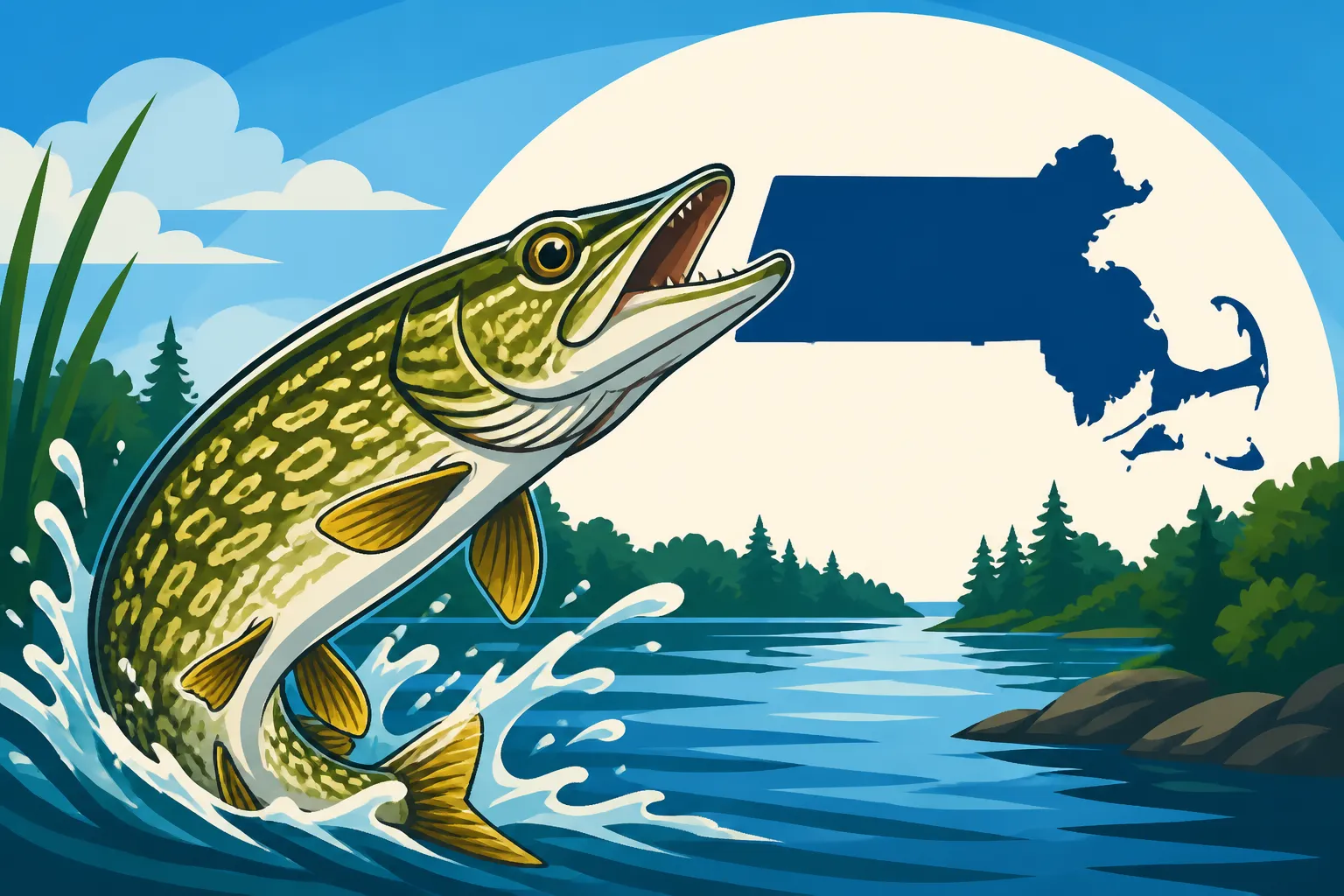
Imagine a fish that looks like a miniature torpedo, decked out in a distinct, interconnected chain-like pattern across its olive-green body. That's your chain pickerel! This intricate pattern, which gives them their name, serves as excellent camouflage among the dense aquatic vegetation they call home. They have a long, slender body, perfectly designed for quick bursts of speed to ambush unsuspecting prey. Their duckbill-shaped snout is packed with rows of needle-sharp teeth, a clear indicator of their predatory lifestyle.
While they don't reach the colossal sizes of northern pike or muskellunge, chain pickerel in Massachusetts can still grow to impressive lengths, often ranging from 18 to 26 inches, with some exceeding the 2-foot mark. A "hammer handle" is a common nickname for the smaller ones, but don't let that fool you; even a modest-sized pickerel puts up a surprisingly strong fight. Knowing What a chain pickerel looks like and How big chain pickerel get in Massachusetts can help you appreciate these sleek predators even more.
Where to Find Chain Pickerel in Massachusetts
One of the great things about chain pickerel is their adaptability and widespread presence across the Commonwealth. If there's a body of freshwater with ample vegetation, there's a good chance pickerel are lurking there. They absolutely love shallow, weedy environments where they can hide and ambush prey. Think lily pad fields, dense submerged weed beds, fallen trees, and cattail-lined shorelines. These areas provide both cover from predators and prime hunting grounds for smaller fish, frogs, and insects.
You'll find them thriving in countless Massachusetts freshwater ponds and lakes, slow-moving rivers, and even some brackish estuaries, particularly in southeastern Massachusetts and on Cape Cod. Unlike some cold-water species, pickerel are quite tolerant of warmer water temperatures, making them a reliable target even during the dog days of summer. They are a staple of many local ponds and lakes, offering accessible fishing opportunities for anglers of all skill levels. If you're looking for consistent action, focusing on these types of habitats will drastically increase your success rate. Check out guides like Best Freshwater Ponds and Lakes in Massachusetts for specific locations that might hold these toothy critters.
Essential Gear for Massachusetts Chain Pickerel
While pickerel might not require the heavy-duty tackle some offshore species demand, having the right setup is crucial for success and for protecting both your gear and the fish. Their aggressive strikes and sharp teeth mean you can't just show up with any old rod and reel.
Rods, Reels, and Line Choices
For pickerel fishing, you'll want a setup that offers a good balance of casting accuracy, fighting power, and sensitivity. A medium to medium-heavy action spinning or baitcasting rod, typically between 6 and 7 feet in length, is ideal. This length gives you enough leverage for casting lures into tight cover while still providing the backbone needed to haul a feisty pickerel out of the weeds. The medium action helps absorb the shock of their powerful strikes and keeps hooks from tearing out.
When it comes to line, many anglers opt for braided line, and for good reason. Its lack of stretch offers excellent sensitivity, allowing you to feel even the most subtle taps, and its incredible strength-to-diameter ratio means you can cast further and cut through weeds more effectively. A 15 to 20-pound test braided line is a solid choice. However, braided line is highly visible, and pickerel have sharp eyesight. This is where a leader comes into play. A fluorocarbon leader of 20 to 30-pound test, about 18-24 inches long, provides both invisibility and crucial abrasion resistance against those razor-sharp teeth.
Forget using just monofilament straight to your lure; those teeth will slice right through it almost every time. Investing in a steel leader or a very heavy-duty fluorocarbon leader is non-negotiable for pickerel. You can find excellent quality braided lines, fluorocarbon, and steel leaders on platforms like Amazon, offering a wide variety to suit your preferences and budget. This simple addition will save you countless lost lures and heartache.
Lures and Baits That Get Strikes
Pickerel are not particularly picky eaters, which is fantastic news for anglers. They are opportunistic predators, and a wide variety of lures and baits can trigger a strike. The key is often presenting something that mimics their natural prey and catches their eye with flash, vibration, or movement.
Spoons are classic pickerel catchers. Silver or gold spoons, often with a red or orange accent, mimic baitfish perfectly. Try a red and white Dardevle or a Johnson Silver Minnow. Spinnerbaits, with their flashing blades and pulsating skirts, create a lot of commotion and are incredibly effective, especially when worked through sparse weeds. Inline spinners, like a classic Mepps or Rooster Tail, are also reliable producers. For a more subtle approach, jerkbaits that suspend or slowly sink can be deadly, mimicking a wounded baitfish with erratic twitches and pauses. Don't overlook soft plastics like paddle tail swimbaits or worms rigged weedless, which can be worked right into the thickest cover without snagging. And when the water warms up, nothing beats the thrill of a topwater strike on a frog or popper, especially around lily pads.
If you prefer using live bait, shiners and minnows are highly effective. Rig them on a plain hook under a bobber or free-line them slowly. Small sunfish or perch (where legal as bait) can also be irresistible to larger pickerel. When using live bait, ensure your hook is sharp and exposed enough to get a good hookset, as pickerel tend to engulf their prey. You'll find a massive selection of all these lure types and live bait rigging essentials readily available from retailers like Amazon, making it easy to stock your tackle box for your next pickerel adventure.
Top Techniques for Hooking Massachusetts Chain Pickerel
Knowing the right gear is one thing, but understanding how to present it effectively is what truly puts fish in the net. Pickerel fishing is an active pursuit, rewarding those who experiment with their retrieves and understand seasonal patterns.
Casting and Retrieval Strategies
Pickerel are ambush predators, meaning they lie in wait for their prey. Your casting strategy should reflect this. Focus on making accurate casts to the edges of weed beds, around submerged logs, near docks, or any other cover where a pickerel might be hiding. Don't be afraid to cast directly into the thicker stuff if your lure is weedless.
Once your lure hits the water, the retrieve is critical. A steady, moderate retrieve often works well, especially with spoons and spinners, creating a consistent flash and vibration. However, pickerel are also prone to striking when there's a change in speed or direction. Try incorporating pauses, twitches, and jerks into your retrieve, especially with jerkbaits or soft plastics. A common scenario: cast a jerkbait, reel it down a bit, then give it a few sharp twitches followed by a pause. Many times, the strike will come right when the lure is suspended motionless. Experiment with different retrieve speeds until you figure out what the fish are keying in on that day. Sometimes a fast, erratic retrieve triggers a reaction strike; other times, a slow, deliberate presentation is what they want.
Fishing Through the Seasons for Pickerel
The calendar plays a significant role in where and how pickerel behave in Massachusetts waters. Understanding Massachusetts Fishing Seasons Explained can give you a huge advantage.
- Spring: As the ice melts and waters begin to warm, pickerel become incredibly active. They'll move into very shallow areas, often even shallower than bass, for their post-spawn recovery and aggressive feeding. Look for them in less than 5 feet of water, especially where new green growth is starting to emerge. Fast-moving lures like spinnerbaits and spoons are highly effective during this time.
- Summer: During the heat of summer, pickerel will often retreat to deeper weed lines or areas with slightly cooler water, but they'll still be tied to vegetation. Early morning and late evening become prime times, when they venture into shallower areas to feed. Topwater lures can provide explosive action around lily pads at dawn and dusk. During the day, fish slightly deeper edges with jerkbaits or soft plastics.
- Fall: This is arguably one of the best times to target pickerel. As water temperatures drop, they go on a feeding frenzy to pack on weight for the upcoming winter. They'll be found in a wider range of depths, still preferring weed edges and structure. Big spoons, jerkbaits, and even larger live baits can tempt trophy-sized pickerel during the fall run.
- Winter (Ice Fishing): Pickerel are fantastic targets for Ice Fishing in Massachusetts. They remain active under the ice, often congregating in weed-filled coves and shallower flats. Tip-ups set with live shiners are incredibly effective. When the flag goes up, be ready for a strong run! Jigging spoons or small ice jigs tipped with a minnow head can also entice strikes. The general consensus for Best Time of Year to Fish in Massachusetts for pickerel is often spring and fall, but they offer great action year-round.
Handling and Conservation: Beyond the Catch
Catching a chain pickerel is a blast, but these fish require a bit of extra care, both for your safety and for their well-being if you plan to release them. Those teeth are no joke, and a careless mistake can lead to a painful injury.
Safely Handling Chain Pickerel
Seriously, let's talk about those teeth. Chain pickerel have a mouth full of sharp, backward-pointing teeth designed to hold onto struggling prey. Trying to stick your hand in their mouth to unhook them is a recipe for disaster. This is why tools are your best friends. Always carry a pair of long-nosed pliers, preferably 8-10 inches, and a jaw spreader if you plan to use treble hooks. A jaw spreader helps keep their mouth open, giving you a clear shot at the hook without risking your fingers.
When you land a pickerel, try to keep it in the water as much as possible, or at least handle it gently. To safely hold a pickerel, grip it firmly but gently behind the head, just above the gills. Their skin can be a bit slimy, so a glove can help with grip. Once you have a secure hold, use your pliers to remove the hook. If the hook is deeply set, a dehooking tool can be invaluable for a quick and clean release. The goal is to minimize handling time and get the fish back in the water quickly, especially if you're practicing catch and release. Proper handling ensures that these aggressive beauties continue to thrive in our waters.
Massachusetts Regulations and Pickerel Management
Like all fish species in Massachusetts, chain pickerel are subject to specific regulations designed to ensure sustainable populations. While pickerel generally have quite generous bag limits compared to some other species, it's always critical to consult the most current MassWildlife fishing regulations pamphlet before you head out. These rules can change, and being informed is your responsibility as an angler. You can usually find the most up-to-date information on the MassWildlife website or by picking up a copy of the Massachusetts Fishing Regulations Pamphlet, Explained at your local bait shop.
Pickerel are an integral part of the freshwater ecosystem in Massachusetts. While some anglers might view them as "trash fish" or competition for trout and bass, they play a vital role as predators, helping to keep populations of smaller baitfish and panfish in check. They are a testament to the health and diversity of our freshwater habitats. While you can certainly keep a legal limit of pickerel for the table, practicing responsible catch and release, especially for larger specimens, helps maintain a healthy fishery for everyone to enjoy. Always review the Massachusetts Recreational Fishing Rules and Bag Limits to ensure you're fishing legally and ethically.
Maximizing Your Pickerel Experience: Tips and Tricks
Chain pickerel fishing offers endless opportunities for excitement, but a few insider tips can elevate your game, whether you're chasing a trophy or just looking for a tasty meal.
Targeting Trophy Pickerel
While the average chain pickerel in Massachusetts might be in the 18-24 inch range, some true giants lurk in our waters. If you're hoping to land a pickerel that really stretches the tape, you'll need to adjust your strategy slightly. Bigger fish generally prefer bigger meals. This means upsizing your lures and baits. Instead of a small spoon, try a larger, heavier spoon or a bigger jerkbait. Live baits like 6-8 inch shiners or small pond chubs can be incredibly effective for enticing a trophy pickerel.
Another key is to seek out less pressured waters or target areas of popular ponds that receive less attention. The biggest pickerel are often the wariest. Focus on dense, hard-to-reach cover that smaller fish might not inhabit, like deep weed edges, thick fallen timber, or isolated pockets of vegetation in larger lakes. Fishing during low-light conditions – early morning, late evening, or even on overcast days – can also increase your chances of connecting with a larger, more aggressive fish. Patience and persistence are paramount when hunting for that extra-large chain pickerel.
Beyond the Fight: Are They Good to Eat?
This is perhaps the most common question I hear about chain pickerel! The reputation often precedes them: "Too bony," "not worth the effort." It's true, chain pickerel have a fair amount of Y-bones, which can make filleting a bit tricky if you're not used to it. However, if you're willing to put in a little extra work, you'll be rewarded with a surprisingly delicious meal.
Pickerel have firm, white, flaky flesh with a mild, slightly sweet flavor. They're often compared to walleye or northern pike in taste. The key to enjoying them is proper preparation. Many anglers learn a specific filleting technique to remove the Y-bones, which involves cutting above and below the bone structure. If filleting seems daunting, you can also cook them whole (especially smaller ones) and carefully pick the meat off the bones, or even grind the meat for patties or fish cakes, which completely bypasses the bone issue. Don't knock it 'til you've tried it! They are definitely edible, and for many, a delicious bonus to a fun day on the water. Check out our detailed article on Are Pickerel Good to Eat? for more insights and preparation ideas.
Seasonal Pickerel Fishing Techniques
Here's a quick overview of techniques to consider throughout the year for Massachusetts chain pickerel:
| Season | Preferred Habitats | Best Lures/Baits | Key Techniques |
|---|---|---|---|
| Spring | Shallow flats, emergent vegetation, warm coves | Spinnerbaits, spoons, jerkbaits, live shiners | Fast retrieves, target edges of new growth |
| Summer | Deeper weed lines, lily pad fields, shaded areas | Topwater (early/late), soft plastics, spoons | Erratic retrieves, focus on low-light periods |
| Fall | Weed edges, drop-offs, submerged timber | Larger spoons, jerkbaits, live bait | Varied retrieves, target feeding zones |
| Winter | Weed-filled coves, shallow flats (under ice) | Live shiners (tip-ups), jigging spoons | Slow presentations, careful bait placement (ice fishing) |
Disclaimer
This article is for general informational purposes only and does not constitute professional advice. Laws, prices and regulations vary by location and change over time. Consult a qualified professional for guidance on your specific situation.