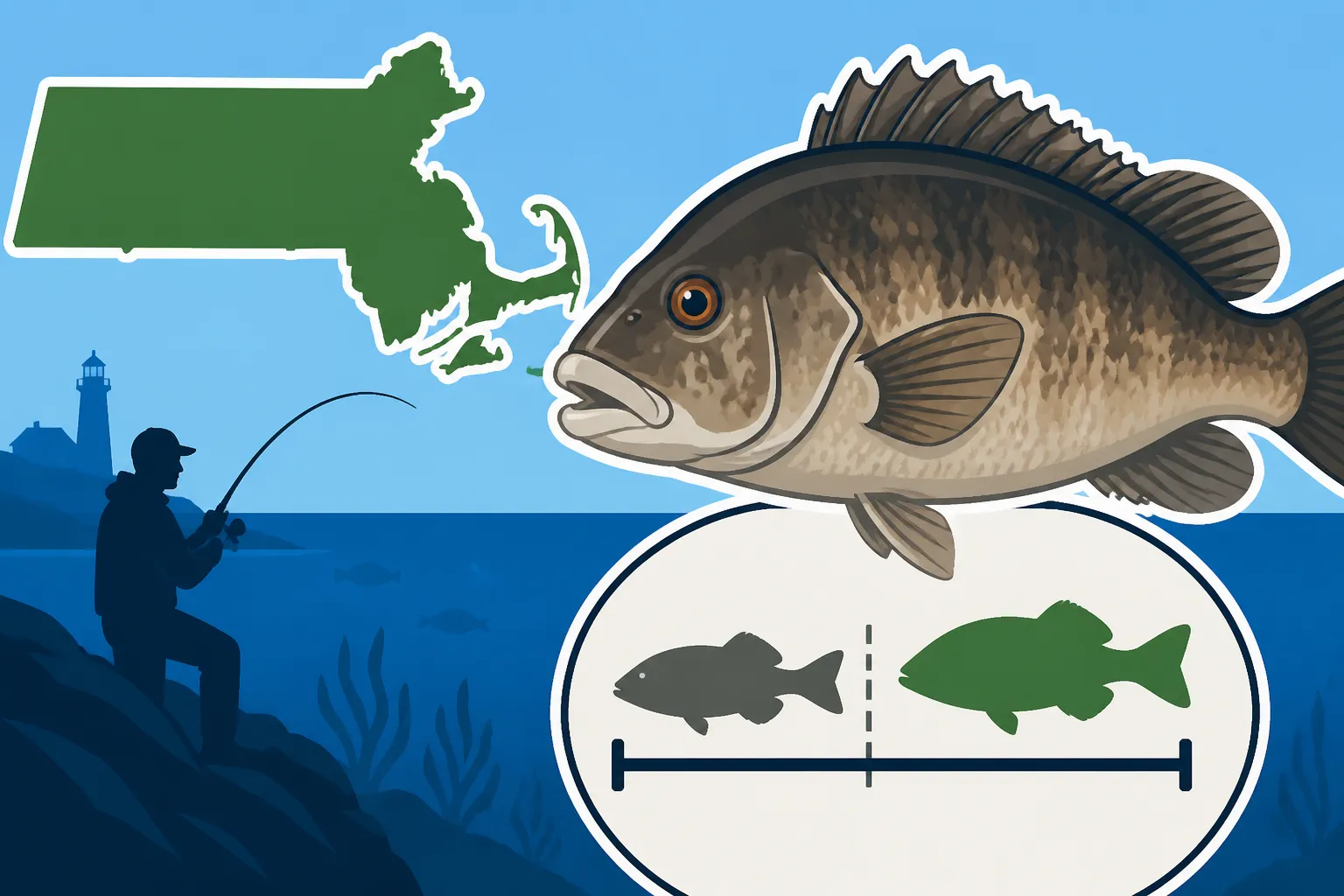
Minimum size for tautog in Massachusetts
Navigating the world of fishing regulations can sometimes feel like trying to untangle a particularly stubborn knot in your fishing line. You're out there on the water, excited about the possibility of hooking into a feisty tautog, but a nagging question might be in the back of your mind: "What's the actual minimum size I can keep?" It's a common concern, and getting it wrong can turn a fantastic day on the water into a frustrating one. This guide is here to untangle those knots, breaking down everything you need to know about the minimum size, bag limits, and other essential rules for tautog fishing in Massachusetts, so you can fish with confidence and stay on the right side of the law.
Understanding Massachusetts Tautog Regulations: It's More Than Just Size
When we talk about tautog, or "blackfish" as many call them, we're discussing a prized bottom-dwelling species that puts up a serious fight. They're delicious, and they inhabit rocky areas, wrecks, and mussel beds all along the Massachusetts coast. But because they're so popular and reproduce relatively slowly, they're heavily regulated to ensure their populations remain healthy for future generations. It's not just about a single number for size; it's a whole framework designed to protect them.
Why Tautog Regulations Exist (and Why They Change)
Imagine if everyone kept every tautog they caught, regardless of size or how many they had already put in their cooler. It wouldn't take long for the population to dwindle, making it harder for all of us to enjoy this fantastic fishery. That's why regulations are in place – they're a crucial tool for conservation. Minimum size limits allow younger, smaller fish a chance to grow and spawn, contributing to the next generation. Bag limits prevent overfishing by individuals, and seasonal closures can protect fish during critical spawning periods.
These regulations aren't set in stone, either. Fisheries scientists and management bodies, like the Massachusetts Division of Marine Fisheries (DMF), are constantly monitoring tautog populations, harvest rates, and environmental factors. If data suggests a population is struggling, regulations might become stricter. If the fish are thriving, there might be a bit more leniency. It's a dynamic system, and that's why staying informed is so incredibly important for any responsible angler. Think of it as a living, breathing guide that adjusts to the health of the ocean itself. This constant oversight ensures that the thrill of catching tautog remains a possibility for years to come. You might also want to brush up on Massachusetts Recreational Fishing Rules and Bag Limits for other species.
The Current Minimum Size for Tautog
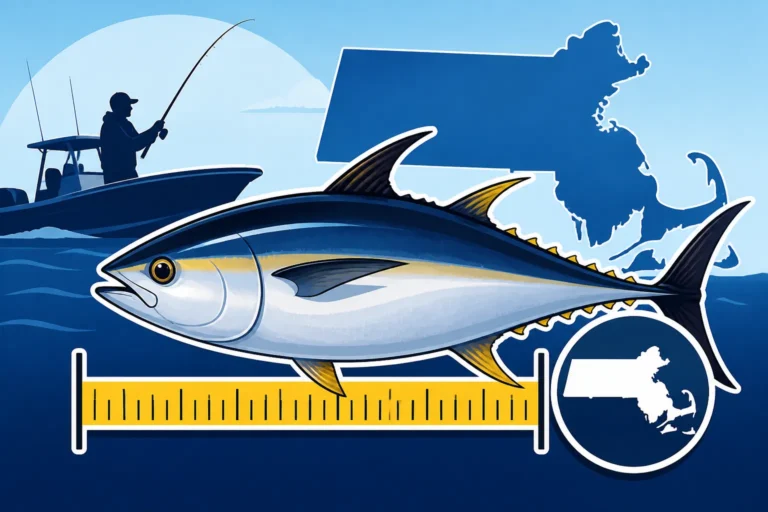
Alright, let's get down to the most pressing question: the minimum legal size for tautog in Massachusetts. Generally speaking, the minimum size for tautog in Massachusetts waters is 16 inches. This measurement is critical, and it's always from the tip of the snout to the end of the tail (not the fork in the tail, but the full tail fin when compressed).
Why 16 inches? This length is determined based on scientific research regarding the age at which tautog reach sexual maturity and have had a chance to reproduce at least once. By allowing them to grow to this size, we're giving them a fighting chance to contribute to the next generation of fish before they potentially end up on our dinner plates. It's a balance between recreational opportunity and sound conservation. Always remember, if you're not 100% sure a fish meets the legal length, it's always best to release it unharmed. When in doubt, let it out!
Daily Bag Limits and Possession Limits
The minimum size is just one piece of the puzzle; how many fish you can keep is another. Massachusetts also imposes daily bag limits and, sometimes, possession limits for tautog. These limits are subject to change, especially with seasonal variations, but generally, anglers are allowed a certain number of fish per person per day.
For tautog, the bag limit is often lower than for some other species, again reflecting their slower growth and reproductive rates. You might find a limit of 3 fish per angler per day for much of the season. This means that once you've landed three legal-sized tautog, your tautog fishing for the day is done, even if you keep catching more. There's also the concept of a possession limit, which refers to the total number of fish you can have in your possession at any given time, whether on your boat, in your vehicle, or at home. This usually mirrors the daily bag limit to prevent anglers from "stockpiling" fish over multiple days without proper documentation. Staying within these limits is just as important as meeting the size requirement. Understanding Massachusetts Tautog Size and Bag Limit by Season will give you specific numbers throughout the year.
Seasonal Changes: When Tautog Limits Shift
One of the unique aspects of tautog fishing in Massachusetts is how the regulations, particularly the bag limits, can change with the seasons. It’s not a static "one-size-fits-all" rule for the entire year. This seasonal variation is a direct response to the tautog's life cycle, especially their spawning patterns and migratory behaviors. Anglers need to be particularly diligent about checking the current rules, as a limit that's perfectly legal in the fall might get you into trouble in the spring.
Spring Season Regulations
As the waters begin to warm in the spring, tautog become more active and start to move into shallower areas, preparing for their spawning season. During this crucial time, regulations are often designed to protect these fish when they are most vulnerable and concentrated for reproduction. This typically means a more restrictive bag limit.
For example, in the early spring months, you might find that the daily bag limit for tautog is set at one fish per person per day. This tighter restriction is a conservation measure, giving as many tautog as possible the chance to successfully spawn. It's a period where patience is key, and responsible anglers understand that a lower bag limit now helps ensure robust fishing opportunities later in the year. If you're planning a trip during the spring, double-check the exact dates and limits for that year, as they can sometimes shift slightly based on management decisions.
Fall and Winter Season Regulations
Fast forward to the cooler waters of fall and early winter, and you'll often see a shift in tautog regulations that favors anglers a bit more. This is when tautog are often found in larger schools, actively feeding to build up energy reserves before the coldest months. Many anglers eagerly anticipate this period, as it can offer some of the best tautog fishing of the year.
During the fall, particularly in months like October and November, the daily bag limit often increases. It's not uncommon to see the limit jump to five fish per person per day for this season. This more generous limit acknowledges that the fish have completed their primary spawning activities for the year and are abundant. However, even with this increased limit, the minimum size requirement of 16 inches still holds firm. As the water gets colder, the tautog tend to move to deeper, offshore areas, making them harder to target, which naturally reduces fishing pressure during the coldest parts of winter. For exact dates and limits, a quick check with the Massachusetts Division of Marine Fisheries is always your best bet.
The Importance of Checking Current Regulations
I cannot stress this enough: always, always, always check the latest regulations before you head out. While I'm providing general information, fishing rules are subject to change. What was true last year, or even last month, might have been updated. This is especially true for species like tautog, where limits can shift between seasons and even be adjusted mid-year if necessary.
The best place to find the most current and authoritative information is directly from the source: the Massachusetts Division of Marine Fisheries (MassDMF) website. They publish annual guides and issue emergency updates if any changes occur. You can also often find printed pamphlets at your local bait and tackle shops, which are invaluable resources. These shops often have knowledgeable staff who are up-to-date on all the local nuances and can offer great advice. Don't rely solely on word-of-mouth or an old regulation summary you found in your tackle box – a quick check could save you a significant headache (and a potential fine). For broader context, take a look at the Massachusetts Fishing Regulations Pamphlet, Explained.
Practical Tips for Measuring and Handling Tautog
So, you've got a tautog on the line, and it looks like a keeper! That's fantastic! But before you celebrate, it's crucial to confirm it meets the legal minimum size. Just as important is how you handle any fish you intend to release, especially those that are undersized. Proper technique in both measuring and handling ensures you comply with regulations and contribute to the health of the fishery.
Proper Measuring Techniques
Measuring a tautog correctly is simple, but there are a few key points to remember to ensure accuracy and avoid any issues with enforcement. You'll need a reliable measuring device – a standard tape measure or a fishing ruler is perfect. Many anglers even have rulers affixed to their boat gunwales or cooler lids for quick measurements. You can easily find these on sites like Amazon.
Here’s the step-by-step:
- Lay the fish flat: Carefully place the tautog on a flat surface, such as a measuring board or boat deck.
- Mouth closed: Gently press the mouth of the fish closed against the beginning of your measuring device (the zero mark).
- Tail compressed: With the fish still on the measuring device, gently squeeze the tail lobes together so they form a straight line.
- Measure to the longest point: Read the measurement to the absolute longest point of the tail. Remember, for tautog, it's total length, not just to the fork.
- Be quick: Minimize the time the fish is out of the water, especially if it's going to be released.
It's a good habit to measure every tautog you catch, even if you're sure it's undersized, just to reinforce the proper technique.
Catch and Release Best Practices
Even when you're targeting keepers, you're bound to catch undersized tautog or fish you simply don't wish to keep. How you handle these fish drastically impacts their survival rate. A live release means giving that fish another chance to grow, spawn, and be caught again another day.
Here are some best practices for catch and release:
- Minimize handling: The less you touch the fish, especially its scales and gills, the better. Use wet hands if you must handle it directly.
- Use appropriate gear: Barbless hooks can make hook removal much quicker and less damaging. If using barbed hooks, consider crimping down the barb.
- Dehook quickly: Have a dehooking tool or needle-nose pliers readily available. For deep-hooked fish, sometimes cutting the line as close to the hook as possible is better than trying to extract it, especially if it means less stress on the fish. There are many great dehooking tools available on Amazon that can make this process efficient.
- Minimize air exposure: Keep the fish in the water as much as possible. If you need a photo, get it quickly, hold the fish horizontally to support its weight, and return it to the water immediately.
- Revive if necessary: If a fish seems lethargic after release, gently hold it in the water, facing into the current, and move it back and forth until it regains its strength and swims away on its own.
By following these simple guidelines, you're not just following the rules; you're becoming a steward of the resource, ensuring that the tautog fishery thrives. You'll find more general advice in Massachusetts Freshwater vs Saltwater License Differences and Massachusetts Recreational Saltwater Permit Explained.
Essential Gear for Tautog Fishing (and Compliance)
Having the right gear isn't just about catching fish; it's also about fishing legally and responsibly. Beyond your rod, reel, line, and bait, there are a few specific items that are absolutely essential for a successful and compliant tautog trip.
First and foremost, a reliable measuring device is non-negotiable. Whether it's a dedicated fishing ruler, a tape measure, or markings on your boat, make sure it's accurate and easily accessible. Trying to eyeball a 16-inch fish is a recipe for disaster. You can find robust, marine-grade rulers on Amazon that are perfect for saltwater environments.
Next, a good dehooking tool is vital. Tautog have incredibly strong jaws and often swallow hooks deeply, especially when using bait like green crabs. A long-nosed dehooker or a specialized tool designed for deep-hooked fish will allow you to remove hooks quickly and safely, minimizing harm to fish you intend to release. This is especially important for those undersized tautog you'll inevitably encounter. A quality tool can be a game-changer for both the fish's survival and your fingers.
Finally, don't forget a cooler with ice! If you're lucky enough to catch legal-sized tautog you plan to keep, getting them on ice quickly is crucial for preserving their quality. A good cooler, easily sourced from major retailers or Amazon, will ensure your catch stays fresh until you get home. Being prepared with these simple tools means you’re not only ready to fish, but also ready to respect the regulations and the fish themselves.
What Happens if You Don't Comply?
It's easy to think of fishing regulations as just "rules" that someone else follows, but they are serious laws with real consequences. The Massachusetts Environmental Police (MEP) are out on the water and along the coastline, actively enforcing these regulations to protect our marine resources. Getting caught unknowingly or knowingly violating tautog rules can lead to more than just a stern talking-to.
Penalties for Violating Tautog Regulations
Fishing without a valid license or permit, keeping undersized fish, or exceeding bag limits are not minor infractions. These violations can carry significant penalties. For a first offense, you might face a substantial monetary fine. These fines can add up quickly, especially if you're found with multiple undersized fish or significantly over the bag limit.
Beyond the immediate financial hit, there can be other, more severe repercussions. Repeated violations, or particularly egregious ones, can lead to the suspension or revocation of your fishing license or permit. Imagine being told you can't fish for a year, or even longer, because you didn't respect the rules. For dedicated anglers, that's a truly painful consequence. In some cases, especially for commercial violations or extreme disregard for the law, there could even be equipment seizure or other legal actions. It's a stark reminder that these regulations are in place for a reason, and enforcement is taken seriously. You might also be interested in Penalties for Fishing Without a License in Massachusetts for a broader view of consequences.
The Role of Environmental Police
The Massachusetts Environmental Police are not just ordinary law enforcement; they are specialists dedicated to protecting the state's natural resources. Their officers are highly trained in fisheries and wildlife laws and patrol our waters, coastlines, and inland areas. They have the authority to stop and inspect boats, vehicles, and individuals to ensure compliance with all fishing and hunting regulations.
Their presence isn't just about catching rule-breakers; it's also about educating the public and ensuring the health of our environment. They are a critical part of the conservation puzzle, working to maintain the balance between public access to fishing and the sustainability of fish populations. So, if an MEP officer approaches you, be courteous, cooperative, and ready to present your license, permits, and any catch you may have. They're doing an important job, and your cooperation helps them protect the very resources we all cherish. Understanding their role underscores why it's so vital to know and adhere to regulations like the minimum size for tautog.
Here’s a simplified look at the general tautog regulations you might encounter in Massachusetts. Remember, always verify current rules with MassDMF.
| Season | General Daily Bag Limit (per angler) | Minimum Size | Typical Period | Notes |
|---|---|---|---|---|
| Spring | 1 fish | 16 inches | Mid-April to Mid-May (approx.) | Often coincides with pre-spawning or early post-spawning |
| Summer | 3 fish | 16 inches | Mid-May to Mid-September (approx.) | More moderate limits as fish spread out after spawning |
| Fall/Early Winter | 5 fish | 16 inches | Mid-September to Mid-December (approx.) | Most generous limits during peak feeding activity |
| Late Winter | 1 fish | 16 inches | Mid-December to Mid-April (approx.) (if open) | Limits tighten as fish move offshore or become less active, sometimes a closed season. |
This article is for general informational purposes only and does not constitute professional advice. Laws, prices and regulations vary by location and change over time. Consult a qualified professional for guidance on your specific situation.