Size limit for bluefin tuna in Massachusetts
If you're an angler with dreams of battling a magnificent bluefin tuna in Massachusetts waters, you know there's a thrill unlike any other. But that excitement can quickly turn to a frustrating puzzle when trying to decipher the ever-changing and often complex size limits and regulations. It’s not just about catching the fish; it’s about understanding the specific, nuanced rules that govern what you can keep, when, and how, ensuring you stay on the right side of the law and contribute to the conservation of this incredible species. This guide aims to unravel those complexities, helping you navigate the world of bluefin tuna size limits in Massachusetts.
The Evolving Landscape of Bluefin Tuna Regulations in Massachusetts
Catching a bluefin tuna is a monumental achievement, but the journey doesn't end when the fish is boatside. Understanding the current regulations, particularly the size limits, is absolutely paramount. These rules aren't static; they're dynamic, shifting based on stock assessments, international agreements, and domestic quotas, which can leave even seasoned anglers feeling like they need a legal degree to keep up.
Why Bluefin Tuna Rules Are So Complex
The complexity of bluefin tuna regulations stems from several factors unique to this species. First, bluefin are highly migratory, meaning their populations are managed internationally by organizations like the International Commission for the Conservation of Atlantic Tunas (ICCAT), which sets overall quotas that then filter down to national levels, like NOAA Fisheries in the United States. This top-down structure means changes at the international level directly impact what happens in Massachusetts.
Secondly, bluefin tuna are categorized by size for management purposes, often leading to different rules for different classes of fish – think "school tuna," "large school/small medium," and "large medium/giant tuna." Each category might have distinct size limits, retention limits (how many you can keep), and even seasonal restrictions. This multi-layered approach is designed to protect various age classes of tuna, allowing different segments of the stock to rebuild or remain healthy. For example, smaller school tuna might have different rules than the giants, acknowledging their different roles in the ecosystem and their recreational versus commercial value.
Recreational vs. Commercial Limits: A Tale of Two Fisheries
It’s crucial to understand that the rules for recreational anglers can differ significantly from those for commercial fishermen, and even for those operating on a charter or for-hire vessel. Recreational anglers in Massachusetts typically fall under specific NOAA Fisheries regulations for the Atlantic Tunas General Category or Angling Category. These categories dictate not only the size limits but also the daily retention limits and, importantly, when the fishery might close if the quota is met.
For instance, a recreational angler might be allowed to keep a certain number of school bluefin (often defined by a minimum length) within a specific time frame, but be prohibited from retaining larger medium or giant tuna unless they possess a commercial permit or are fishing on a permitted charter. The exact regulations change annually, and sometimes even monthly or weekly, depending on how quickly the quota is being filled. This means that an angler needs to check the very latest updates before every trip. It's not uncommon for a fishery to open for a few days, close, then reopen later in the season. Navigating these nuances is key to a successful and legal bluefin tuna outing. If you're considering a trip, you might also want to read up on Massachusetts Saltwater Recreational Fishing Permit Explained to make sure all your permits are in order.
Understanding the Measurements: How to Legally Keep Your Catch
So, you've hooked into a bluefin, fought it valiantly, and it's boatside. Now comes the critical moment: measurement. Getting this wrong can lead to serious penalties, so it's vital to know precisely how to measure your fish and what tools you'll need.
The Art of Accurate Measurement: Curved Fork Length is Key
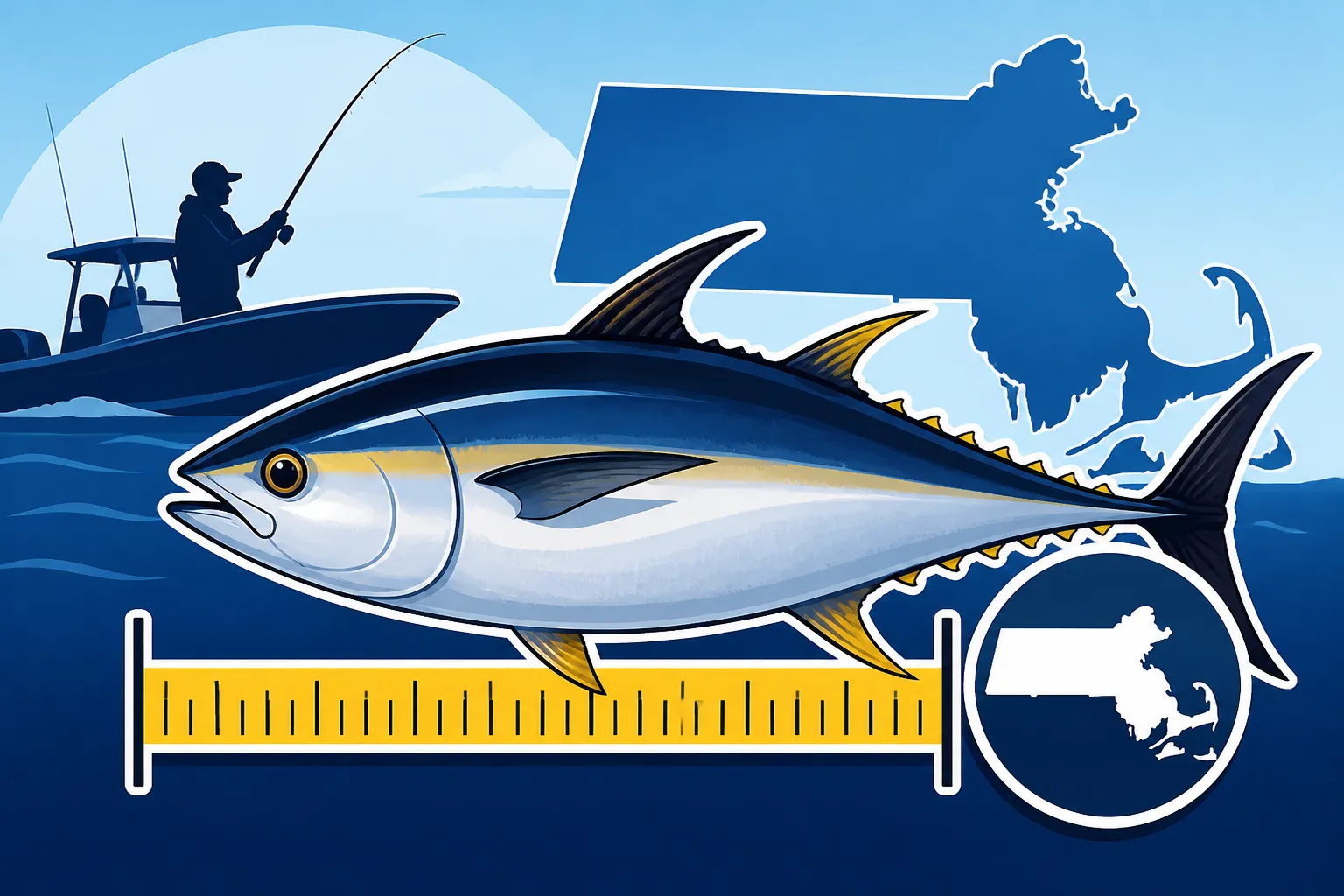
For bluefin tuna, the official measurement method isn't straight total length or straight fork length; it's almost always curved fork length (CFL). This is a subtle but important distinction. To measure CFL, you'll need a flexible tape measure. The measurement is taken from the tip of the upper jaw, along the curve of the body, to the fork in the tail. The "fork" is the deepest indentation where the two lobes of the tail fin meet.
Why curved fork length? Because it more accurately accounts for the natural curve and girth of the tuna's body, which can vary significantly even among fish of similar straight lengths. You need to ensure the tape measure follows the contour of the fish's body, not just a straight line over the top. This requires careful handling of the fish, ideally while it's still in the water or quickly brought onto a stable surface for measurement, minimizing stress. Having a reliable, waterproof, flexible tape measure is a must, and you can find a good, foldable measuring tape for this on places like Amazon to keep handy on your boat. Remember, proper measurement also helps in understanding the Massachusetts Striped Bass Slot Limit Explained if you ever switch targets.
What to Do if Your Tuna is Outside the Slot
The term "slot limit" isn't strictly applied to bluefin tuna in the same way it is for species like striped bass, but the concept of keeping fish within specific size ranges is very much at play. Bluefin tuna regulations usually define minimum and sometimes maximum size limits for various categories. If your tuna measures outside the legal limits for retention, either too small or (less commonly for recreational anglers) too large for the current regulations, immediate release is mandatory.
This means the fish must be released back into the water with as little harm as possible. Avoid excessive handling, remove hooks quickly, and use dehooking tools if necessary. If a fish is too large to bring aboard for measurement, and you suspect it's outside the legal recreational size for retention, it must be released. The goal is to maximize its chances of survival, contributing to future generations of tuna. Knowing the specific requirements for different species is crucial, for example, understanding Massachusetts Fluke Size Limits Explained is just as important if you are targeting flounder.
The Conservation Imperative: Why These Limits Matter
It’s easy to view fishing regulations as obstacles, but for species like bluefin tuna, they are absolutely vital for the species' survival and the long-term health of the fishery. Understanding the "why" behind these rules can shift your perspective from frustration to appreciation for the complex science and management involved.
Protecting a Prized Species: Stock Management and Quotas
Bluefin tuna have faced significant overfishing pressure globally in past decades, making them a species of high conservation concern. The current regulations, including size limits, are a direct result of concerted efforts to rebuild and maintain healthy populations. Every year, scientists assess the tuna stock, estimating how many fish are out there and how many can be sustainably harvested. This scientific data informs the overall quotas set by international bodies and then allocated to countries like the United States.
These quotas are then broken down by category and applied to specific fisheries (recreational, commercial, charter). When a category's quota is projected to be met, that segment of the fishery is closed, often with very short notice. This system is designed to prevent overharvesting and ensure that enough bluefin survive to reproduce and sustain the population. As a recreational angler, adhering to these limits directly contributes to the sustainability of the fishery, ensuring that future generations will also have the chance to experience the thrill of catching these magnificent fish. This commitment to conservation is echoed in rules for other prized fish, such as those covered in Massachusetts Recreational Fishing Rules and Bag Limits.
Reporting Requirements: Your Role in Conservation
Beyond just size limits, responsible bluefin tuna fishing in Massachusetts often involves mandatory reporting. Depending on the permit category and the type of tuna caught, anglers may be required to report their catches (and sometimes even their releases) within a very specific timeframe, often within 24 or 48 hours. This isn't just bureaucratic red tape; it's a critical component of stock management.
Accurate and timely reporting allows fisheries managers to monitor the quota in real-time. Without this data, they wouldn't know when a quota is approaching its limit, making it impossible to close the fishery promptly and prevent overharvesting. Your report, whether it's a retained fish or a dead discard, provides valuable information that helps shape future regulations and ensures the health of the bluefin population. It's a direct way you, as an angler, contribute to the science and sustainability of one of the ocean's most incredible predators. Many anglers also swear by specific tuna fishing guides or logbooks, which you can often find readily available on Amazon, helping you track your catches and understand patterns.
Staying Up-to-Date: Navigating the Dynamic Regulations
Given the fluid nature of bluefin tuna regulations, relying on old information is a recipe for trouble. Staying current means knowing where to look and understanding how changes are communicated.
Official Sources: Where to Find the Latest Information
The primary and most authoritative source for bluefin tuna regulations for Massachusetts anglers is NOAA Fisheries. Their website (specifically the Highly Migratory Species or HMS division) is updated constantly with rule changes, fishery openings and closures, and quota statuses. Anglers should make it a habit to check this resource before every bluefin tuna trip, as changes can occur with very little advance warning.
Additionally, subscribing to NOAA Fisheries HMS email alerts is an excellent way to receive real-time updates directly to your inbox. State agencies like MassWildlife also often disseminate key federal information, but the federal NOAA site is the ultimate authority for these federally managed species. It's a good idea to bookmark these sites or even get yourself a waterproof fishing regulations pamphlet, which you might find at local tackle shops or even purchase a durable version from Amazon. For those interested in deeper dives, exploring Massachusetts Fishing Regulations Pamphlet, Explained can offer additional context.
The Impact of Quota Management and Seasonal Adjustments
Bluefin tuna fisheries operate under a quota system, which means that once a certain tonnage of fish has been harvested in a specific category, that fishery segment closes, regardless of the calendar date. This can lead to abrupt closures, sometimes in the middle of a prime fishing season. Imagine planning a trip for weeks, only to find the fishery closed the day before you launch! This is a reality that bluefin tuna anglers face.
These quota-driven closures mean that while there might be general seasons for bluefin tuna (e.g., typically summer and fall in Massachusetts), the actual days you can legally retain a fish are entirely dependent on quota availability. These closures are not arbitrary; they are a direct consequence of scientific management designed to keep bluefin populations healthy. Therefore, being prepared for sudden changes and having contingency plans (like targeting other species) is a smart approach for any bluefin enthusiast. Don't forget essentials like a good pair of fishing gloves or a specialized tuna gaff, many of which are sold on Amazon, to ensure safe handling of these powerful fish.
Here's a simplified look at the typical recreational size categories for Atlantic bluefin tuna, but remember these change frequently and should always be verified with NOAA Fisheries before you head out:
| Tuna Category | Typical Curved Fork Length (CFL) Range | Retention Limits (Example) | Important Note |
|---|---|---|---|
| School Bluefin Tuna | 27 to < 47 inches | Often 1 fish per vessel per day | Most commonly targeted recreationally. Subject to frequent closures. |
| Large School/Small Medium | 47 to < 73 inches | Highly variable, often 0-1 per vessel depending on quota. | Very often closed to recreational retention, especially as quotas are met. |
| Large Medium/Giant Tuna | 73 inches and greater | Extremely rare for recreational retention. Requires specific commercial permit. | Recreational anglers rarely keep these; often released or harvested commercially. |
Note: These are illustrative examples only. Exact size limits and retention rules, including open and closed dates, are subject to change by NOAA Fisheries at any time and often do so with little notice. Always consult the official NOAA Fisheries Highly Migratory Species (HMS) regulations before fishing.
If you're gearing up for a serious tuna trip, checking out the robust tackle options, from heavy-duty rods to specialized reels, often available through retailers like Amazon, is a common step for many experienced anglers. For specific fishing tactics related to these magnificent fish, you might find articles like Bluefin Tuna Fishing Techniques Near Cape Cod or even Best Time of Year to Fish in Massachusetts incredibly helpful. Staying informed and prepared ensures a responsible and rewarding experience on the water.
Disclaimer
This article is for general informational purposes only and does not constitute professional advice. Laws, prices and regulations vary by location and change over time. Consult a qualified professional for guidance on your specific situation.