How many tautog you can keep in October
Oh, the elusive tautog! If you've spent any time on the Massachusetts coast, especially as the calendar flips to fall, you know the thrill of targeting these feisty fish. But you also know the headache that comes with trying to keep up with their ever-shifting regulations. It feels like every season brings a new set of rules, and October, a prime time for tautog action, is no exception. This guide is here to untangle the confusion and help you understand exactly what to expect when it comes to keeping tautog in Massachusetts during that sweet autumn month.
Understanding Tautog Regulations in Massachusetts
It’s easy to get frustrated with fishing regulations that seem to change all the time. One day it's one limit, the next it's another! But when it comes to fish like tautog, there's often a very good reason behind the shifts, and understanding that 'why' can make it a bit less baffling.
Why Tautog Limits Change by Season
Tautog are unique. They're primarily bottom dwellers, preferring rocky structures, wrecks, and mussel beds. They're also relatively slow-growing and highly susceptible to fishing pressure, especially during their spawning periods. Massachusetts, like many other coastal states, manages tautog through seasonal regulations to protect these fish, particularly when they are most vulnerable.
You'll often find that bag limits (the number of fish you can keep per person per day) are stricter during the spring spawning season when tautog are gathering in shallower waters to reproduce. This helps ensure that enough fish can successfully spawn, contributing to future generations. As we move into the fall, after the primary spawning period, regulators sometimes adjust the limits, making them a bit more generous. This reflects a period when the fish are less biologically vulnerable, and often, anglers are out in force taking advantage of the cooler weather and active fish. It’s all about finding that delicate balance between angler opportunity and conservation.
Where to Find the Official Massachusetts Regulations
Seriously, this is the most crucial piece of advice I can give you: always check the official sources for current regulations. Relying on what you heard from a buddy at the bait shop or what someone posted online can lead to a really bad day on the water, usually involving fines.
The Massachusetts Division of Marine Fisheries (DMF) and MassWildlife are your go-to authorities. They publish the most up-to-date recreational fishing regulations. You can often find a printed Massachusetts Fishing Regulations Pamphlet, Explained at your local tackle shop, harbormaster's office, or MassWildlife district office. However, for the absolute latest, a quick visit to the Massachusetts state government's website (mass.gov) or the MassFishHunt portal is the best bet. Laws change, and they can sometimes change mid-season if conservation needs arise or if stock assessments show different trends. Don't get caught off guard!
The Specifics of October Tautog Bag Limits in Massachusetts
Now, let's get down to the nitty-gritty of what you're likely to encounter when targeting tautog in October here in Massachusetts. Remember, I can't give you this year's exact numbers because those can change, but I can certainly explain the patterns and what you absolutely need to know.
Recreational Bag and Size Limits for Tautog in October
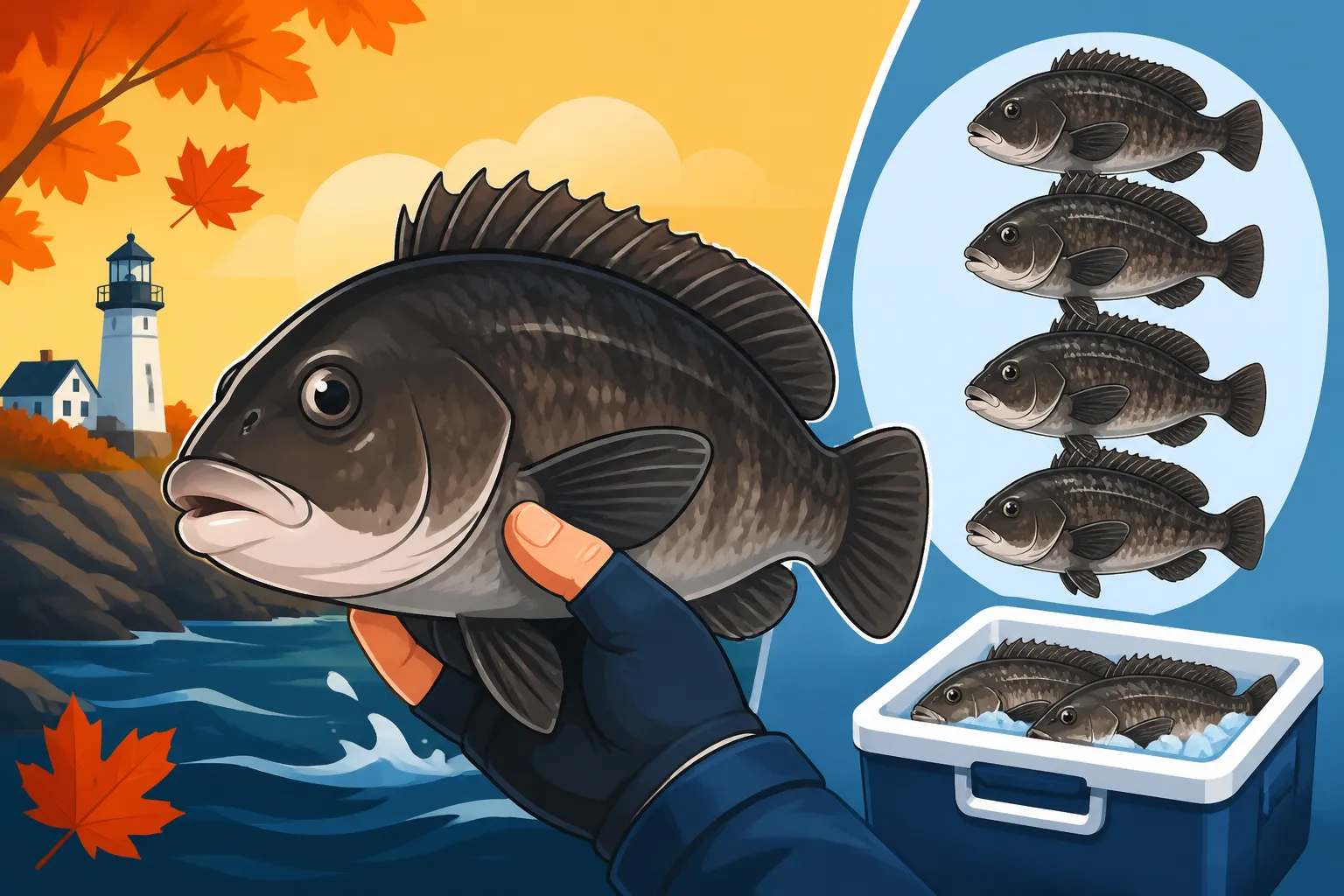
Historically, and as a common pattern, the recreational bag limit for tautog in Massachusetts tends to be more favorable in the fall than in the spring. Spring often sees a more restrictive limit to protect spawning fish, sometimes as low as one or two fish per angler. As we transition into the autumn months, like October, the limits typically increase, reflecting the post-spawning period and a time when tautog are actively feeding and concentrated before winter. It's not uncommon for the bag limit to increase to a slightly higher number per angler during this time.
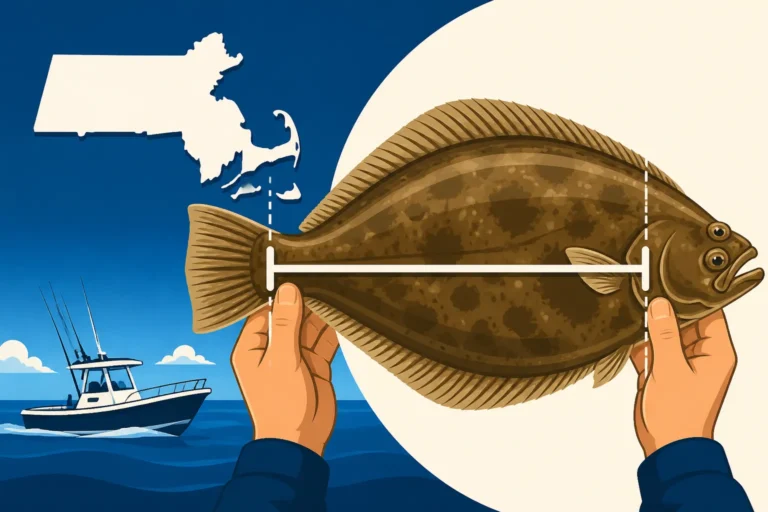
In addition to the daily bag limit, there's also a minimum size limit you must adhere to. This means any tautog you catch below a certain length, no matter how plump it looks, must be immediately released unharmed. The minimum size limit for tautog also varies by season, so it's just as important to confirm that number as it is the bag limit. You'll need a reliable measuring device on your boat or in your tackle box – no guessing! You can read more about the seasonal changes in Massachusetts Tautog Size and Bag Limit by Season.
It's also worth noting the difference between a daily bag limit and a possession limit. The daily bag limit is how many fish each individual angler can keep in a 24-hour period. A possession limit often refers to the total number of fish that can be on a vessel, or in your cooler, or in your vehicle at any given time, regardless of how many people were fishing. Sometimes, for tautog, the possession limit might be tied to the number of anglers on board. Always double-check this, as it can be a common point of confusion. For a deeper dive, check out Massachusetts possession limit versus daily bag limit, what's the difference.
Importance of Checking Current Regulations Every Year
I cannot stress this enough: regulations are not static. What was true last October might not be true this October. Fishery management is an ongoing process, influenced by scientific stock assessments, environmental factors, and even public input. It's a living document, and if you're serious about fishing ethically and legally, you need to treat it as such.
Before every tautog trip, especially if you haven't been out in a while or if you're fishing a new season, take five minutes to visit the Massachusetts Division of Marine Fisheries website. Look specifically for "recreational tautog regulations" for the current year. They'll clearly state the daily bag limit, the minimum size, and any special notes, such as possession limits or open/closed seasons. Print it out or save it to your phone if you want, but ensure it's the most current information. Local bait and tackle shops are also great resources, as they usually keep up-to-date on local rules and often have copies of the regulation pamphlets available.
| Regulation Aspect | General Tendency (Spring) | General Tendency (October/Fall) | Key Reminder |
|---|---|---|---|
| Daily Bag Limit | More restrictive (e.g., 1-2 fish) | More liberal (e.g., 3-5 fish) | ALWAYS CHECK the official DMF website for current numbers. |
| Minimum Size | Consistent throughout the year, but varies by location sometimes | Consistent throughout the year, but varies by location sometimes | ALWAYS MEASURE carefully; size limits are strictly enforced. |
| Vessel Limit | Often applies, check for specifics | Often applies, check for specifics | Total fish on board may be capped, regardless of angler numbers. |
| Season Status | Open, but often with stricter limits | Open, often with more liberal limits | Be aware of any potential closed seasons or windows, though October is usually open. |
Strategies for Ethical and Successful October Tautog Fishing
October in Massachusetts offers some of the best tautog fishing opportunities of the year. The water is cooling, the fish are actively feeding, and they’re often concentrated on rocky structure. It's a fantastic time to get out there, but let's also talk about doing it the right way.
Responsible Catch-and-Release Practices for Tautog
Even when bag limits are more generous in October, practicing responsible catch-and-release is vital. Tautog are a slow-growing species, and those larger, older fish are crucial for the health of the fishery. Consider keeping only what you'll eat and releasing the rest, especially the biggest females (often called "breeders" or "sows").
When you do release, do it carefully. Tautog have tough mouths, so a strong de-hooking tool is a must. Barbless hooks can also make removal much easier and less traumatic for the fish. If a fish is deeply hooked, sometimes it's better to cut the line as close to the hook as possible rather than tearing the fish's internals trying to retrieve the hook. If you’re fishing in deeper water, you might also encounter issues with barotrauma (when a fish's swim bladder expands due to the rapid change in pressure). Learning how to use a descending device or venting tool can significantly increase the survival rate of released fish in these situations. You can find a good selection of de-hooking tools, measuring tapes, and other fish-friendly gear on platforms like Amazon.
Best Baits and Techniques for October Tautog
Tautog are primarily crustacean eaters, so your bait choice is pretty straightforward: crabs, crabs, and more crabs! Green crabs are the most popular and readily available, but hermit crabs, Asian shore crabs, and even fiddler crabs can be incredibly effective. Breaking the crab in half (or quarters for bigger ones) and presenting a fresh piece on a stout hook is usually the ticket.
For techniques, you're looking at bottom fishing directly on or very near structure. Tautog live in and around rocks, wrecks, bridge pilings, and mussel beds. You need to be right in their living room. A standard hi-lo rig with a strong sinker or a single snelled hook rig (often called a "tog rig") works well. Many anglers are also finding success jigging for tautog with specialized jigs tipped with a piece of crab. Use stout tackle – a medium-heavy to heavy rod with a good quality reel spooled with braided line will give you the power to pull these fish out of the snags before they can bury themselves. Again, online retailers like Amazon are great places to stock up on durable hooks, heavy sinkers, and braided line suitable for the tough environment where tautog live. Best Baits for Tautog Fishing in Massachusetts and Bottom Fishing for Tautog in Massachusetts offer more detailed advice.
Avoiding Penalties and Contributing to Conservation
Let's be clear: fishing regulations exist for a reason, and ignoring them isn't just irresponsible, it's illegal. The consequences of not following the rules can really put a damper on your fishing trip and your wallet.
Consequences of Exceeding Bag Limits
Getting caught with too many fish, or fish that are undersized, is a serious offense in Massachusetts. Enforcement officers, whether from the Environmental Police or local harbormasters, take these violations very seriously. The penalties can range from significant fines (and trust me, they're not cheap) to the confiscation of your catch, fishing gear, and even your boat in some extreme cases. Repeat offenses can lead to the suspension or revocation of your fishing license, which would be a true heartbreak for any dedicated angler.
The bottom line is that ignorance of the law is not an excuse. It's your responsibility as an angler to know and follow the current regulations. A quick check of the official sources before you leave the dock takes minutes and can save you a world of trouble. Don't risk it. You can learn more about the implications in Penalties for Fishing Without a License in Massachusetts.
The Role of Anglers in Tautog Conservation
Every angler plays a critical role in the conservation of tautog and all fish species. The regulations aren't just arbitrary rules; they are designed to sustain fish populations for future generations. When you adhere to bag limits and size restrictions, you're directly contributing to the health and longevity of the fishery.
Furthermore, the fees you pay for your fishing license and permits (like the Massachusetts Saltwater Recreational Fishing Permit) are often directly funneled back into conservation efforts, fisheries research, habitat restoration, and enforcement. So, by simply being a licensed and compliant angler, you're an active participant in protecting the very resources you enjoy. Find out more about how your contributions help in How Massachusetts fishing license fees fund conservation programs. Reporting suspicious activity or clear violations you witness also helps protect the resource. We all need to be stewards of the environment if we want to keep enjoying the incredible fishing opportunities Massachusetts offers.
Disclaimer
This article is for general informational purposes only and does not constitute professional advice. Laws, prices and regulations vary by location and change over time. Consult a qualified professional for guidance on your specific situation.