Difference between fluke and flounder
Oh, the age-old question that has stumped countless anglers casting lines into Massachusetts waters: what's the real difference between a fluke and a flounder? You're out there, rods bent, reels screaming, and you pull up a beautiful flatfish, only to second-guess yourself. Is it a delicious fluke, or a common flounder? This isn't just a matter of curiosity; knowing your fish is crucial for adhering to regulations and ensuring you're keeping a legal catch. This guide is here to untangle the confusion and make you a flatfish identification expert.
The Tale of Two Sides: Right-Eyed Versus Left-Eyed Flatfish
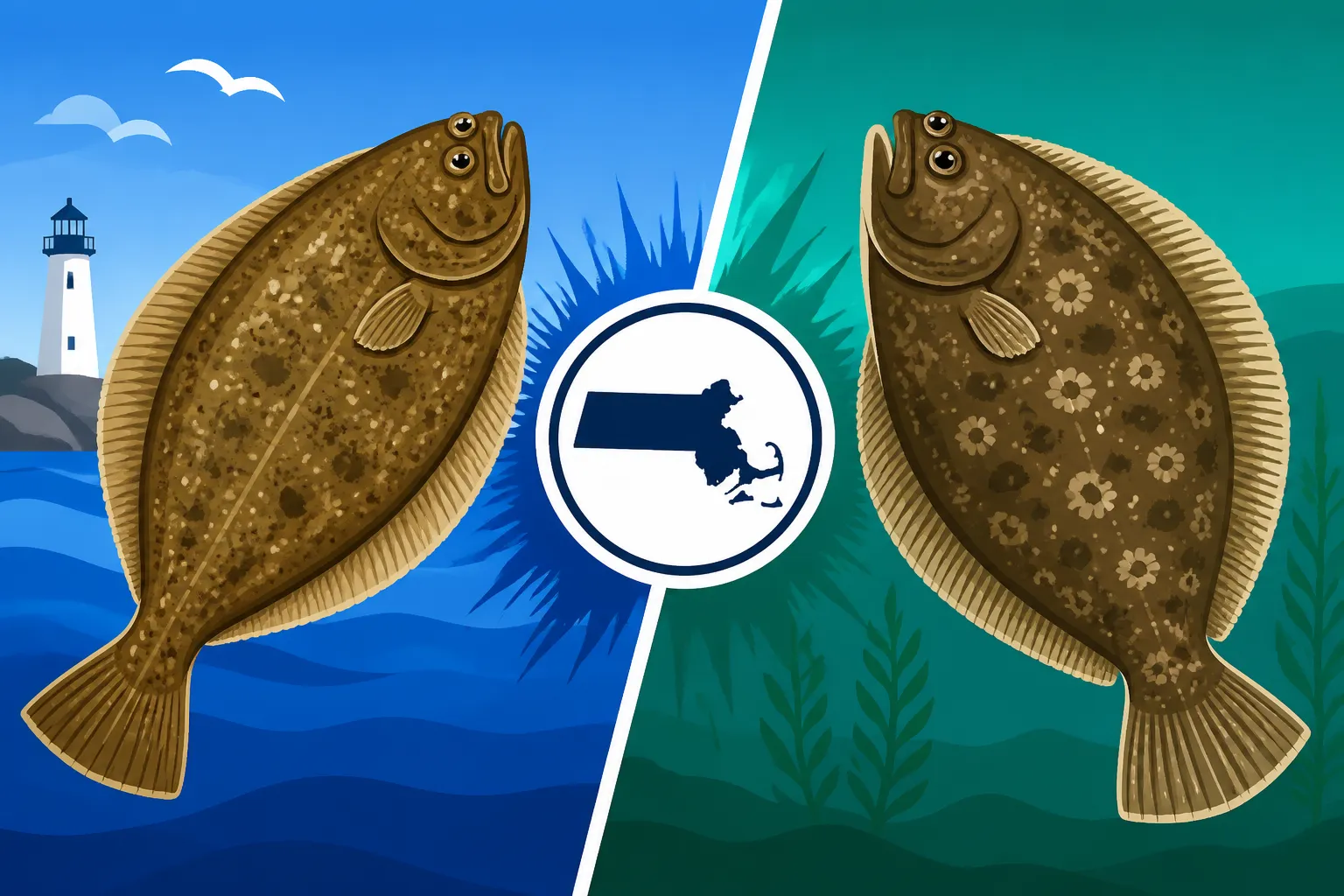
The absolute quickest, most definitive way to tell a fluke from a flounder, particularly here in Massachusetts, comes down to a simple anatomical trait: which side their eyes are on when they're lying flat with their belly down and their mouth pointing left. Yes, it sounds a bit like a riddle, but once you get it, you'll never forget.
Imagine you're holding the fish with its dark, patterned side facing you, its mouth pointing to your left. If both of its eyes are now visible on the left side of its head, you've got yourself a Summer Flounder, which we commonly call a "fluke" here in New England. If, however, its eyes are on the right side of its head with the mouth pointing left, then you're holding a true flounder, such as a Winter Flounder or a Yellowtail Flounder. This isn't just a quirky evolutionary trait; it's a fundamental distinction that separates these two groups of flatfish. It's truly a game-changer once you get the hang of it, and it makes identifying your catch on the spot much easier, saving you from any potential headaches with the law.
Beyond the eyes, consider the mouth. A fluke (Summer Flounder) tends to have a much larger mouth, often extending back past the eye. Their teeth are quite prominent and sharp, a clear indicator of their predatory nature. They're aggressive hunters, lurking on the bottom, ready to ambush baitfish. Flounders, on the other hand, typically have smaller, more delicate mouths. Their teeth are less pronounced, designed more for nibbling on small invertebrates and crustaceans. This difference in mouth structure directly reflects their feeding habits and can give you another clue, especially if the eye-test feels a bit ambiguous at first glance. It's like comparing a wolf's jaw to a deer's – built for completely different purposes!
Meet the Massachusetts Flounders: Winter Wonders and More
When we talk about "flounder" in Massachusetts, more often than not, we're referring to the Winter Flounder, also affectionately known as blackback flounder. These fish are staples of our inshore waters, especially during the cooler months, though you can certainly catch them year-round. They are the quintessential "right-eyed" flatfish. If you're holding one with its dark side up and its mouth pointing left, you'll see both eyes gazing back at you from the right side of its head.
Winter Flounder tend to have a rather mottled, dark brown to olive green coloration on their top side, which helps them blend seamlessly with sandy or muddy bottoms. Their underside is typically a clean white. They prefer softer substrates in bays, estuaries, and shallow coastal areas, often congregating in channels and around structure where they can find small worms, clams, and other benthic critters. Fishing for them often involves anchoring up in a good muddy spot and using small baits like sea worms, clams, or strips of squid fished on the bottom. They’re a delicious table fish, prized for their delicate white flesh. Just remember to check the Massachusetts Saltwater Bag Limits by Species before you hit the water, as regulations can change.
While Winter Flounder are the most common "true" flounder you'll encounter, Massachusetts waters are also home to a few other fascinating flatfish. Yellowtail Flounder are another right-eyed species, often found in slightly deeper offshore waters. They get their name from their distinctive yellow fins and tail. Then there's the Windowpane Flounder, a very thin, almost translucent right-eyed flatfish with a peculiar round shape and large scales. You might also encounter American Plaice, another right-eyed flatfish that prefers colder, deeper waters. These various flounder species might not be as frequently targeted by recreational anglers as the Winter Flounder, but they're all part of the rich tapestry of flatfish found in our region. Learning to distinguish them adds another layer of appreciation to your Massachusetts fishing adventures. Saltwater Fish Species in Massachusetts covers many more of these interesting marine creatures.
The Elusive Fluke: Massachusetts' Summer Flounder
Now, let's talk about the other star of our flatfish show: the fluke, or more formally, the Summer Flounder. These are the "left-eyed" flatfish, and they are a highly sought-after game fish in Massachusetts, especially as the waters warm up. If you're holding a fluke with its mouth pointing to the left, both its eyes will be on the left side of its head. This is their undeniable calling card.
Summer Flounder are typically lighter in color than their winter counterparts, often a sandy brown or grayish-green with distinctive spots that can sometimes resemble bullseyes. They have the remarkable ability to change their coloration to match their surroundings, making them incredibly effective ambush predators. You'll find them lying in wait on sandy patches, near structure, or along the edges of channels, often partially buried, ready to pounce. Their preferred habitat often includes similar areas to flounder, but they generally prefer warmer water, hence their "summer" moniker. They're often found in coastal bays, estuaries, and along beaches. If you're looking for Best Saltwater Fishing Spots on Cape Cod, Massachusetts, fluke are definitely a target species.
Unlike the more sedentary, bottom-nibbling flounders, fluke are aggressive hunters. They have that larger mouth and formidable teeth for a reason! Their diet consists mainly of baitfish like spearing, sand eels, and juvenile scup, as well as squid and crustaceans. This predatory nature means different fishing techniques are often more effective for fluke. Drifting with a live bait or a bucktail jig tipped with a strip of squid or a Gulp! Swimming Mullet is a classic and highly productive method. You can find a wide array of effective bucktail jigs and soft plastics on Amazon that are perfect for tempting a hungry fluke. Their fighting spirit and delicious flaky white meat make them a top prize for many Massachusetts anglers. Knowing How to Catch Fluke in Massachusetts can truly elevate your summer fishing experience.
Fishing for Fluke and Flounder: Techniques and Regulations
Understanding the differences between fluke and flounder isn't just academic; it has practical implications for how and where you fish, and what you can legally keep. When it comes to fishing techniques, while there's overlap, tailoring your approach to the species you're targeting can greatly increase your success.
For Winter Flounder, patience and a subtle presentation are key. They're bottom feeders, so a simple two-hook rig (often called a "flounder rig") with small hooks, light line, and a sinker is standard. Baits like sea worms, strips of clam, or small pieces of squid fished directly on the bottom are highly effective. You often want to find muddy or sandy flats, anchor up, and let your scent trail do the work. Remember, their mouths are smaller, so tiny bits of bait are often better than large chunks.
Fluke, being more aggressive predators, respond well to lures and active presentations. Drifting is perhaps the most popular method for fluke. Anglers will often drift over sandy bottoms, channel edges, or patchy areas, presenting a bucktail jig, a Spro jig, or a three-way swivel rig with a live bait or strip bait. The key is to keep your bait or lure bouncing gently along the bottom, mimicking a wounded baitfish or a swimming squid. Many anglers swear by using scented soft plastics like Gulp! varieties, which you can easily stock up on through Amazon for your tackle box. Their larger mouths mean you can use bigger baits and lures, and they won't hesitate to hit something moving. You can learn more about specific baits and techniques in How to Catch Fluke in Massachusetts.
Navigating the Rules: Size and Bag Limits
This is where identifying your catch correctly becomes absolutely critical. Massachusetts has different regulations for Summer Flounder (fluke) and Winter Flounder, covering everything from minimum size limits to daily bag limits and even seasonal closures. Keeping a fish you believe is a flounder, only to find out it was an undersized fluke, can result in penalties. Always, always consult the current Massachusetts Recreational Fishing Rules and Bag Limits before heading out.
For example, the Massachusetts Fluke Size Limits Explained will detail the minimum length a fluke must be to be legally kept, which can vary depending on whether you're fishing from shore or a boat. These limits are put in place to protect fish stocks and ensure sustainable fishing for future generations. Winter Flounder also have their own set of regulations, and they are typically different from fluke. Sometimes, you'll encounter a "slot limit" for certain species, meaning the fish must fall within a specific minimum and maximum size range to be legal. This protects both juvenile fish and large, spawning adults. Understanding these nuances is part of being a responsible angler in Massachusetts. When in doubt, it's always best to release your catch.
| Feature | Summer Flounder (Fluke) | Winter Flounder |
|---|---|---|
| Eye Placement | Left-eyed (eyes on the left when mouth points left) | Right-eyed (eyes on the right when mouth points left) |
| Mouth Size | Larger mouth, extends past eye, sharp teeth | Smaller mouth, typically does not extend past eye, smaller teeth |
| Body Shape | More elongated, often slimmer | Rounder, thicker body |
| Coloration | Generally lighter, sandy brown/gray, often with spots (can change) | Darker, mottled brown/olive green, typically no distinct spots |
| Preferred Habitat | Warmer inshore waters, sandy bottoms, structure, channels | Cooler inshore waters, muddy/sandy bottoms, estuaries |
| Feeding Style | Aggressive ambush predator, targets baitfish | Bottom feeder, targets worms, clams, crustaceans |
| Fishing Season | Primarily warmer months (Summer Flounder) | Primarily cooler months (Winter Flounder) |
| Regulations | Specific size and bag limits for Summer Flounder (Fluke) | Specific size and bag limits for Winter Flounder |
Learning these distinctions might seem like a lot at first, but with a little practice and mindful observation, you'll soon be able to tell your fluke from your flounder with confidence. It makes for a more informed and ultimately more enjoyable day out on the water, knowing exactly what you've reeled in. And hey, having the right gear, whether it's specialized rigs or a good pair of pliers, can also make a world of difference. Don't forget to check out Amazon for any last-minute additions to your fishing arsenal!
Disclaimer
This article is for general informational purposes only and does not constitute professional advice. Laws, prices and regulations vary by location and change over time. Consult a qualified professional for guidance on your specific situation.