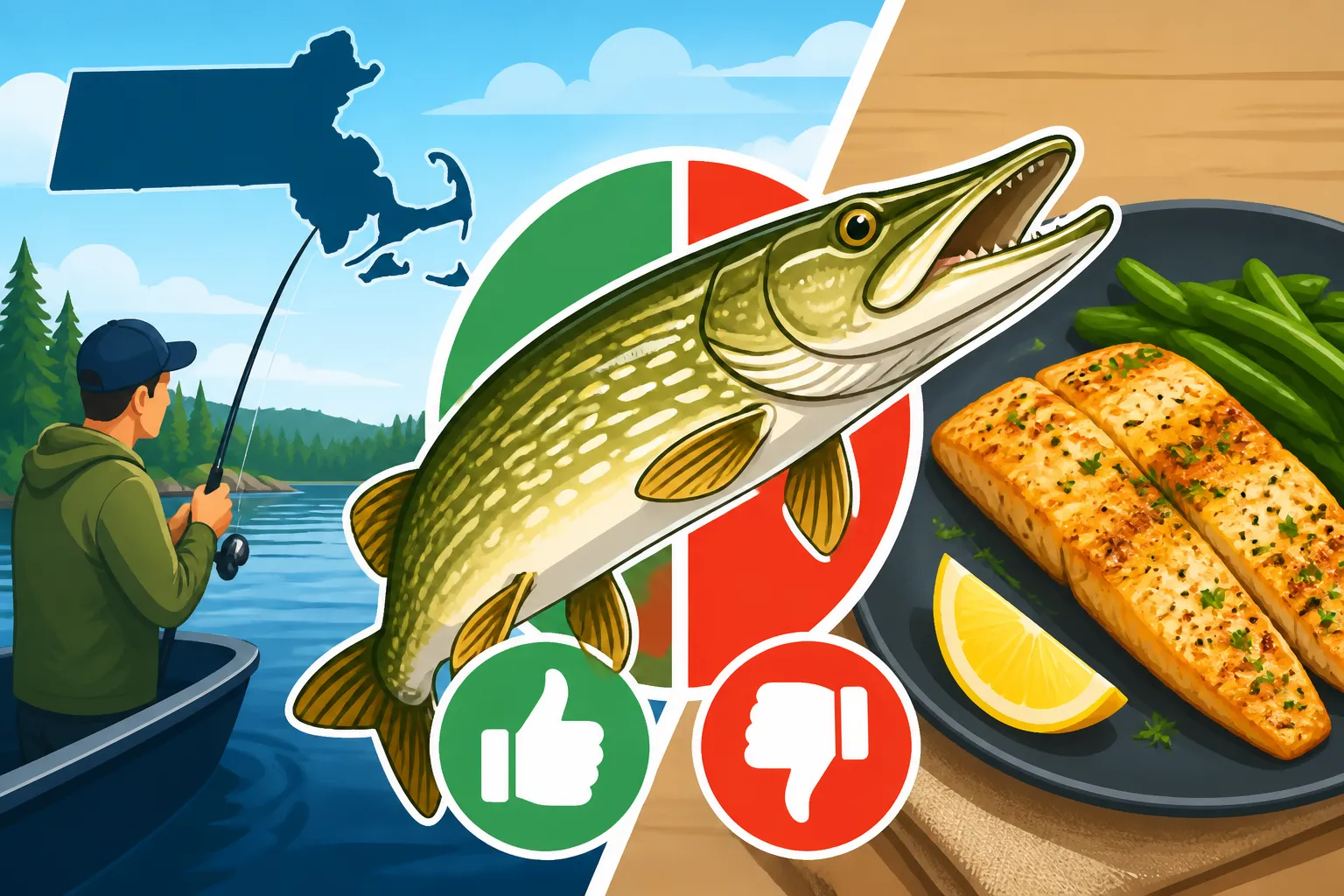
Are Pickerel Good to Eat?
Ah, the chain pickerel! Many anglers in Massachusetts have caught these feisty freshwater predators, often marveling at their striking patterns and aggressive strikes. But then comes the age-old question, usually asked with a bit of a skeptical squint: "Are pickerel actually good to eat, or should I just throw them back?" This guide is here to tackle that very dilemma, offering honest insights into their culinary potential and how to make the most of your catch.
Understanding the Pickerel in Massachusetts Waters
Before we even get to the dinner plate, let's talk about the pickerel themselves. These aren't just any fish; they're an integral part of our state's freshwater ecosystems, known for their distinctive looks and spirited fight. They add a real thrill to a day on the water, whether you're out on a warm summer afternoon or trying your luck during ice fishing season.
What is a Chain Pickerel?
The chain pickerel, Esox niger, is a member of the pike family, easily recognizable by its unique chain-like pattern on its sides, which gives it its common name. They possess a long, slender body, a duck-bill shaped mouth filled with razor-sharp teeth, and a single dorsal fin set far back on their body, perfectly designed for ambush predation. These fish are true freshwater dwellers, thriving in the slower, weedier sections of ponds, lakes, and rivers across Massachusetts. They are opportunistic feeders, lying in wait among submerged vegetation to snatch unsuspecting baitfish, frogs, or even small rodents.
Catching one of these beauties often means a sudden, jarring strike followed by a surprisingly strong fight. While they might not be the biggest fish in the pond, they certainly make their presence known when hooked! They're often found in the same habitats as largemouth bass, making them a common catch for anglers targeting a variety of freshwater species. If you want to learn more about them, check out our guide on Chain Pickerel Fishing in Massachusetts.
Where to Find Pickerel in Massachusetts
Pickerel are widespread throughout Massachusetts' freshwater systems. You'll typically encounter them in shallow, vegetated areas of ponds, lakes, and slow-moving rivers. Think lily pads, submerged grass beds, and fallen timber – these are prime pickerel ambush points. They love cover, which allows them to hide and dart out quickly at prey. From the tranquil ponds of the Berkshires to the numerous lakes in central and southeastern Massachusetts, these fish are abundant.
For example, places like Lake Quinsigamond, the expansive Long Pond in Lakeville, or even many smaller, unassuming ponds are excellent pickerel territory. They are hardy fish and can tolerate a wide range of water conditions, making them accessible to most anglers. If you're looking for good spots, our comprehensive Best Freshwater Ponds and Lakes in Massachusetts guide can point you in the right direction, and chances are, pickerel will be swimming in many of those locations. They're a fantastic species to target for both beginners and experienced anglers looking for consistent action.
Pickerel as a Game Fish
While often overshadowed by their larger pike cousins or popular bass species, pickerel are undeniably fun to catch. Their aggressive nature means they'll strike at a variety of lures and baits, from shiny spoons and spinnerbaits to live shiners and worms. They provide a spirited fight on light tackle, often making impressive runs and even leaping from the water. For many anglers, especially those just starting out or taking kids fishing, pickerel offer reliable action and excitement.
Beyond the thrill of the catch, pickerel play an important role in our freshwater ecosystems. As predators, they help control populations of baitfish and other smaller species. Their abundance also means they can be a great target when other fish are harder to find. Many anglers appreciate them simply for the joy of battling a strong, wild fish. If you're wondering what they look like once you've hooked one, our article on What a chain pickerel looks like provides excellent details.
The Edibility Question: Are Pickerel Good to Eat?
This is where the rubber meets the road, or more accurately, where the fillet knife meets the fish. The question of pickerel edibility stirs up quite a debate among anglers. Some swear by them, others wouldn't touch them with a ten-foot pole. Let's dig into why there's such a divide and what you can expect.
The "Bony" Reputation
Let's address the elephant in the room: pickerel are notoriously bony. Unlike many other freshwater species like bass or trout that have a relatively simple bone structure in their fillets, pickerel possess a series of small, Y-shaped bones running through the muscle tissue of their flanks. These "Y-bones" are tiny and numerous, and they are the primary reason many anglers shy away from keeping pickerel for the table.
Trying to simply fillet a pickerel like a bass will result in a fillet riddled with these fine, troublesome bones. It can be incredibly frustrating to eat, requiring constant vigilance and picking to avoid a mouthful of sharp bits. This bony nature is a biological characteristic of many members of the pike family and is often the biggest hurdle to pickerel becoming a more popular table fare. It's a valid frustration, and anyone who has tried to eat a poorly filleted pickerel will understand the hesitation.
Taste and Texture Profile
Despite the bone issue, the actual meat of a pickerel is quite good. The flesh is typically white, flaky, and has a mild, sweet flavor. It's often compared to northern pike or even walleye, though perhaps a touch firmer. The taste isn't "fishy" in an overpowering way, which is a big plus for those who prefer lighter-tasting fish.
However, just like any fish, the flavor can be influenced by its environment. A pickerel caught from a cold, clean, clear-water pond with plenty of natural food sources will often have a cleaner, more delicate flavor and firmer flesh than one caught from a warm, murky, or stagnant water body. The latter might sometimes exhibit a slightly "grassy" or earthy note, which some don't mind, but others find less appealing. Overall, if you can get past the bones, the taste is generally considered quite pleasant and versatile for various culinary applications.
Factors Affecting Flavor
Several key factors can significantly impact the flavor of your pickerel catch. Understanding these can help you choose the best fish to keep and maximize your dining experience.
Firstly, water quality and temperature are paramount. Pickerel from pristine, cold, well-oxygenated lakes and ponds tend to have the best flavor – clean, sweet, and mild. Conversely, fish from warmer, murkier, or weed-choked waters, especially during hot summer months, might have a stronger, more "muddy" or "weedy" taste. This isn't unique to pickerel; many freshwater species can develop off-flavors from their environment.
Secondly, the fish's diet plays a role. A pickerel feeding primarily on smaller baitfish will often taste better than one whose diet consists heavily of bottom-dwelling invertebrates. Healthier, actively feeding fish from a diverse ecosystem are generally preferable.
Lastly, size can be a factor, though not always in the way you might expect. While some argue that smaller pickerel (say, 15-18 inches) have more tender flesh and fewer pronounced bones, others prefer larger fish, believing they yield thicker fillets that are easier to work with. Very large, older pickerel can sometimes have slightly coarser flesh, but this is less common. Many anglers find that pickerel of moderate size, perhaps between 18 and 24 inches, strike a good balance between flavor, texture, and filleting manageability. Ultimately, picking healthy, active fish from good environments is your best bet for a delicious meal.
Techniques for Preparing Pickerel (Making Them Edible)
So, you've caught some pickerel, and you're ready to give them a try despite their bony reputation. Don't worry, there are time-tested techniques that can transform these challenging fish into a delicious meal. It’s all about working with the bones, not against them.
Overcoming the Bones: Filleting Strategies
This is the most critical step in preparing pickerel for the table. You can't just slice and dice like you would a cod. The goal is to either remove the Y-bones entirely or render them unnoticeable.
One popular method involves making "five-strip" fillets. Instead of just two large fillets, you make cuts to isolate the bony sections. Start by filleting the fish as usual, removing the skin. Then, you'll notice a seam running down the side where the Y-bones are concentrated. Make a cut above this seam and another below it, essentially creating three strips: a boneless top loin, a boneless belly strip, and the middle strip containing the Y-bones. You can discard the middle bony strip, or process it further. Some skilled anglers can actually "zip out" the Y-bone strip with precision cuts, leaving two clean, boneless strips. This takes practice, but it's incredibly rewarding.
Another technique for the bony strip is scoring. You can take the middle strip (with the bones) and make very close, parallel cuts (about 1/8 to 1/4 inch apart) all the way down to the skin but not through it. This effectively "chops" the tiny Y-bones into such small pieces that they become negligible when cooked, often dissolving or becoming soft enough to eat without issue, similar to how sardines are eaten. This method is particularly good for frying.
Alternatively, if you're not confident with complex filleting, you can simply grind the meat. After removing the main fillets (even if they still contain bones), run the meat through a meat grinder. The grinding process pulverizes the bones into tiny, soft fragments that won't be noticeable. This method is fantastic for making fish cakes, fish patties, or even homemade fish sausage. A good, sturdy meat grinder can be an invaluable tool for this, and you can find a variety of reliable options on Amazon to suit your needs, from manual to electric models.
Cooking Methods for Pickerel
Once you've managed the bones, pickerel meat is incredibly versatile in the kitchen.
- Frying: This is arguably the most popular method for pickerel, especially if you've used the scoring technique for the bony sections or have perfectly boneless fillets. A light batter or breading, a quick dip in hot oil, and you've got crispy, flaky fish. The high heat helps to further soften any small bone fragments if you scored the fillets. Serve with tartar sauce and a lemon wedge for a classic meal.
- Baking or Broiling: For boneless fillets, baking or broiling can be a healthier and equally delicious option. Brush with olive oil or melted butter, season with herbs like dill, parsley, and lemon, then bake until flaky. The mild flavor of the pickerel takes well to various seasonings without being overpowered.
- Fish Cakes/Patties: If you've gone the grinding route, fish cakes are an absolute winner. Mix the ground pickerel meat with breadcrumbs, egg, finely chopped onion and bell pepper, and your favorite seasonings (Old Bay is a classic!). Form into patties and pan-fry until golden brown. This is a fantastic way to enjoy pickerel without any bone concerns, and it's often a hit with kids who might be put off by bones.
- Fish Chowder or Stew: Pickerel also makes an excellent base for a hearty fish chowder or stew. You can gently poach larger pieces (bones and all) in broth, then carefully flake the cooked meat away from the bones before adding it back to the soup. The mild flavor absorbs other ingredients beautifully, creating a rich and satisfying dish.
Beyond the Fillet: Pickerel for Soups, Stews, and Patties
As mentioned, pickerel shines in preparations where the bone structure is less of a hindrance. Don't feel pressured to get perfectly boneless fillets if it feels too daunting.
For a comforting fish soup or stew, you can simply cut the pickerel into larger chunks, bones and all, and simmer them in your broth base. Once the fish is cooked through and flaky, you can easily remove the larger bones by hand or with a fork as you serve, or even strain the broth if you want a completely boneless experience. The bones impart a wonderful flavor to the broth, adding depth to your culinary creation. This method ensures you get all the delicious taste without the filleting headaches.
Fish patties or croquettes are another fantastic way to utilize pickerel, especially if you're using a meat grinder. The pulverized bones disappear, leaving you with tender, flavorful fish that can be seasoned and combined with other ingredients like mashed potatoes, herbs, and spices. These are incredibly versatile – serve them as an appetizer, on a bun like a fish burger, or alongside a fresh salad. Preparing pickerel this way is often the secret weapon of experienced anglers who value the fish's flavor but don't want the fuss of meticulous deboning. Imagine whipping up a batch of spicy pickerel tacos using ground meat – absolutely delicious and no bone worries!
It’s worth noting that if you’re short on specific kitchen tools, you can usually find good quality filleting knives, cutting boards, and even meat grinders on Amazon, often with detailed reviews from other home cooks and anglers. Having the right tools makes all the difference in preparing any fish.
Responsible Pickerel Fishing in Massachusetts
Catching pickerel can be a lot of fun, but it's also important to be a responsible angler. Our actions on the water help ensure healthy fish populations for years to come. Plus, knowing the rules keeps you out of trouble!
Massachusetts Regulations for Pickerel
While pickerel are generally abundant, it's always crucial to be aware of the current fishing regulations in Massachusetts. For most freshwater species, including pickerel, the Massachusetts Division of Fisheries and Wildlife (MassWildlife) sets specific daily catch limits and sometimes minimum size requirements. These can change, so always check the latest regulations pamphlet before you head out.
Generally, pickerel regulations are quite liberal, reflecting their healthy populations. However, there might be specific water bodies with unique rules, or changes depending on the time of year. For instance, while you might be able to keep a good number of pickerel in most public ponds, there could be different rules in special management areas. Knowing your Massachusetts Freshwater Daily Catch Limits is key. Also, remember that you always need a valid Massachusetts Fishing License Guide to fish in the state, regardless of what species you're targeting. Don't forget to check out Massachusetts Recreational Fishing Rules and Bag Limits for a comprehensive overview.
Conservation and Sustainable Practices
Even with abundant species like pickerel, practicing conservation is important. While you might keep a few for dinner, consider releasing larger pickerel. These larger fish are important breeders and contribute significantly to the health of the pickerel population. Catch and release helps maintain a robust gene pool and ensures there are plenty of fish for future generations.
When practicing catch and release, handle the fish as little as possible, use wet hands to protect their slime coat, and release them quickly. Barbless hooks can also minimize harm. If you do decide to keep some for eating, only take what you will consume and don't waste any part of the fish. Being mindful of your impact means we can all enjoy Massachusetts fishing for a long time.
Gear and Bait for Pickerel Fishing
Pickerel aren't particularly fussy, which makes them a great target for anglers of all skill levels. Here's what generally works best:
- Rods and Reels: A medium-light to medium action spinning rod, about 6 to 7 feet long, paired with a matching spinning reel spooled with 6-10 lb test monofilament or braided line is ideal. This setup provides enough sensitivity for subtle bites and enough backbone to handle a fighting pickerel.
- Lures: Pickerel are highly attracted to flashy, moving lures. Spoons (like Daredevils or Johnson Silver Minnows), spinnerbaits, inline spinners (Mepps, Panther Martin), and lipless crankbaits are all excellent choices. Jerkbaits and soft plastic swimbaits also get their attention. Bright colors like chartreuse, white, or firetiger are often effective, especially in stained water.
- Live Bait: Nothing beats a lively shiner or minnow for pickerel. Hook them lightly through the back or lips and fish them under a bobber or on a slow retrieve. Worms can also work, but shiners are usually more effective for pickerel's predatory instincts.
- Terminal Tackle: Use a steel leader or heavy fluorocarbon leader (20-30 lb test) when fishing for pickerel, as their sharp teeth can easily cut through lighter line. This is crucial if you want to land your catch. For hooks, a size 1 or 1/0 live bait hook is usually appropriate.
You can stock up on a wide range of pickerel lures, leaders, and hooks through retailers like Amazon, ensuring you're well-equipped for your next outing. Don't forget a pair of pliers for hook removal and a tackle box to keep everything organized. Whether you're casting from shore or exploring a pond by boat, these basic items will put you in a good position to catch some pickerel. Many of these methods apply to Ice Fishing Techniques for Massachusetts Ponds too, just adjust your presentation for vertical jigging!
Pickerel Edibility at a Glance: Pros and Cons
To help you decide whether pickerel will make it to your dinner plate, here's a quick summary of their culinary attributes.
| Feature | Pros | Cons |
|---|---|---|
| Flavor | Mild, sweet, delicate, not overly "fishy." | Can be slightly "muddy" or "grassy" depending on water quality. |
| Texture | White, flaky, firm flesh. | Can be tough if overcooked. |
| Bone Structure | Relatively easy to get boneless fillets with proper technique or grinding. | Numerous small, Y-shaped bones running through the meat (main issue). |
| Preparation Time | Quick cooking once bones are addressed. | Significant time investment for filleting to remove or minimize bones. |
| Versatility | Excellent for frying, baking, fish cakes, chowders. | Less suited for simple grilling or pan-searing without bone prep. |
| Abundance | Plentiful in Massachusetts, easy to catch. |
Final Thoughts on Massachusetts Pickerel
So, are pickerel good to eat? Absolutely, with a caveat. Their flavor and texture are genuinely pleasant, and they can make for a fantastic meal. The main challenge, as we’ve discussed, lies in dealing with those pesky Y-bones. But with the right filleting techniques, like the five-strip method or simply grinding the meat for patties, you can easily overcome this hurdle.
Don't let the bony reputation scare you away from trying pickerel. They're a sustainable, readily available resource in Massachusetts, and learning to prepare them can add a whole new dimension to your angling experience. Next time you hook a pickerel in a clean, cold pond, consider keeping a few of the right size. With a little effort in the kitchen, you might just discover a new favorite freshwater delicacy. And if you’re heading out for some ice fishing this winter, remember that pickerel are often one of the first fish to bite, making them a great target for Ice Fishing in Massachusetts and a potential meal on a cold day!
Disclaimer
This article is for general informational purposes only and does not constitute professional advice. Laws, prices and regulations vary by location and change over time. Consult a qualified professional for guidance on your specific situation.