Is It Safe to Fish Where Great White Sharks Are Seen?
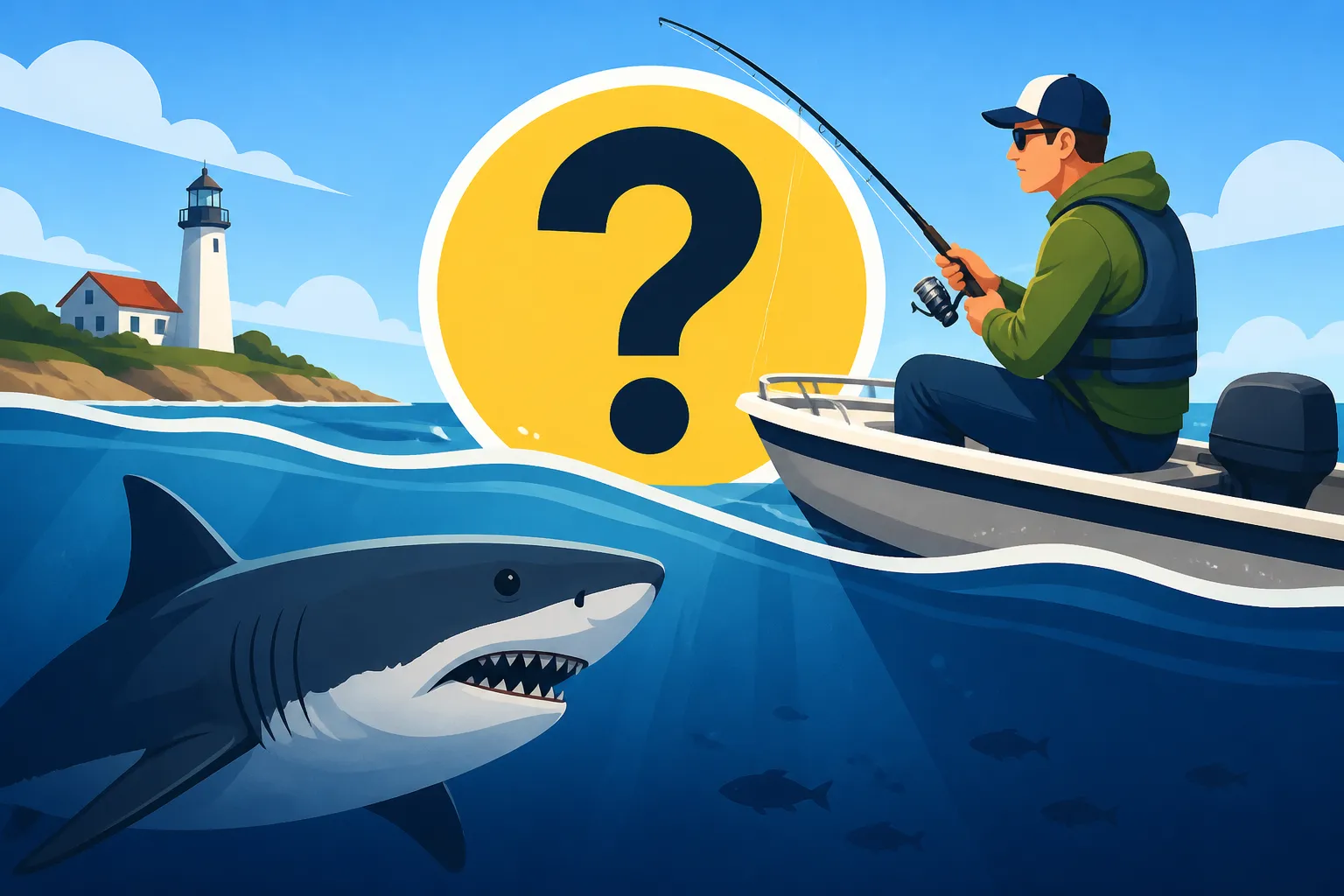
It’s an undeniable truth: when you hear about great white sharks off the coast of Massachusetts, especially around Cape Cod, a little shiver runs down your spine. For many of us who love to cast a line in these incredible waters, the thought of these apex predators sharing our fishing grounds can be a real concern. This guide is here to tackle that very question, providing a realistic look at fishing safely in areas where great white sharks are known to patrol, helping you understand the risks and how to manage them.
Understanding the Great White Presence in Massachusetts Waters
Let's be real, the presence of great white sharks in Massachusetts isn't exactly breaking news anymore, but it's certainly more pronounced than it used to be. For decades, these magnificent creatures were a rare sight, almost mythical. Now, thanks to the robust recovery of the grey seal population – their primary food source – great whites have made a strong comeback, particularly along the outer Cape Cod coastline. This shift means that anglers, whether you’re surfcasting, kayaking, or heading out on a boat, need to adjust their awareness and approach.
Where Great Whites Are Most Commonly Seen
When we talk about great white sharks in Massachusetts, we're almost exclusively talking about the waters around Cape Cod. The shallow, sandy bottom and abundant seal colonies from Chatham up to Provincetown are prime hunting grounds. Beaches like Nauset, Orleans, Wellfleet, and Truro, and especially the areas around Monomoy Island, are known hotspots. If you're planning on fishing in these areas, especially from June through October when water temperatures are warmer and the sharks are most active, you absolutely need to operate with a heightened sense of vigilance.
It's not just offshore either. Sharks can and do come surprisingly close to shore, particularly when seals are abundant in the surf zone. A few years back, I was fishing for striped bass near Truro, casting into a pretty typical rip, when a massive shadow glided through the wave just beyond my casting distance. It was a stark reminder that even in familiar fishing spots, these animals are truly present. This doesn't mean you should pack up your gear and head home, but it does mean being smart about your location and timing. You'll find a lot more information about where these incredible fish hang out in articles like Sharks Commonly Seen Off Cape Cod.
The Seasonal Nature of Shark Activity
Great white sharks aren't year-round residents in Massachusetts; they're seasonal visitors. They typically arrive in late spring or early summer as water temperatures rise and the seals gather. Their activity peaks during the warmer months of July, August, and September, then gradually tapers off into the fall as temperatures drop and seals disperse. By November, most great whites have migrated south.
This seasonal pattern is crucial for anglers to understand. Fishing during peak shark season in known hotspots demands a higher level of caution than, say, targeting tautog in Buzzards Bay in May. If you're planning a trip to the outer Cape in August to chase How to Catch Striped Bass in Massachusetts, it's not about fear, but about respect for the environment and an understanding of the conditions. This seasonal awareness allows you to make informed decisions about where and how you fish, and what kind of gear you might need.
Assessing the Real Risk to Anglers
Okay, let's get down to the brass tacks: is it actually safe to fish where great white sharks are seen? The short answer is, for the vast majority of anglers, yes, it can be safe, but it's not without its considerations. The key is to understand the difference between risk perception and actual statistical risk. While shark sightings can be alarming, especially with modern technology spreading news instantly, actual unprovoked attacks on humans, particularly anglers, remain incredibly rare.
Distinguishing Between Anglers and Swimmers/Surfers
It's vital to differentiate between activities. Most of the highly publicized shark encounters in Massachusetts have involved swimmers or surfers, often in murky water or near seal congregations. These individuals are directly interacting with the water in a way that can be mistaken for a seal or other prey.
Anglers, on the other hand, usually present a very different profile:
- From a boat: You are largely separated from the water, often on a platform that doesn't resemble prey. While a shark could investigate, direct attacks on boats are almost unheard of in Massachusetts.
- From shore/pier: Again, you are above the water, not immersed. Your limbs aren't dangling, and your silhouette isn't that of a swimming seal.
- Kayaking: This is where the lines blur a bit more. A kayak, especially a shorter, wider one, can sometimes resemble a seal from below. This activity carries a slightly higher, though still very low, inherent risk compared to shore or boat fishing. However, kayakers are usually aware and can take precautions.
The primary concern for anglers isn't usually being directly attacked while fishing, but rather the potential for interaction when handling fish or bait, or if a shark becomes interested in a struggling fish on your line. This is where awareness and smart practices come into play.
The Dynamics of Shark-Angler Interactions
Great white sharks are primarily interested in seals. They are powerful, efficient hunters, and they are not generally interested in an artificial lure or a human hand. However, certain situations could pique their curiosity or draw them closer:
- Struggling fish: A hooked fish, especially a large striped bass or bluefish, struggling at the surface, can mimic an injured seal. This can attract a shark. This is why landing fish quickly and efficiently is important, and why bringing a large, live fish right to the boat or shallow water's edge can sometimes be ill-advised.
- Blood and chum: Any blood in the water, from a filleted fish or even a small cut, can attract sharks. Chumming, while common for some species, is generally discouraged in known great white areas precisely for this reason.
- Improper carcass disposal: Tossing fish carcasses or guts overboard near a fishing area is essentially offering a free meal and can habituate sharks to associate boats with food. Always dispose of your catch remnants responsibly.
It's important to remember that these are hypothetical scenarios designed to promote caution, not panic. The ocean is their home, and we are visitors. Respecting their presence is key to peaceful coexistence.
Practical Safety Measures for Fishing in Shark Territory
So, how do we balance the thrill of fishing in Massachusetts with the reality of sharing the water with great white sharks? It boils down to vigilance, common sense, and preparation. Think of it less as living in fear and more about being a responsible, informed angler.
Stay Informed and Aware
One of the most powerful tools in your safety arsenal is information. Before you even head out, do your homework.
- Check local alerts: Many towns on Cape Cod, especially during peak season, will post shark sightings on beaches, social media, and local news outlets. Follow these.
- Use technology: Apps developed by the Atlantic White Shark Conservancy (AWSC) provide real-time public sightings and confirmed shark detections. While not foolproof, they can give you a better picture of current activity.
- Talk to locals: Bait and tackle shop owners, other anglers, and harbormasters are invaluable sources of current, localized information. They've seen it all and can offer the best advice on specific areas or conditions.
- Observe before you cast: When you arrive at your chosen spot, take a few minutes to observe the water. Look for unusual bird activity, nervous baitfish, or, most importantly, seals. A large concentration of seals, especially if they appear agitated, is a huge red flag.
Smart Fishing Practices
Once you're out there, adjust your fishing methods to minimize potential interactions.
- Avoid prime seal real estate: If you see a large group of seals hauling out on a sandbar or frolicking in a particular cove, that's their dining room. Find another spot. It's often better to move a mile down the beach or relocate your boat.
- Land fish quickly and efficiently: If you hook a large fish, work to bring it in as quickly and cleanly as possible. A long, drawn-out fight with a struggling fish at the surface is the exact kind of commotion that might attract unwanted attention.
- Keep a respectful distance: When you do see a shark (which, let's be honest, is a truly incredible experience from a safe distance!), give it space. Don't chase it, don't try to get a closer look. They are wild animals.
- Responsible bait and catch handling:
- Avoid excessive chumming, especially with oily fish, in known great white habitats.
- If you're processing fish, do so away from your main fishing area and dispose of carcasses far offshore, or better yet, bag them and dispose of them on land. Never toss guts directly from a pier or busy swimming beach. You can find robust coolers on sites like Amazon to store your catch and any discards for proper disposal later.
Here's a quick comparison of behaviors:
| Safe Fishing Practice | Risky Fishing Behavior |
|---|---|
| Check local shark alerts before heading out | Ignore warnings or active sightings |
| Observe water for seal activity before fishing | Fish in areas with high concentrations of seals |
| Land hooked fish quickly and cleanly | Prolong fights with large, struggling fish at surface |
| Dispose of fish carcasses on land or far offshore | Toss fish guts and blood into the water near fishing spots |
| Maintain situational awareness on water | Fish with headphones in, not paying attention |
| Use appropriate gear to minimize splash/struggle | Use light tackle on large fish in shark-prone areas |
| Have a first aid kit and communication device | Go out unprepared or alone in remote areas |
Gear and Emergency Preparedness
While no special "anti-shark" fishing gear is truly necessary, some general preparedness is always a good idea.
- Heavy leader and sharp hooks: This isn't for fighting a shark, but to quickly land the fish you are targeting. The less time a fish spends struggling, the better.
- De-hooking tools: Minimize direct contact with a fish that might have been near a shark. A long de-hooker helps you release the fish safely.
- First aid kit: Always have a well-stocked first aid kit, especially for any cuts or punctures that might lead to bleeding. You can easily find comprehensive kits on Amazon that are perfect for boat or shore use.
- Communication: Always fish with a buddy, or at least let someone know your plans and expected return time. Carry a fully charged phone or VHF radio.
- Consider a personal alarm: Some anglers, especially those on kayaks, carry a loud air horn or personal alarm. While not a deterrent, it can attract attention in an emergency.
Remember, common sense prevails. If you see a shark, don't panic, but respond appropriately. If you're on a boat, you're relatively safe. If you're in a kayak, paddle away calmly but quickly. If you're on shore, reel in and observe. There's a reason you don't hear about many shark attacks on anglers – because most of us understand and respect the marine environment. Articles like Massachusetts Recreational Fishing Rules and Bag Limits emphasize the importance of following regulations, which indirectly contributes to responsible angling.
Dispelling Myths and Embracing the Ecosystem
The image of a great white shark often conjures up terrifying scenarios, largely fueled by movies and sensationalized media. However, these animals are not mindless predators on a mission to attack humans. Understanding their role in the ecosystem and dispelling common myths can actually make you a more confident and responsible angler.
They're Not "Man-Eaters"
This is perhaps the biggest myth. Great white sharks, like most apex predators, are opportunistic hunters. They hunt seals, fish, and other marine mammals. Humans are not on their menu. When an attack on a human occurs, it is almost invariably a case of mistaken identity – the shark mistakes a swimmer or surfer for a seal, especially in low visibility or murky water. Once they realize it's not their usual prey, they often disengage.
For anglers, this is especially true. The profile of a person standing on a beach or in a boat is completely different from a swimming seal. The splash of a lure or a struggling fish, while potentially attracting curiosity, is rarely mistaken for a seal in the same way a person paddling a surfboard might be. Our job is to minimize those instances of mistaken identity.
The Role of Great Whites in a Healthy Ocean
The return of the great white shark to Massachusetts waters is, in a larger sense, a sign of a healthy and recovering marine ecosystem. These sharks are apex predators, and their presence helps regulate the seal population, which in turn impacts fish stocks. While it might seem counterintuitive, a thriving great white population indicates a balanced food web.
Embracing this reality means understanding that we are sharing the ocean with incredible wildlife, and that's a privilege. It encourages us to be better stewards of the environment, to practice catch and release when appropriate, and to dispose of waste responsibly. Learning about different Massachusetts Saltwater Fishing Seasons or exploring Best Fishing Spots in Massachusetts helps us understand the wider context of our sport.
Long-Term Coexistence
As great white sharks continue to frequent our waters, coexistence is the name of the game. For anglers, this means adapting. It means being more aware, making smarter choices about where and how we fish, and teaching the next generation to do the same. It’s about being prepared, not paranoid.
Fishing, whether it's for Massachusetts Striped Bass Slot Limit Explained or Massachusetts Black Sea Bass Season Dates, is about connecting with nature. And sometimes, connecting with nature means acknowledging and respecting its most powerful inhabitants. By staying informed, practicing smart angling techniques, and understanding the true nature of these animals, we can continue to enjoy the fantastic fishing opportunities that Massachusetts offers, even in the shadow of the great white. Remember to consult official resources for the latest regulations and safety advisories before any trip.
Disclaimer
This article is for general informational purposes only and does not constitute professional advice. Laws, prices and regulations vary by location and change over time. Consult a qualified professional for guidance on your specific situation.