An invasive fish species found in Massachusetts
It's a disheartening reality that our beautiful Massachusetts waters, teeming with beloved native fish, are increasingly under threat from unwelcome guests: invasive species. These non-native intruders don't just swim by; they disrupt the delicate balance of our ecosystems, outcompeting local fish for food and habitat, and sometimes even preying on them. This guide will shine a light on what makes a fish invasive, introduce you to a particularly notorious aquatic invader that has unfortunately found its way into our Commonwealth, and empower you with the knowledge to help protect our cherished fishing grounds.
Understanding the Threat of Invasive Fish Species
When we talk about invasive species, it's easy to picture something alien and scary, but the truth is often more subtle, yet just as damaging. These aren't just fish from somewhere else; they're species that, once introduced, cause significant harm to the environment, economy, or human health. Their presence creates a ripple effect throughout the entire aquatic food web, from the smallest insects to the largest game fish, leaving a trail of disruption that can be incredibly difficult, if not impossible, to reverse.
What Makes a Species Invasive?
Not every non-native fish species becomes an invasive problem. In fact, many introduced species co-exist without causing widespread issues. The key differentiator for an invasive species is its capacity to thrive unchecked, often due to a lack of natural predators, diseases, or environmental controls that kept its population in balance in its native habitat. Here in Massachusetts, this means they can reproduce at alarming rates, aggressively compete with our native brook trout, largemouth bass, and perch for vital resources like food and spawning areas, or even directly prey on them. It’s frustrating to think that a simple oversight or careless act could lead to such far-reaching consequences for our local fisheries.
They often possess traits like rapid growth, high reproductive rates, and adaptability to a wide range of environmental conditions. Imagine a species that spawns multiple times a year, with thousands of offspring, and those offspring grow quickly into voracious predators. That's the recipe for an invasive nightmare. These characteristics allow them to quickly outcompete and displace native species, altering habitat, reducing biodiversity, and fundamentally changing the recreational fishing experience we've come to know and love in Massachusetts.
Common Pathways of Introduction in Massachusetts
It might surprise you to learn that many invasive fish species don't arrive through some grand, natural migration. More often, their introduction is a direct result of human activity, sometimes unintentional, sometimes ill-advised. One of the most common culprits is the "aquarium release"—when a pet fish outgrows its tank or becomes too much to handle, and its owner decides to "free" it into a local pond or river. What seems like an act of kindness can quickly become an ecological disaster.
Another significant pathway is the improper disposal or transport of live bait. Anglers using live bait from one water body, then dumping unused bait into another, can inadvertently introduce species or pathogens. Similarly, illegal stocking, where individuals attempt to introduce new game fish or forage species into a water body without proper permits, can have devastating effects. Even connections between waterways, whether natural or man-made, like canals or flood events, can facilitate the spread of these unwanted invaders. It really drives home the point that every angler, every pet owner, and every citizen has a role to play in preventing these introductions. Protecting our waters requires us to be mindful of practices that might seem harmless at first glance, but carry significant risks. For more on the regulatory framework around fishing, you might want to read our Massachusetts Recreational Fishing Rules and Bag Limits guide.
The Northern Snakehead: A Massachusetts Concern
Among the various invasive fish species that have raised alarms across the country, the Northern Snakehead stands out as a particularly concerning aquatic invader due to its aggressive predatory nature and incredible resilience. While sightings in Massachusetts have been relatively isolated, each confirmed presence represents a serious threat to our native fish populations and underscores the critical need for angler vigilance and immediate action. This isn't just an abstract problem; it's a real and present danger to the fish we cherish and the ecosystems we enjoy.
Identifying This Aquatic Invader
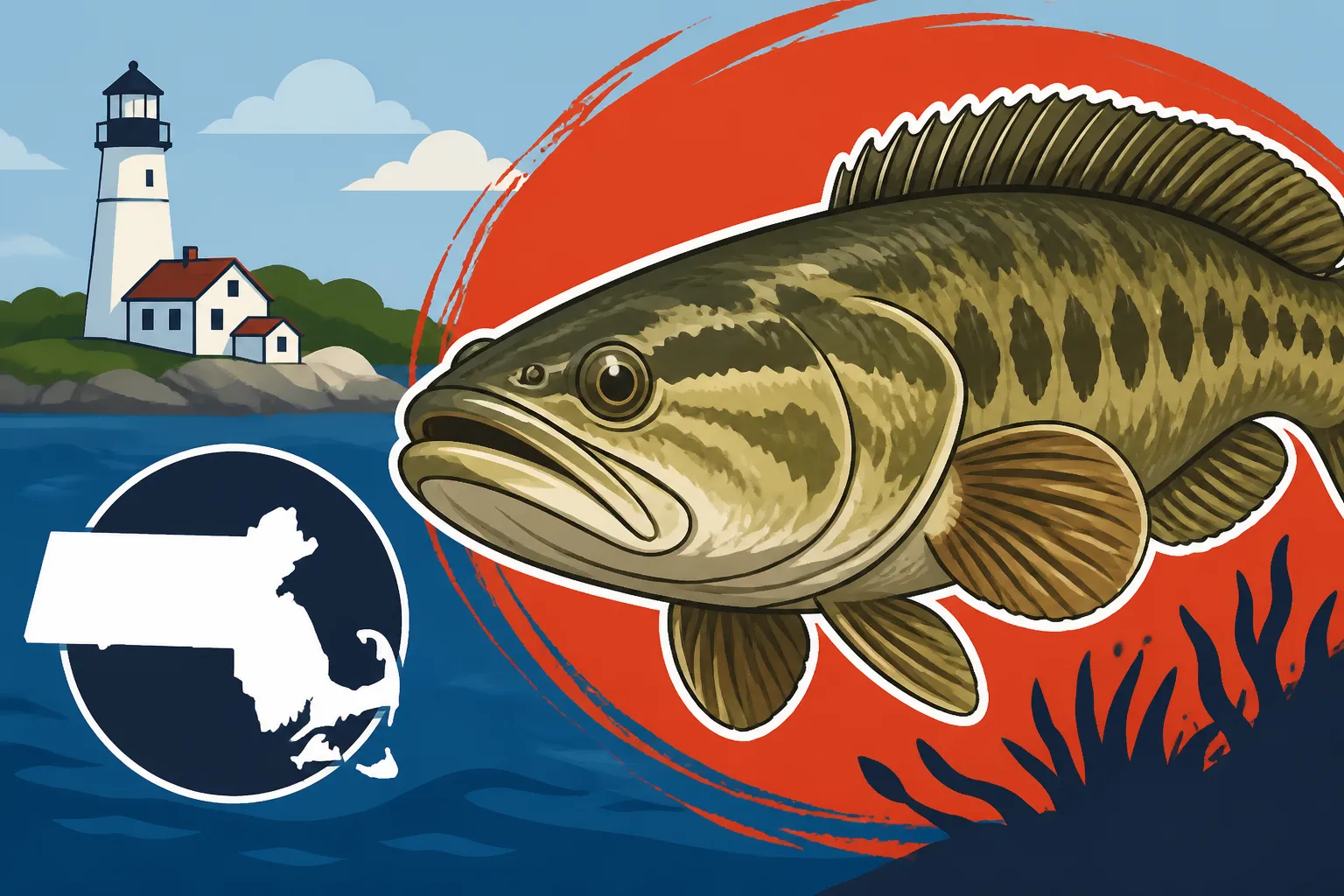
The Northern Snakehead (Channa argus) is a fish that truly lives up to its name. It possesses a distinctive, elongated, snake-like body, often mottled brown, tan, and gold, resembling a python or anaconda. Unlike many native fish, its head is remarkably blunt and broad, much like a snake's, with a large mouth full of formidable, sharp teeth. One of its most striking features is a very long dorsal fin that runs almost the entire length of its back, with a similarly long anal fin extending roughly two-thirds down its underside.
A key identifier, and one of the reasons for its invasive success, is its ability to breathe atmospheric air. This isn't just a brief gulp at the surface; snakeheads possess a unique supra-branchial organ that allows them to extract oxygen directly from the air, enabling them to survive for significant periods out of water or in low-oxygen environments that would kill most other fish. This means they can "walk" or wriggle across land from one pond to another, especially during wet weather. It's crucial not to confuse the Northern Snakehead with our native Bowfin, which shares a somewhat similar body shape. However, Bowfin typically have a shorter anal fin and often a distinct black spot, or ocellus, on the upper part of their tail base, especially in males and juveniles. Knowing these differences can make all the difference in preventing further spread, and having a good Massachusetts Fish Identification Guide on hand can be incredibly helpful. You can often find excellent, detailed fish ID guides and posters on platforms like Amazon to keep in your tackle box or boat!
Where Northern Snakeheads Have Been Found in Massachusetts
While specific locations of snakehead sightings are often closely monitored and not always widely publicized to prevent misguided "trophy hunting" or further unintended spread, Massachusetts has had confirmed instances of Northern Snakeheads appearing in its waters. These reports are usually isolated to particular ponds or segments of rivers, suggesting introductions often occur via individual releases rather than natural migration from large, established populations in neighboring states. Each discovery triggers immediate response protocols from MassWildlife to assess the population, contain the spread, and, if possible, eradicate the fish from that specific water body.
The concern with these isolated incidents is that a single pregnant female, or even a pair, can rapidly establish a breeding population if left undetected. Their adaptability means they can thrive in various freshwater habitats, from stagnant ponds to slow-moving rivers. This makes every potential sighting in places like our Massachusetts freshwater ponds and lakes, the Connecticut River Fishing in Massachusetts, or even the Merrimack River Fishing Spots Near Haverhill and Lowell, Massachusetts a critical situation requiring prompt attention. Anglers fishing these waters, or really any freshwater system in the Commonwealth, must remain vigilant.
The Ecological Damage Caused by Snakeheads
The reason Northern Snakeheads are considered such a severe threat isn't just their appearance or resilience; it's the profound ecological damage they inflict once established. As an apex predator in many of their introduced environments, they sit at the top of the food chain, preying indiscriminately on anything that fits into their large mouths. This includes a wide array of native species: smaller fish like perch and sunfish, juvenile bass and trout, frogs, crayfish, and even small waterfowl.
Their rapid reproductive cycle, with females capable of spawning multiple times a year and aggressively guarding their nests, means their populations can explode quickly. This relentless predation and competition severely impact native fish populations, often leading to significant declines in species that are vital to the local ecosystem and popular among anglers. Imagine the impact on our precious Trout Fishing in Massachusetts or Largemouth Bass Fishing in Massachusetts if snakehead populations were to become widespread. They disrupt the entire food web, throwing the delicate balance of aquatic life into disarray. The cascading effects can lead to a loss of biodiversity, altered nutrient cycles, and a general degradation of aquatic habitat health, forever changing the character of our local fishing spots.
What Anglers Can Do: Prevention and Reporting
As anglers, we're often the first line of defense when it comes to protecting our aquatic environments. We're out on the water, observant, and passionate about maintaining healthy fisheries. This means we have a crucial role to play in both preventing the introduction of invasive species and acting quickly if we encounter one. Our collective actions can make a real difference in the ongoing fight against these aquatic invaders.
Stop the Spread: Best Practices for Anglers
Preventing the spread of invasive species starts with adopting a few simple, yet incredibly effective, best practices every time you head out to fish. The mantra "Clean, Drain, Dry" is paramount:
- Clean: Thoroughly inspect and remove all visible mud, plants, and aquatic organisms from your boat, trailer, waders, boots, and fishing gear before leaving a launch area. Even tiny fragments can contain viable eggs or larvae of invasive species.
- Drain: Drain all water from your boat, livewells, bilge, and bait buckets before leaving the ramp. Never transport water from one body of water to another.
- Dry: Allow all equipment to thoroughly dry for at least 5 days before using it in a different water body. If drying isn't feasible, consider a thorough wash with hot, high-pressure water.
Beyond "Clean, Drain, Dry," always be responsible with bait. Never release live bait from one water body into another. If you have unused live bait, either dispose of it in the trash, freeze it for future use in the same water body, or dispose of it far from any waterway. And please, if you have exotic pets—fish, turtles, or plants—never release them into local ponds or rivers. What seems like a merciful act is often a death sentence for our native wildlife. Being proactive and knowledgeable is key, and you can find many helpful resources, including specialized cleaning brushes and drying racks for fishing gear, on Amazon.
Reporting a Sighting and Management Efforts
If you suspect you've caught or sighted a Northern Snakehead or any other fish that you believe to be an invasive species, do not release it. This is a critical point. Your immediate actions are vital to preventing its spread. Here’s what you should do:
- Do Not Release: If you catch it, humanely dispatch it immediately and do not return it to the water.
- Document: Take clear photographs of the fish, especially focusing on identifying features like its head, fins, and body pattern.
- Note Location: Record the exact location where you caught or saw the fish (GPS coordinates if possible).
- Report Immediately: Contact MassWildlife (Massachusetts Division of Fisheries and Wildlife) as soon as possible. They have specific protocols for handling invasive species reports and will provide guidance on what to do with the fish specimen.
MassWildlife plays a crucial role in monitoring for invasive species, verifying reports, and implementing management strategies, which can range from targeted removal efforts to educational campaigns. Your prompt and accurate reporting is their most valuable tool in containing these threats. Ignoring a potential invasive sighting could have dire consequences for our local fisheries. Knowing how to use resources like the MassFishHunt account setup guide could also be helpful for submitting reports through official channels.
Legal Aspects and Penalties
The seriousness of invasive species threats is reflected in state and federal laws. In Massachusetts, it is strictly illegal to possess, transport, or release live Northern Snakeheads, or many other specifically identified invasive aquatic species, without a permit. These regulations are in place to prevent accidental or intentional spread and to protect our native ecosystems. The intent is not to punish responsible anglers, but to ensure that everyone understands the grave risks associated with these species.
Violations of these laws can result in significant penalties, including substantial fines and other legal repercussions. These penalties are designed to deter actions that could lead to widespread ecological damage. For example, if someone were to illegally stock a water body with snakeheads, they could face charges far more severe than those for minor fishing license infractions. It underscores the importance of understanding the broader regulatory framework around fishing in our state, which includes not just specific catch limits but also the prohibition of harmful ecological practices. For more on the consequences of not following fishing regulations, you can refer to Penalties for Fishing Without a License in Massachusetts. It's always a good idea to stay informed about current regulations; you can even find durable copies of regulations pamphlets or waterproof cases for your phone to keep information handy on Amazon.
Remember, the goal is always to protect our incredible Massachusetts fishing heritage for future generations. By being informed, responsible, and vigilant, we can all contribute to keeping our waters healthy and free from harmful invaders.
| Feature | Northern Snakehead | Native Bowfin |
|---|---|---|
| Body Shape | Elongated, cylindrical, snake-like | Elongated, cylindrical, but generally thicker and more robust |
| Head Shape | Broad, blunt, snake-like; often flattened on top | Alligator-like, long snout, distinct mouth structure |
| Anal Fin | Very long, runs about 2/3 the length of the body | Shorter, about 1/3 the length of the body |
| Dorsal Fin | Extremely long, continuous, no spiny rays | Long, continuous, typically has a dark "eyespot" (ocellus) near the tail in males and juveniles |
| Pectoral Fins | More rounded, fan-like | More pointed |
| Pelvic Fins | Close to pectoral fins, smaller | Located directly under pectoral fins, generally larger |
| Scales | Large, distinct, rougher texture | Smaller, smoother |
| Air Breathing | Highly efficient, can survive hours out of water | Can breathe air, but less efficiently; mostly relies on gills |
| Teeth | Large, sharp, prominent canine-like teeth | Numerous smaller, conical teeth |
| Tail Fin | Rounded | Rounded |
Disclaimer
This article is for general informational purposes only and does not constitute professional advice. Laws, prices and regulations vary by location and change over time. Consult a qualified professional for guidance on your specific situation.